Plot Explained Spoilers guaranteed!
Plot Explained

Browse by genre

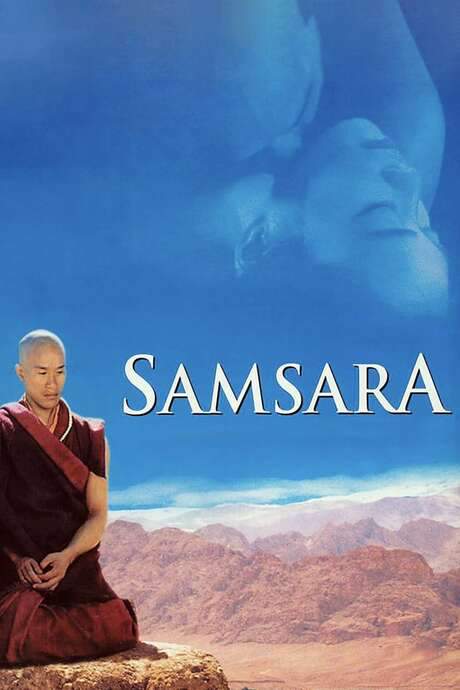
Samsara (2001) movie poster

Characters & Themes

Samsara (2001) Characters, Setting & Themes Explained

Release, runtime and language
2001 · 138 mins · Tibetan
Loading streaming availability…
Directed by
Pan Nalin
Starring
Shawn Ku, Jampa Kalsang Tamang, Christy Chung Lai-Tai, Neelesha Barthel, Lhakpa Tsering, Tenzin Tashi

A love story situated in the Himalayas. A Buddhist monk can’t choose between life and the way of the Buddha.

On this page (8)
  1. 1 Where to watch
  2. 2 Characters explained (8)
  3. 3 Where & when it takes place
  4. 4 Themes & meaning (3)
  5. 5 Character & meaning questions
  6. 6 Movie threads
  7. 7 Movies like Samsara
  8. 8 Every angle
Loading streaming availability…

8 main characters · contains spoilers

Samsara Characters Explained: Who Is Who

The main characters of Samsara (2001), heroes and villains: what drives them, how they change over the course of the story and what each of them reveals about the film's bigger ideas.

  • Tashi (Shawn Ku)

    Former Buddhist monk who emerges from a lengthy solitary retreat to become a farmer. He grapples with guilt, a complicated sexuality, and the weight of Apo’s death. His choices oscillate between spiritual heritage and tangible family responsibilities as he navigates love, fidelity, and community expectations.

    • 🕊️ Ex-lama
    • 🧭 Conflicted
    • 🧑‍🌾 Farmer
  • Pema (Christy Chung Lai-Tai)

    Farmer's daughter who becomes Tashi's wife after a poignant encounter. She anchors the family in the valley and later participates in selling the harvest in the city. She embodies resilience, traditional devotion, and a quiet strength in balancing love and responsibility.

    • 🕊️ Lover
    • 🧭 Bridge between valley and city
    • 🧑‍🌾 Farmer's daughter
  • Sujata (Neelesha Barthel)

    A migrant worker who returns annually to the farm and becomes a romantic partner to Tashi. Her relationship exposes the complexities of desire across social and economic divides. She embodies longing and resilience within a transient life.

    • 🧭 Migrant
    • 💔 Complex love
    • 🧑‍🌾 Worker
  • Dawa (Lhakpa Tsering)

    Local merchant who profits by exploiting farmers, opposing Tashi’s move to favor the harvest’s delivery to the city. He embodies the traditional antagonistic force that challenges the farmers' autonomy and the valley's balance with the market.

    • 💰 Merchant
    • ⚖️ Opponent
    • 🧑‍🌾 Farmer foe
  • Karma (Tenzin Tashi)

    Tashi and Pema's son, the next generation in the valley. His existence marks the continuation of family lines and the stakes of the community’s choices. He represents hope and the responsibilities of stewardship.

    • 👶 Son
    • 🧭 Future
    • 🧑‍👦 Family
  • Sonam (Jamayang Jinpa)

    Pema's former fiancé and local stonemason who resents Tashi for disrupting the valley’s established dynamics. He embodies resentment and tradition clashing with new farmers' influence.

    • 🕯️ Former fiancé
    • 🧭 Resentful
    • 🪨 Stonemason
  • Wedding Singer (Jampa Kalsang Tamang)

    A performer who participates in the wedding scene, adding cultural texture to the community's rituals. The presence hints at the social fabric around marriage and celebration in the valley.

    • 🎤 Performer
    • 🕊️ Community ritual
    • 🧑‍🎤 Wedding
  • Apo

    Mentor from Tashi's lama days, whose death profoundly affects Tashi and triggers his guilt-driven choices.

    • 🧭 Mentor
    • 🕊️ Spiritual guide
    • 🫶 Influence

Last updated: January 28, 2026 at 12:34

Was this helpful?

Setting

Where and When Does Samsara Take Place?

The setting of Samsara (2001): the year and time period, the places and locations, and how they shape the characters, the mood and the tension of the story.

Time period

Location

The Valley, City

The setting centers on a lush valley where farming families harvest crops and small monasteries guide spiritual life. The valley is a crossroads between tradition and modern commerce, with harvests flowing toward the city market. The local community negotiates between land, labor, and faith as tensions with a merchant rise.

  • 🏞️ Rural valley
  • 🏙️ City market
  • 🕍 Monastic setting

Last updated: January 28, 2026 at 12:34

Was this helpful?

3 major themes

Samsara Meaning: Themes & Message Explained

What is Samsara (2001) really about? The emotional, social and philosophical themes the film keeps returning to, its symbolism and the message beneath the surface.

  • Tradition vs Change

    Tashi’s arc moves from lifelong monk to farmer, highlighting the pull between spiritual duties and earthly attachments. The story contrasts ancient monastic discipline with pragmatic farming and city commerce in the valley. This tension drives decisions that ripple through family and community.

  • Love & Infidelity

    Tashi’s attraction to Sujata and his marriage to Pema create a web of desire and guilt. The relationships test loyalty within the valley, challenging social norms and provoking consequences. Guilt over Apo’s death compounds the emotional stakes.

  • Economy & Exploitation

    Dawa’s cheating of farmers reveals a corrupt economic system that pressures villagers to outsource harvests to distant buyers. Tashi’s decision to bring harvest to the city empowers the farmers but also puts him at odds with long-standing ties. The struggle frames the clash between local power and market forces.

Last updated: January 28, 2026 at 12:34

Was this helpful?

Character & theme questions

Samsara Characters & Meaning: Your Questions Answered

The questions people ask about Samsara (2001): who the characters really are, their relationships, what the symbols mean, where it takes place and what the movie is really about. Each answer contains spoilers.

Q1

Where is the movie's story set?

The story takes place in a lush Himalayan valley where farming families grow crops and small monasteries guide spiritual life. The valley serves as a crossroads between traditional rural life and modern commerce, with harvests flowing toward a distant city market.

  • himalayan valley
  • farming community
  • monastery
  • city market
  • setting
Q2

What are the main themes explored?

The film explores three interconnected themes: Tradition vs Change as Tashi leaves monastic life for farming; Love & Infidelity through Tashi's complex relationships with both his wife Pema and migrant worker Sujata; and Economy & Exploitation as merchant Dawa's control over farmers creates conflict. These themes intersect around faith, desire, and community survival.

  • tradition
  • change
  • love
  • infidelity
  • economy
  • exploitation
  • themes
Q3

Who is Tashi and what is his story?

Tashi is a former Buddhist monk who emerges from a lengthy solitary retreat to become a farmer in the valley. He struggles with guilt over his mentor Apo's death, complicated sexuality, and the weight of choosing between his spiritual heritage and his new family responsibilities as a husband to Pema and father to Karma.

  • tashi
  • former monk
  • farmer
  • guilt
  • spiritual crisis
Q4

Who is Pema and what role does she play?

Pema is a farmer's daughter who becomes Tashi's wife after a poignant encounter. She anchors the family in the valley, later participates in selling the harvest in the city, and embodies resilience and traditional devotion while balancing love and responsibility.

  • pema
  • wife
  • farmer's daughter
  • valley resident
Q5

Who is Sujata and why is she important?

Sujata is a migrant worker who returns annually to the valley and becomes a romantic partner to Tashi. Her relationship with him exposes the complexities of desire across social and economic divides, embodying longing and resilience within a transient life.

  • sujata
  • migrant worker
  • romantic partner
  • desire
Q6

Who is Dawa and what conflict does he represent?

Dawa is the local merchant who profits by exploiting the valley's farmers. He opposes Tashi's decision to take the harvest directly to the city, representing the traditional antagonistic force that challenges farmers' autonomy and the valley's economic balance with outside market forces.

  • dawa
  • merchant
  • exploitation
  • economic conflict
Q7

How does the film portray tradition versus change?

The Tradition vs Change theme centers on Tashi's journey from lifelong monk to farmer, highlighting the tension between spiritual duties and earthly attachments. The story contrasts ancient monastic discipline with pragmatic farming and city commerce, with Tashi's decisions rippling through his family and the entire community.

  • tradition
  • change
  • monastic
  • farming
  • commerce
  • tension
Q8

What does the Love & Infidelity theme examine?

The Love & Infidelity theme explores Tashi's attraction to Sujata alongside his marriage to Pema, creating a web of desire and guilt. These relationships test loyalty within the valley community, challenge social norms, and compound Tashi's emotional stakes due to existing guilt over Apo's death.

  • love
  • infidelity
  • desire
  • guilt
  • relationships
  • loyalty
Q9

What does the Economy & Exploitation theme depict?

The Economy & Exploitation theme shows how Dawa cheats farmers, revealing a corrupt economic system that pressures villagers to outsource harvests to distant buyers. Tashi's choice to bring the harvest directly to the city empowers farmers but puts him at odds with long-standing community ties and local power structures.

  • economy
  • exploitation
  • merchant
  • farmers
  • market
  • power
Q10

What does the title Samsara mean?

Samsara is a Buddhist term referring to the endless cycle of death and rebirth driven by desire and suffering. The title reflects the film's exploration of spiritual struggle, moral conflict, and the cyclical nature of human struggle between earthly attachments and higher purpose.

  • samsara
  • buddhism
  • rebirth
  • cycle
  • title meaning

Movie threads

More Movies Like Samsara, by Mood & Story

Curated lists built around what makes Samsara tick: the same mood, the same kind of story or the same emotional payoff. Each list explains why these movies belong together.

Movies About Spiritual Conflict Like Samsara

Characters grappling with the sacred and the profane in deeply personal crises. A collection of films like Samsara that explore the intense struggle between spiritual devotion and human desire. If you enjoyed the deep moral conflict in Samsara, you'll find similar stories of faith, temptation, and personal crisis here.

  • spiritual crisis
  • internal conflict
  • melancholic
  • regretful
  • tortured
  • contemplative
  • Tone: melancholic, contemplative
  • Pacing: slow, deliberate
Why these movies?

The story pattern: These narratives typically follow a character, often from a religious or disciplined background, who experiences a powerful attraction to worldly life—be it romance, freedom, or passion. This creates a central conflict that drives the story, exploring themes of guilt, sacrifice, and the search for redemption.

Why they belong together: Movies are grouped here because they share a heavy emotional weight, a melancholic tone, and a focus on the internal turmoil of a character caught between two powerful, opposing forces. The pacing is often deliberate, allowing for deep contemplation of the character's dilemma.


Somber Journeys of Regret Similar to Samsara

Quiet, sad stories about characters seeking peace after grave mistakes. Explore more films like Samsara that feature a melancholic journey and a sad ending centered on regret and the search for redemption. These movies share a heavy emotional weight, slow pacing, and a focus on profound personal transformation.

  • melancholic
  • regretful
  • heartbreaking
  • serene
  • contemplative
  • redemption
  • Tone: melancholic, regretful
  • Pacing: slow, meditative
Why these movies?

The story pattern: The narrative pattern involves a protagonist who makes a choice leading to deep regret, often involving betrayal or loss. The story then follows their slow, contemplative journey—sometimes through stunning but isolating landscapes—as they grapple with their actions and seek a form of peace or acceptance, culminating in a resolution that is more sorrowful than joyous.

Why they belong together: These films are united by their melancholic atmosphere, heavy emotional weight, and a pacing that allows the audience to sit with the character's regret. The endings are typically sad or bittersweet, emphasizing the lasting impact of the character's choices rather than a simple happy resolution.

If you liked this

Movies Like Samsara

Similar movies to Samsara: the same genre, themes or kind of story. Each one comes with its own plot summary, timeline and ending explained.

Browse all movie summaries

Every angle

Samsara (2001) Explained: Plot, Timeline & Characters

Everything about Samsara in one place: what happens in the plot summary, the timeline in chronological order, the characters and meaning and a spoiler-free summary. What's After the Movie adds the cast, box office and post-credit scenes.

Coming soon on iOS and Android

The Plot Explained Movie Summary App

Plot summaries, endings explained and timelines on your phone. Catch up on any movie in minutes, save your favorites and never miss a twist again.

Be the first to know when we launch. Your email stays private, always.

Learn more about the app