Plot Explained Spoilers guaranteed!
Plot Explained

Browse by genre

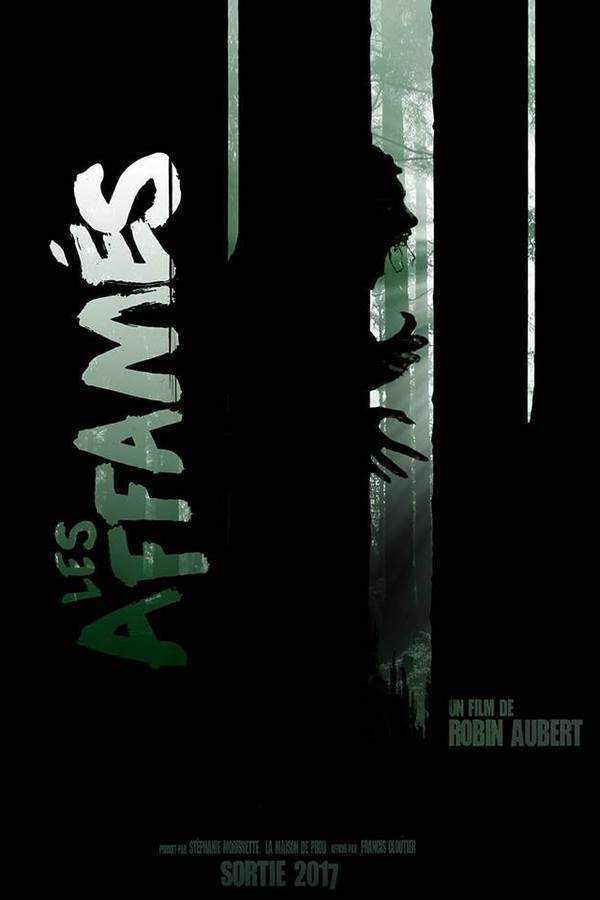
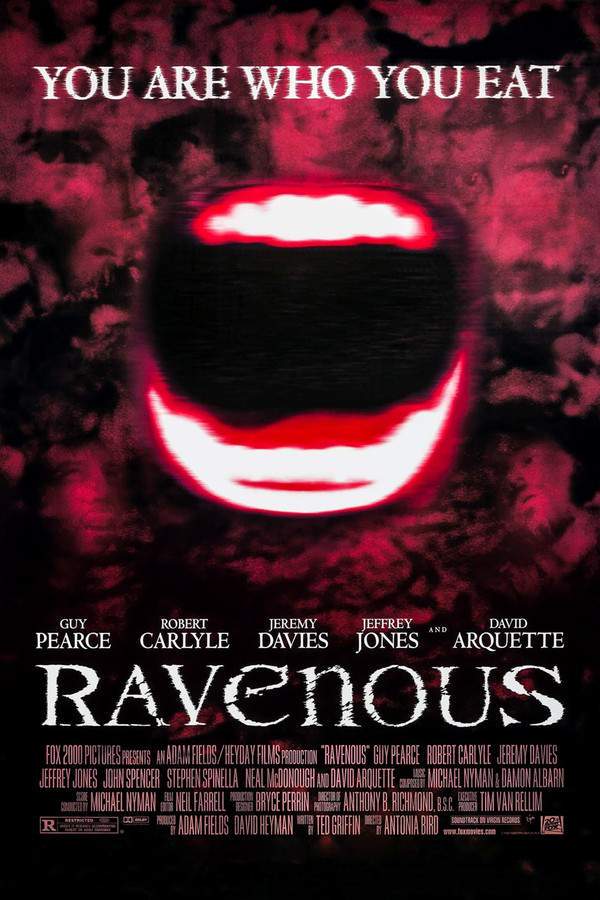
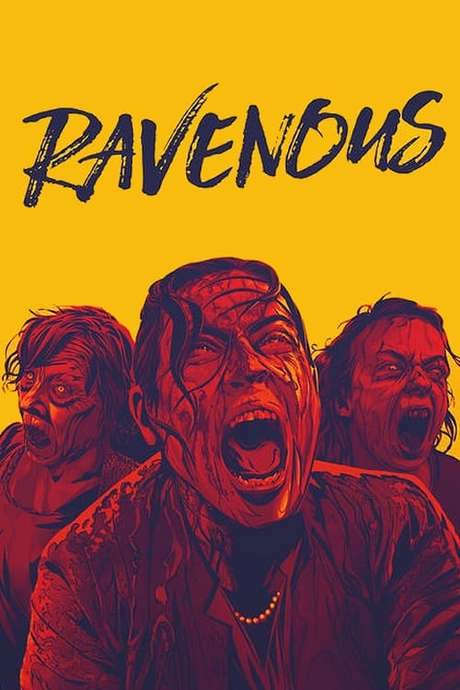
Ravenous (2017) movie poster

Plot Summary

Ravenous (2017) Plot Summary Explained

Release, runtime and language
2017 · 104 mins · French
Directed by
Robin Aubert
Starring
Brigitte Poupart, Didier Lucien, Luc Proulx, Micheline Lanctôt, Monia Chokri, Robert Brouillette

In a remote Quebec community, a terrifying phenomenon grips the residents, driving them to attack each other with a horrifying hunger for human flesh. A small group of survivors desperately flees into the dense forest, hoping to escape the escalating violence and uncover the source of this disturbing crisis. Their fight for survival becomes a desperate race against a ravenous threat.

On this page (5)
  1. 1 What happens: full plot
  2. 2 Plot questions answered
  3. 3 Movie threads
  4. 4 Movies like Ravenous
  5. 5 Every angle

Full plot summary · contains spoilers

What Happens in Ravenous: Full Plot Summary

The whole story of Ravenous (2017) explained, from the opening scene to the final frame: every key event, every twist and what it all adds up to. Read it as a quick recap before the sequel, to check a scene you missed, or to finally understand what really happened.

In the wake of a zombie-like outbreak, rural Quebec lies emptied and broken, with only a scattered handful of survivors navigating a world that has collapsed around them. Bonin, Marc-André Grondin, and his friend Vézina, Didier Lucien, patrol the countryside with shotguns in hand, trading doctor-themed jokes as they pick their way through the aftermath. When danger suddenly closes in, Vézina is drawn into the forest, surrounded, and overpowered by the infected.

A lone survivor, Céline, Brigitte Poupart, drives through the wreckage and hacks at the undead with a machete, her resolve steady as the world upends around her. She wanders onto the property of two elderly women, Thérèse, Marie-Ginette Guay, and Pauline, Micheline Lanctôt, who confront her with a chilling test: strip to ensure she hasn’t been bitten. When they see Céline is clean, they take her in, offering a fragile shelter amid the chaos.

Bonin eventually meets Tania, Monia Chokri, a young woman marked by a bite who swears the injury came from a dog, not the infection. Though she starts out tied for safety, Bonin frees her and drives her away, and they also pull in a little girl, Zoé, Charlotte St-Martin. Bonin discovers infected crowds around a field, clustered over a pile of found objects they have arranged into a strange, ritualistic display—an eerie sign of how people cope with fear.

The trio, along with Zoé, returns to Thérèse and Pauline’s house, and they realize the residence sits squarely on the infected’s invasion path. As the swarm closes in, the group flees and fatefully encounters two more survivors: Réal, Luc Proulx, a former insurance agent, and Ti-Cul, Édouard Tremblay-Grenier, a young man armed with a rifle. The newly formed alliance seeks refuge in a cabin, where they uncover a note from an anonymous survivor warning others to stay away from town and claiming to be seeking other survivors on Route 113.

Tragedy erupts inside when Pauline is bitten and Thérèse shoots her to prevent a worse fate. Réal, bitten earlier, turns and bites Ti-Cul, and Céline does what she must, dispatching Réal and then Ti-Cul before they can turn. With the infected closing in, Thérèse stays behind to give Bonin a chance to escape with Zoé, and she herself is killed.

The surviving group fights to hold the line as the swarm overruns the cabin. Céline joins the struggle, while Bonin makes a desperate choice to lure the infected away. He entrusts Zoé to Tania and leads the horde away, as Tania hides Zoé in a tunnel and urges her to stay strong, telling her she is the strongest. Tania vanishes into the chaos, and Zoé finally staggers forward toward Route 113, her path clear but uncertain.

On the road, Zoé is picked up by a survivor in a racecar—an image that echoes back to the film’s opening—after she warns him not to continue down the road.

The story closes with a post-credits moment: the newly zombified Bonin and Tania stand before a tower of stacked chairs, a parrot perched atop, a haunting symbol of the strange new order born from the ruins.
Last updated: October 09, 2025 at 15:59

Was this helpful?

Plot questions answered

Ravenous Plot Explained: Your Questions Answered

The questions people ask most about Ravenous (2017): what happens in the confusing scenes, why the characters do what they do, the twists, hidden details and what the ending means. Each answer contains spoilers.

Q1

Why do Thérèse and Pauline make Céline strip?

They force Céline to strip to check for bite marks, which is how the infection spreads. The women live alone in their isolated house and have developed this harsh protocol to protect themselves from unknowingly welcoming an infected person into their home. Finding no bites, they allow Céline inside.

  • bite marks
  • infection check
  • thérèse
  • pauline
  • céline
  • survivors protocol
Q2

Why are the infected gathering around stacked objects in the field?

The infected have arranged found objects into a strange ritualistic display, suggesting they retain some human behavior or are drawn to symbolic patterns even after turning. This scene indicates the outbreak has created a new, eerie social order among the undead, hinting at deeper symbolism about how people cope with fear.

Foreshadowing: The post-credits scene with the chair tower reinforces this ritualistic behavior continuing after death.

  • ritual
  • infected behavior
  • field display
  • objects
  • undead custom
Q3

Why does Tania claim her bite came from a dog?

Tania tells Bonin she was bitten by a dog to avoid being killed or tied up like other potential carriers. The infection spreads through human bites, so she creates a plausible alternative story. Bonin ultimately decides to trust her and frees her, though the film never confirms whether she was telling the truth.

  • tania
  • bite mark
  • dog bite
  • trust
  • survivor
Q4

How was Réal already bitten before reaching the cabin?

Réal was bitten earlier during the chaos of the outbreak but hadn't shown symptoms yet. The film establishes that turning isn't immediate, it takes time for the infection to take hold. By the time they reach the cabin, Réal feels the change coming and turns, biting Ti-Cul before Céline kills them both.

Foreshadowing: Pauline's bite and subsequent turning earlier in the cabin establishes the delayed infection timeline.

  • réal
  • bite
  • turning
  • infection timeline
  • ti-cul
Q5

Why does Thérèse shoot Pauline instead of waiting for her to turn?

Thérèse shoots Pauline immediately after she gets bitten to prevent her from becoming one of the infected and potentially attacking the others inside the cramped cabin. The group has already seen what happens when someone turns, they become violent immediately. Thérèse makes a quick, mercy killing to spare Pauline a worse fate and protect the remaining survivors.

  • thérèse
  • pauline
  • bite
  • mercy killing
  • cabin
  • sacrifice
Q6

Why does Bonin decide to lead the infected away from the group?

With the cabin overrun and no safe escape route, Bonin makes a desperate choice to draw the horde away from Zoé, Tania, and Céline. He knows Zoé is the most vulnerable and has the best chance if the others can get her to safety. His sacrifice gives them time to hide in the tunnel and for Zoé to reach Route 113.

Foreshadowing: The post-credits scene shows Bonin has turned, implying his sacrifice ultimately led to his death.

  • bonin
  • sacrifice
  • infected
  • zoé
  • escape
  • diversion
Q7

What happens to Tania at the end?

After hiding Zoé in the tunnel and telling the girl she is the strongest, Tania runs into the chaos to draw attention away from Zoé's hiding spot. She disappears into the swarm. The post-credits scene reveals she has become one of the infected, standing with Bonin in front of the chair tower.

  • tania
  • fate
  • infected
  • zoé
  • tunnel
  • disappearance
Q8

What does the post-credits scene with the chair tower and parrot mean?

The final image shows zombified Bonin and Tania standing before a towering stack of chairs with a parrot perched on top. This visual mirrors the infected's ritualistic behavior in the field and suggests a strange new civilization has emerged among the undead. The chairs represent the remnants of human society rebuilt in the infected's twisted image, while the parrot hints at lingering memory or instinct.

  • post-credits
  • chair tower
  • parrot
  • bonin
  • tania
  • ending
  • symbolism
  • ritual
Q9

Why does the film open and close with a racecar?

The film opens with a shot of a racecar driving through the Quebec countryside, and Zoé is picked up by a survivor in a racecar at the end. This cyclical imagery suggests that despite the apocalypse, life continues in strange forms. The racecar represents both the normal world that existed before and a possible return to some form of routine, though the world has fundamentally changed.

Foreshadowing: The closing racecar pickup directly echoes the opening, creating a循环 structure.

  • racecar
  • opening
  • ending
  • cycle
  • zoé
  • symbolism
  • return
Q10

What is the significance of the note about Route 113?

A note left in the cabin warns survivors to stay away from town and mentions someone is searching for other survivors on Route 113. This note serves as a beacon of hope, suggesting other groups may have survived. Zoé ultimately follows this path, walking toward Route 113 where she is rescued, confirming the route leads to safety.

Foreshadowing: Zoé's rescue on Route 113 validates the note's message about finding survivors.

  • route 113
  • note
  • cabin
  • survivors
  • rescue
  • hope
  • zoé

Movie threads

More Movies Like Ravenous, by Mood & Story

Curated lists built around what makes Ravenous tick: the same mood, the same kind of story or the same emotional payoff. Each list explains why these movies belong together.

Bleak Apocalyptic Survival Movies like Ravenous

Desperate fights for survival in a hopeless, collapsed world. If the desperate, high-stakes survival horror of Ravenous gripped you, explore more movies like it. This section features films with fast-paced, hopeless narratives where characters face insurmountable threats in a collapsed society, leading to bleak and harrowing conclusions.

  • desperate
  • harrowing
  • oppressive
  • chaotic
  • gritty
  • futile
  • Tone: dark, bleak, desperate
  • Pacing: fast, relentless
Why these movies?

The story pattern: Narratives in this thread typically follow a group of survivors who are immediately thrust into a catastrophic event. The plot is a linear, downward spiral of escalating threats and dwindling resources. Character journeys are less about growth and more about the brutal erosion of humanity as they are forced to make horrifying choices simply to live another day, often culminating in a futile or tragic ending.

Why they belong together: These movies are grouped by their shared atmosphere of utter hopelessness and high-intensity survival scenarios. They feature a fast, relentless pace, a consistently dark tone, and a narrative commitment to the grim reality that some disasters offer no escape, only a desperate, final struggle.

Movies about Hopeless Infection like Ravenous

Stories where the real horror is the inevitable loss of self. For viewers who found the psychological horror of infection in Ravenous compelling. This list features similar stories where a virus or parasite turns people into monsters, focusing on the emotional weight of loss and the grim necessity of euthanizing the infected.

  • claustrophobic
  • tragic
  • paranoid
  • body horror
  • moral dilemma
  • grief
  • Tone: dark, tragic, harrowing
  • Pacing: steady, building dread
Why these movies?

The story pattern: The narrative pattern revolves around a close-knit group confronting a pathogen that destroys identity and humanity. The plot is a tragedy of proximity, where the enemy is within. Key beats include the first signs of infection, the painful secrecy and denial, the agonizing decision to kill a friend or family member to save others or spare them a worse fate, and the ultimate theme that survival may come at the cost of one's own soul.

Why they belong together: These films are united by their focus on infection as a deeply personal and psychological horror. They share a heavy emotional weight derived from betrayal, loss, and moral compromise. The tone is consistently dark, exploring the collapse of humanity on an individual level amidst a broader societal breakdown.

If you liked this

Movies Like Ravenous

Similar movies to Ravenous: the same genre, themes or kind of story. Each one comes with its own plot summary, timeline and ending explained.

Browse all movie summaries

Every angle

Ravenous (2017) Explained: Plot, Timeline & Characters

Everything about Ravenous in one place: what happens in the plot summary, the timeline in chronological order, the characters and meaning and a spoiler-free summary. What's After the Movie adds the cast, box office and post-credit scenes.

Coming soon on iOS and Android

The Plot Explained Movie Summary App

Plot summaries, endings explained and timelines on your phone. Catch up on any movie in minutes, save your favorites and never miss a twist again.

Be the first to know when we launch. Your email stays private, always.

Learn more about the app