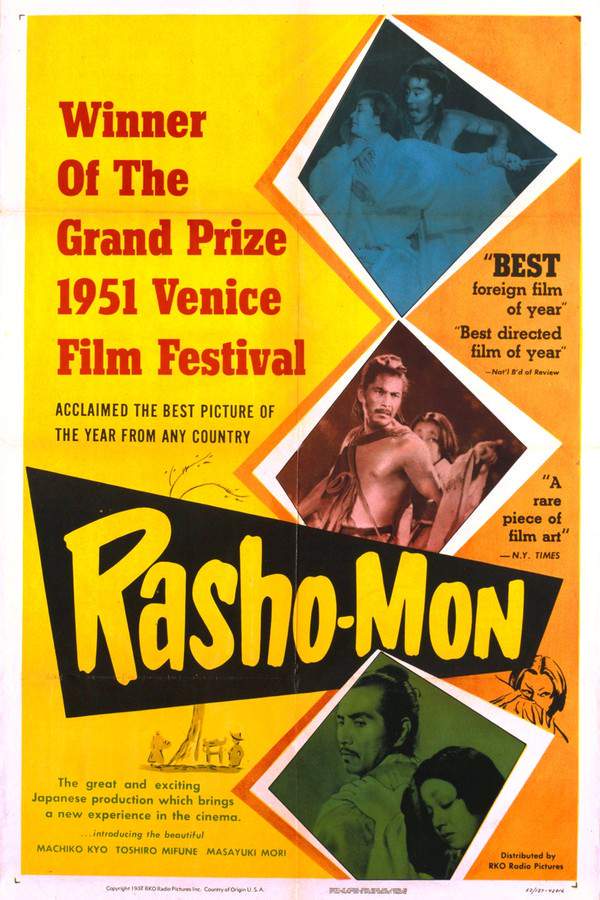
Year: 1951
Runtime: 88 min
Language: Japanese
Director: Akira Kurosawa
A samurai's murder in feudal Japan is recounted through four conflicting accounts—the victim's ghost, the samurai's wife, a bandit, and the samurai himself. Each version of events offers a different motive and perspective, raising profound questions about the subjectivity of truth and the fallibility of human memory. The film explores the complexities of morality and the elusive nature of reality, challenging viewers to question what they believe.
Get a spoiler-free look at Rashomon (1951) with a clear plot overview that covers the setting, main characters, and story premise—without revealing key twists or the ending. Perfect for deciding if this film is your next watch.
In the dim, rain‑soaked ruins of a crumbling gate, a woodcutter and a priest seek shelter from the storm, their conversation drifting toward a recent court case that has unsettled the whole town. The setting is feudal Japan, where bamboo groves and misty forests frame a world that feels both timeless and on the brink of change. The gate itself, Rashōmon, looms like a silent witness to the questions of truth that linger in the air, its weathered timbers echoing the uncertainty that grips every passerby.
Around the fire, a curious commoner joins the duo, eager to hear the tangled testimonies that have emerged from the inquiry. As each witness steps forward—among them a samurai, his wife, and a notorious bandit—their recollections clash, revealing starkly different motives and perspectives. The story unfolds through a series of flashbacks, each rendered in the stark black‑and‑white aesthetic that heightens the sense of ambiguity, inviting the audience to question the reliability of memory itself.
The film’s tone balances a meditative melancholy with uneasy tension; the relentless rain acts as a metaphor for the murkiness of human perception, while the occasional shafts of sunlight break through, suggesting moments of fleeting clarity. Characters are drawn with quiet intensity: the woodcutter carries the weight of a humble conscience, the priest wrestles with his faith in humanity, and the bandit exudes a raw, almost animalistic charisma. Their interactions are less about plot mechanics and more about the fragile dynamics of honor, guilt, and the desperate search for a singular truth in a world that offers only fragmented reflections.
By the film’s end, the audience is left with more questions than answers, its lingering sense of moral ambiguity echoing long after the rain stops. The lingering hope that a single act of kindness can pierce the darkness beckons viewers to consider what, if anything, can be trusted when every story is tinted by the storyteller’s own desires.
Last Updated: August 11, 2025 at 07:49
Discover curated groups of movies connected by mood, themes, and story style. Browse collections built around emotion, atmosphere, and narrative focus to easily find films that match what you feel like watching right now.
Stories where truth becomes elusive as conflicting accounts challenge reality.Discover movies like Rashomon that explore the subjectivity of truth. If you enjoyed piecing together the puzzle of contradictory accounts, you'll find similar complex narratives where multiple perspectives challenge what really happened.
The narrative is built around a central event, often a crime or trauma, which is revisited from several character viewpoints. Each retelling adds new information, contradicts previous details, and reveals the self-serving nature of memory. The plot structure is non-linear, forcing the audience to actively engage in interpreting the events.
These films are grouped by their shared structural and thematic focus on the unreliability of perception. They create a unique intellectual and emotional experience centered on doubt, moral ambiguity, and the unsettling realization that reality is constructed.
A slow, heavy exploration of human nature's dark, self-serving instincts.Find movies similar to Rashomon that delve into the bleak and morally complex aspects of human nature. If you appreciated the heavy, philosophical weight and the unsettling examination of deceit and self-preservation, these films offer a comparable experience.
Stories unfold at a deliberate pace, focusing on character psychology over action. The central conflict is often internal or interpersonal, exposing how characters lie, manipulate, and rationalize their actions to survive or protect their ego, leaving the audience in a state of cynical reflection.
They share a dark, heavy tone and a steady pacing that allows for deep psychological exploration. The intensity comes from the emotional and philosophical weight of confronting uncomfortable truths about human nature, rather than from conventional thrills.
Don't stop at just watching — explore Rashomon in full detail. From the complete plot summary and scene-by-scene timeline to character breakdowns, thematic analysis, and a deep dive into the ending — every page helps you truly understand what Rashomon is all about. Plus, discover what's next after the movie.
Read a complete plot summary of Rashomon, including all key story points, character arcs, and turning points. This in-depth recap is ideal for understanding the narrative structure or reviewing what happened in the movie.
Track the full timeline of Rashomon with every major event arranged chronologically. Perfect for decoding non-linear storytelling, flashbacks, or parallel narratives with a clear scene-by-scene breakdown.
Discover the characters, locations, and core themes that shape Rashomon. Get insights into symbolic elements, setting significance, and deeper narrative meaning — ideal for thematic analysis and movie breakdowns.
Visit What's After the Movie to explore more about Rashomon: box office results, cast and crew info, production details, post-credit scenes, and external links — all in one place for movie fans and researchers.
Discover movies like Rashomon that share similar genres, themes, and storytelling elements. Whether you’re drawn to the atmosphere, character arcs, or plot structure, these curated recommendations will help you explore more films you’ll love.
Rashomon (1951) Scene-by-Scene Movie Timeline
Rashomon (1951) Movie Characters, Themes & Settings
Rashomon (1951) Spoiler-Free Summary & Key Flow
Movies Like Rashomon – Similar Titles You’ll Enjoy
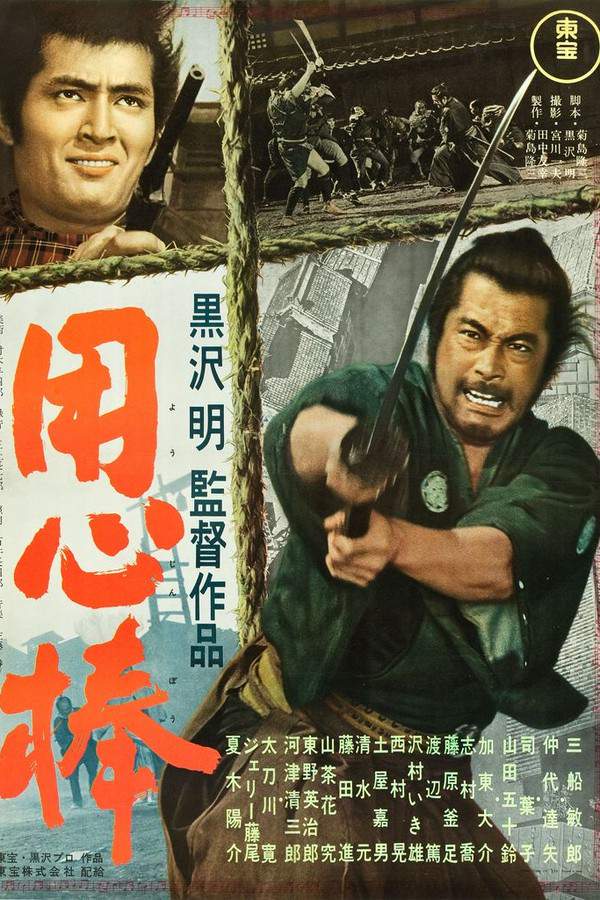
Yojimbo (1961) Film Overview & Timeline
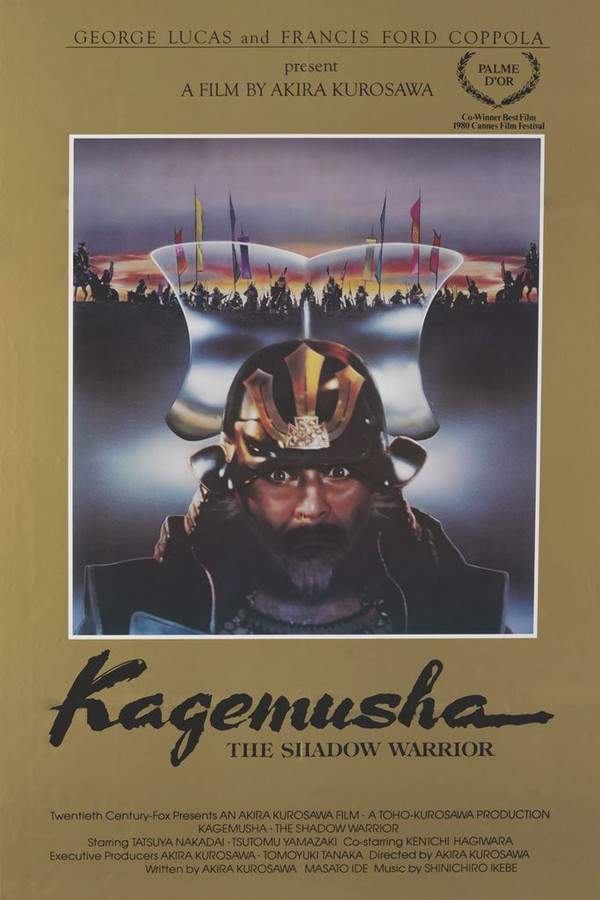
Kagemusha (1980) Complete Plot Breakdown
Harakiri (1964) Full Movie Breakdown
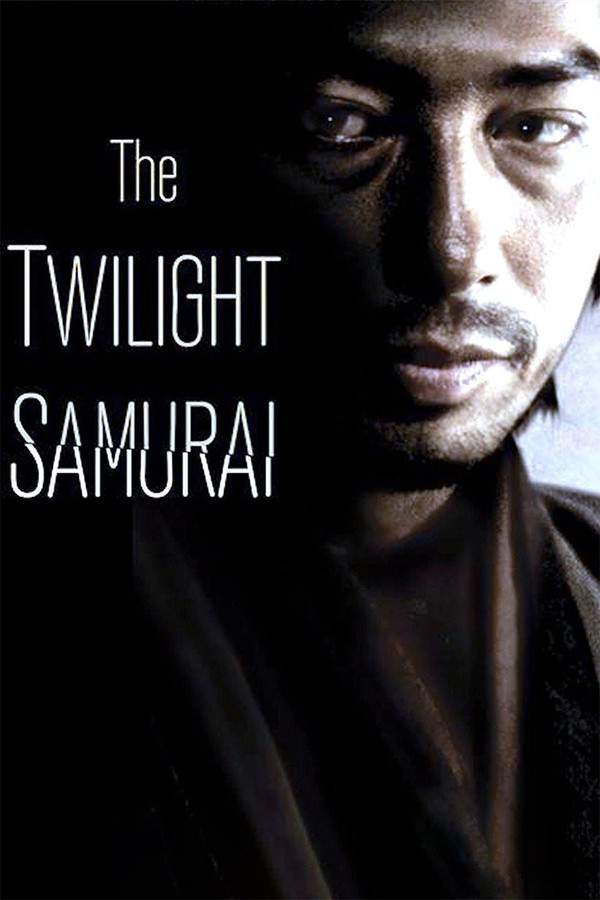
The Twilight Samurai (2004) Spoiler-Packed Plot Recap
47 Ronin (2013) Full Movie Breakdown
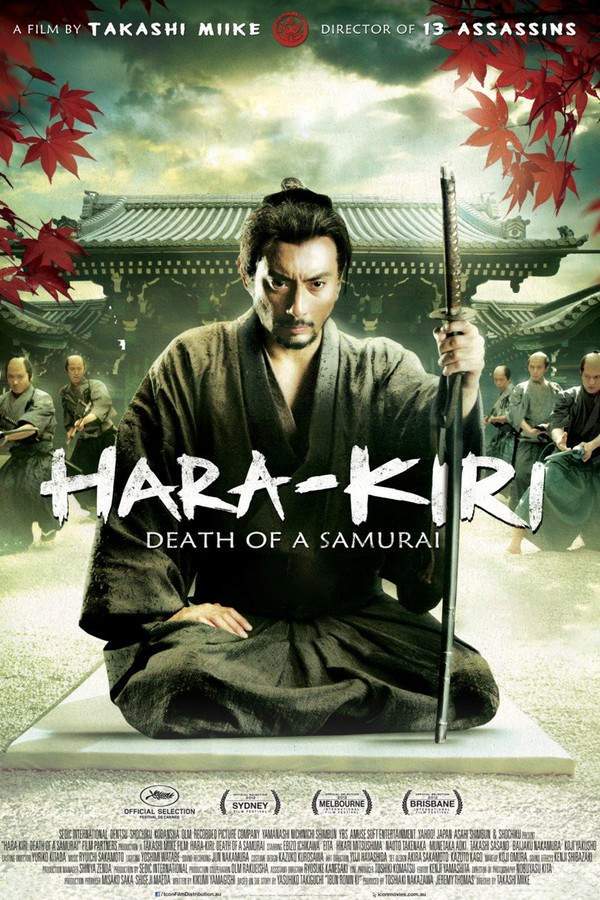
Hara-Kiri: Death of a Samurai (2012) Detailed Story Recap
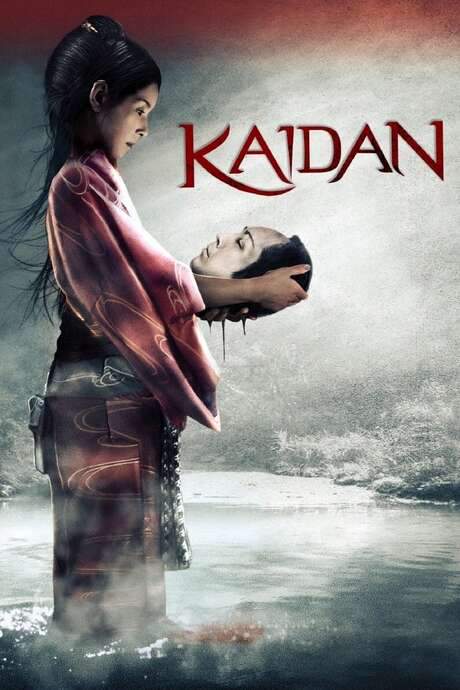
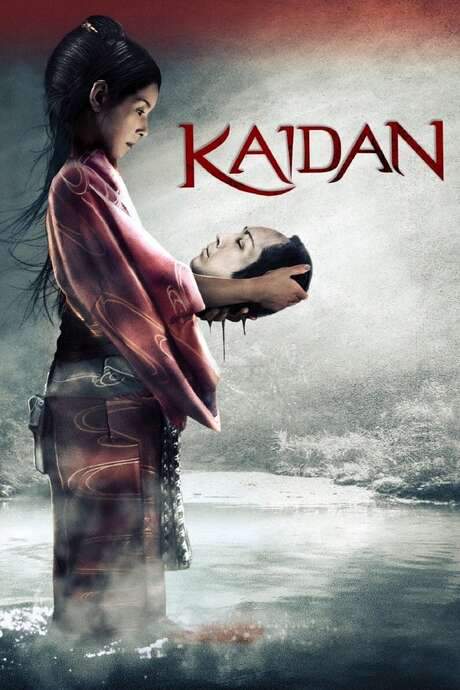
Kaidan (2007) Film Overview & Timeline
Kaidan (2007) Spoiler-Packed Plot Recap
Bushido: The Cruel Code of the Samurai (1963) Ending Explained & Film Insights
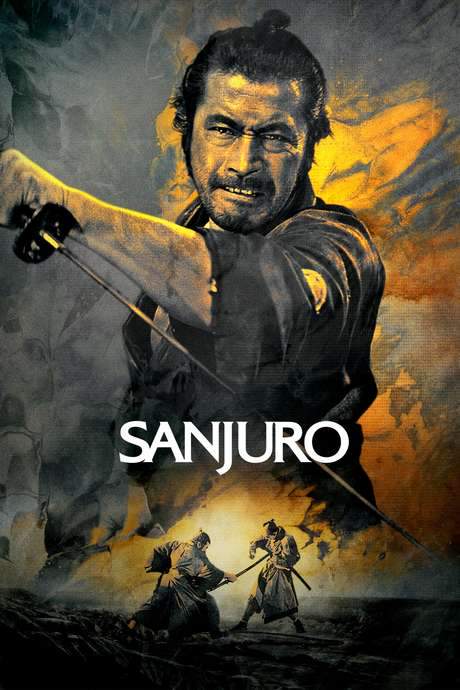
Sanjuro (1962) Detailed Story Recap
Throne of Blood (1957) Detailed Story Recap
Crest of Betrayal (1994) Movie Recap & Themes
Kwaidan (1964) Movie Recap & Themes
Misty (1997) Ending Explained & Film Insights
Tajomaru: Avenging Blade (2009) Spoiler-Packed Plot Recap