Gulab Mughal, the son of an honest police officer, finds himself disillusioned by a path that doesn't lead to happiness. He observes the pervasive idea of using money to achieve goals, a practice that fuels the ambitions of activist Jia, who has dangerous plans involving illicit funds within the country. The story explores the complexities of morality and the temptations of power in a society grappling with corruption.
Warning: spoilers below!
Haven’t seen Quaid-e-Azam Zindabad yet? This summary contains major spoilers. Bookmark the page, watch the movie, and come back for the full breakdown. If you're ready, scroll on and relive the story!
Read the complete plot breakdown of Quaid-e-Azam Zindabad (2022), including all key story events, major twists, and the ending explained in detail. Discover what really happened, and what it all means.
In the chaotic streets of Karachi, Gulab Mughal works as an inspector whose sense of duty is tangled with personal gain. He asks the D.I.G. Babar to stall his own promotion so he can keep collecting bribes under the shadow of Rana, a powerful politician who even keeps a lion on his private property. The arrangement keeps him comfortable, but it also ties him to a world where integrity is a slipping scale.
During a routine patrol, he crosses paths with Jia, a woman whose phone was snatched while she was rescuing pets. He recovers her cellphone and, struck by her, begins to court her by offering an array of animals for her shelter in an attempt to grow closer. Yet his charm soon seems hollow; he doesn’t seem truly interested in caring for the animals, and his obsession even unsettles her pet hamster, highlighting a growing imbalance between his intentions and his actions.
Gulab’s grip on power deepens as he continues to pressure petty peddlers and threaten those who stand in the way of VIPs who have already paid large bribes. Much of the bribe money is stored in a secret locker at Rana’s place, with Gulab himself keeping a portion for his own use. The system relies on silence and fear, and the line between enforcement and exploitation grows increasingly blurred.
Munir, Gulab’s father, discovers the hidden stash at his son’s house and dies in sorrow, a painful reminder of a lesson about Muhammad Ali Jinnah that he had once tried to impart. His death underscores a deeper fracture: Gulab’s devotion to corrupt practices has eclipsed the values of his upbringing. The absence of Jinnah’s image on Pakistani currency begins to haunt their circle, and Munir’s assistant, Ronaq, notices the missing emblem and connects it to the uncertain loyalties that now govern their earnings, marking the notes as counterfeit in a way that shakes the city’s trust.
When Jia learns of Gulab’s misdeeds, she grows angry, and Gulab experiences a rare moment of clarity. He attempts to make amends by returning the stolen money along with apology notes, following a list created by his team. He publicly disciplines an officer who mistreated a peddler, a move that sparks controversy and tests his allies’ support. In a dramatic bid to repair the relationship with the public and with the memory of Jinnah, he suggests that his superiors—Babar and Rana—seek an apology at Mazar-e-Quaid. Rana rejects the idea and pushes for a political maneuver: either removing Jinnah’s picture from currency notes or switching to US dollars. This act triggers widespread protests, with Jia leading the movement against the notion of keeping a lion on Rana’s private property and the broader symbolism of the money in play.
Gulab’s pursuit of accountability continues as he attempts to obtain warrants against Rana, only to end up breaking into Rana’s enclave after Jia’s complaint. The police seize the lion and relocate it to the jungle, a symbolic win for those fighting for dignity over spectacle. Rana, fighting to escape accountability, sets fire to his own house and alerts Babar. Yet Gulab recovers all the bribe money from Rana’s private jet and, under Babar’s directive, uses it to flash a message of relief to ordinary citizens—money cast down like confetti to illustrate a city that can still be moved by generosity and justice. The dramatic culmination sees Gulab and the jet meet a tragic end off Clifton Beach, Karachi, as Rana is arrested and Gulab makes a final, unequivocal moment to confront corruption.
After the dust settles and the case is resolved, the image of Jinnah reappears on Gulab’s salary, a symbol that the Father of the Nation’s ideals might be reflected again in his work. Believing that his father Munir and Jinnah themselves would be pleased, Gulab accepts the long-sought promotion. In a quiet, hopeful note, he and Jia confess their feelings and talk about a future together, signaling a chance for a life where love and justice can coexist with duty.
Last updated: October 01, 2025 at 10:22
Explore frequently asked questions about Quaid-e-Azam Zindabad (2022) with spoiler-rich answers covering the full plot summary, major story beats, character motivations, hidden details, and ending meaning. This movie summary FAQ helps explain confusing scenes, plot twists, and narrative decisions in clear, searchable detail.
Gulab asks D.I.G. Babar to stall his promotion so he can continue collecting bribes under Rana's protection. He prefers staying in his current position because it allows him to profit from corrupt dealings rather than take on higher responsibilities that might limit his income.
Earlier, Gulab is shown comfortable with his arrangement with Rana, choosing bribes over career advancement.
Munir discovers the hidden bribe money at Gulab's house and dies in sorrow. He had taught Gulab to respect Muhammad Ali Jinnah twenty years earlier, and seeing his son involved in corruption devastates him. The death represents the moral cost of Gulab's choices.
Munir's earlier lessons about Jinnah's ideals foreshadow his reaction to discovering his son's corruption.
Jinnah's portrait starts disappearing from rupee notes because the bribe money is considered "Haram" (illicit). When Gulab's team examines the notes tied to Babar and Rana, they find the portraits missing, symbolizing how corruption has tainted the nation's values and currency.
Earlier mentions of "Haram income" and the contrast between honest policing and corrupt gains set up this symbolic event.
Gulab decides to change after Jia confronts him about his corrupt practices. Her anger and disappointment prompt him to return the stolen money with apology notes and publicly discipline an officer who mistreated a peddler, marking his transformation from corrupt to accountable.
Gulab's initial attraction to Jia and his attempts to impress her hint at his capacity for change.
Protests erupt when Rana proposes removing Jinnah's portrait from currency or switching to US dollars. Additionally, activists led by Jia protest the lion being kept on Rana's private property. These actions symbolize the fight between corrupt power and national identity.
Earlier tension between keeping Jinnah's ideals alive versus exploiting the system sets up this public backlash.
After Jia files a complaint, Gulab breaks into Rana's estate and the police seize the lion. The animal is relocated to the jungle, representing a symbolic victory for dignity and justice over spectacle and abuse of power.
The lion's presence throughout the film symbolizes Rana's unchecked power and corruption.
Gulab recovers all the bribe money from Rana's private jet and, following Babar's orders, distributes it to ordinary citizens. The money rains down like confetti to symbolize relief and justice reaching the people, showing how corrupt wealth can be transformed into public benefit.
Earlier scenes establish the massive scale of bribe money accumulated through Rana's network.
Gulab appears to drown with the jet at Clifton Beach but is revived. He survives the crash, confronts Rana, and slaps him before Rana is arrested. The dramatic ending confirms Gulab's transformation and commitment to fighting corruption.
Earlier foreshadowing of Gulab's potential sacrifice builds tension toward this moment.
After the corruption case is resolved, Jinnah's portrait reappears on Gulab's salary, symbolizing that his reform has restored integrity to his work. Gulab believes his father Munir and Jinnah would be pleased with his redemption.
The earlier disappearance of Jinnah's portrait marked the depth of Gulab's corruption; its return marks his redemption.
Gulab starts gifting animals to Jia as a way to court her, since he was drawn to her when he recovered her phone. However, his obsession becomes unsettling, he struggles to care for the animals properly and even loses track of her pet hamster, showing the imbalance between his intentions and genuine behavior.
This early romance subplot hints at Gulab's capacity for both attraction to goodness and superficial approaches to relationships.
Rana sets fire to his house as part of an escape attempt when Gulab closes in on him. The fire serves as a distraction to alert Babar and allow Rana to flee, but the plan fails as Gulab recovers the money from Rana's jet instead.
Rana's desperation to escape accountability grows as Gulab's investigation intensifies.
Gulab's slap on Rana at Clifton Beach represents the culmination of his transformation, a final, unequivocal rejection of corruption. It's a personal moment of justice where Gulab decisively confronts the man who symbolized his former moral compromise.
Gulab's earlier submission to Rana's power makes this final confrontation symbolically powerful.
Discover curated groups of movies connected by mood, themes, and story style. Browse collections built around emotion, atmosphere, and narrative focus to easily find films that match what you feel like watching right now.
Powerful figures confront their corruption to find a path back to goodness.If you enjoyed the powerful redemption arc in Quaid-e-Azam Zindabad, you'll find similar stories here. This collection features movies where morally compromised authority figures, such as corrupt cops or officials, undergo a dramatic transformation to fight for justice and atone for their past, blending intense action with a hopeful and cathartic conclusion.
Stories in this thread typically begin with a protagonist who is successful but ethically bankrupt. A significant event—often a personal loss or a direct confrontation with the consequences of their actions—shatters their worldview. This triggers a risky, against-the-odds quest for redemption that involves dismantling the very corrupt systems they once benefited from, culminating in a public and personal victory.
These movies are grouped together because they share a specific character arc: the fall and rise of a powerful anti-hero. They combine the tension of high-stakes conflict with the emotional satisfaction of a hopeful, morally clear resolution, creating a cathartic experience for viewers who enjoy stories about second chances and fighting systemic corruption from within.
Fast-paced thrills and laughs that tackle serious issues like corruption and justice.For viewers who liked the mix of high-octane action, comedy, and social commentary in Quaid-e-Azam Zindabad, this section collects similar films. These movies use fast-paced plots and humorous moments to explore serious topics like political corruption and moral conflict, delivering an engaging and hopeful watch that doesn't feel overly heavy.
The narrative pattern involves a central conflict rooted in a real-world social ill, which drives the plot forward at a brisk pace. Comedy is often derived from character interactions, satirical situations, or the absurdity of the corrupt system itself. While the subject matter is serious, the tone remains hopeful, and the resolution typically affirms the possibility of positive change, making the serious themes accessible through an entertaining format.
These films are grouped because they master a specific tonal balance. They provide the entertainment value of an action-comedy—thrills and laughs—while also giving the story substance by engaging with meaningful societal issues. This creates a unique vibe that is both thought-provoking and highly enjoyable, appealing to viewers who want more than just spectacle from their action movies.
Don't stop at just watching - explore Quaid-e-Azam Zindabad in full detail. From the complete plot summary and scene-by-scene timeline to character breakdowns, thematic analysis, and a deep dive into the ending - every page helps you truly understand what Quaid-e-Azam Zindabad is all about. Plus, discover what's next after the movie.
Track the full timeline of Quaid-e-Azam Zindabad with every major event arranged chronologically. Perfect for decoding non-linear storytelling, flashbacks, or parallel narratives with a clear scene-by-scene breakdown.
Discover the characters, locations, and core themes that shape Quaid-e-Azam Zindabad. Get insights into symbolic elements, setting significance, and deeper narrative meaning - ideal for thematic analysis and movie breakdowns.
Discover movies like Quaid-e-Azam Zindabad that share similar genres, themes, and storytelling elements. Whether you’re drawn to the atmosphere, character arcs, or plot structure, these curated recommendations will help you explore more films you’ll love.
Quaid-e-Azam Zindabad (2022) Scene-by-Scene Movie Timeline
Quaid-e-Azam Zindabad (2022) Movie Characters, Themes & Settings
Quaid-e-Azam Zindabad (2022) Spoiler-Free Summary & Key Flow
Movies Like Quaid-e-Azam Zindabad – Similar Titles You’ll Enjoy
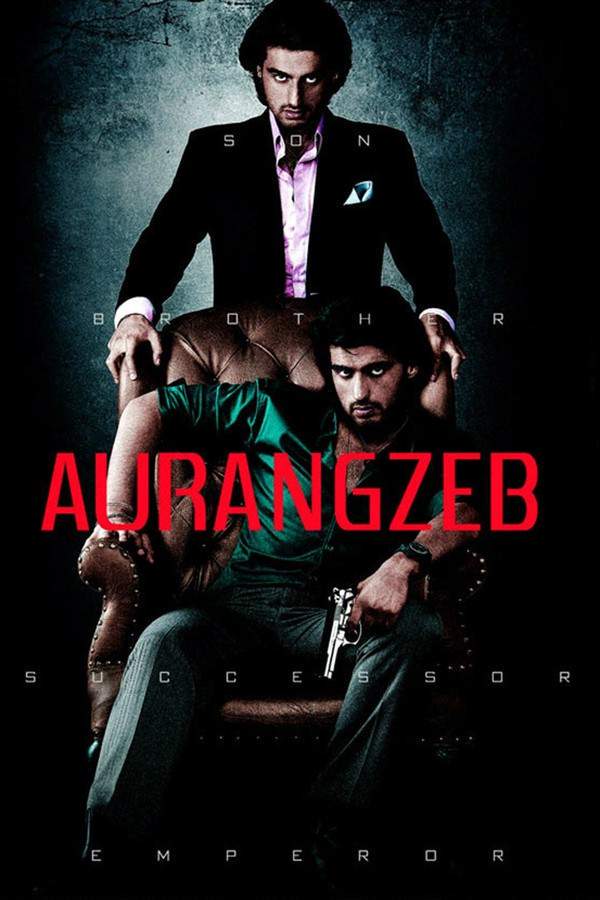
Aurangzeb (2013) Ending Explained & Film Insights
Indian (2001) Movie Recap & Themes
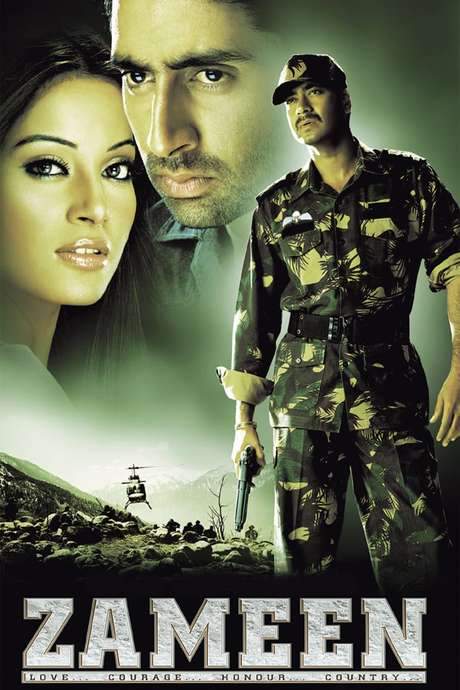
Zameen (2003) Full Summary & Key Details
C.I.D. Moosa (2003) Complete Plot Breakdown
Qayamat: City Under Threat (2003) Spoiler-Packed Plot Recap
Qurbani (1980) Ending Explained & Film Insights
Coolie (1983) Story Summary & Characters
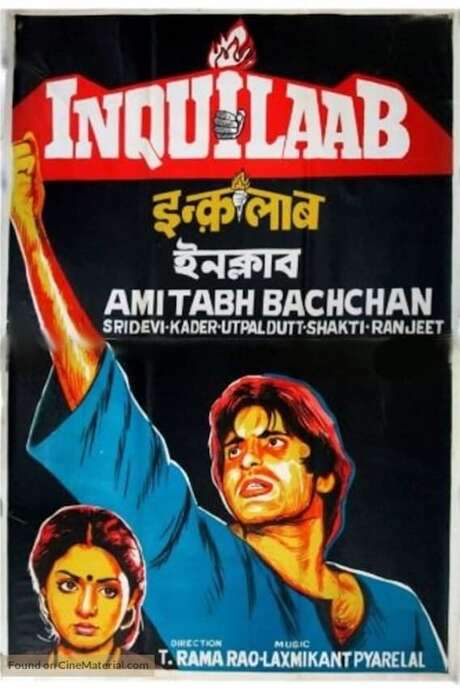
Inquilaab (1984) Plot Summary & Ending Explained
Ghulami (1985) Plot Summary & Ending Explained
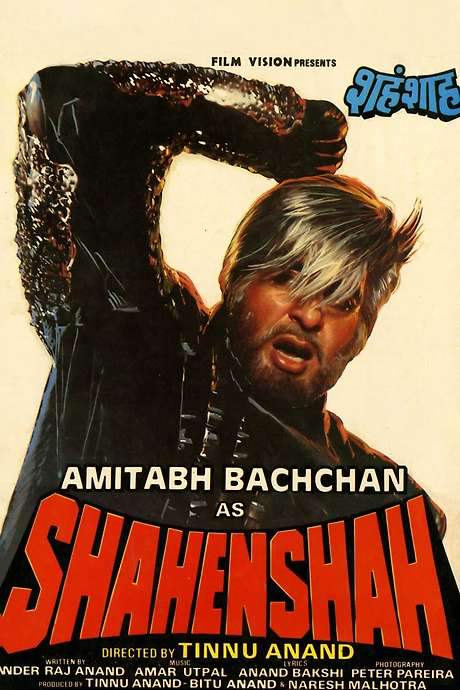
Shahenshah (1988) Ending Explained & Film Insights
Kabzaa (1988) Detailed Story Recap
Tezaab (1988) Spoiler-Packed Plot Recap
Do Qaidi (1989) Movie Recap & Themes
Khuddar (1994) Full Movie Breakdown
Muqaddar Ka Sikandar (1978) Complete Plot Breakdown