Plot Explained Spoilers guaranteed!
Plot Explained

Browse by genre

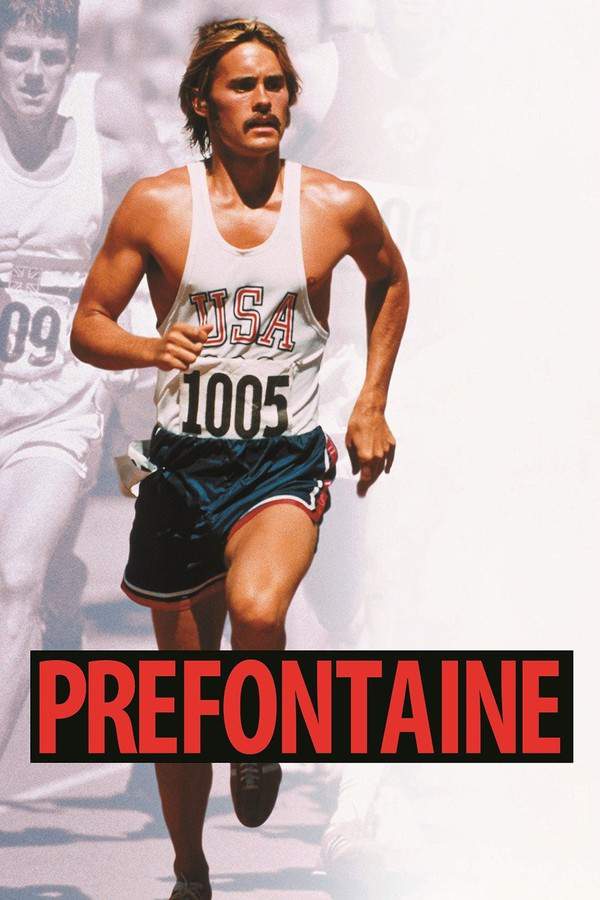
Prefontaine (1997) movie poster

Timeline

Prefontaine (1997) Timeline Explained – Every Event in Order

Release, runtime and language
1997 · 106 min · English
Loading streaming availability…
Directed by
Steve James
Starring
Jared Leto, R. Lee Ermey
Budget
$8M

This biopic tells the story of Steve Prefontaine, a gifted and often troubled track and field star. The film explores his intense focus on running, his struggles with fame, and his commitment to social activism. Through his relentless pursuit of excellence and dedication to his principles, Prefontaine leaves a powerful and enduring legacy, despite his untimely death in 1975.

On this page (6)
  1. 1 Where to watch
  2. 2 Events in order (12)
  3. 3 Timeline questions answered
  4. 4 Movie threads
  5. 5 Movies like Prefontaine
  6. 6 Every angle
Loading streaming availability…

12 events in order · contains spoilers

Prefontaine Timeline: Events in Chronological Order

Every key event of Prefontaine (1997) in order, scene by scene, with when and where it takes place. Use it to untangle flashbacks, time jumps and parallel storylines, to refresh your memory before the sequel or to find the exact scene you are thinking of.

  1. Enters University of Oregon and begins training

    In 1969, Prefontaine enrolls at the University of Oregon and begins training under coaches Bill Bowerman and Bill Dellinger. He also meets fellow Ducks Pat Tyson and Mac Wilkins, marking the start of his college track career.

    When
    1969
    Where
    Eugene, Oregon
  2. Gains fame as an aggressive front-runner

    During his college years, Prefontaine becomes known for his fearless front-running style, often taking the lead from the start. This bold approach earns him rapid fame and the attention of fans and rivals alike.

    When
    1969-1972
    Where
    Eugene, Oregon
  3. Wins national cross-country championships

    With Bowerman and Dellinger guiding him, Prefontaine wins three national cross-country championships. These victories establish him as the premier American distance runner of his era.

    When
    1969-1972
    Where
    United States
  4. Sets US 5,000m mark in college years

    He also achieves four consecutive 5,000-meter performances, breaking the U.S. record in the event. These runs solidify his place among the top American middle- and long-distance runners.

    When
    1969-1972
    Where
    United States
  5. Travels to Munich for the 1972 Olympics and witnesses the Munich Massacre

    Prefontaine travels with other top American runners, including Frank Shorter and Jeff Galloway, to the 1972 Munich Olympics. They witness the terrorist attacks that interrupt the games, later known as the Munich Massacre.

    When
    1972
    Where
    Munich, Germany
  6. Munich 5,000m final: leads but falls short

    In the 5,000-meter final, Prefontaine leads with 150 meters to go, but three different runners pass him and he does not medal. Lasse Viren wins the gold for Finland.

    When
    1972
    Where
    Munich, Germany
  7. Prepares for a rematch with Viren at the 1976 Olympics

    After his college career, Prefontaine aims for a rematch with Viren at the 1976 Montreal Olympics, continuing to train for world-class competition. He remains motivated by the goal of competing against the best runners.

    When
    Mid-1970s
    Where
    Montreal, Canada
  8. Amateurism rules force him to stay amateur; bartender job and activist

    American amateurism rules prevent Prefontaine from turning professional, so he works as a bartender while living in a trailer. He also becomes an activist, advocating for changes to help American athletes compete more effectively.

    When
    Early to mid-1970s
    Where
    Oregon, United States
  9. May 30, 1975: death in a car crash

    On May 30, 1975, after drinking alcohol at a post-meet party, Prefontaine is killed when his MG convertible flips while he is driving. His death shocks the running community and the broader sports world.

    When
    May 30, 1975
    Where
    Coos Bay, Oregon
  10. Amateur Sports Act of 1978

    The Amateur Sports Act of 1978 is enacted, giving athletes more control over their sports' governance and a stronger voice in how competitions are organized. The act marks a significant shift in American sports policy.

    When
    1978
    Where
    United States
  11. Legacy as a symbol of athlete activism

    Prefontaine's life becomes a touchstone for discussions about amateurism and athlete empowerment. His persistence and advocacy influence attitudes toward how athletes are funded, supported, and governed.

    When
    1970s
    Where
    United States
  12. Long-term impact on running culture and policy

    The issues raised by Prefontaine's career—the drive to compete at the highest level and the push for athlete governance—linger in track culture and policy discussions long after his death.

    When
    Late 1970s onwards
    Where
    United States

Last updated: February 17, 2026 at 19:58

Was this helpful?

Timeline questions answered

Prefontaine Timeline Explained: Your Questions Answered

When does it happen, and why in that order? The questions people ask about the chronology of Prefontaine (1997): time jumps, flashbacks, cause and effect between scenes and the correct order of events, each answered with spoilers.

Q1

Why was Prefontaine's front-running style unusual for distance running?

Prefontaine's front-running approach was revolutionary because distance runners traditionally Conserv energy by staying with the pack and making a late surge. Prefontaine preferred to lead from the start and push the pace, forcing competitors to chase him. This aggressive tactic was rarely seen in college races and made him both famous and feared, he was willing to take risks that other runners considered tactically foolish, which often paid off in victories but also contributed to his later races being more strategically challenging.

Foreshadowing: Earlier in his college career, his coaches recognized his unique ability to maintain fast paces throughout races, setting the foundation for his signature style.

  • front-running
  • distance running
  • track race strategy
  • college athletics
Q2

Why did Prefontaine lose the lead in the 1972 Olympic 5,000 meters?

In the Munich 5,000-meter final, Prefontaine demonstrated his characteristic courage by sprinting to the lead with just 150 meters to go. However, three challengers overtook him in the final stretch, and he finished without a medal while Lasse Viren of Finland took gold. The race showcased both his exceptional talent and the brutal reality of international competition, Prefontaine's bold move exhausted his reserves, leaving him vulnerable to the finishing kick of more strategically patient runners.

Foreshadowing: Earlier races revealed that Prefontaine's all-out front-running sometimes left him vulnerable to late passes, a pattern that repeated at the Olympics.

  • 1972 Munich Olympics
  • 5
  • 000 meters
  • Lasse Viren
  • Olympic medal
  • track and field
Q3

What were amateurism rules and how did they affect Prefontaine's career?

Strict amateurism rules in the 1970s prohibited American athletes from receiving payment while competing. When Prefontaine received a lucrative professional offer after college, he had to decline it to remain eligible for Olympic competition. This forced him to work as a bartender while living in a trailer, unable to focus entirely on training. The rules created an uneven playing field against international competitors who often received government funding, which became a central frustration that drove his activism.

Foreshadowing: The tension between his growing fame and inability to earn a living was visible early in his career as sponsorships were limited.

  • amateurism rules
  • Olympic eligibility
  • professional running
  • bartender job
  • athlete funding
Q4

How did Prefontaine die and what were the circumstances?

On May 30, 1975, Prefontaine was killed in a car crash near Coos Bay, Oregon. After attending a post-meet party where he had been drinking alcohol, he was driving his MG convertible when the vehicle flipped, ending his life at age 24. The accident shocked the running world and remains a tragic end to one of America's most promising distance runners. His death came while he was still actively training for a potential 1976 Olympic rematch with Lasse Viren.

Foreshadowing: The story hints at Prefontaine's personal struggles with the pressures of fame and the sacrifices required of amateur athletes during this era.

  • May 30 1975
  • car accident
  • Coos Bay
  • MG convertible
  • runner death
Q5

How did Prefontaine's activism lead to the Amateur Sports Act of 1978?

Prefontaine became an outspoken advocate for American athletes, fighting against the strict amateurism rules that prevented runners from earning money while competing. His activism pushed for reform in how athletes were governed and funded in the United States. Although he died before seeing the results, his advocacy helped inspire the Amateur Sports Act of 1978, which gave athletes more control over their sports' governance and a stronger voice in competition organization, a direct legacy of his fight.

Foreshadowing: His growing frustration with the system became more pronounced after he was forced to work mundane jobs despite his athletic success.

  • Amateur Sports Act of 1978
  • athlete activism
  • sports reform
  • athlete governance
  • Olympic reform
Q6

Why is Prefontaine considered a legendary runner despite never winning Olympic gold?

Prefontaine's legendary status stems from more than race results, he revolutionized distance running with his front-running style, won three national cross-country championships and four consecutive 5,000-meter races while setting the U.S. record, and inspired a cultural shift in American athletics. His fearless approach and willingness to challenge conventions influenced generations of runners. More importantly, his advocacy for athlete rights directly led to systemic changes that improved conditions for all American competitors.

Foreshadowing: Even in early races, his coaches noted his unusual combination of talent and determination that set him apart from typical competitors.

  • American distance running legacy
  • track and field influence
  • runner inspiration
  • athlete rights
Q7

What was Prefontaine's relationship with coach Bill Bowerman?

Bill Bowerman, legendary University of Oregon coach, was one of Prefontaine's primary mentors during his college years. Along with Bill Dellinger, Bowerman guided Prefontaine's development and helped shape his distinctive running style. Their relationship was formative in Prefontaine's rise as America's premier distance runner, and Bowerman's coaching philosophy emphasized the aggressive, front-running approach that became Prefontaine's signature. This mentorship established the foundation for Prefontaine's later advocacy for better athlete support systems.

Foreshadowing: Bowerman's training methods and philosophy heavily influenced Prefontaine's approach to competition from his earliest college races.

  • Bill Bowerman
  • University of Oregon coach
  • track coach
  • mentor relationship
Q8

What happened at the Munich Massacre during the 1972 Olympics?

The 1972 Munich Olympics were overshadowed by the Munich Massacre, a terrorist attack by the Black September group that killed 11 Israeli athletes and coaches. Prefontaine was in Munich competing alongside fellow American runners Frank Shorter and Jeff Galloway when the attack occurred, witnessing an event that cast a shadow over the entire competition. The tragedy interrupted the games and created a somber atmosphere that persisted throughout the remaining events, including Prefontaine's 5,000-meter final.

Foreshadowing: The trip to Munich was already charged with significance as Prefontaine's first Olympic appearance, but the timing of the massacre added historic weight to the experience.

  • Munich Massacre
  • 1972 Olympics terrorism
  • Black September
  • Munich games interruption
Q9

Why did Prefontaine turn down professional running to compete in the 1976 Olympics?

After his college career ended, Prefontaine faced a difficult choice between accepting a lucrative professional offer or maintaining his amateur status to compete in the 1976 Montreal Olympics. He chose the latter, not for lack of financial need, he was working as a bartender and living in a trailer, but because he wanted the chance to defeat Lasse Viren, the Finnish runner who had beaten him at Munich. The 1976 Olympics represented his best opportunity for redemption on the world stage, and he was unwilling to sacrifice that chance for financial security.

Foreshadowing: His competitive drive was evident in how he analyzed his Munich loss and planned for a rematch.

  • 1976 Montreal Olympics
  • professional running offer
  • Olympic dream
  • Lasse Viren rematch
Q10

What social issues did Prefontaine advocate for beyond running?

Beyond his running career, Prefontaine became a vocal advocate for American athletes, pushing to level the playing field against more deeply funded international competitors. He fought against the amateurism system that prevented athletes from earning money, argued for better funding and support for U.S. runners, and sought reforms to how athletics were governed. His activism reflected a broader movement toward athlete empowerment and challenged the existing power structures in American sports.

Foreshadowing: His frustration with the system became more pronounced as he encountered the limitations of amateur status firsthand.

  • athlete advocacy
  • sports funding
  • amateur sports reform
  • American athletics
  • runner activism

Movie threads

More Movies Like Prefontaine, by Mood & Story

Curated lists built around what makes Prefontaine tick: the same mood, the same kind of story or the same emotional payoff. Each list explains why these movies belong together.

Bittersweet biographical journeys like Prefontaine

Celebrating a life's achievements while honoring its tragic end. Explore movies like Prefontaine, featuring true stories of celebrated figures where inspiring achievements are intertwined with personal tragedy. If you liked the blend of triumph and loss in Prefontaine, these biographical dramas deliver a similarly powerful and thoughtful experience.

  • inspiring
  • tragic
  • reflective
  • determined
  • melancholic
  • biographical
  • Tone: bittersweet, reflective, melancholic
  • Pacing: steady, chronological
Why these movies?

The story pattern: These narratives typically follow a chronological path, showcasing the subject's rise to prominence, their core struggles and principles, and culminating in an ending that is both tragic and redemptive, focusing on their lasting legacy.

Why they belong together: Movies in this thread share a focus on real-life figures, a tone that balances inspiration with melancholy, and a narrative structure that leads to a deeply impactful, bittersweet conclusion about the nature of life and legacy.


Movies about driven athletes like Prefontaine

Stories of relentless ambition and the personal cost of excellence. Discover films similar to Prefontaine that focus on athletes consumed by their passion. If you enjoyed the story of Steve Prefontaine's relentless drive and its consequences, these movies explore the same themes of ambition, competition, and the heavy personal toll of pursuing greatness.

  • driven
  • tense
  • inspiring
  • determined
  • competitive
  • ambition
  • Tone: driven, tense, heavy
  • Pacing: steady, building tension
Why these movies?

The story pattern: The narrative centers on a protagonist with an almost obsessive focus on a goal. Their journey is marked by intense training, competitive highs, and personal struggles, often building tension as their ambition clashes with their relationships and well-being.

Why they belong together: These films are grouped by their central theme of extreme dedication, the tension it creates, and the emotional weight of the character's journey. They share a mix of inspiring moments and a sobering look at the sacrifices made for success.

If you liked this

Movies Like Prefontaine

Similar movies to Prefontaine: the same genre, themes or kind of story. Each one comes with its own plot summary, timeline and ending explained.

Browse all movie summaries

Every angle

Prefontaine (1997) Explained: Plot, Timeline & Characters

Everything about Prefontaine in one place: what happens in the plot summary, the timeline in chronological order, the characters and meaning and a spoiler-free summary. What's After the Movie adds the cast, box office and post-credit scenes.

Coming soon on iOS and Android

The Plot Explained Movie Summary App

Plot summaries, endings explained and timelines on your phone. Catch up on any movie in minutes, save your favorites and never miss a twist again.

Be the first to know when we launch. Your email stays private, always.

Learn more about the app