Year: 1982
Runtime: 125 min
Language: English
Director: Hugh Hudson
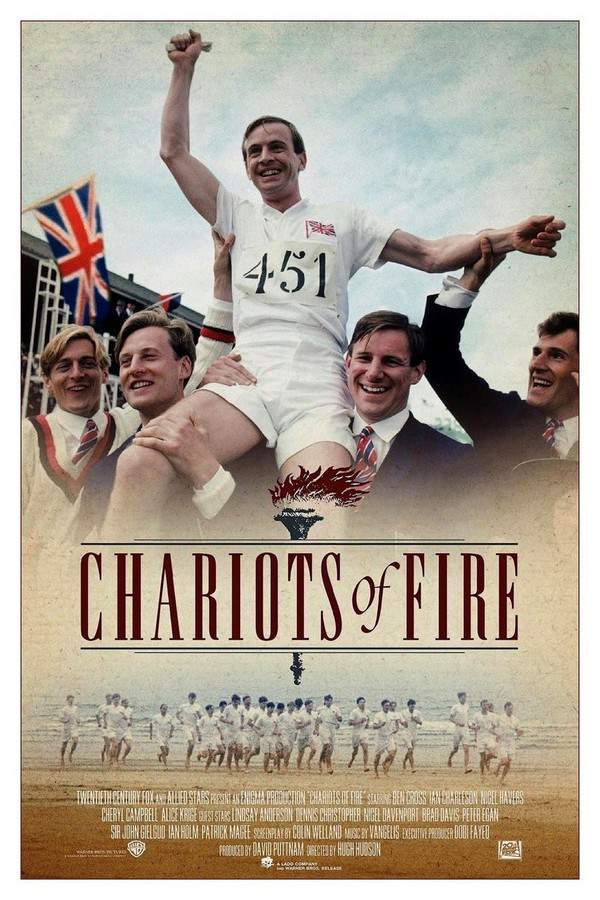
In 1920s Britain, two athletes with differing beliefs and backgrounds find their paths intertwined as they prepare for the 1924 Paris Olympics. Eric Liddell, a devout Scottish missionary's son, faces a conflict between his religious faith and his passion for running, choosing not to compete on Sundays. Simultaneously, Harold Abrahams is driven by a fierce determination to overcome prejudice and achieve athletic glory, often at a personal cost, sacrificing relationships and a sense of self in his relentless pursuit of victory.
Warning: spoilers below!
Haven’t seen Chariots of Fire yet? This summary contains major spoilers. Bookmark the page, watch the movie, and come back for the full breakdown. If you're ready, scroll on and relive the story!
Read the complete plot breakdown of Chariots of Fire (1982), including all key story events, major twists, and the ending explained in detail. Discover what really happened—and what it all means.
During a memorable funeral service in London, held in 1978 to honor the life of Harold Abrahams, led by his former colleague Lord Andrew Lindsay, the narrative journeys back to a flashback of Abrahams’ youthful days, running joyously along the beach alongside fellow athletes.
In 1919, Harold starts his journey at the University of Cambridge, where he faces antisemitism from faculty members. However, he finds joy in participating in the Gilbert and Sullivan club. Achieving a remarkable feat, he becomes the first individual to complete the Trinity Great Court Run, timing his sprint to coincide perfectly with the clock striking noon. His incredible talent earns him an impressive record of victories in national running competitions. Amidst his athletic pursuits, he cultivates a romance with Sybil Gordon, a leading soprano in the Gilbert and Sullivan performances.
On another path, Eric Liddell, born to Scottish missionaries in China, resides in Scotland. His devoted sister Jennie disapproves of his ambition to become a competitive runner, but Liddell views his running as a means to honor God before he eventually returns to missionary work in China. During their initial race, Liddell bests Abrahams, a loss that Abrahams struggles to accept. Turning to Sam Mussabini, a professional trainer he had sought out earlier, Abrahams intends to enhance his technique. This decision draws ire from the college masters at Cambridge, who deem it improper for an amateur to seek guidance from a professional. Abrahams, however, perceives their objections as a thinly veiled excuse for underlying antisemitism and class prejudice. Meanwhile, after Liddell skips a church service due to training, Jennie confronts him, fearing his dedication to running supersedes his devotion to God. Liddell counters her concerns, explaining that his regular running feels like a divine calling, and not to run would be to dishonor his faith.
After years of rigorous training and competition, both athletes are selected to represent Great Britain at the 1924 Paris Olympics, joined by Abrahams’ Cambridge friends Andrew Lindsay, Aubrey Montague, and Henry Stallard. However, as they board the ship to France, Liddell learns that the heats for his 100-meter race are scheduled for a Sunday. Despite immense pressure from the Prince of Wales and the British Olympic Committee, he firmly refuses to participate due to his Christian convictions. A resolution comes about through his teammate Lindsay, who generously offers to give up his spot in the 400-meter race so Liddell can compete. The world takes note of Liddell’s staunch beliefs, culminating in a heartfelt sermon he delivers that Sunday at the Paris Church of Scotland, where he quotes from Isaiah 40.
Unfortunately, Abrahams faces a setback in the 200-meter race, where he is notably outpaced by favored American competitors. He realizes that his last opportunity for an Olympic medal will come in the 100-meters. With determination, he competes and triumphs, securing the gold medal and realizing the fruits of his tireless dedication in training, much to the joy of his coach Mussabini, who was prohibited from entering the stadium. At last, Abrahams can shift his focus back to Sybil, whose love he had set aside for his athletic pursuits. Before the new challenge of the 400-meter event, an American coach displays skepticism, downplaying Liddell’s chances. Yet, an American runner, Jackson Scholz, passes Liddell a note of encouragement quoting 1 Samuel 2:30. With resilience, Liddell overcomes the odds and captures the gold medal. The British team returns home amidst a wave of triumph.
In a poignant conclusion, an epilogue reveals that Abrahams married Sybil, emerging as a revered figure in British athletics, while Liddell dedicated his life to missionary work, leaving a lasting legacy cherished by all of Scotland after his passing in Japanese-occupied China.
Last Updated: November 15, 2024 at 15:38
Discover curated groups of movies connected by mood, themes, and story style. Browse collections built around emotion, atmosphere, and narrative focus to easily find films that match what you feel like watching right now.
Honest portraits of driven individuals achieving greatness against societal odds.Find movies like Chariots of Fire that depict inspiring true stories with a steady, dignified pace. These similar historical dramas and biographical films focus on personal conviction, legacy, and overcoming prejudice to achieve greatness.
Stories in this thread typically follow a linear, fact-based structure centered on a protagonist's key period of achievement. The central conflict often pits the individual's strong personal beliefs—be it faith, ambition, or a sense of justice—against societal expectations or systemic barriers, culminating in a hard-won triumph that carries a poignant legacy.
Movies are grouped here for their shared focus on true, aspirational stories told with a sense of gravitas. They share a hopeful tone, steady pacing, and a medium emotional weight derived from the real sacrifices and pressures their subjects faced, creating a resonant and inspiring viewing experience.
Stories where achieving a profound goal comes at a poignant personal cost.Discover movies similar to Chariots of Fire about characters guided by strong convictions. These films explore the cost of ambition and faith, leading to bittersweet endings where triumph is intertwined with personal sacrifice.
The narrative pattern follows a protagonist or dual protagonists whose core identity is tied to a powerful belief or goal. The central drama arises from the conflict between this driving purpose and personal relationships or comfort. The climax is a success defined by that purpose, but the resolution acknowledges what was lost or set aside, creating a complex emotional payoff.
These films share a specific emotional arc: a blend of triumphant achievement and poignant reflection. The tone is ultimately hopeful but grounded in real sacrifice, with a straightforward narrative complexity that focuses on character-driven choices, resulting in a universally relatable bittersweet ending feel.
Don't stop at just watching — explore Chariots of Fire in full detail. From the complete plot summary and scene-by-scene timeline to character breakdowns, thematic analysis, and a deep dive into the ending — every page helps you truly understand what Chariots of Fire is all about. Plus, discover what's next after the movie.
Track the full timeline of Chariots of Fire with every major event arranged chronologically. Perfect for decoding non-linear storytelling, flashbacks, or parallel narratives with a clear scene-by-scene breakdown.
Discover the characters, locations, and core themes that shape Chariots of Fire. Get insights into symbolic elements, setting significance, and deeper narrative meaning — ideal for thematic analysis and movie breakdowns.
Get a quick, spoiler-free overview of Chariots of Fire that covers the main plot points and key details without revealing any major twists or spoilers. Perfect for those who want to know what to expect before diving in.
Visit What's After the Movie to explore more about Chariots of Fire: box office results, cast and crew info, production details, post-credit scenes, and external links — all in one place for movie fans and researchers.
Discover movies like Chariots of Fire that share similar genres, themes, and storytelling elements. Whether you’re drawn to the atmosphere, character arcs, or plot structure, these curated recommendations will help you explore more films you’ll love.
Chariots of Fire (1982) Scene-by-Scene Movie Timeline
Chariots of Fire (1982) Movie Characters, Themes & Settings
Chariots of Fire (1982) Spoiler-Free Summary & Key Flow
Movies Like Chariots of Fire – Similar Titles You’ll Enjoy
Icarus (2017) Film Overview & Timeline
Race (2016) Spoiler-Packed Plot Recap
The Swimmers (2022) Film Overview & Timeline
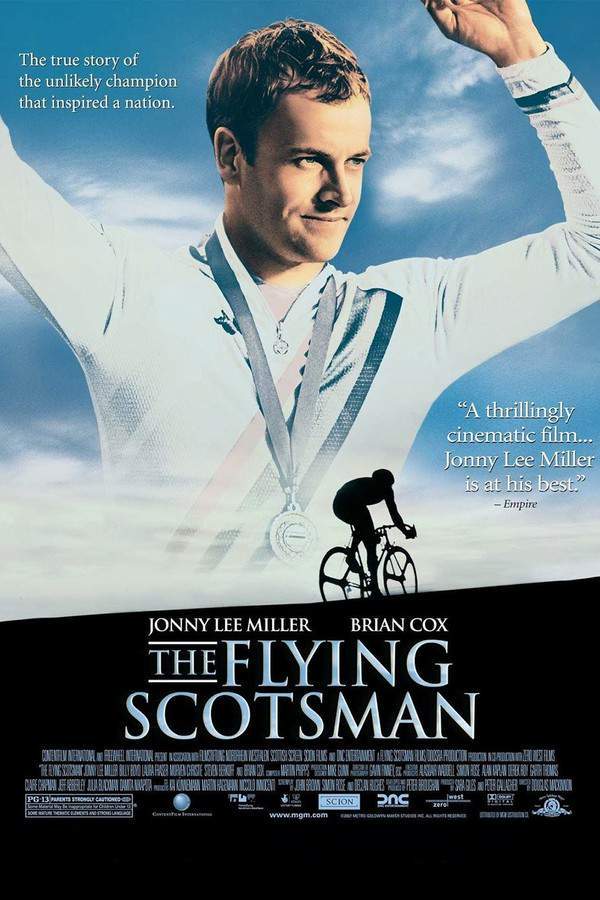
The Flying Scotsman (2006) Ending Explained & Film Insights
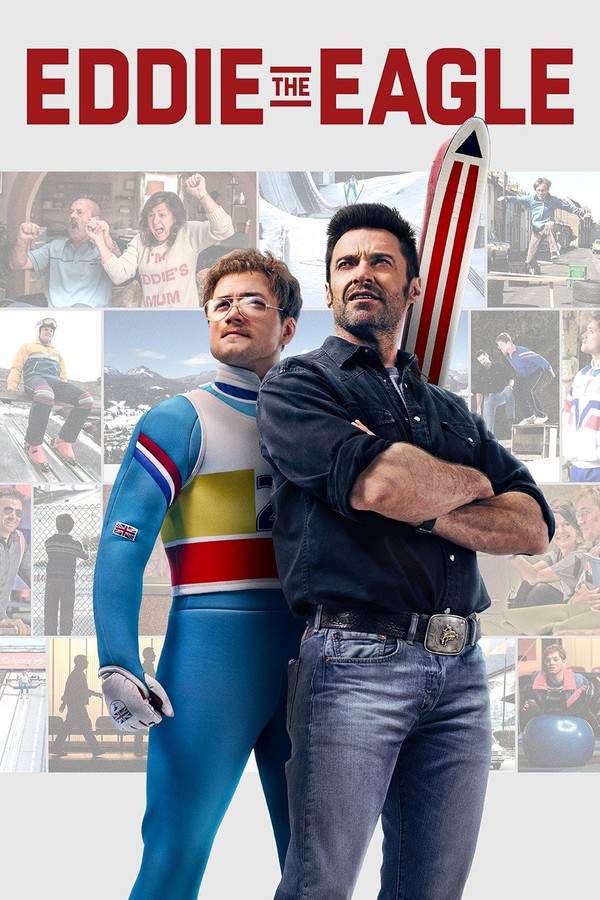
Eddie the Eagle (2016) Full Summary & Key Details
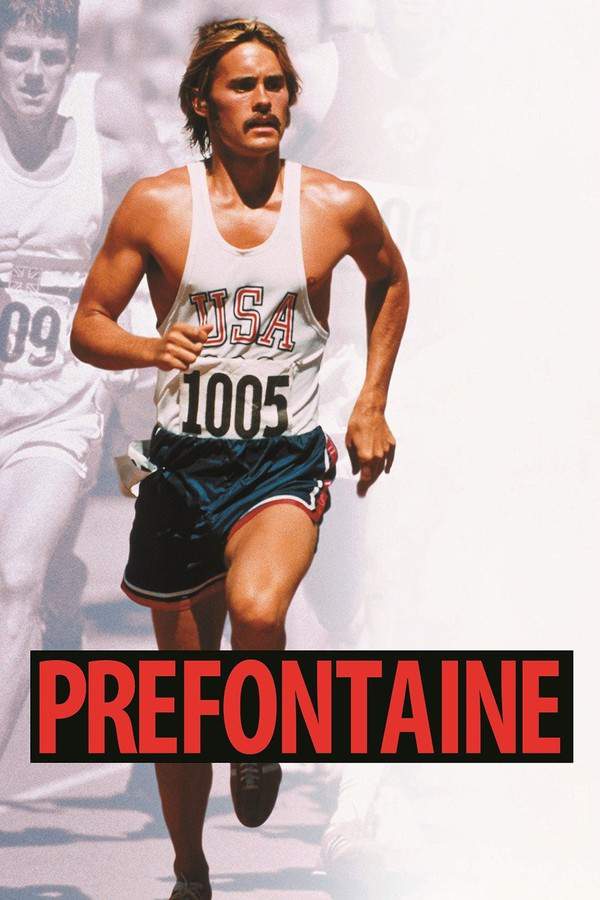
Prefontaine (1997) Complete Plot Breakdown
Personal Best (1982) Complete Plot Breakdown
Winning (1969) Movie Recap & Themes
Without Limits (1998) Ending Explained & Film Insights
The Champion (2024) Full Summary & Key Details
Running Against the Wind (2019) Movie Recap & Themes
Paralympian (2022) Ending Explained & Film Insights
The Charioteer (1995) Story Summary & Characters
The Athlete (2009) Spoiler-Packed Plot Recap
Running (1979) Ending Explained & Film Insights