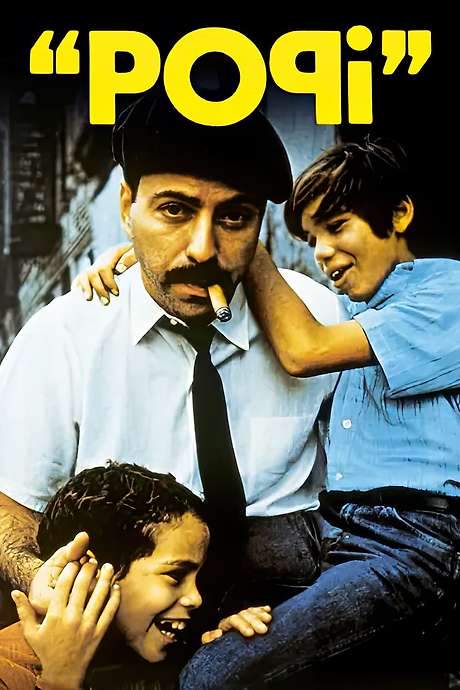
Abraham Rodriguez, known as Popi to his sons Luis and Junior, works hard across three jobs to keep his family afloat, leaving little time for supervision or dreams beyond a better life. He clings to the hope of marrying his girlfriend Lupe and moving the family out of their cramped Brooklyn apartment, aiming for stability and a chance at something brighter. Yet the harsh realities of the neighborhood intrude daily: glimpses of violence, theft, and the sense that opportunity is slipping away from the boys before it even fully forms in their minds.
When Popi lands a gig at a banquet in New York honoring Cuban exiles, a radical idea begins to take shape. He begins to believe that his sons have a better shot at a safe, prosperous future if they are seen—as refugees from Cuba—by the wider world. The plan he hatches is risky, even reckless, but it comes from a desperate love: he will send them far enough from the neighborhood to be rescued or recognized as worthy to start anew, away from the dangers that have gripped their day-to-day life.
To prepare, he teaches them practical skills that can help them survive on the water and in unfamiliar situations. They practice rowing in Central Park’s lake and learn to handle a motorboat on the East River, all while Popi struggles to balance his own ambitions with the boys’ safety. The journey finally takes them south to Florida, where a dramatic set of events unfolds in rapid succession.
Popi’s bold plan reaches its turning point when he steals a boat in Miami Beach and instructs Luis and Junior to push out beyond sight of the shore until their fuel runs dry, then to remove the outboard motor and row back with whatever strength remains. The Coast Guard’s inability to verify their disappearance sends a wave of fear through Popi, who fears the worst as time drags on. Then a radio report announces a heroic rescue: two young Cuban boys have been saved, and the news reshapes the family’s world in an instant.
The boys are found dehydrated and sunburned, hospitalized, and overwhelmed by attention from well-wishers who flood the ward with flowers and gifts. People promise to adopt them, a testament to how strongly the outside world sympathizes with their apparent plight. Disguised and desperate, Popi sneaks into their hospital room, trying to convince his sons that life with wealthier, “better” parents might be their best chance at happiness. This confrontation erupts into a loud argument in English, drawing the staff’s attention and forcing a dramatic exit for Popi and his sons.
In the end, the ruse is uncovered, and the trio faces the consequences together. Yet the outcome is not a tragedy but a reaffirmation: they return to their life in the barrio, united by love and a stubborn, hopeful resilience. Popi’s dream for his family may have been born of flawed judgment, but it is grounded in a deep, enduring devotion to give his boys a fighting chance. The film closes on a note of quiet, stubborn dignity as they navigate their ordinary world with renewed resolve and the unspoken belief that family can weather even the most improbable storms.