Plot Explained Spoilers guaranteed!
Plot Explained

Browse by genre

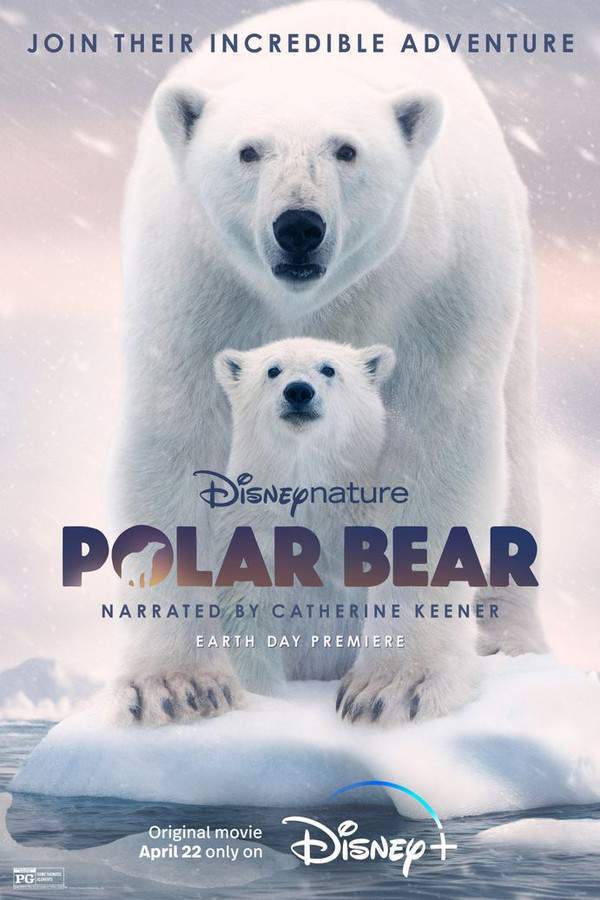
Polar Bear (2022) movie poster

Timeline

Polar Bear (2022) Timeline Explained – Every Event in Order

Release, runtime and language
2022 · 85 min · English
Echo score 75
Directed by
Alastair Fothergill, Jeff Wilson
Starring
Catherine Keener

This moving documentary follows a polar bear mother as she navigates the challenges of raising her cubs in a rapidly changing Arctic. The film showcases the resilience of these iconic animals and their struggle to survive in a landscape increasingly impacted by climate change. Through her journey, we witness the timeless instincts and triumphs of polar bears adapting to a more difficult environment, highlighting the fragility of their habitat and the importance of conservation.

On this page (5)
  1. 1 Events in order (12)
  2. 2 Timeline questions answered
  3. 3 Movie threads
  4. 4 Movies like Polar Bear
  5. 5 Every angle

12 events in order · contains spoilers

Polar Bear Timeline: Events in Chronological Order

Every key event of Polar Bear (2022) in order, scene by scene, with when and where it takes place. Use it to untangle flashbacks, time jumps and parallel storylines, to refresh your memory before the sequel or to find the exact scene you are thinking of.

  1. Life with the cubs begins

    She and her cub swim across waters that used to be solid ice, navigating a landscape in flux. The mother keeps a watchful eye on her vulnerable offspring while teaching them how to hunt and stay safe. They share moments of play and struggle, with the threat of male polar bears looming.

    When
    early youth
    Where
    Arctic Tundra - ice edge
  2. Loss of the brother

    One day the polar bear's brother dies, leaving the young cub and her mother to face a harsher reality. The loss tests their bond as they must rely on each other to survive. The mother remains protective, guiding the survivor through the dangers of the shrinking ice.

    When
    early childhood
    Where
    Arctic coast
  3. Feast around a dead whale

    The two bears, along with many others, feast on a stranded whale, a moment of abundance in a world of scarcity. The feast showcases the communal aspect of survival and the seasonal rhythms of the Arctic. They learn to read the signs of food sources.

    When
    shortly after death
    Where
    Dead whale site, Arctic waters
  4. A successful hunt of a baby walrus

    The mother uses her skills to hunt a baby walrus abandoned by its panicked mother. They feed and strengthen themselves as the Arctic food chain continues to function. The event foreshadows the mother’s independence in the years ahead.

    When
    after whale feast
    Where
    Walrus haul-out
  5. Departure to fend for herself

    The mother recognizes it’s time to fend for herself again and departs, leaving the cub to grow and adapt on her own. This moment marks a turning point in the cub's life as she learns to rely on her wits.

    When
    after early youth
    Where
    Arctic ice edge
  6. Years pass without another ice bear

    The cub grows and spends years without seeing another polar bear, navigating a world where the ice is thinning. She learns to survive through seasons of scarcity, always keeping the memory of her mother as guidance. The isolation underscores the long-term effects of a changing Arctic.

    When
    years later
    Where
    Open Arctic waters, shrinking ice
  7. A chance meeting with a male his age

    Eventually she meets another male roughly her age and they spend a day playing together. Their encounter hints at companionship and the possibility of offspring in a world of uncertainty.

    When
    some time later in youth
    Where
    Ice pack territory
  8. The chase becomes courtship

    As the big male lingers after play, the cub realizes he isn't there to threaten but to court. The two separate amicably, and the female senses a new chance for family.

    When
    after the encounter
    Where
    Arctic waters
  9. Becoming a mother

    The polar bear becomes a mother to one cub, marking a new family unit. She forms a strong bond with her cub, guided by lessons learned in hardship. The presence of a partner hints at shared responsibilities as they prepare to survive together.

    When
    post-encounter
    Where
    Den site, Arctic
  10. Present-day survival

    In the present day, mother and daughter continue to survive in a rapidly disappearing Arctic. They face ongoing threats from shrinking habitat and climate change as they navigate each season.

    When
    present day
    Where
    Arctic region
  11. Concern for the daughter's future home

    The mother worries about what kind of world her daughter will call home as the ice recedes and ecosystems shift. She imparts lessons of resilience and adaptability even as uncertainty grows.

    When
    present day
    Where
    Arctic shorelines
  12. Closing message about the Arctic

    The film closes with a stark message about the Arctic potentially being ice-free by 2040, underscoring that actions taken today can positively change the future of polar bears.

    When
    finale
    Where
    Screen text

Last updated: February 10, 2026 at 08:32

Was this helpful?

Timeline questions answered

Polar Bear Timeline Explained: Your Questions Answered

When does it happen, and why in that order? The questions people ask about the chronology of Polar Bear (2022): time jumps, flashbacks, cause and effect between scenes and the correct order of events, each answered with spoilers.

Q1

Why does the mother polar bear leave her cub to fend for herself?

The mother bear leaves her cub because this is a natural stage in a polar bear's life cycle. Once the cub has learned essential survival skills, including hunting techniques and how to navigate the changing Arctic landscape, the mother recognizes she must return to her solitary existence. This departure is meant to push the young bear toward independence, teaching her to survive on her own in an environment where ice continues to shrink and food becomes scarcer.

Foreshadowing: The mother's successful hunt of the baby walrus earlier demonstrates the cub's growing capabilities, foreshadowing her readiness for independence.

  • polar bear
  • cub independence
  • Arctic survival
  • mother bear
Q2

What happens to the polar bear cub's twin brother?

The cub's twin brother dies during early childhood, leaving just the daughter and her mother to survive together. This loss occurs shortly after they encounter the dead whale feast, and it marks the first major tragedy in the young cub's life, forcing her to mature faster as she and her mother must now rely on each other entirely.

  • twin brother death
  • polar bear cub
  • loss
  • Arctic childhood
Q3

Why does the mother polar bear hunt a baby walrus?

The mother bear hunts a baby walrus after the walrus mother panics and abandons her newborn during a dangerous situation. This hunt represents a critical teaching moment where the mother demonstrates her hunting skills to her daughter. The successful kill provides essential nourishment for both bears during a period of scarcity, and it marks a turning point where the cub proves she is capable of surviving on her own.

Foreshadowing: This hunt foreshadows the cub's eventual independence and her ability to take down prey on her own years later.

  • baby walrus hunt
  • polar bear hunting
  • Arctic food chain
  • survival skills
Q4

What happens when the young polar bear meets the male bear?

After years of isolation, the young female polar bear encounters a male of similar age on the ice pack. They spend a day playing together, exhibiting companionship rare in typically solitary ice bears. When a larger male appears, what initially seems threatening transforms into courtship, the larger male was not attacking but seeking to mate. After this encounter, the two bears go their separate ways, and the female soon becomes pregnant.

  • male polar bear
  • courtship
  • polar bear mating
  • ice bear encounter
Q5

How does the film show the impact of climate change on polar bears?

The film demonstrates climate change through the bears' journey across waters that used to be solid ice, now requiring them to swim longer distances. The shrinking ice forces polar bears to travel greater distances to find food, isolates them from other bears, and reduces access to traditional hunting grounds like seal habitats. The narrative traces this environmental shift from the cub's early years to her motherhood, showing how a changing landscape affects every stage of a polar bear's life.

Foreshadowing: The opening scenes immediately establish the changed Arctic environment, setting the context for all subsequent survival challenges.

  • climate change
  • shrinking ice
  • Arctic warming
  • polar bear habitat loss
Q6

What is the significance of the 2040 prediction in the closing message?

The film closes with a stark warning that the Arctic could be ice-free by summer 2040, meaning polar bears may lose their primary platform for hunting and raising young within about two decades. This timeline places the current generation of bears, including the daughter cub, in grave danger. The film frames this not as inevitable but as something that human action can still influence, stating that choices made today can positively change the future for polar bears.

  • 2040 ice-free Arctic
  • climate prediction
  • polar bear future
  • conservation message
Q7

Why is the dead whale feast important in the film?

The dead whale represents a rare moment of abundance in the harsh Arctic ecosystem, where food is typically scarce. The mother and cub, along with other bears, gather to feed on this stranded whale. This scene illustrates the feast-or-famine nature of Arctic survival and provides a brief respite from hunting. It also demonstrates how polar bears, typically solitary, temporarily congregate around food sources, showing the communal aspects of survival in a challenging environment.

  • dead whale
  • Arctic feeding
  • polar bear food source
  • whale carcass
Q8

How does the relationship between the mother and daughter polar bear evolve?

The relationship follows a natural arc from complete dependence to eventual separation. The mother teaches her daughter essential survival skills, from hunting seals to navigating shrinking ice, while protecting her from dangers like male polar bears. After the daughter's twin dies, their bond strengthens as they rely solely on each other. Years later, when the mother senses her daughter is ready, she deliberately leaves to encourage independence. The film then shifts to showing the daughter as a mother herself, continuing the cycle while the original mother watches her granddaughter with hope and concern.

Foreshadowing: The mother's protective behavior throughout the early timeline foreshadows her eventual decision to ensure her daughter can survive without her.

  • polar bear mother daughter
  • bear family
  • polar bear lifecycle
  • maternal bond
Q9

Why does the polar bear give birth to only one cub after meeting the male?

After her encounter with the male polar bear, the female gives birth to a single cub, contrasting with her own upbringing as a twin. This choice reflects the harsh realities of survival in a changing Arctic, where a single cub has better chances of survival than multiple cubs competing for limited resources. The film focuses on this one cub's journey, showing the mother's hope that her daughter will grow into a strong ice bear capable of facing an uncertain future.

  • single polar bear cub
  • polar bear reproduction
  • Arctic reproduction strategy
Q10

What is the narrative structure of the film?

The film follows a clear linear narrative tracing one female polar bear from her earliest days as a cub through her journey to motherhood. It chronicles key life events: learning to hunt, losing her twin brother, the whale feast, becoming independent, years of isolation, meeting a mate, giving birth, and raising her own daughter. This straightforward structure allows viewers to emotionally invest in the protagonist while understanding how climate change affects every phase of her life.

  • polar bear lifecycle
  • documentary narrative
  • Arctic nature film
  • bear life stages

Movie threads

More Movies Like Polar Bear, by Mood & Story

Curated lists built around what makes Polar Bear tick: the same mood, the same kind of story or the same emotional payoff. Each list explains why these movies belong together.

Nature documentaries about resilience like Polar Bear

Stories of survival and adaptation against overwhelming odds. If you enjoyed the themes of survival and motherhood in Polar Bear, explore other movies like it. This collection features documentaries that highlight the incredible resilience of wildlife facing environmental challenges.

  • contemplative
  • awe-inspiring
  • melancholic
  • resilient
  • somber
  • hopeful
  • Tone: bittersweet, melancholic, hopeful
  • Pacing: steady, observational
Why these movies?

The story pattern: The narrative follows a protagonist—often a mother or leader—through the seasons of a challenging ecosystem. Triumphs are small and personal, while threats are vast and systemic, creating a steady rhythm of observation, struggle, and quiet perseverance.

Why they belong together: Movies are grouped here because they share a contemplative, steady pace and a central focus on biological resilience. They balance awe for their subjects with a somber awareness of their vulnerability, creating a bittersweet emotional tone.
Climate change documentaries with personal stories like Polar Bear

Intimate portraits that illuminate a larger environmental crisis. Viewers searching for movies similar to Polar Bear will find films here that explore climate change through intimate, character-driven narratives. These documentaries blend beautiful cinematography with a sobering message.

  • somber
  • contemplative
  • awe-inspiring
  • melancholic
  • urgent
  • hopeful
  • Tone: somber, melancholic, awe-inspiring
  • Pacing: steady, linear
Why these movies?

The story pattern: The plot structure is straightforward, following a protagonist's lifecycle as a microcosm for a larger systemic problem. The narrative builds evidence through observation, leading to an ending that acknowledges both individual strength and the bleak reality of the overarching threat.

Why they belong together: These films are linked by their use of a single subject's journey to represent a vast environmental issue. They share a medium emotional weight, balancing stunning visuals with sobering themes, and result in a bittersweet feeling of admiration mixed with concern.

If you liked this

Movies Like Polar Bear

Similar movies to Polar Bear: the same genre, themes or kind of story. Each one comes with its own plot summary, timeline and ending explained.

Browse all movie summaries

Every angle

Polar Bear (2022) Explained: Plot, Timeline & Characters

Everything about Polar Bear in one place: what happens in the plot summary, the timeline in chronological order, the characters and meaning and a spoiler-free summary. What's After the Movie adds the cast, box office and post-credit scenes.

Coming soon on iOS and Android

The Plot Explained Movie Summary App

Plot summaries, endings explained and timelines on your phone. Catch up on any movie in minutes, save your favorites and never miss a twist again.

Be the first to know when we launch. Your email stays private, always.

Learn more about the app