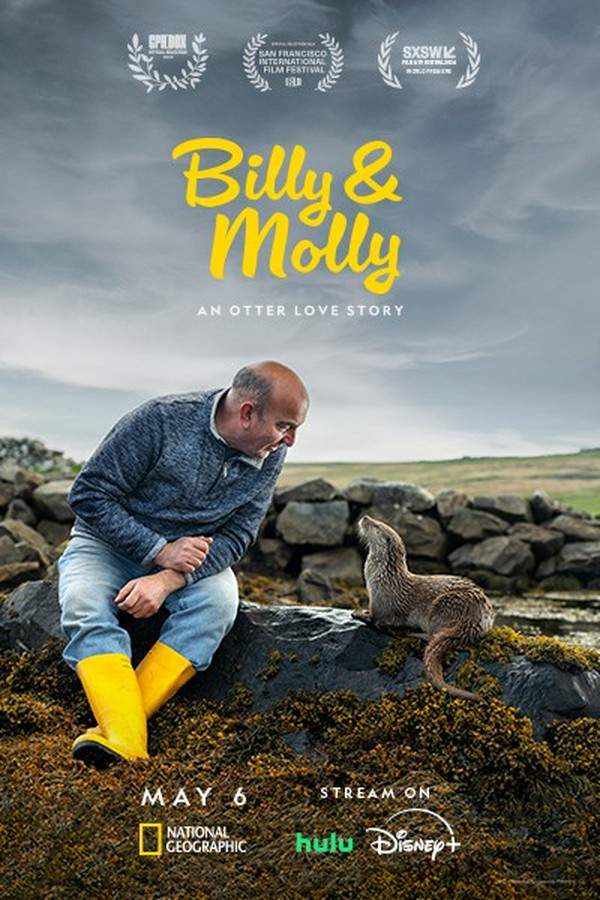
On his daily London walks, Graham Merrill pauses outside a small pet shop and is captivated by a spirited river otter peering from the window. He brings the creature home and bestows the name Mijbil, or simply Mij, setting in motion a friendship that will reshape his world. The otter’s boundless energy quickly turns their modest flat into a lively, chaotic space where curiosity and affection coexist in equal measure. The bond between man and wild creature grows into something deeply affectionate, and the pair soon feel the pull of a larger landscape.
They eventually leave the city for a rustic cottage overlooking the sea on the west coast of Scotland**, where they begin life as beachcombers. There, they form a quiet routine and strike up a gentle friendship with Dr. Mary MacKenzie, Mary MacKenzie, who lives in the nearby village, along with her dog Johnny. Mij and Johnny chase each other across the shore and fields, their play a joyful counterpoint to the slower pace of rural life. The countryside becomes a stage for discovery, exploration, and the simple pleasures of water and wind.
One winter episode centers on a difficult quest for live eels to satisfy Mij’s appetite. The harsh season drives a laborious search, as live eels are scarce and hard to come by, even for a patient fishmonger. The situation illustrates Mij’s adventurous, tenacious spirit and the practical limits of feeding a curious creature whose instincts pull him toward the water.
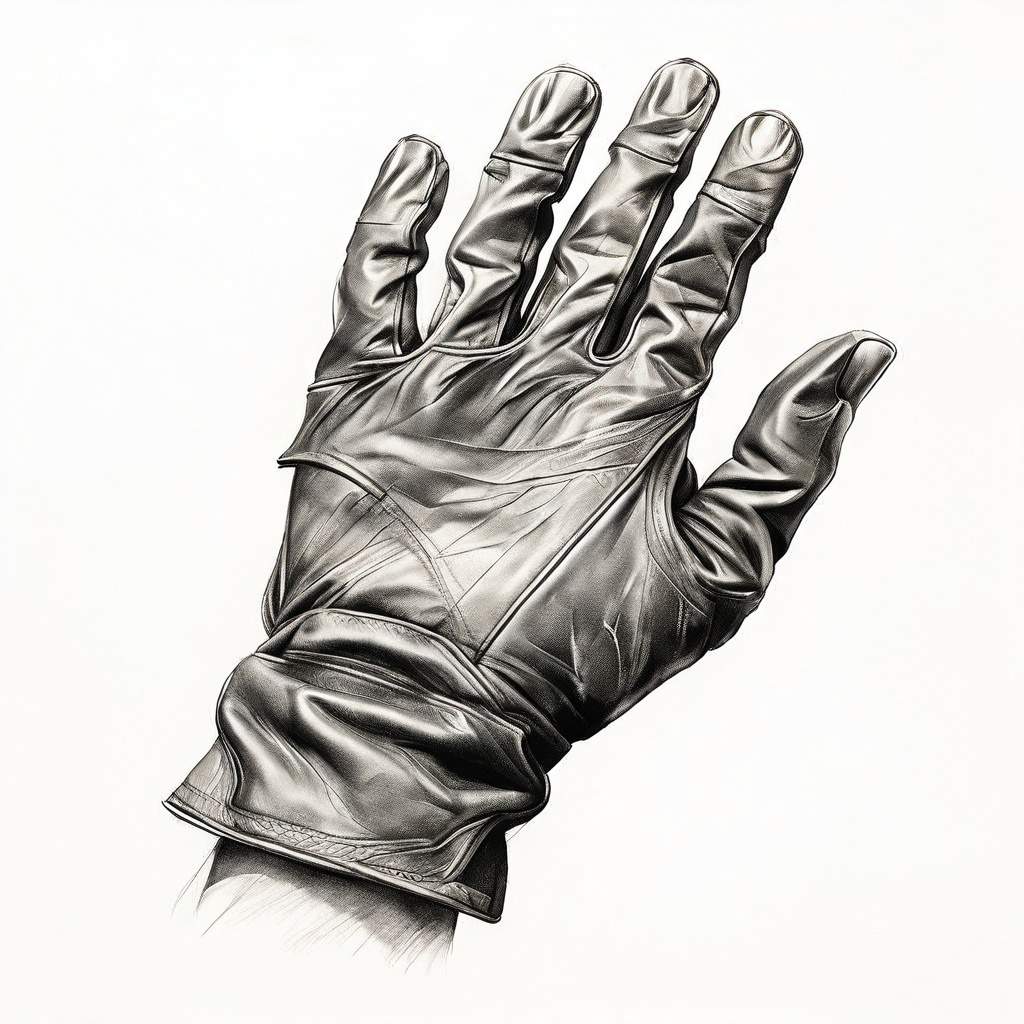
Mij’s curiosity leads him far from the cottage one day, where he encounters a female otter and spends the day in their company. Ignorant of danger, he is soon ensnared by a net and nearly killed. The humans intervene, nursing him back to health, while Graham Merrill rediscovers the rhythm of caring for a wild animal and the responsibility that comes with awe. Merrill also pursues a new artistic outlet, drawing Mij with a patient hand, and he eventually builds a large underwater tank crafted from old windows to better capture the otter’s astonishing agility beneath the surface.
Later, Merrill travels to London to settle some affairs, leaving MacKenzie in charge of Mij. While she exercises him in the fields, tragedy strikes: Mij is killed by a ditch digger who does not realize he is a pet. The loss crushes Merrill, who must confront the fragility of life and the depth of the bond he shared with his remarkable companion. In time, the cottage is greeted by a hopeful sight—a trio of otter youngsters accompanied by their mother, approaching the swimming pool where Mij once played. To Merrill’s surprise and relief, they are Mij’s mate and their offspring, returning to the place where memory and love still linger.
The encounter rekindles a sense of life’s cycles and purpose. Merrill, who had long hoped to write a novel about the Marsh Arabs, finds renewed inspiration in the newborns’ playful energy. Watching the baby otters at play, he picks up his pen again and begins to write about Mij, uncovering lessons the otter has taught him about himself, resilience, and the quiet ways nature shapes a person’s understanding of the world.
Throughout this deeply observational tale, the bond between a man and a wild creature unfolds with tenderness, humor, and a thoughtful sense of wonder. The story remains rooted in everyday detail—the window shop, the seaside cottage, the digging of a ditch—while revealing the larger, sometimes painful, truths about companionship, loss, and the transformative power of noticing the world around us.