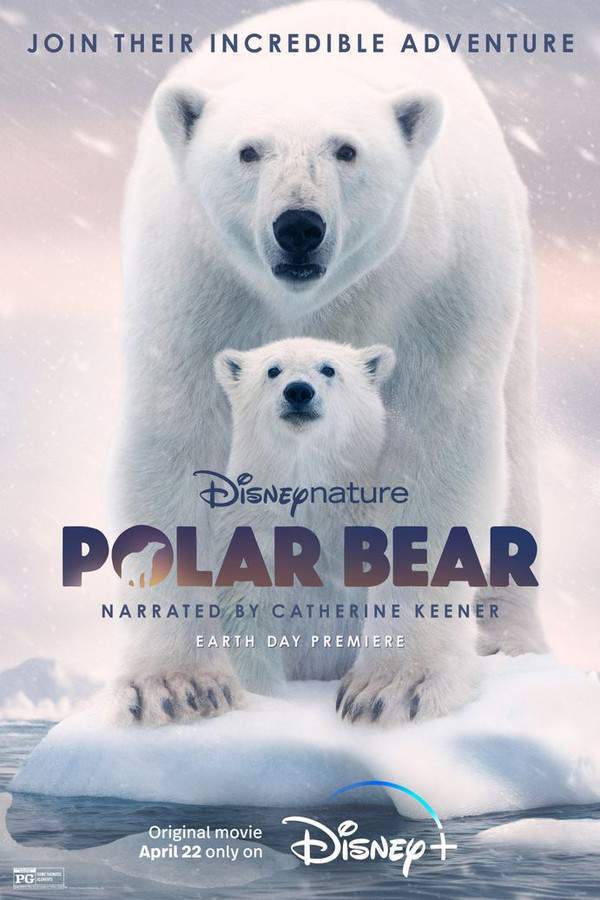
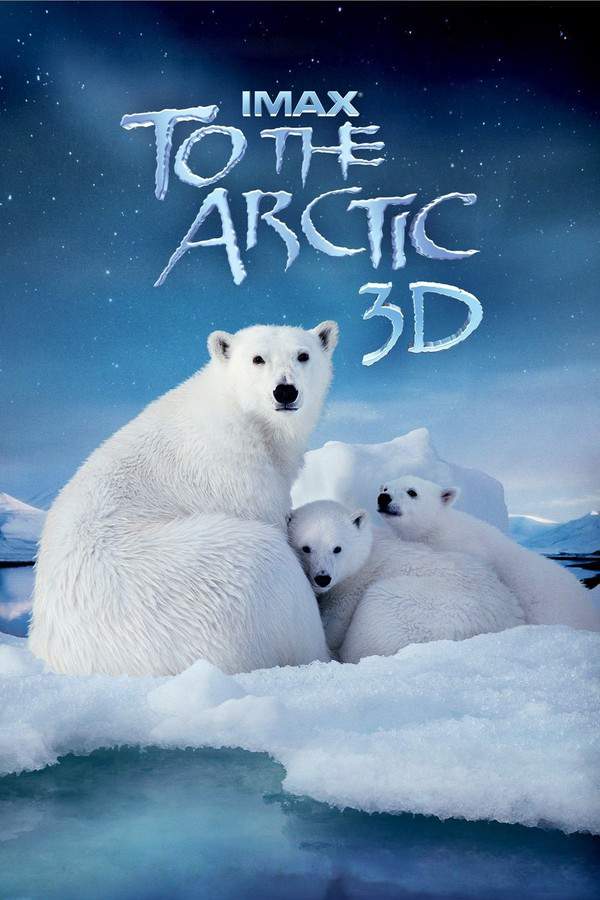
Through a patient, almost meditative lens, this film traces a mother polar bear and her cub as they swim through waters that were once solid Arctic ice, following the bear’s story from her youth to the moment she becomes a mother herself. The tale unfolds with the calm cadence of nature observing itself, narrated by the Catherine Keener in a voice that feels as ancient as the ice it describes.
From early days, the cub grows up under the protective shadow of her mother, learning the rhythms of life in a world where every hunt and every risk matters. She recalls the glow and danger of the hunt as the family moves through a landscape where seals are pursued and guarded by the watchful mother. Along the way, they encounter a dead whale, a stark reminder of the feast-or-famine cycle that sustains many residents of the Arctic, and they, along with other bears, partake in the rich, fleeting bounty it offers.
Tragedy shapes her childhood when the twin brother dies, leaving just the daughter and her mother to carry on. In the wake of loss, the cub proves herself capable, even when foreshadowed by scarcity; she successfully hunts a baby walrus abandoned by a panicked mother, a moment that underscores her growing independence. After this, the mother acknowledges that it’s time to stand on her own once more and departs, pushing the cub to face the increasingly hostile and changing environment on her own.
Years drift by with little sign of another ice bear in sight, until a new encounter changes the course of their lives. The young bear meets a male of similar age, and they share a day of playful companionship. As the moment ends, she senses she is being watched by a larger male. What she initially fears as a threat reveals itself to be a courtship, a reminder that risk and romance can coexist even in the harsh Arctic. After the encounter, the two go their separate ways, and the polar bear soon becomes a mother herself, giving birth to a single cub.
In the present day, the mother and daughter navigate the rapidly shrinking Arctic, their survival a quiet testament to resilience. The mother looks ahead with a hopeful yet cautious eye, hoping her daughter will grow into a strong ice bear and wondering what kind of world her cub will call home as ice gives way to open water and changing seasons.
The film closes with a stark, urgent message about the future of the Arctic: the ice could vanish by the summer of 2040, and the choices we make today can positively shape the fate of polar bears.
> The Arctic could be ice-free by the summer of 2040, the actions we take today can positively change the future of polar bears.