Plot Explained Spoilers guaranteed!
Plot Explained

Browse by genre

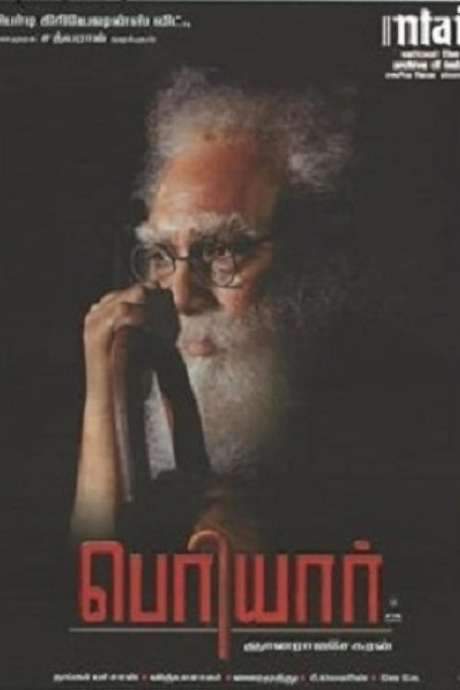
Periyar (2007) movie poster

Timeline

Periyar (2007) Timeline Explained – Every Event in Order

Release, runtime and language
2007 · 145 mins · Tamil
Loading streaming availability…
Directed by
Gnana Rajasekaran
Starring
Vagai Chandrasekar, Sathyaraj, Jyothirmayi, Ilavarasu, Madhan Bob, Khushboo

Periyar joins the Indian struggle for independence after being disgusted by the injustices of the Hindu caste system. Later, he begins fighting for the rights of Tamilians.

On this page (6)
  1. 1 Where to watch
  2. 2 Events in order (14)
  3. 3 Timeline questions answered
  4. 4 Movie threads
  5. 5 Movies like Periyar
  6. 6 Every angle
Loading streaming availability…

14 events in order · contains spoilers

Periyar Timeline: Events in Chronological Order

Every key event of Periyar (2007) in order, scene by scene, with when and where it takes place. Use it to untangle flashbacks, time jumps and parallel storylines, to refresh your memory before the sequel or to find the exact scene you are thinking of.

  1. Childhood of Periyar

    Periyar's childhood is shown as the seed of his reformist mindset. He grows up amid social hierarchies that later fuel his critique of caste. The early experiences plant his skepticism toward inherited privilege.

  2. Marriage to Nagammal

    As a young man, Periyar marries Nagammal, marking a personal milestone in his life. The marriage anchors his domestic life while his public activism grows.

  3. Pilgrimage to Kashi and caste exposure

    During a pilgrimage to Kashi, he witnesses the caste system's cruelty, especially choultries that feed Brahmins exclusively. Starving and desperate, he disguises himself as a Brahmin by wearing a thread on his bare chest to enter a choultry. He is caught, and the episode hardens his resolve against social inequity.

    Where
    Kashi (Varanasi)
  4. Disillusionment in Kashi and return

    Periyar becomes disgusted with life in Kashi and returns home. He resumes work in his father's business and begins to build a stable routine that would ground his future public life.

  5. Chairman of Erode Municipality

    He rises in public service and becomes the Chairman of the Erode Municipality. This leadership position places him at the intersection of local governance and social reform, shaping his approach to public life.

    Where
    Erode, Tamil Nadu
  6. Resignation to join the freedom struggle

    He resigns from the municipality post to join the broader freedom struggle. This marks a defining shift from local administration to nationwide political action. He embraces the nationalist movement and the broader fight for India's independence.

    Where
    Tamil Nadu, India
  7. President of Madras Presidency Congress Committee

    Periyar becomes the President of the Madras Presidency Congress Committee, steering regional strategies and mobilizations. He uses this platform to push social reforms alongside national independence.

    Where
    Madras Presidency, Tamil Nadu
  8. Vaikom struggle participation

    He participates in the Vaikom struggle, lending his voice to protests against caste-based barriers in public life. The campaign broadens his strategy, linking anti-colonial nationalism with social justice.

    Where
    Vaikom, Kerala
  9. Quits Congress; joins Justice Party

    Frustrated by the failure to obtain reservations, Periyar quits the Congress party and joins the Justice Party. He shifts his political focus from national independence to social justice within a regional framework. This move signals a turning point toward redefining Tamil politics through caste reform.

    Where
    Tamil Nadu
  10. Transforms Justice Party into Dravidar Kazhagam

    He leads a transformation of the Justice Party into Dravidar Kazhagam, reframing the political movement around Dravidian identity and social reform. This marks a decisive shift toward a more activist, reform-driven ideology.

    Where
    Tamil Nadu
  11. Role in Anti-Hindi agitation

    Periyar takes a central role in the Anti-Hindi agitation, rallying opposition to language policies perceived as oppressive to non-Hindi speakers. He uses mass mobilization and political rhetoric to advance his Dravidian reform agenda.

    When
    mid-20th century
    Where
    Tamil Nadu
  12. Second marriage

    The narrative notes Periyar's second marriage, adding a personal dimension to his public life. The sequence balances his intense public role with private life.

  13. Formation of DMK by C. N. Annadurai

    His lieutenant C. N. Annadurai forms the DMK, continuing Periyar's reformist project and fueling Dravidian politics. The film marks this as a major milestone in Tamil political history, showing how the movement ecosystem evolves around Dravidian ideology.

    When
    1950s–1960s
    Where
    Tamil Nadu
  14. Periyar's death

    The film ends with Periyar’s death, closing his long arc from reformer to a foundational figure in Tamil political movements. His legacy continues to influence social and political thought in Tamil Nadu.

    When
    1973
    Where
    Tamil Nadu, India

Last updated: February 20, 2026 at 12:13

Was this helpful?

Timeline questions answered

Periyar Timeline Explained: Your Questions Answered

When does it happen, and why in that order? The questions people ask about the chronology of Periyar (2007): time jumps, flashbacks, cause and effect between scenes and the correct order of events, each answered with spoilers.

Q1

Why did Periyar disguise himself as a Brahmin in Kashi?

During his pilgrimage to Kashi, Periyar witnessed the brutal caste system firsthand. He saw Brahmin-only choultries refusing food to people of lower castes. Starving and desperate, he wore a sacred thread on his bare chest to impersonate a Brahmin and gain entry to a choultry for a meal. He was caught, and this humiliation deepened his disgust with the caste system, becoming a pivotal moment that hardened his resolve toward social reform.

Foreshadowing: His childhood experiences with social hierarchies had already planted seeds of skepticism toward inherited privilege.

  • periyar
  • kashi
  • caste system
  • brahmin disguise
  • social reform
Q2

Why did Periyar quit the Congress party and join the Justice Party?

Periyar left the Congress party because the party failed to implement reservations (affirmative action) for backward castes. Despite his active role in the freedom movement and his position as President of the Madras Presidency Congress Committee, he became disillusioned when Congress did not push through the caste-based reservation policies he advocated for. He then joined the Justice Party, which was more aligned with his goals of social justice and Dravidian rights.

Foreshadowing: His frustration with systemic inequity, first witnessed in Kashi, had been building throughout his political involvement.

  • periyar
  • congress party
  • justice party
  • reservations
  • caste reform
Q3

What was the Vaikom struggle that Periyar participated in?

The Vaikom struggle was a movement against caste-based restrictions in public spaces in Vaikom, Kerala. Periyar lent his voice to this campaign, which protested the denial of access to public roads and temples for people of lower castes. This struggle connected his anti-colonial nationalism with broader social justice causes, demonstrating his commitment to fighting both political and social oppression.

Foreshadowing: This built on his earlier experiences witnessing caste discrimination in Kashi.

  • periyar
  • vaikom
  • caste discrimination
  • protest
  • temple entry
Q4

Why did Periyar transform the Justice Party into Dravidar Kazhagam?

Periyar transformed the Justice Party into Dravidar Kazhagam to reframe the political movement around Dravidian identity and social reform. He believed the party needed a clearer ideological foundation focused on fighting caste oppression and promoting Dravidian rights, rather than just political representation. This transformation marked a decisive shift toward a more activist, reform-driven ideology that would eventually influence Tamil politics for decades.

Foreshadowing: His disillusionment with Congress had already pushed him toward seeking a more committed vehicle for social reform.

  • periyar
  • justice party
  • dravidar kazhagam
  • dravidian movement
  • tamil politics
Q5

What triggered Periyar's lifelong fight against the caste system?

The pivotal trigger was his pilgrimage to Kashi, where he directly witnessed the caste system's cruelty. Seeing Brahmin-only Choultries while starving people of other castes were turned away profoundly shocked him. The humiliation of being caught disguising himself as a Brahmin to eat solidified his disgust with Hindu social hierarchies and ignited his lifelong campaign against caste injustice.

Foreshadowing: The film shows his childhood surrounded by social hierarchies, which prepared him to recognize and reject these injustices when he encountered them.

  • periyar
  • caste system
  • kashi
  • hinduism
  • social injustice
Q6

Why did Periyar resign as Chairman of Erode Municipality?

Periyar resigned from his position as Chairman of the Erode Municipality to join the broader Indian independence movement. While his local governance role allowed him to implement some reforms, he felt the national struggle against British rule required his full attention. This marked a defining shift from local administration to nationwide political action, aligning his personal reform agenda with the larger fight for India's freedom.

Foreshadowing: His earlier frustration with caste discrimination had already driven him toward public service as a means of creating change.

  • periyar
  • erode municipality
  • resignation
  • freedom struggle
  • congress
Q7

What was the significance of Periyar's role in the Anti-Hindi agitation?

Periyar took a central role in the Anti-Hindi agitation, opposing language policies that he perceived as oppressive to non-Hindi speakers in Tamil Nadu. He believed imposing Hindi would marginalize Tamil speakers and perpetuate cultural dominance. Through mass mobilization and political rhetoric, he used this campaign to advance his Dravidian reform agenda, framing language rights as part of the broader fight against oppression.

Foreshadowing: This continued his pattern of challenging perceived injustices, now extending to cultural and linguistic domination.

  • periyar
  • anti-hindi agitation
  • tamil language
  • dravidian
  • language policy
Q8

What was Periyar's relationship with C.N. Annadurai?

C.N. Annadurai was Periyar's close lieutenant and political protégé within Dravidar Kazhagam. Annadurai played a pivotal role in the party's transformation and went on to found the Dravida Munnetra Kazhagam (DMK), continuing Periyar's reformist project. The film portrays their relationship as mentor and student, with Annadurai carrying forward Periyar's vision of Dravidian politics into a new era of Tamil political history.

Foreshadowing: The earlier transformation of the Justice Party set the stage for Annadurai's later formation of the DMK.

  • periyar
  • annadurai
  • dmk
  • dravidar kazhagam
  • tamil politics
Q9

Why did Periyar marry Maniammai after Nagammal?

Periyar's second marriage to Maniammai was a significant personal event in his later life, though the film presents it briefly. The marriage added a personal dimension to his intense public career, showing the balance between his private life and his lifelong social activism. Maniammai would later continue his legacy in social reform movements.

Foreshadowing: The narrative weaves his personal milestones alongside his evolving political campaigns.

  • periyar
  • maniammai
  • marriage
  • nagammal
  • personal life
Q10

What was Periyar's legacy after his death in 1973?

Periyar died in 1973, but his ideas continued to reverberate through Tamil politics and society. His fight against the caste system, his Dravidian reform ideology, and his establishment of Dravidar Kazhagam laid the foundation for the DMK and other political movements that followed. His legacy endures in the ongoing social and political discourse in Tamil Nadu, where he remains a foundational figure in the fight for social justice and Dravidian rights.

Foreshadowing: The film shows Annadurai forming the DMK before Periyar's death, ensuring the movement's continuation.

  • periyar
  • death
  • 1973
  • legacy
  • tamil politics
  • dravidian movement

Movie threads

More Movies Like Periyar, by Mood & Story

Curated lists built around what makes Periyar tick: the same mood, the same kind of story or the same emotional payoff. Each list explains why these movies belong together.

Movies about Ideological Fighters like Periyar

Films about real-life figures who championed a cause against immense societal resistance. If you liked the story of Periyar's fight for social justice, explore more movies like Periyar. These biographical dramas follow the lives of real-life activists and reformers who challenged entrenched systems, focusing on their struggles and enduring legacies.

  • biographical
  • determined
  • inspiring
  • serious
  • reflective
  • frustrated
  • Tone: serious, determined, melancholic
  • Pacing: steady, chronological
Why these movies?

The story pattern: These films typically follow a linear, chronological arc tracing the subject's life from a moment of awakening to their lifelong commitment. The narrative is driven by ideological conflict against a powerful, systemic antagonist, showcasing both personal sacrifices and incremental victories.

Why they belong together: Movies in this thread share a heavy emotional weight, a steady, reflective pacing, and a serious tone. They are united by their focus on historical activism, the triumph of ideas over time, and the complex, often bittersweet evaluation of a life spent in pursuit of justice.
Somber Social Justice Dramas similar to Periyar

Slow-burning stories centered on the fight against systemic oppression and inequality. Looking for more movies like Periyar? Discover similar social justice dramas that explore themes of caste, racial discrimination, and political struggle. These films share a steady pace, a heavy emotional tone, and a focus on systemic inequality.

  • somber
  • provocative
  • serious
  • frustrated
  • determined
  • reflective
  • Tone: somber, reflective, provocative
  • Pacing: steady, deliberate
Why these movies?

The story pattern: The narrative pattern involves exposing a deep-seated societal flaw through the eyes of a determined protagonist. The plot unfolds methodically, revealing layers of injustice and the emotional toll of the fight, leading to an ending that acknowledges the ongoing nature of the struggle rather than a simple victory.

Why they belong together: These films are grouped by their shared heavy emotional weight, determined but melancholic tone, and focus on themes like social justice and activism. They create a similar viewing experience of thoughtful provocation, leaving the audience reflective on serious real-world issues.

If you liked this

Movies Like Periyar

Similar movies to Periyar: the same genre, themes or kind of story. Each one comes with its own plot summary, timeline and ending explained.

Browse all movie summaries

Every angle

Periyar (2007) Explained: Plot, Timeline & Characters

Everything about Periyar in one place: what happens in the plot summary, the timeline in chronological order, the characters and meaning and a spoiler-free summary. What's After the Movie adds the cast, box office and post-credit scenes.

Coming soon on iOS and Android

The Plot Explained Movie Summary App

Plot summaries, endings explained and timelines on your phone. Catch up on any movie in minutes, save your favorites and never miss a twist again.

Be the first to know when we launch. Your email stays private, always.

Learn more about the app