Plot Explained Spoilers guaranteed!
Plot Explained

Browse by genre

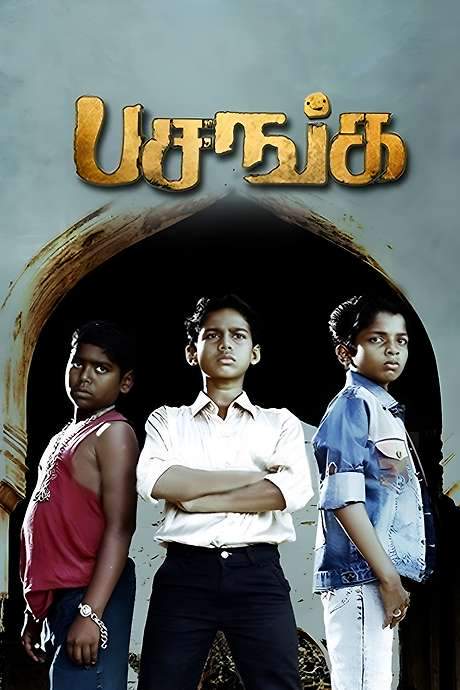
Pasanga (2009) movie poster

Timeline

Pasanga (2009) Timeline Explained – Every Event in Order

Release, runtime and language
2009 · 158 mins · Tamil
Loading streaming availability…
Directed by
Pandiraj
Starring
Rony David Raj, Jayaprakash, Sujatha Sivakumar, Kishore DS, Vega Tamotia, Vimal

Two boys who instantly dislike each other learn to forgive after an accident.

On this page (6)
  1. 1 Where to watch
  2. 2 Events in order (14)
  3. 3 Timeline questions answered
  4. 4 Movie threads
  5. 5 Movies like Pasanga
  6. 6 Every angle
Loading streaming availability…

14 events in order · contains spoilers

Pasanga Timeline: Events in Chronological Order

Every key event of Pasanga (2009) in order, scene by scene, with when and where it takes place. Use it to untangle flashbacks, time jumps and parallel storylines, to refresh your memory before the sequel or to find the exact scene you are thinking of.

  1. First day of school brings unlikely meeting

    On the first day of school, Anbukkarasu and Jeevanandam meet and immediately clash. Anbu is portrayed as a bright, promising child who aims to excel, while Jeeva forms a quick, hostile opinion of him. The seeds of a long-standing rivalry are sown in the school's corridors and classrooms.

    When
    Start of the school year
    Where
    Village school
  2. Anbu excels academically and Jeeva's growing resentment

    Over the following months, Anbu excels academically and in extracurriculars, drawing the attention of teachers and peers. Jeeva channels his envy into disdain, widening the rift between them. The contrast between their paths deepens the tension in the village.

    When
    First months of the school year
    Where
    Village school
  3. Manonmani enters and gravitates toward Anbu

    Enter Manonmani, Jeeva's cousin, who grows fond of Anbu and supports him. Jeeva's resentment toward Anbu intensifies despite Manonmani's affection. The trio's dynamic locks in the evolving antagonism that marks their childhood.

    When
    Early in the school year
    Where
    Village
  4. Parents' differing life views spark a family rift

    Anbu's parents hold opposing views on life, leading to a tense quarrel at home. Jeeva seizes the opportunity to wound Anbu by highlighting the feud in front of others. The family discord begins to spill into the boys' friendship and schooling.

    When
    Mid-school year
    Where
    Anbu home
  5. The feud escalates beyond the boys to their families

    A fight between Anbu and Jeeva escalates and involves their families, splitting the entire community. Friends and relatives take sides as old loyalties clash with new tensions. The rift threatens the boys' future interactions and the village's harmony.

    When
    Mid year
    Where
    Village homes
  6. Elders intervene; forgiveness begins to bridge the gap

    Elders from both sides intervene, and forgiveness starts to bridge the gap. Jeeva's father speaks with Anbu's father about letting go of grudges. Slowly, the families begin to mend their relationship and move toward common ground.

    When
    Later year
    Where
    Village meeting place / homes
  7. Love story twist: Meenakshi Sundaram falls for Soppikannu

    Meenakshi Sundaram, Anbu's uncle, falls in love with Soppikannu, Jeeva's sister. This romantic turn adds a new thread to the story and hints at a broader reconciliation. The adults' bond starts to reflect the changing attitudes among the younger generation.

    When
    Late in the school year
    Where
    Meenakshi Sundaram's home
  8. Families unite through Meenakshi and Soppikannu's marriage

    Meenakshi Sundaram and Soppikannu's engagement leads to marriage plans that unite the two families. While Jeeva and Anbu privately resist, the public alliance marks a turning point toward harmony. The two households begin to picture a shared future.

    When
    Post-engagement
    Where
    Wedding venue / family homes
  9. End of sixth grade: class letter assignment

    At the end of sixth grade, the class is asked to write letters about good and bad events from the past year. The exercise becomes a platform for Anbu and Jeeva to express their evolving feelings. They reveal personal perspectives that set the stage for a possible reconciliation.

    When
    End of sixth grade year
    Where
    Classroom
  10. Anbu confesses his liking for Jeeva

    During the letter activity, Anbu openly expresses that he likes Jeeva, while Jeeva still voices his dislike. The moment captures the complexity of their relationship as a bond begins to soften amid stubbornness. It foreshadows a potential friendship if both can move past pride.

    When
    End of sixth grade year
    Where
    Classroom
  11. Manonmani guides Jeeva toward understanding Anbu's change

    Manonmani helps Jeeva see that Anbu has changed his life for the better through his actions and friendship. Jeeva starts reconsidering his harsh attitudes and gradually accepts the possibility of friendship. The shift marks a turning point in their personal dynamics.

    When
    Around the same period
    Where
    Schoolyard / home
  12. Anbu suffers a sudden accident; Jeeva's encouragement fuels recovery

    Anbu undergoes a sudden accident, sparking concern across the village. Jeeva's encouragement becomes a catalyst for his recovery, signaling a deepening bond. The event tests their growing trust and friendship.

    When
    After the accident
    Where
    Village
  13. Jeeva apologizes; friendship is rekindled

    Jeeva offers a heartfelt apology, acknowledging Anbu's changed life and the value of their relationship. The two boys begin to reconnect as friends, leaving past feuds behind. The reconciliation sets a hopeful tone for their future.

    When
    Post-accident
    Where
    Classroom / village grounds
  14. Meenakshi Sundaram and Soppikannu marry; a new chapter for the families

    The film closes with the marriage of Meenakshi Sundaram and Soppikannu, bringing the families together. The wedding symbolizes healing and a fresh start for Anbu and Jeeva's friendship. The community looks ahead with renewed unity and possibility.

    When
    End of story
    Where
    Wedding venue

Last updated: October 09, 2025 at 11:02

Was this helpful?

Timeline questions answered

Pasanga Timeline Explained: Your Questions Answered

When does it happen, and why in that order? The questions people ask about the chronology of Pasanga (2009): time jumps, flashbacks, cause and effect between scenes and the correct order of events, each answered with spoilers.

Q1

Why does Jeeva dislike Anbu right after they meet?

Jeeva forms an instant dislike for Anbu on their first day of school. The exact reason isn't explicitly stated in the summary, but it appears to stem from Jeeva's personality, his quick judgment and tendency toward hostility. From the moment they cross paths, Jeeva's attitude hardens into a fierce, personal feud that drives much of the story's conflict.

Foreshadowing: The rivalry begins in the school's corridors on the very first day, establishing the animosity that will shape their childhood.

  • jeeva
  • anbu
  • first day school
  • rivalry
  • dislike
Q2

How does Manonmani affect the rivalry between Anbu and Jeeva?

Manonmani, Jeeva's cousin, develops a soft spot for Anbu and supports him throughout the story. Her affection for Anbu draws Jeeva's ire even further, intensifying his resentment. However, she later plays a crucial reconciling role by guiding Jeeva to recognize that Anbu has genuinely changed for the better.

Foreshadowing: Manonmani's presence complicates the rivalry from the start, setting up her later intervention.

  • manonmani
  • anbu
  • jeeva
  • cousin
  • influence
Q3

Why do Anbu's parents' disagreements impact the feud between the boys?

Anbu's parents hold opposing views on life, leading to tense quarrels at home. Jeeva seizes on this family discord, using it as ammunition to wound Anbu by highlighting their family's problems in front of others. The parental conflict spills over into the children's rivalry, widening the rift between the families.

Foreshadowing: The family discord early in the school year gives Jeeva more reason to press his grievance against Anbu.

  • anbu parents
  • family dispute
  • feud escalation
Q4

What triggers the elders to intervene and start reconciling the families?

The feud between Anbu and Jeeva escalates beyond the boys and involves their entire families, splitting the community with friends and relatives taking sides. This widespread conflict threatens the village's harmony, prompting elders from both sides to intervene. Jeeva's father eventually speaks with Anbu's father about letting go of grudges, initiating the path toward forgiveness.

Foreshadowing: The fight escalates from a schoolyard rivalry to a community-wide divide, making intervention necessary.

  • elders
  • reconciliation
  • families
  • forgiveness
  • village
Q5

How does Meenakshi Sundaram falling in love with Soppikannu help resolve the conflict?

Meenakshi Sundaram, Anbu's uncle, falls in love with Soppikannu, Jeeva's sister. This romantic connection creates a bridge between the two families. Their budding relationship brings the households closer, signaling a potential harmony that the boys' rivalry might finally share. The engagement and marriage plans unite the families publicly, marking a turning point toward reconciliation.

Foreshadowing: This love story introduces a new thread in late school year that hints at broader family reconciliation.

  • meenakshi sundaram
  • soppikannu
  • marriage
  • families unite
  • love story
Q6

Why does Anbu's accident become a turning point in his friendship with Jeeva?

Anbu suffers a sudden accident that sparks concern across the village. During Anbu's recovery, Jeeva's encouragement becomes a catalyst for their bond to deepen. This moment of vulnerability transforms their relationship, Jeeva moves from rivalry to supportive friendship, and the shared experience of overcoming hardship helps forge a genuine connection.

Foreshadowing: The accident occurs after Anbu has already expressed liking Jeeva in the class letters, creating the conditions for Jeeva's response.

  • anbu accident
  • jeeva encouragement
  • recovery
  • turning point
  • friendship
Q7

Why does Jeeva apologize to Anbu after the accident?

After witnessing Anbu's accident and recovery, Jeeva offers a heartfelt apology, acknowledging that Anbu has genuinely changed his life for the better. Manonmani had guided Jeeva to see Anbu's positive transformation. The combination of Manonman's guidance, Anbu's changed behavior, and the emotional impact of the accident prompts Jeeva to set aside his pride and apologize.

Foreshadowing: Manonmani's intervention before the accident prepares Jeeva to accept Anbu's change when the crisis occurs.

  • jeeva apology
  • anbu
  • reconciliation
  • pride
  • friendship begins
Q8

What important moment happens during the class letter assignment at the end of sixth grade?

At the end of sixth grade, the class is asked to write letters about good and bad events from the past year. During this exercise, Anbu openly expresses that he likes Jeeva, while Jeeva still voices his dislike. This moment reveals Anbu's growing affection despite the ongoing rivalry and sets the emotional stage for their eventual reconciliation.

Foreshadowing: Anbu's confession in the letter foreshadows the friendship that will develop after the accident.

  • class letter
  • sixth grade
  • anbu confession
  • jeeva feelings
Q9

How does the wedding at the end resolve the story's conflicts?

The film concludes with the marriage of Meenakshi Sundaram and Soppikannu, uniting the two families that had been divided by the boys' rivalry. The wedding symbolizes healing and a fresh start. Simultaneously, Anbu and Jeeva's friendship has been rekindled through Jeeva's apology, creating a hopeful tone where both families look ahead with renewed unity and possibility.

Foreshadowing: The marriage represents the culmination of the reconciliation arc that began with the elders' intervention.

  • wedding resolution
  • families unite
  • happy ending
  • new chapter

Movie threads

More Movies Like Pasanga, by Mood & Story

Curated lists built around what makes Pasanga tick: the same mood, the same kind of story or the same emotional payoff. Each list explains why these movies belong together.

Movies about childhood rivals becoming friends like Pasanga

Stories where youthful competition gives way to deep and lasting friendship. If you liked watching the boys in Pasanga overcome their rivalry, you'll enjoy these movies about childhood friendships born from conflict. Discover similar stories where initial dislike between kids transforms into a strong, supportive bond through forgiveness and shared experiences in school and family life.

  • heartfelt
  • forgiving
  • celebratory
  • nostalgic
  • optimistic
  • resilient
  • Tone: hopeful, heartfelt
  • Pacing: steady, character-driven
Why these movies?

The story pattern: The narrative follows a clear arc of conflict, escalation, a turning point (often an accident or shared challenge), and a heartfelt resolution. The focus is on personal growth and learning empathy, usually set against the backdrop of school and family life, leading to a celebratory and happy conclusion.

Why they belong together: Movies in this thread are grouped by their shared focus on a specific, relatable character arc. They deliver a satisfying emotional payoff rooted in forgiveness and optimism, making them perfect for viewers seeking heartfelt stories about the positive transformations of youth.

Hopeful family dramas similar to Pasanga

Uplifting dramas where family challenges lead to growth and reconciliation. Find more movies like Pasanga that blend family conflict with an uplifting message. These heartfelt dramas explore themes of forgiveness and personal growth within a family setting, offering a steady pace, medium emotional intensity, and a conclusively happy ending that leaves you feeling optimistic.

  • hopeful
  • heartfelt
  • resilient
  • optimistic
  • forgiving
  • celebratory
  • Tone: hopeful, resilient
  • Pacing: steady, linear
Why these movies?

The story pattern: Stories typically revolve around interpersonal conflicts within a family or community that test relationships. The pacing is steady, allowing characters to develop and grapple with their issues. A pivotal event often serves as a catalyst for change, leading to communication, understanding, and a harmonious resolution that strengthens familial bonds.

Why they belong together: These movies share a specific tonal mix: they are dramatic enough to feel substantive but are fundamentally hopeful and avoid bleakness. They offer a comforting viewing experience where challenges are met with grace and result in positive change, making them ideal for those seeking emotionally engaging yet reassuring stories.

If you liked this

Movies Like Pasanga

Similar movies to Pasanga: the same genre, themes or kind of story. Each one comes with its own plot summary, timeline and ending explained.

Browse all movie summaries

Every angle

Pasanga (2009) Explained: Plot, Timeline & Characters

Everything about Pasanga in one place: what happens in the plot summary, the timeline in chronological order, the characters and meaning and a spoiler-free summary. What's After the Movie adds the cast, box office and post-credit scenes.

Coming soon on iOS and Android

The Plot Explained Movie Summary App

Plot summaries, endings explained and timelines on your phone. Catch up on any movie in minutes, save your favorites and never miss a twist again.

Be the first to know when we launch. Your email stays private, always.

Learn more about the app