Year: 2013
Runtime: 122 mins
Language: Korean
Director: Lee Joon-ik
Following a devastating sexual assault, eight-year-old So-won’s family struggles to help her recover while confronting their own profound grief and anger. They are determined to protect her and ensure she never experiences such pain again, navigating a difficult journey of healing and resilience.
Warning: spoilers below!
Haven’t seen Hope yet? This summary contains major spoilers. Bookmark the page, watch the movie, and come back for the full breakdown. If you're ready, scroll on and relive the story!
Read the complete plot breakdown of Hope (2013), including all key story events, major twists, and the ending explained in detail. Discover what really happened, and what it all means.
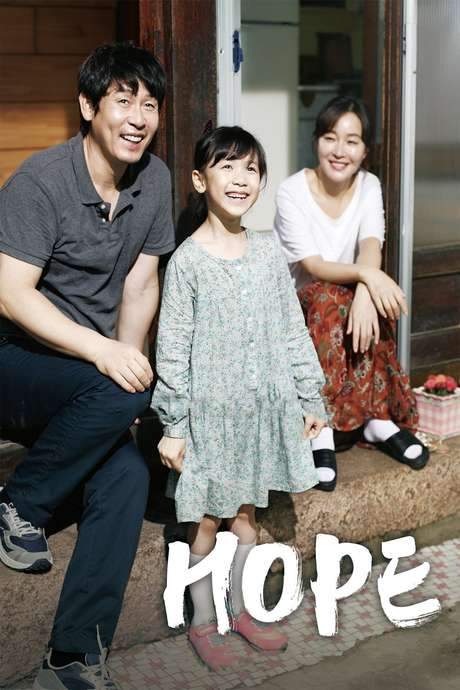
So-won, Lee Re, is an eight-year-old girl who enjoys a carefree life with her parents, Dong-hoon Sul Kyung-gu and Mi-hee Uhm Ji-won. One rainy morning, she is late for school and sets off on foot, hoping to reach on time. Along the way a stranger approaches and asks to share his umbrella, an encounter that turns terrifying as he abducts her. The attacker, Mr. Kim Yoon Jong-goo, rapes and brutalizes her, leaving her badly scarred but miraculously alive, able to call an ambulance.
In the hospital, doctors discover internal injuries and perform emergency surgery; the prognosis is serious, and So-won will have to wear a colostomy bag for the rest of her life. Three days after the assault, Jung-sook Kim Hae-sook, the psychiatrist, arrives to speak with the family and guide them through the emotional aftermath. With her support, So-won begins to navigate the trauma, and, using photos in a lineup, she identifies her attacker, a moment that provides a sense of agency while deepening the family’s pain.
Meanwhile, the case draws intense media attention. Dong-hoon tries to visit the police to learn more, while Mi-hee wrestles with fear and sorrow as reporters congregate at the hospital. The news coverage brings the incident home in a new, invasive way, and the family’s sense of safety continues to erode. The strain intensifies when a late-night incident underscores So-won’s vulnerability: a leak from her colostomy bag as Dong-hoon carries her to a new room, followed by Mi-hee’s fainting from exhaustion and shock.
Adding to their burden, Mi-hee reveals she is five months pregnant, deepening the emotional stakes for everyone. Dong-hoon’s own heartbreak grows as he witnesses his daughter’s fear of men and the difficulty of communicating with her after such trauma. Desperate to reach her, he searches for a way to bridge the gap, eventually choosing a bold, symbolic path: he dresses up in her favorite mascot costume and becomes a living link to her world. The Cocomong disguise proves to be a turning point; So-won reaches out, hugs him, and the two share a moment of closeness that begins to restore trust—though she remains wary of the world around her.
Therapy continues to shape So-won’s recovery. She learns to express herself with the help of a magnetic erase board and starts to reclaim her voice, bit by bit. The family returns home, and even as signs of healing appear, So-won still experiences flashbacks when she revisits the scene of the crime, sometimes causing her to vomit in response to the memory. The house itself becomes a symbol of renewal, as neighbors leave positive notes and the home is cleaned and prepared for their return.
Young-seok, Jang Dae-woong as So-won’s friend, returns with remorse for how he abandoned her that day. He visits Dong-hoon and apologizes, offering comfort and even candy as a small gesture of reconciliation. He also informs the community about So-won’s needs at school, including the request to limit contact with male teachers to keep her at ease. Dong-hoon supports his daughter by creating small coping aids, such as a candy-filled bag to help her cover the sounds from the colostomy bag.
As So-won grows more confident, she identifies her attacker once more in court. The man is sentenced to twelve years in prison, a verdict that leaves Dong-hoon with a mix of rage and relief. In a moment of raw emotion, Dong-hoon considers taking action, but So-won’s tearful plea to go home together halts him, and they leave the courtroom side by side.
Time moves forward and life continues to evolve. A baby brother is born, adding new responsibilities and moments of joy to the family. So-won returns to school and gradually re-engages with her interests, especially papercrafts, finding calm in creativity. The film closes on a hopeful note: So-won is back to playing with her brother, lifting a paper plane into the air, a small sign of resilience and the possibility of a brighter, safer future.
Last updated: October 01, 2025 at 10:24
Explore frequently asked questions about Hope (2013) with spoiler-rich answers covering the full plot summary, major story beats, character motivations, hidden details, and ending meaning. This movie summary FAQ helps explain confusing scenes, plot twists, and narrative decisions in clear, searchable detail.
Dong-hoon dresses as Cocomong because So-won has become terrified of men after the assault and refuses to look at or communicate with him. Unable to reach her through normal means, he borrows her favorite mascot costume to create a safe, non-threatening way for her to reconnect with him. The disguise works, and So-won finally hugs him, beginning to restore their bond.
Mi-hee faints from exhaustion and shock after So-won's colostomy bag leaks during a room transfer. The incident symbolizes the overwhelming physical and emotional toll the family is experiencing, as Mi-hee has been struggling to cope with her daughter's trauma while also dealing with the stress of the media attention and her pregnancy.
So-won vomits when passing the site where she was attacked because she experiences a traumatic flashback to the assault. The location triggers vivid memories of the violence she suffered, causing a physical reaction. This demonstrates that despite apparent healing progress, certain triggers still deeply affect her.
Young-seok feels guilty because he was supposed to be with So-won that morning but ditched her to buy snacks. If he had been with her, she would not have been walking alone when the attacker approached. His guilt drives him to visit Dong-hoon, apologize, and later advocate for accommodations at So-won's school.
So-won needs a colostomy bag because the assault caused severe internal injuries that required emergency surgery. The doctors removed part of her intestines and created a stoma, which allows waste to be collected in the bag. This permanent physical change represents one of the lasting impacts of the trauma on her body.
Jung-sook's intense dedication stems from her own tragic history: her own daughter experienced a similar assault and later died, and Jung-sook herself attempted suicide afterward. This personal connection to trauma drives her mission to help other survivors and their families, making her investment in So-won's recovery deeply personal.
So-won identifies her attacker in court for the second time, stating he smelled of alcohol during the assault. The man is sentenced to twelve years in prison. The verdict brings mixed emotions, relief for justice, but also renewed rage for Dong-hoon, who almost acts violently before So-won pleads to go home together.
The paper plane at the end symbolizes So-won's recovery and hope for the future. After months of therapy, the birth of her brother, and gradual healing, she is finally able to engage in childhood activities again. The plane lifting into the air represents her resilience and the family's success in helping her find safety and joy again.
So-won's fear of male teachers stems from her trauma. After the assault by a male stranger, she associates men, especially unfamiliar ones, with danger. The family and school accommodate this by limiting her contact with male teachers to reduce her anxiety and create a safer learning environment during her recovery.
Dong-hoon helps So-won by creating a small bag filled with candy that she can use to cover any sounds from her colostomy bag, reducing her embarrassment around classmates. Young-seok also advocates at school to ensure staff understand her medical needs. These small interventions help So-won feel more comfortable returning to school.
Discover curated groups of movies connected by mood, themes, and story style. Browse collections built around emotion, atmosphere, and narrative focus to easily find films that match what you feel like watching right now.
Powerful stories of families or individuals healing from profound tragedy and pain.If you were moved by Hope's powerful story of recovery, explore more movies like it about resilience against trauma. These films share a journey from profound suffering towards healing, focusing on emotional strength, family bonds, and the hard-fought path to finding light after darkness.
These stories typically begin with a devastating, life-altering event that shatters a character's world. The narrative then follows a methodical, often linear progression through the stages of grief, recovery, and rebuilding. The central conflict is internal, battling trauma, while external support systems like family or therapy provide the foundation for healing.
Movies are grouped here because they share a core narrative of confronting and overcoming severe trauma. They balance a heavy emotional weight with a hopeful, healing-focused tone, creating a specific emotional mix of profound sadness tempered by resilience and tender human connection.
Emotionally intense stories that find profound hope and light amid deep darkness.Searching for more movies like Hope that balance intense emotional weight with a hopeful message? This section collects powerful dramas that tackle difficult subjects head-on but ultimately leave you feeling uplifted and optimistic, focusing on healing and resilience after suffering.
The narrative pattern involves steering the audience through a sustained period of high emotional intensity caused by a central tragedy or conflict. The key differentiator is a consistent undercurrent of hope, often manifested through small acts of kindness, unwavering support systems, or a character's inner strength, which builds towards a cathartic and genuinely positive resolution.
These movies are grouped by their unique tonal balance: they maintain a high level of emotional intensity and heaviness throughout, yet are firmly anchored by a hopeful tone that prevents them from feeling bleak. The experience is defined by this specific contrast between deep sorrow and resilient light.
Don't stop at just watching - explore Hope in full detail. From the complete plot summary and scene-by-scene timeline to character breakdowns, thematic analysis, and a deep dive into the ending - every page helps you truly understand what Hope is all about. Plus, discover what's next after the movie.
Track the full timeline of Hope with every major event arranged chronologically. Perfect for decoding non-linear storytelling, flashbacks, or parallel narratives with a clear scene-by-scene breakdown.
Discover the characters, locations, and core themes that shape Hope. Get insights into symbolic elements, setting significance, and deeper narrative meaning - ideal for thematic analysis and movie breakdowns.