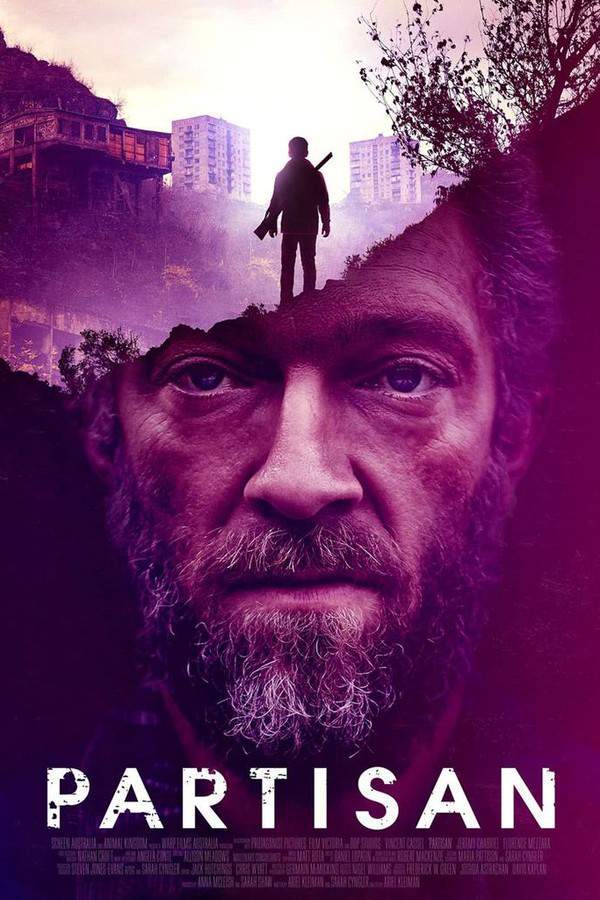
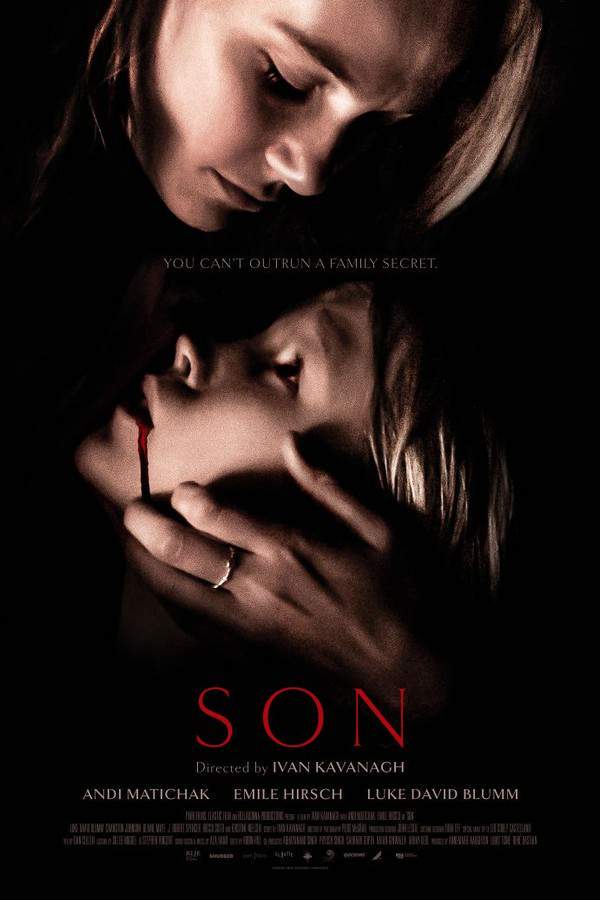
Gregori, Vincent Cassel, operates as the patriarch of a hidden family of child assassins. He adopts Alexander after seeing his mother, Susanna Florence Mezzara, at a hospital, setting the stage for a tightly controlled life for the boy and his peers. For years, Gregori molds a dangerous code: the world is full of terrible men, and these children exist to root them out. A strict routine prevails, and the children are trained to block out noise during hits by wearing earplugs, a ritual that becomes a grim symbol of the lessons they live by.
As time passes, the group grows and so does the pressure to perform. Leo, a friend of Alexander, grapples with self-doubt after a mock assassination, exposing cracks in the façade Gregori has built. The lessons grow sterner and more clinical as Gregori assigns a new mission to Alexander and a girl: eliminate a mechanic. The act is chilling and clinical, underscoring how young lives are husked of innocence in service of a ruthless curriculum. Throughout, the story follows the quiet, unsettling rhythms of a life spent inside a fortress of discipline.
On a quieter, almost intimate note, Alexander witnesses small, human moments that clash with the world he has been trained to inhabit. He sees his mother crying while she is pregnant, a moment that crops up amid a mission’s cold detachment. Later, he steps away from the current task and buys meat at a local grocery store, where the shop owner treats him with unexpected kindness and gives him chocolate, a small beacon of warmth in a life defined by danger and secrecy. These ordinary textures—food, kindness, family—glow in contrast to the lethal work that surrounds him, hinting at the fissures in the system Gregori has built.
Tension thickens as Leo’s discontent grows into defiance. After witnessing a chicken being slaughtered, Leo confronts the harsh reality of the world they’re being prepared to navigate, likening the bird to a Tyrannosaurus rex and fearing its extinction. The moment unsettles him greatly, and soon after, Leo disappears from the compound, leaving a rift in the group and calling into question the authority Gregori wields with such unyielding control.
Amid these pressures, Alexander begins to question everything he has been taught. The moral fog that surrounds his training thickens as Susanna gives birth to Tobias, a baby brother who will almost certainly be shaped by the same brutal world. The arrival of Tobias deepens the emotional stakes, adding a personal dimension to the already fraught life inside the compound.
On Alexander’s third mission, the violence becomes suddenly intimate: he fires and watches a man bleed out, a moment that etches itself onto the boy’s psyche with brutal clarity. As he returns, he encounters a boy who plays with his gun before surrendering it again, a fleeting reminder of childhood spontaneity that clashes with the duties he has shouldered since youth. The encounter lingers in the memory, echoing the tension between innocence and the functions of their violent training.
When Alexander finally returns home, he takes Tobias with him, a gesture that crystallizes the personal stakes behind the mission-driven life. The tension peaks in a stark, unflinching close: Gregori confronts Alexander as the camera lingers on the moment, before the frame settles on a chilling image—Alexander points his gun at Gregori, Tobias’ ears protected by earplugs, a symbol of the fragile barrier between childhood and the violence that surrounds them.
In this deeply controlled world, the story traverses loyalty, fear, and the elusive boundaries between family and coercion. The performances hinge on quiet, restrained atmospheres rather than overt explosions, allowing the uncanny steadiness of the training to reveal its own horror. The film quietly probes how a child’s sense of right and wrong can be tempered, expanded, and finally tested to the breaking point when the line between protector and predator becomes dangerously blurred.