Year: 1993
Runtime: 103 mins
Language: English
Director: James Glickenhaus
A brutal murder triggers an intense hunt for an elusive child‑killer. A veteran FBI agent teams with his prodigy son to track the schizophrenic, self‑styled 'new Noah'—a radical extremist who claims divine selection. Their relentless pursuit pits law enforcement against a fanatical mind.
Find where to stream, rent, or buy Slaughter of the Innocents (1993) in the US with current JustWatch availability, up-to-date pricing, and platform listings for subscription, rental, and digital purchase options.
Warning: spoilers below!
Haven’t seen Slaughter of the Innocents yet? This summary contains major spoilers. Bookmark the page, watch the movie, and come back for the full breakdown. If you're ready, scroll on and relive the story!
Read the complete plot breakdown of Slaughter of the Innocents (1993), including all key story events, major twists, and the ending explained in detail. Discover what really happened, and what it all means.
In Timberlake, Utah, two girls are murdered by a hooded figure, setting a grim pattern that will haunt a family for years. Five years later, the case resurfaces in the form of a troubling connection that fascinates a gifted FBI agent, Stephen Broderick. He is based in Cleveland, and the investigation is personal for him because his 10-year-old son, Jesse, has a remarkable talent for noticing details others miss. Jesse starts to see parallels between the old Utah killings and a fresh set of assaults, clues that seem to point to a single, chilling method.
In both episodes, the victims’ mothers report a sighting of an elderly woman in a black dress, appearing on the roadside and silently placing something into a basket. This eerie pattern becomes the cornerstone of the father-and-son team’s hunt. When Broderick travels to Draper Penitentiary to consult with the man condemned for the Provo Canyon massacre— Bobby Martel—the scene broadens beyond a local mystery. He is greeted by [Roxanne Lemar], an FBI agent who helps push the investigation forward. Although footprints place Martel near the crime scenes, authorities want to recheck a pubic hair found on a victim using a modern test that wasn’t available at the time. The warden, [Warden Bates], refuses to delay the execution, and Martel dies before the new tests could be completed, leaving the question of innocence unsettled.
Back in Timberlake, Broderick begins to suspect a disturbing possibility: Martel may have come to watch as the girls were targeted, a grim hint that the killer’s presence is both voyeuristic and ritualistic. He and Jesse return to the town, where Jesse discovers sage at the site tied to the old woman’s sighting. As Jesse pieces together details about the killer’s signature, he learns that one of the victim’s ribs was taken and that sandal prints exist, suggesting a disturbing, almost hedonistic attempt to imitate a higher power. The killer then murders the owner of a general store, shouting a chilling line while stealing two taxidermied birds.
Using a computer program, Jesse connects the general store assault to the earlier crimes, expanding the profile of the perpetrator. The pair visit the crime scene and compile new data to refine their growing picture: the killer stands about 6 feet 2 inches tall, weighs roughly 205 pounds, is right-handed, has no known arrest record, and belongs to blood type B. He also appears to be neglectful of dental care and drives a pre-1968 Volkswagen van. The clues hint that this man is methodical, cold, and obsessed with ritualistic symbolism.
A new twist arrives when a young girl is abducted at a gas station. The emergency pulls Broderick back to Utah, while Jesse returns home. The Utah authorities discover a house emitting a foul odor, and [Officer Olmon] discovers sage hanging from the ceiling, with a scene of a man, a woman, and a little girl in black robes, along with a ritualistically murdered boy. Broderick investigates the house of the cultists linked to a Moab religious sect, and the killer subsequently visits a public library to gaze at books on Flemish paintings. A tip from the library helps confirm that a man matching the killer’s description has been there recently, and fingerprints from the earlier crimes begin to match as well.
Among the volumes checked out by the suspect is a book called Mother Less Child, a title that broadens the case in unsettling ways, and a reference to a 1930s mystic named Sarah Proctor who stored corpses and masked odors with sage—an echo of the killer’s own ritualistic behavior. [Jesse] notices another clue in an old police report about the Salt Lake City Zoo, where two giraffes were stolen. He arranges travel to Salt Lake City using his father’s card, while Broderick and Roxanne close in on the former Moab sect leader, a figure who has transformed into a Neo-Nazi and becomes a dangerous antagonist. The confrontation turns deadly, and Vale is killed, forcing Jesse to take decisive action of his own.
Jesse’s quick thinking leads to a breakthrough: at the zoo, he uses personal information about a staff member to coax the truth about the giraffes’ disappearance. Inside the perpetrator’s locker, the clue-laden name Mordecai Booth surfaces, and a bible-page fragment ties him to the crimes. Cross-checking the imagery with locations near Booth’s PO box locates a closed uranium mine near Castle Rock. The hunt accelerates as Jesse rents a dirt bike and speeds toward the mine, while Broderick hacks into Jesse’s computer to retrieve the coordinates.
Inside the mine, a chilling display unfolds: tortured figures and a life-size ark loaded with the dead and taxidermied animals. Booth captures Jesse and binds him to the ark, where his gruesome ark-building experiment nears completion as he prays for rain. Kristi, a survivor who remains alive, is near the peril, and Booth’s cryptic ritual reaches a fever pitch. Broderick arrives, wounds Booth, and frees the children just as the ark tears toward a cliff. The ark collapses, Booth is killed, and Roxanne arrives to help seal the fate of the killer.
In the aftermath, Broderick honors the memory of Bobby Martel by purchasing a cemetery plot, a somber conclusion that underscores the long road from a pair of brutal murders to a father’s resolve and a child’s insight. The story fuses investigative tenacity with a family’s resilience, weaving together forensics, cryptic symbolism, and a perilous chase that stretches from small-town streets to a hidden mine and a climactic, high-stakes rescue.
Last updated: October 09, 2025 at 14:05
Explore frequently asked questions about Slaughter of the Innocents (1993) with spoiler-rich answers covering the full plot summary, major story beats, character motivations, hidden details, and ending meaning. This movie summary FAQ helps explain confusing scenes, plot twists, and narrative decisions in clear, searchable detail.
Jesse Broderick has an exceptional talent for noticing small details that others miss. His father Stephen, a veteran FBI agent, recognizes this ability and begins sharing case files with him. Jesse's unique pattern recognition helps connect the Utah murders to earlier crimes, making him a valuable asset despite his young age.
The elderly woman in the black dress appears to be a deliberate decoy or part of the killer's ritual. Witnesses see her placing something in a basket at the roadside before the murders occur. Investigators later realize this is likely the killer himself in disguise, using the ominous figure to distract witnesses while he carries out the abductions.
Bobby Martel was sentenced for the Provo Canyon massacre and scheduled for execution. Despite new evidence that could prove his innocence, a pubic hair found on a victim that could be tested with modern techniques, the warden refused to delay the execution. Martel died before the test could be completed, leaving the question of his guilt unresolved.
The killer uses sage to mask the smell of decomposing bodies, a technique he appears to have learned from researching a 1930s mystic named Sarah Proctor who stored corpses and used sage to mask odors. The sage also ties into his ritualistic symbolism, he is attempting to imitate divine selection and uses the herb as part of his religious persona.
The giraffe theft connects to the killer's obsession with Noah and the Ark. Mordecai Booth steals two giraffes as part of his ritualistic plan to fill his ark with animals, mimicking the biblical flood story. The stolen giraffes are later found in his underground lair among the taxidermied animals.
The killer is Mordecai Booth, a man who believes he is divinely selected like Noah from the Bible. He builds a full-scale ark in an abandoned uranium mine and fills it with taxidermied animals, believing he must recreate Noah's flood mission. His self-styled 'new Noah' identity drives his ritualistic murders and abductions of children.
Jesse connects multiple clues: he discovers the name Mordecai Booth in a locker at the Salt Lake City Zoo, finds a bible-page fragment with imagery, and cross-references the location with Booth's PO box address. This leads him to identify a closed uranium mine near Castle Rock. He rents a dirt bike and heads there to find his father already in pursuit.
The killer removes one of the victims' ribs as part of his ritualistic approach to imitating God. This aligns with his belief that he is divinely selected, mimicking the biblical creation of Eve from Adam's rib. The rib-taking represents his distorted religious motivation and his attempt to play god through his crimes.
Inside the uranium mine, Jesse discovers a life-size ark filled with tortured bodies and taxidermied animals. Booth captures Jesse and binds him to the ark as it begins moving toward a cliff while he prays for rain. Stephen Broderick arrives, shoots and wounds Booth, and climbs aboard to free the children. The ark then crashes off the cliff, killing Booth.
Roxanne Lemar is assigned to assist Broderick on the case, particularly during his visits to Draper Penitentiary and the Utah investigation. She provides support during the confrontation with former cult leader Robert Vale, who is killed in the struggle. She arrives at the climax to help secure the scene after Booth's defeat.
Broderick purchases a cemetery plot for Bobby Martel as a somber tribute to the man who may have been wrongly executed. Since Martel died before DNA tests could prove his innocence, the burial plot represents Broderick's acknowledgment of Martel's potential innocence and his way of honoring the unresolved injustice.
The killer's ritualistic methods, the use of sage, black robes, and religious symbolism, derive from a Moab religious sect. Broderick investigates the former sect leader Robert Vale, who has transformed into a dangerous Neo-Nazi. While Vale is not the primary killer, the cult's beliefs influenced Booth's 'new Noah' persona and his use of ritualistic elements.
The book Mother Less Child, checked out by the killer from the public library, reflects his obsession with children and religious selection. Along with references to Sarah Proctor, who stored corpses and used sage, this book represents the macabre influences that shaped Booth's twisted ideology and his self-image as a divinely chosen figure.
Discover curated groups of movies connected by mood, themes, and story style. Browse collections built around emotion, atmosphere, and narrative focus to easily find films that match what you feel like watching right now.
Stories of methodical investigators hunting fanatical killers with a dark purpose.If you liked the tense, methodical hunt in Slaughter of the Innocents, you'll find similar stories here. These movies feature FBI agents or detectives tracking elusive serial killers with fanatical beliefs, combining gritty police work with high emotional stakes and disturbing themes.
The narrative follows a linear investigative path, often involving a seasoned expert paired with a protege. The central conflict pits logic and forensics against a killer's delusional, often religious or ritualistic, worldview. The plot unfolds through a series of clues, red herrings, and escalating threats, building towards a climactic confrontation to stop the killing spree.
Movies in this thread share a specific focus on the 'why' behind the murders, not just the 'who'. The shared experience is a tense, cerebral cat-and-mouse game against a formidable, ideologically-driven antagonist, with a steady pace that emphasizes the grim, procedural nature of the investigation.
Crime stories where justice is served but emotional scars remain.For viewers who appreciated the complex emotional payoff of Slaughter of the Innocents, this section features similar movies. These stories deliver catharsis through solved cases or captured criminals, but leave a somber aftertaste by focusing on the lingering pain, loss, and unresolved grief that justice cannot erase.
The narrative journey involves pursuing a goal, often justice or safety, which is technically achieved by the end. However, the emotional arc concludes on a melancholy note, emphasizing the personal sacrifices, traumatic revelations, or systemic failures that the victory could not undo. The ending feels earned but sobering.
These films are grouped by their shared emotional trajectory: a heavy, intense journey that concludes with a mix of relief and sorrow. They resonate with viewers seeking realism and depth, offering conclusions that are satisfying yet emotionally complex, refusing simple happy endings.
Don't stop at just watching - explore Slaughter of the Innocents in full detail. From the complete plot summary and scene-by-scene timeline to character breakdowns, thematic analysis, and a deep dive into the ending - every page helps you truly understand what Slaughter of the Innocents is all about. Plus, discover what's next after the movie.
Track the full timeline of Slaughter of the Innocents with every major event arranged chronologically. Perfect for decoding non-linear storytelling, flashbacks, or parallel narratives with a clear scene-by-scene breakdown.
Discover the characters, locations, and core themes that shape Slaughter of the Innocents. Get insights into symbolic elements, setting significance, and deeper narrative meaning - ideal for thematic analysis and movie breakdowns.
Discover movies like Slaughter of the Innocents that share similar genres, themes, and storytelling elements. Whether you’re drawn to the atmosphere, character arcs, or plot structure, these curated recommendations will help you explore more films you’ll love.
Slaughter of the Innocents (1993) Scene-by-Scene Movie Timeline
Slaughter of the Innocents (1993) Movie Characters, Themes & Settings
Slaughter of the Innocents (1993) Spoiler-Free Summary & Key Flow
Movies Like Slaughter of the Innocents – Similar Titles You’ll Enjoy
The Tortured (2012) Story Summary & Characters
The Prodigy (2019) Full Summary & Key Details
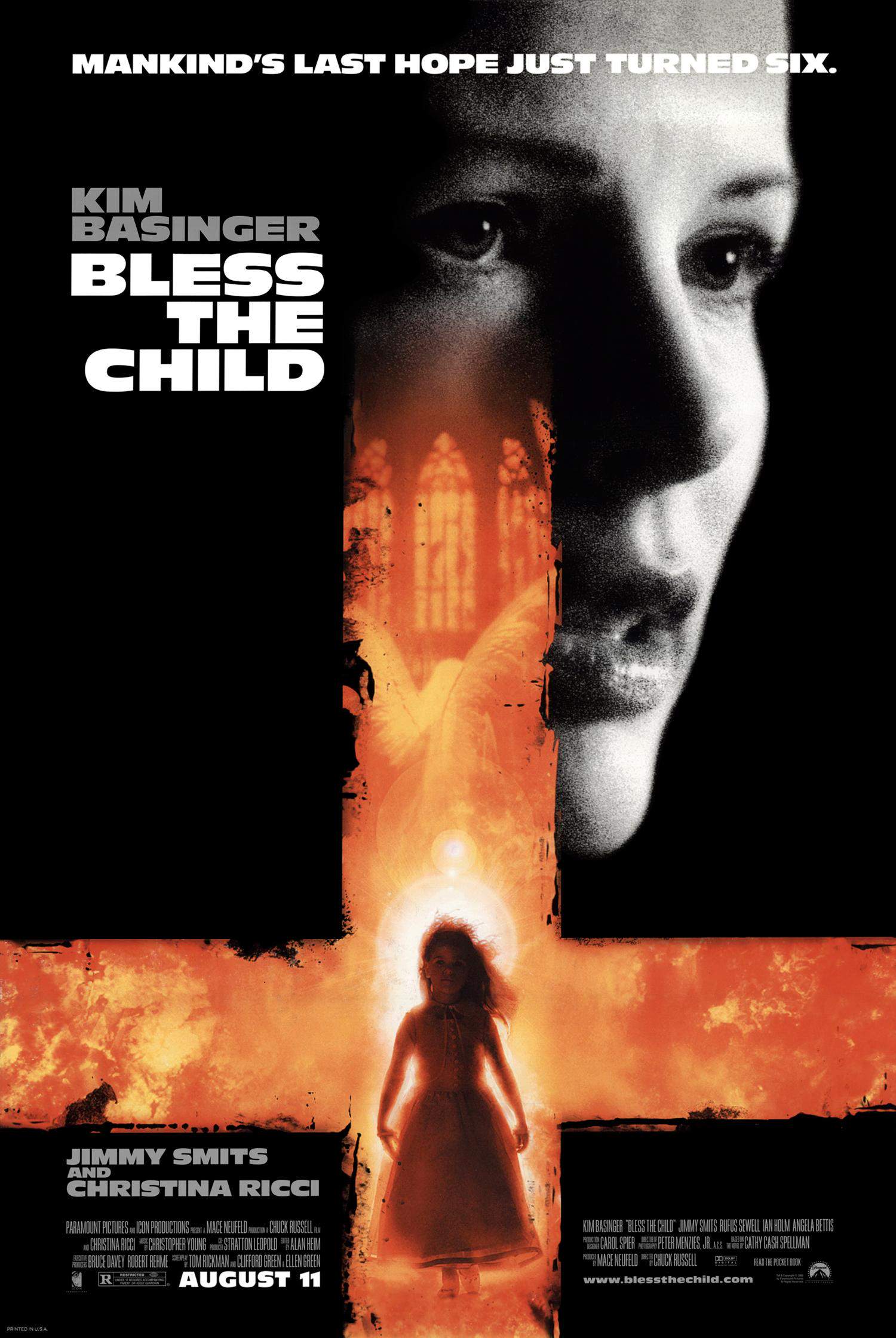
Bless the Child (2000) Detailed Story Recap
The Hunted (2003) Ending Explained & Film Insights
Sacrifice (2000) Complete Plot Breakdown
The Prodigy (2005) Ending Explained & Film Insights
Slaughterhouse (1987) Full Summary & Key Details
Noah’s Shark (2021) Complete Plot Breakdown
When the Bough Breaks (1994) Full Movie Breakdown
One Man’s Justice (1996) Ending Explained & Film Insights
Slaughter (1972) Full Summary & Key Details
Benny’s Video (1992) Movie Recap & Themes
Night Sins (1997) Story Summary & Characters
Resurrection (1999) Plot Summary & Ending Explained
The Slaughter (1971) Plot Summary & Ending Explained