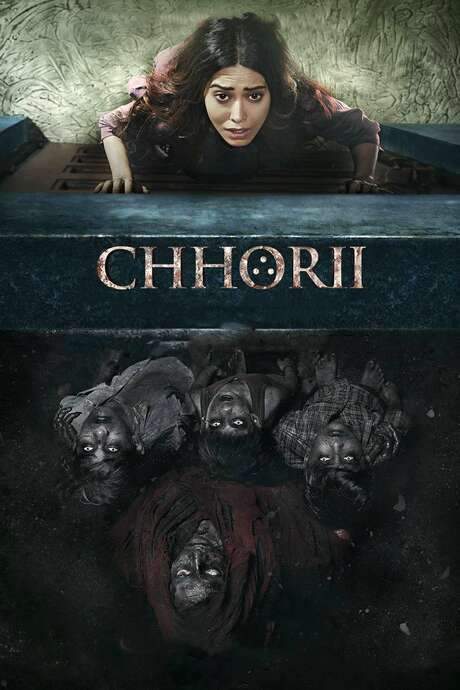
In a rural corner of Bangladesh, a dark myth comes alive through the figure of Ifrit, a demon whose bloodline is supposedly preserved by a secretive cult named Auladhchakra. This group pursues a chilling plan: kidnap women and summon a male demon to sire offspring, hoping to continue the demonic line. A brutal vigilante faction, led by Qavi Khan as Professor Qasim Ali, once hunted these women, keeping them captive until they give birth, only to end the lives of the newborns by decapitating them and sealing the heads in glass jars. Their method inspires fear and opposition among villagers, and while some sympathize with their cause, the drastic violence of their actions ultimately shuts them down.
Rukhsana, the daughter of one woman who survived such a ritual, grows up haunted by the past and slips away from the clutches of that brutal world. The story widens its lens to follow Arnab, a young man who runs a printing press, and Piyali, a nurse who is about to enter an arranged marriage with him. In a heavy rain, their journey home takes a fatal turn when they strike an old woman; the woman dies, and the discovery of a hidden hut in the forest reveals Rukhsana chained and hiding from a past she barely understands. Arnab, moved by compassion and a sense of responsibility, takes her in. Rukhsana, unfamiliar with the modern world, is troubled by unsettling demonic visions, yet she appears to be drawn to Arnab, and a fragile bond forms between them as she begins to trust and love him.
The calm is disrupted when a mortuary assistant uncovers the cult’s mark on Rukhsana’s mother and alerts Professor Ali, who has been pursuing clues about her whereabouts for years. As Rukhsana’s health falters, she experiences a violent awakening—she bites a dog and releases a venom that she cannot control. She opens up about her love for Arnab, and the two share an intimate moment that becomes a turning point in the story. The professor confronts Arnab with the truth, but Arnab’s initial disbelief gives way to a desperate search for answers about Ifrit. A fight with a morgue assistant intensifies the tension, and Rukhsana retaliates by killing the assistant in a display of fierce protectiveness, stepping between Arnab and Piyali.
What follows is a careful unravelling of legend and science. Arnab learns that Ifrit’s offspring are born far earlier than human pregnancies would allow—about one month into life—an idea that shakes him to his core. He reaches back to Professor Ali for help, and the professor arrives with his men. In a dramatic and devastating revelation, Rukhsana admits she is pregnant with Arnab’s child. The professor’s group binds and tortures her in a bid to extract the truth, a cruel act that ultimately leads to her death from the poison she carries. She calls out to Arnab, but he leaves, broken and unsure of what to do next.
Weeks pass, and Piyali visits Arnab at his family home. Through their conversation, he confronts the consequences of his choices, recognizing that he should not have abandoned Rukhsana, and that the child she carries is his. Rukhsana, after enduring further violence, breaks free and makes a final, terrible bid for life—she kills the professor and wounds Piyali before going into labor. Piyali, drawing on her nurse’s training and her difficult history with abortion, helps deliver the baby, a moment that carries a fragile hope. Rukhsana hands the newborn to Piyali and disappears, leaving Arnab to chase the truth to the old hut.
There, he finds the broken, dying figure of Rukhsana. He cradles her as she succumbs, and she makes a final choice to spare him from her poison, letting the venom stay inside her. Before she dies, she insists that their baby is human, a testament to the power of love over hate. In the end, Arnab confronts the magnitude of what has happened and resolves to raise their child, believing that Rukhsana’s love gave the child a future that the demon’s lineage never could. The film closes on a note of cautious, human hope, tempered by the memory of the costs paid in love and sacrifice.