Plot Explained Spoilers guaranteed!
Plot Explained

Browse by genre

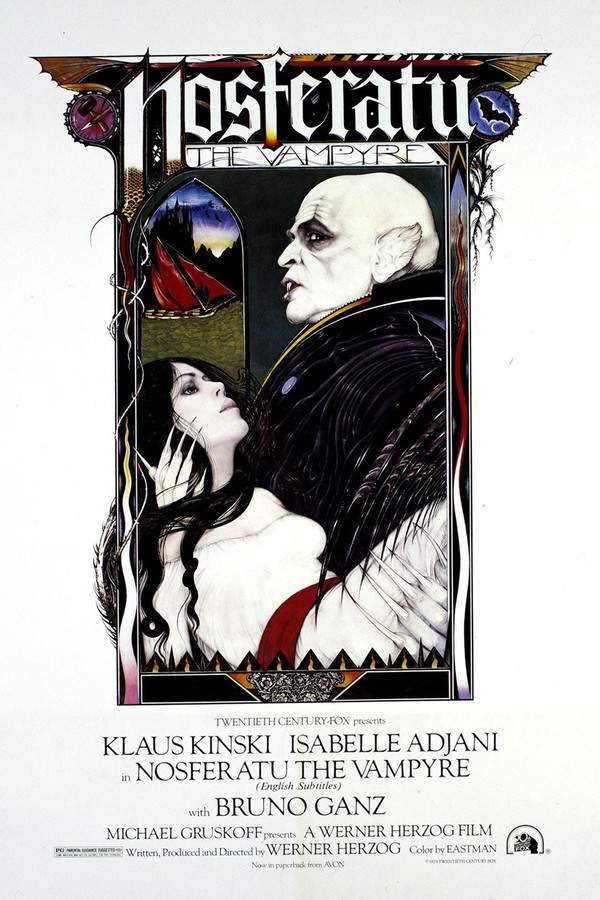
Nosferatu (1922) movie poster

Plot Summary

Nosferatu (1922) Plot Summary Explained

Release, runtime and language
1922 · 95 mins · German
JustWatch #7,266 13
Directed by
F. W. Murnau
Starring
Max Schreck, John Gottowt, Guido Herzfeld, Gustav von Wangenheim, Albert Venohr, Greta Schröder

An eerie symphonic horror begins when Count Orlok summons Thomas Hutter to his isolated Transylvanian castle in the mountains. Orlok plans to buy a house near Hutter and his wife Ellen, then reveals his vampire nature. Hutter must flee the fortress while fearing for Ellen’s safety, as servant Knock prepares the manor for his master’s arrival.

On this page (7)
  1. 1 Where to watch
  2. 2 What happens: full plot
  3. 3 Plot questions answered
  4. 4 The book behind the movie
  5. 5 Movie threads
  6. 6 Movies like Nosferatu
  7. 7 Every angle

Where to watch

Where to Watch Nosferatu (1922)

Where can you watch Nosferatu? Stream, rent or buy it in the US, including on Amazon Prime Video, Bloodstream and Chilling: current JustWatch availability with up-to-date prices.

Streaming availability powered by JustWatch

Full plot summary · contains spoilers

What Happens in Nosferatu: Full Plot Summary

The whole story of Nosferatu (1922) explained, from the opening scene to the final frame: every key event, every twist and what it all adds up to. Read it as a quick recap before the sequel, to check a scene you missed, or to finally understand what really happened.

In the early 1800s, a lonely girl named Ellen [Greta Schröder] prays for a companion to ease her loneliness. She inadvertently contacts a powerful being known as the Nosferatu, forging a psychic link between them that shadows Ellen’s dreams and thoughts with a cold, unblinking presence that seems to reach into her very breath.

In 1838, Ellen marries Thomas Hutter [Gustav von Wangenheim], and the newlyweds settle in the quiet German town of Wisburg. Thomas accepts a lucrative commission from his employer, Knock [Alexander Granach], to sell the decrepit Grünewald Manor to the reclusive Count Orlok [Max Schreck], a deal that could cement his fortunes but unsettles Ellen. She shares her unsettling visions with him, pleading that the warnings are omens, yet he remains practical and hopeful about the opportunity, though her unease only grows louder as the days pass.

Thomas travels to a remote hamlet in Transylvania to finalize the sale, and he is met with cold suspicion from the locals. He rooms at an inn and is warned by an old woman to stay away from Orlok. That night, he witnesses a disturbing scene as Roma travelers unearth and stake a supposed vampire’s corpse, a sight that leaves him shaken. When morning arrives, the hamlet is emptied of life and his horse is gone, leaving him to follow an eerie, unoccupied road that ends with an unmanned carriage that ferries him toward Orlok’s looming castle.

There, Orlok’s presence is overpowering. The Count exerts a strange, almost hypnotic force over Thomas and compels him to sign the purchase documents that dissolve his marriage to Ellen, while also stealing a keepsake—a locket containing a lock of Ellen’s hair. Thomas soon discovers a bite on his chest and grows feverish and fearful. He pleads to depart, but Orlok refuses to let him go, insisting he must stay and recover first. The terror intensifies as Thomas drifts between wakefulness and sleep, noticing additional bite marks that deepen his dread. A frantic attempt to escape ends with him stumbling into a crypt where he finds Orlok resting in a coffin, naked and decayed. He attacks the Count with a pickaxe, but Orlok awakens, and with a pack of hunting dogs at his side, gives chase. Thomas plunges into a river beneath the castle, where Eastern Orthodox nuns soon find and care for him, explaining that Orlok is a solomonar who has become a vampire through a pact with the Devil. Orlok then boards a ship bound for Wisburg, carrying plague-ridden rats that silently kill the crew on the voyage.

Back in Wisburg, Ellen, now under Orlok’s sinister influence, endures seizures and episodes of sleepwalking. Her physician, Dr. Wilhelm Sievers [Professor Sievers], collaborates with his former mentor, the Swiss occultist von Franz, who has been ostracized for his beliefs. After visiting Ellen, von Franz confirms the possession-like effect the Nosferatu has exerted over her, though the Hardings remain skeptical. The pair uncover a crucial truth: the Nosferatu must return to the earth from which they were buried in order to be destroyed.

Thomas returns to Wisburg as Orlok’s plague sweeps through the town. Knock escapes capture, killing a porter, and guides Orlok’s coffin-bearing ship toward Grünewald Manor. Orlok begins to invade Ellen’s dreams more forcefully, revealing how Thomas had annulled their marriage. He demands Ellen submit to him within three days, threatening to kill everyone she loves if she resists. Ellen awakens to find Anna, Harding’s pregnant wife, attacked by plague-ridden rats, and Harding’s refusal to heed Ellen’s warnings drives a wedge between them. Ellen and Thomas are expelled from Wisburg after a heated argument, with Ellen revealing her past entanglement with Orlok and confronting Thomas about the vulnerability he allowed himself to trust.

Harding’s grief-stricken rage erupts into tragedy as he dies in a delirious act, his life claimed by the plague while desecrating his wife’s corpse. Von Franz’s early research suggests a desperate path: a fair maiden’s willing sacrifice could destroy Nosferatu. Knowing that only Ellen can stop the threat—and fearing for those she loves—she collaborates with von Franz to keep Thomas away while the plan unfolds.

Thomas, von Franz, and Sievers finally head to Grünewald Manor with a grim aim: to confront Orlok’s hold and sever the curse. They discover Knock sleeping in Orlok’s coffin and, in a moment of betrayal and miscalculation, they kill him. Realizing von Franz’s deception, Thomas returns to safeguard Ellen as von Franz accelerates the destruction of the vault. In a climactic confrontation, Ellen confronts Orlok in her own chamber, re-pledging herself to him in a desperate bid to buy time. Orlok feeds on her until sunrise, but the precious, life-saving light proves too strong, and the Count is undone by the rays of day.

Thomas arrives moments later to hold Ellen’s hand as she dies, her sacrifice lifting the plague’s grip from Wisburg. Von Franz confirms that Ellen’s act has freed the town from Nosferatu’s terror, but at the cost of her life, leaving a quiet, sorrowful end to a tale of fear, devotion, and the costs of confronting the darkness.

Last updated: October 09, 2025 at 11:24

Was this helpful?

Plot questions answered

Nosferatu Plot Explained: Your Questions Answered

The questions people ask most about Nosferatu (1922): what happens in the confusing scenes, why the characters do what they do, the twists, hidden details and what the ending means. Each answer contains spoilers.


Q1

Why did Ellen pray to the Nosferatu and create a psychic link?

Ellen was a lonely young girl in the early 1800s who prayed for a companion to ease her isolation. Through this desperate prayer, she inadvertently contacted the ancient vampire known as the Nosferatu, creating a psychic bond that would shadow her dreams and thoughts for decades. This connection made her uniquely vulnerable to Orlok's influence later in life, as the vampire used this link to reach her across distance.

Foreshadowing: The opening scene establishes Ellen's loneliness as the catalyst that first drew the Nosferatu's attention.

  • ellen
  • nosferatu
  • psychic link
  • prayer
  • connection
Q2

What document did Orlok force Thomas to sign at his castle?

Orlok compelled Thomas to sign a document that officially dissolved his marriage to Ellen. This legal dissolution was part of Orlok's supernatural manipulation, designed to sever Thomas's ties to Ellen before the vampire traveled to Wisburg to claim her. The document represented Orlok's claim over Ellen and his intent to break her connection to human society.

Foreshadowing: The forced dissolution foreshadows how Orlok systematically destroys Ellen's human relationships.

  • document
  • marriage
  • orlok
  • thomas
  • dissolution
Q3

Why did Count Orlok want to buy Grünewald Manor near Wisburg?

Orlok purchased Grünewald Manor specifically to be close to Ellen, whom he had mentally pursued since their psychic connection began decades earlier. The manor served as his base to systematically pursue and possess Ellen, using the proximity to strengthen his influence over her dreams and eventually force her submission.

Foreshadowing: Orlok's interest in the property directly correlates with his obsession with Ellen.

  • orlok
  • grunewald manor
  • wisburg
  • purchase
  • ellen
Q4

How can a Nosferatu be destroyed according to the film?

Von Franz's research revealed that a Nosferatu must return to the earth from which it was buried in order to be destroyed. Additionally, the occultist discovered that a fair maiden's willing sacrifice could destroy the vampire. This knowledge became crucial in planning Ellen's ultimate act to save Wisburg.

Foreshadowing: Von Franz's research earlier in the film establishes the rules for Orlok's destruction.

  • nosferatu
  • destroy
  • kill
  • von franz
  • sacrifice
  • earth
Q5

Why did Ellen need to sacrifice herself to stop Orlok?

Ellen had to willingly offer herself to Orlok, allowing him to feed on her until sunrise. By keeping him occupied and distracted with her blood, she prevented him from escaping the sunlight. When dawn broke, the sunlight destroyed the vampire because he was unable to retreat to his coffin in time. Her sacrifice was the only method powerful enough to bind a Nosferatu until daylight arrived.

Foreshadowing: Von Franz's earlier research about a maiden's sacrifice directly leads to Ellen's decision.

  • ellen
  • sacrifice
  • sunrise
  • orlok
  • daylight
  • destroy
Q6

Why does Orlok die when exposed to sunlight?

Sunlight destroys Orlok because the film establishes that vampires of the Nosferatu type cannot survive the sun's rays. When Ellen lured Orlok into her bedroom and offered herself as bait, she kept him trapped indoors past dawn. The rising sun streamed into the room and burned the vampire to ash, ending his threat to Wisburg permanently.

Foreshadowing: The story establishes Nosferatu's vulnerability to daylight through the nuns' explanation earlier.

  • orlok
  • sunlight
  • die
  • destroy
  • vampire
  • sunrise
Q7

Why did Knock help Orlok arrive in Wisburg?

Knock was Orlok's servant who had been preparing Grünewald Manor for his master's arrival. When Thomas investigated the property, Knock guided Orlok's coffin-bearing ship toward the manor, ensuring the vampire could establish himself in Wisburg. Knock's breakdown and institutionalization after killing sheepraw illustrated the corrupting influence of serving the Nosferatu.

Foreshadowing: Knock's earlier role as Orlok's agent establishes his complicity throughout the story.

  • knock
  • orlok
  • servant
  • help
  • wisburg
  • coffin
Q8

Why did Orlok steal the locket containing Ellen's hair?

Orlok stole the locket containing a lock of Ellen's hair during Thomas's visit to the castle. This item served as a psychic anchor, strengthening the vampire's connection to Ellen and enhancing his ability to influence her dreams and thoughts from afar. The theft represented Orlok's claim over Ellen and his deepening supernatural hold on her.

Foreshadowing: The stolen locket foreshadows Orlok's psychological invasion of Ellen's mind.

  • orlok
  • locket
  • hair
  • steal
  • ellen
  • connection
Q9

What did Thomas discover in the crypt beneath Orlok's castle?

Thomas discovered Orlok resting in a coffin inside the castle crypt, the vampire was naked, decayed, and clearly undead. Thomas attacked the sleeping Count with a pickaxe, but Orlok awoke and summoned hunting dogs to pursue him. Thomas barely escaped by falling into the river beneath the castle, where Orthodox nuns later found and rescued him.

Foreshadowing: The crypt scene confirms Orlok's vampiric nature and sets up his pursuit of Thomas.

  • thomas
  • crypt
  • coffin
  • orlok
  • attack
  • escape
Q10

Why was Ellen vulnerable to Orlok's possession?

Ellen was vulnerable because she had inadvertently created a psychic bond with the Nosferatu decades earlier through her childhood prayer. This existing connection allowed Orlok to invade her dreams, cause her seizures and sleepwalking, and eventually demand her submission. The bond made her the only person who could lure and trap the vampire until sunrise.

Foreshadowing: The opening scene's psychic connection explains Ellen's unique vulnerability throughout.

  • ellen
  • possession
  • orlok
  • psychic
  • dreams
  • vulnerable
Q11

Why did Orlok kill Anna and her children?

Orlok killed Anna and her children as retaliation when Ellen resisted his demands. After Ellen refused to submit to Orlok within the three-day deadline, the vampire attacked Harding's pregnant wife Anna and her children with plague-ridden rats. This brutal act demonstrated the consequences of defying Orlok and forced Ellen to confront the stakes of her resistance.

Foreshadowing: Orlok's threat to harm everyone Ellen loves precedes this tragedy.

  • orlok
  • anna
  • children
  • kill
  • plague
  • revenge
Q12

Why were Thomas and Ellen expelled from Wisburg?

Thomas and Ellen were expelled from Wisburg after a heated argument during the plague crisis. Ellen revealed her past entanglement with Orlok and confronted Thomas about the vulnerability he allowed by trusting the vampire. The town, desperate to blame someone for the plague, cast them out despite Thomas's return to save them.

Foreshadowing: The expulsion sets the stage for the final confrontation at Grünewald Manor.

  • thomas
  • ellen
  • expelled
  • wisburg
  • argument
  • plague
Q13

Why did Orlok's ship carry plague-ridden rats?

Orlok's ship carried plague-ridden rats that spread death across Wisburg. The vampire used these rats as vectors to bring pestilence to the town, killing the crew during the voyage and then infecting the population upon arrival. The plague served as both a supernatural weapon and a physical manifestation of the corruption Nosferatu brings.

Foreshadowing: The ship rats establish the mechanism for Wisburg's devastating plague.

  • orlok
  • ship
  • plague
  • rats
  • wisburg
  • crew

Movie threads

More Movies Like Nosferatu, by Mood & Story

Curated lists built around what makes Nosferatu tick: the same mood, the same kind of story or the same emotional payoff. Each list explains why these movies belong together.

Gothic slow burn dread movies like Nosferatu

Stories where ancient evil and oppressive atmosphere create a lingering sense of doom. If you liked the creeping, atmospheric terror of Nosferatu, explore this collection of similar movies. These films share a deliberate slow pacing, a heavy gothic or historical ambiance, and focus on building a profound sense of dread through atmosphere and psychological horror, rather than fast-paced action.

  • gothic
  • dreadful
  • atmospheric
  • sinister
  • eerie
  • melancholic
  • Tone: dark, oppressive, dreadful
  • Pacing: slow, deliberate, atmospheric
Why these movies?

The story pattern: Narratives in this thread often follow a linear but ominous progression. A character, often an outsider, ventures into a place of ancient evil, becoming aware of a supernatural threat that slowly consumes their environment. The conflict is less about physical battles and more about the psychological and atmospheric pressure of the evil's presence.

Why they belong together: These movies are grouped together because they share a specific combination of slow pacing, a dark and oppressive tone, and a high-intensity feeling of dread. They prioritize mood and atmosphere over plot twists, creating a cohesive and deeply unsettling viewing experience centered on gothic horror.

Movies with tragic sacrificial endings like Nosferatu

Narratives where victory or salvation comes at the ultimate personal cost. For viewers who appreciated the bittersweet, sacrificial ending of Nosferatu, this thread features movies with similar conclusions. These films explore heavy themes where a character's ultimate sacrifice leads to a resolution, resulting in an emotionally powerful and often tragic or bittersweet finale.

  • tragic
  • bittersweet
  • melancholic
  • heavy
  • sacrificial
  • sad
  • Tone: bittersweet, tragic, heavy
  • Pacing: variable, often slow to steady
Why these movies?

The story pattern: The narrative pattern involves a protagonist facing an overwhelming threat, often supernatural or societal. As the danger escalates, it becomes clear that a conventional victory is impossible. The climax centers on the protagonist's conscious choice to make a personal sacrifice—their life, their future, their happiness—to achieve a greater good, leaving a poignant and sorrowful resolution.

Why they belong together: These films are linked by their exploration of sacrifice as a narrative device and their shared emotional journey. They deliver a heavy emotional weight and consistently conclude with a bittersweet or sad ending, creating a powerful and resonant experience for the viewer focused on the cost of heroism.

If you liked this

Movies Like Nosferatu

Similar movies to Nosferatu: the same genre, themes or kind of story. Each one comes with its own plot summary, timeline and ending explained.

Browse all movie summaries

Every angle

Nosferatu (1922) Explained: Plot, Timeline & Characters

Everything about Nosferatu in one place: what happens in the plot summary, the timeline in chronological order, the characters and meaning and a spoiler-free summary. What's After the Movie adds the cast, box office and post-credit scenes.

Coming soon on iOS and Android

The Plot Explained Movie Summary App

Plot summaries, endings explained and timelines on your phone. Catch up on any movie in minutes, save your favorites and never miss a twist again.

Be the first to know when we launch. Your email stays private, always.

Learn more about the app