Plot Explained Spoilers guaranteed!
Plot Explained

Browse by genre

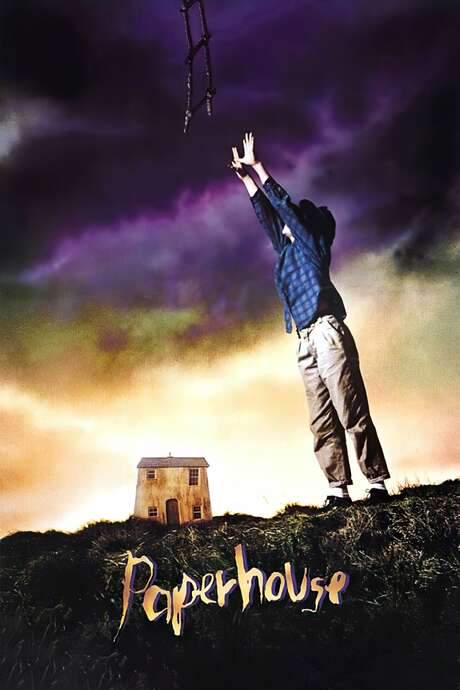
Paperhouse (1988) movie poster

Plot Summary

Paperhouse (1988) Plot Summary Explained

Release, runtime and language
1988 · 92 mins · English
Loading streaming availability…
Directed by
Bernard Rose
Starring
Gemma Jones, Ben Cross, Glenne Headly, Steven O'Donnell, Jane Bertish, Karen Gledhill

After sketching a strange house in her school composition book, a lonely young girl discovers she can enter the illustrated world in her sleep. There she meets a frail boy who lives within the surreal landscape. As the line between her drawings and reality blurs, the friendship gives her comfort and lets her face the loneliness of her everyday life.

On this page (7)
  1. 1 Where to watch
  2. 2 What happens: full plot
  3. 3 Plot questions answered
  4. 4 Movie threads
  5. 5 Movies like Paperhouse
  6. 6 Categories
  7. 7 Every angle
Loading streaming availability…

Full plot summary · contains spoilers

What Happens in Paperhouse: Full Plot Summary

The whole story of Paperhouse (1988) explained, from the opening scene to the final frame: every key event, every twist and what it all adds up to. Read it as a quick recap before the sequel, to check a scene you missed, or to finally understand what really happened.

11-year-old Anna Madden is griped by glandular fever and spends long afternoons drawing a house. When she drifts to sleep, the drawing becomes a doorway to a troubling dream world where she finds herself inside the very home she sketched, a face staring in from the window. In a subsequent dream, Marc, a boy who lives with muscular dystrophy, enters the scene, and Dr. Sarah Nicols explains that Marc is real.

She keeps returning to the house in her dreams, each time expanding the drawing with new details that then materialize in the dream. First, she draws stairs so she can go up and visit Marc, then adds more items to his room and even a fruit tree in the front yard. The line between dream and reality grows thinner as Anna becomes more invested in Marc’s world, compelled by the sense that the drawing is shaping his fate.

In the real world, Kate Madden becomes a grounding presence, but Anna’s relationship with her mother is strained by her own lies and by her father’s lengthy work absences and alcoholism. Anna sketches Dad into the drawing so that he can help carry Marc away, but she accidentally gives him an angry expression that reappears in the dream as a furious, blinded figure with scratch marks over his eyes. After hiding in a closet with Marc, the father figure suggests Anna lie down and mimic the motions she would use to grab the drawing in real life and tear the part containing her father out.

> Do you know who I am?

The tension breaks into violence as the dream turns dangerous: Anna’s father breaks into the closet and he beats her, while Marc musters the strength to attack him with a hammer, destroying him. Anna awakens in a hospital bed, her health compromised by the ordeal in sleep. The doctor reassures that Marc is “getting better,” but Anna can see through the veil of denial, insisting that Marc is dying and that the truth lies beyond what she’s been told. The attending clinician remains skeptical, yet Anna offers information she could not have learned otherwise and asks for her drawing supplies to be brought to the hospital.

During Anna’s recovery, her father returns with her mother to discuss a seaside holiday, but Anna remains cold toward him. She rediscovers Marc’s presence through drawing, creating a new, more comfortable room for him and adding a pencil so they can conjure whatever they need in their shared dreams. In a subsequent dream, Marc is at the lighthouse and appears cured, and the two share a kiss on a hill, heightening the sense that their bond could transcend the limitations of his illness.

Marc’s dream world pushes the couple toward a new possibility: a helicopter. He insists that he can draw it, but the plan remains uncertain, and Anna hesitates, saying she doesn’t know how. The moment passes, and she wakes, left without confirmation whether the helicopter ever truly existed in the dreamscape.

Back home, Anna is discharged, and her father reveals a shift in his life—he has secured a job in the Home Office and will no longer have to travel away. Yet Anna’s feelings stay guarded, even as her father’s presence grows steadier. The family takes a seaside holiday, and while Anna’s heart remains heavy for Marc, her relationship with her father begins to mend.

From the seaside window, Anna glimpses the lighthouse that haunted her dreams. She hurries to the cliff’s edge, only to find the door shuttered and Marc absent. A note from Marc appears, showing him and his helicopter and promising that he will come back if she waits. The moment intensifies as a helicopter arrives, dropping a ladder and echoing Marc’s plea to be careful. Marc’s voice keeps urging caution as the craft hovers, until the helicopter departs and Anna’s mother pulls her away from the edge.

The film closes with Anna enveloped in her mother and father’s arms, having confronted Marc’s death and found a path to peace with her family. The dreamlike journey threads together longing, courage, and reconciliation, turning a girl’s illness and grief into a quiet, hopeful understanding of love, loss, and resilience.
Last updated: October 09, 2025 at 14:24

Was this helpful?

Plot questions answered

Paperhouse Plot Explained: Your Questions Answered

The questions people ask most about Paperhouse (1988): what happens in the confusing scenes, why the characters do what they do, the twists, hidden details and what the ending means. Each answer contains spoilers.

Q1

Why is Marc real if Anna only dreams about him?

Dr. Sarah Nicols tells Anna that Marc is a real boy living with muscular dystrophy in a hospital, existing independently of her dreams. The film establishes that Anna's drawings somehow connect to Marc's actual reality, though the exact mechanism remains mysterious. This revelation forces Anna to confront whether her drawings are shaping real events or simply accessing another plane of existence where Marc truly resides.

Foreshadowing: In earlier dreams, Anna sketches items that mysteriously appear in the house before she could have known about them, hinting at a deeper connection between her drawings and Marc's world.

  • marc
  • real
  • dreams
  • doctor
  • muscular dystrophy
  • connection
Q2

Why does Anna accidentally give her father an angry expression in the drawing?

Anna sketches her father because she needs his help to carry Marc away in the dream, but she draws him with an angry expression unconsciously, reflecting her real-life resentment toward him. Her father has been absent due to work and struggles with alcoholism, causing tension in their relationship. This emotional state manifests in her drawing, materializing a threatening version of him in the dream world.

Foreshadowing: Anna's relationship with her mother Kate is strained by her lies and her father's prolonged absences, setting up her conflicted feelings about paternal figures.

  • father
  • drawing
  • angry
  • expression
  • resentment
  • absent
Q3

How can Marc attack the father figure in the dream when he's so frail?

Marc, who has muscular dystrophy and uses a wheelchair in the dream, suddenly finds extraordinary strength when Anna is in danger. The violent father figure breaks into the closet and attacks Anna, triggering Marc to grab a hammer and strike the figure with surprising force, destroying him. This moment suggests the dream world operates on emotional logic rather than physical reality, with Marc's determination overriding his physical limitations.

Foreshadowing: Earlier in the film, Marc is already established as physically weak but emotionally connected to Anna, hinting that his bond with her might grant him unexpected abilities in the dream realm.

  • marc
  • hammer
  • attack
  • father
  • strength
  • dream world
Q4

Did Marc die in the real world?

Yes, Marc dies in the real world. After Anna wakes in the hospital, the doctor claims Marc is getting better, but Anna insists she knows he's dying because of their dream connection. When she's discharged, she learns Marc has passed away, and she reveals she already knew the truth. The dream bond between them allowed her to sense his approaching death before anyone told her.

Foreshadowing: The doctor tells Anna that Marc is real and exists outside her dreams, establishing that their connection transcends the dream world and affects actual reality.

  • marc
  • died
  • death
  • hospital
  • real
  • connection
Q5

What does the helicopter at the end mean?

The helicopter represents Marc's promise to return and his attempt to bridge the gap between life and death. In a dream, Marc mentions he can draw a helicopter, though Anna is uncertain about the plan. At the seaside, a helicopter arrives with a ladder, echoing Marc's words. Whether this is supernatural, symbolic, or coincidental remains ambiguous. The note Marc leaves shows him with the helicopter, promising he'll come back if Anna waits.

Foreshadowing: Marc tells Anna he must draw the helicopter alone in the lighthouse, hinting that this drawing holds special significance for their reunion.

  • helicopter
  • ladder
  • promise
  • return
  • marc
  • seaside
Q6

How do Anna's drawings actually materialize in the dream world?

Each detail Anna adds to her drawings appears in the dream world. She adds stairs to reach Marc's room, creates a fruit tree in the front yard, sketches new items for Marc's room, and draws a pencil so they can create whatever they need. The mechanism isn't fully explained, but the film establishes that her illustrations have tangible effects in the dream realm, blurring the line between her imagination and reality.

Foreshadowing: When Anna sketches a face at the window in an early dream, the house transforms in response, establishing that her drawings directly alter the dream landscape.

  • drawings
  • appear
  • materialize
  • stairs
  • fruit tree
  • pencil
Q7

Why does Anna hide in the closet with Marc in the dream?

Anna and Marc hide in the closet because the angry father figure has become violent and is threatening them. The father figure, summoned by Anna's drawing of him with an angry expression, breaks into the closet where they're hiding and attacks Anna. This forces Marc to defend her with the hammer, leading to the violent confrontation that ends the dream sequence.

Foreshadowing: The father figure suggests Anna lie down and mimic grabbing the drawing in real life, hinting at his supernatural nature and the danger he represents.

  • closet
  • hide
  • father
  • attack
  • marc
  • hammer
Q8

What is the significance of the lighthouse in the dreams?

The lighthouse serves as a symbolic bridge between life and death, appearing in Marc's brighter dreams as a place where he seems cured. When Marc is at the lighthouse in a dream, he appears healthy and the two share a tender moment on a hill. Marc tells Anna he must draw the helicopter alone in the lighthouse, suggesting it's a threshold between their worlds. In reality, the lighthouse Anna sees from the seaside hotel is where she hopes to find Marc, confirming its symbolic importance.

Foreshadowing: Marc appears at the lighthouse in a dream where he seems cured, marking this location as a turning point in their relationship.

  • lighthouse
  • marc
  • cured
  • helicopter
  • threshold
  • death
Q9

Why does Anna reconcile with her father at the end?

Anna reconciles with her father because she's processed her grief over Marc's death and finally received the paternal attention she's always needed. After Marc dies, Anna's father has secured a job in the Home Office that keeps him home, giving him the opportunity to be present. The seaside holiday allows the family to be together, and although Anna remains guarded, her father's increased presence and care begin to heal their fractured relationship, which was strained by his absences and alcoholism.

Foreshadowing: Anna sketches her father into the dream hoping he would help, despite her anger toward him, showing her underlying need for paternal support.

  • father
  • reconciliation
  • grief
  • job
  • home office
  • family
Q10

What happens when the father figure tells Anna to tear out the drawing?

The father figure suggests Anna tear out the part of the drawing containing him to remove the dangerous figure from the dream. However, before she can complete this action, the dream escalates into violence, the father figure breaks into the closet and attacks Anna. Marc defends her by striking him with a hammer, destroying the threatening figure. Anna wakes in the hospital before she can test whether tearing the drawing would have worked, leaving this method's effectiveness uncertain.

Foreshadowing: The father figure's suggestion to tear the drawing mirrors how Anna could control the dream world through her illustrations, but the violence interrupts this potential solution.

  • tear
  • drawing
  • father
  • destroy
  • interrupt
  • hospital
Q11

Why does Anna stay cold toward her father when he visits the hospital?

Anna remains cold toward her father in the hospital because she's still processing anger and resentment from his prolonged absences and his alcoholism. Even when he returns with her mother to discuss a seaside holiday, Anna refuses to warm to him. Her emotional distance reflects the damage caused by his neglect, but this coldness gradually thaws as he demonstrates genuine commitment to changing his life by securing a local job.

Foreshadowing: Anna's relationship with her mother Kate is strained by her own lies about where she goes in her dreams, showing a pattern of emotional withdrawal from family.

  • father
  • hospital
  • cold
  • angry
  • absent
  • alcoholism
Q12

What does the note from Marc say?

The note from Marc shows a drawing of him with a helicopter and reads that he can't wait but will come back if Anna waits. This note appears at the seaside, where Anna hopes to find Marc after seeing the lighthouse from her window. The note represents Marc's promise to maintain their connection beyond death, suggesting his spirit or memory will return to her through the power of their bond. The helicopter arrival with a ladder seems to fulfill this promise in a surreal, ambiguous way.

Foreshadowing: In their final dream, Marc insists he can draw the helicopter but Anna hesitates, uncertain about the plan.

  • note
  • marc
  • helicopter
  • wait
  • return
  • promise
Q13

Why does Anna ask for her drawing supplies in the hospital?

Anna asks for her drawing supplies in the hospital because she wants to maintain her connection to Marc through their shared dreams. Even when doctors tell her Marc is getting better (which she knows is false), she insists on keeping the dream bond alive. By creating a new, comfortable room for Marc in her drawings and adding a pencil for future needs, she preserves the supernatural connection that allowed her to know truths about Marc that she couldn't have learned otherwise.

Foreshadowing: Anna already knows Marc is dying before anyone tells her, demonstrating that their dream connection provides genuine insight into his reality.

  • drawing
  • supplies
  • hospital
  • marc
  • connection
  • dreams
Q14

Why does Anna draw stairs to go up to Marc's room?

Anna draws stairs because initially she can only explore the ground floor of the dream house and cannot reach Marc, who lives upstairs. The stairs represent her growing commitment to their relationship and her determination to overcome the barriers between them. By adding the stairs to her drawing, she gains access to Marc's room, strengthening their connection and allowing her to spend more time with him in the dream world.

Foreshadowing: In early dreams, Anna explores the house but can't reach Marc, establishing the limitation that the stairs will later overcome.

  • stairs
  • marc
  • room
  • draw
  • access
  • upstairs

Movie threads

More Movies Like Paperhouse, by Mood & Story

Curated lists built around what makes Paperhouse tick: the same mood, the same kind of story or the same emotional payoff. Each list explains why these movies belong together.

Movies where art alters reality like Paperhouse

Stories where dreams or art bleed into the real world with emotional consequences. If you liked the way Paperhouse explores a world shaped by drawings, you'll enjoy these movies. This list features similar stories where imagination, dreams, or creative acts bleed into reality, creating fantastical yet emotionally resonant journeys that blur the line between inner and outer worlds.

  • dreamlike
  • fantastical
  • atmospheric
  • introspective
  • surreal
  • yearning
  • Tone: melancholic, dreamlike, introspective
  • Pacing: slow, atmospheric
Why these movies?

The story pattern: Narratives in this thread typically follow a protagonist, often a child or creative individual, who discovers a link between their inner world and external reality. Their fantasies or artistic creations begin to manifest, becoming a surreal but tangible space where they work through real-world anxieties, grief, or trauma, leading to a convergence of the two realms.

Why they belong together: These films are grouped together because they share a core fascination with the power of the subconscious and creativity. They explore similar themes of escapism, confronting fears through metaphor, and the bittersweet realization that imagination can both comfort and challenge us, all within an atmospheric, often melancholic tone.

Movies about lonely children like in Paperhouse

Quiet, heavy dramas about isolated children grappling with serious adult-sized problems. Fans of Paperhouse's portrayal of a child's solitary struggle will find more poignant stories here. Discover movies that follow young protagonists facing isolation, illness, or grief, often using fantasy as a refuge. These films share a melancholic, heavy emotional weight and a thoughtful, character-driven pace.

  • lonely
  • melancholic
  • somber
  • yearning
  • atmospheric
  • anxious
  • Tone: melancholic, somber, bittersweet
  • Pacing: slow, contemplative
Why these movies?

The story pattern: The narrative pattern involves a young protagonist who feels profoundly isolated due to family circumstances, illness, or social alienation. The plot is less about external action and more about their internal emotional journey as they navigate a world they don't fully understand, often finding solace in an imaginary friend, a secret world, or a fragile friendship that helps them endure.

Why they belong together: These movies are united by their sensitive and sober exploration of childhood from a perspective of loneliness and emotional burden. They share a specific mood mix: a slow, melancholic pace, a heavy emotional weight, and a tone that is somber yet often contains a glimmer of hope found through imagination or connection.

If you liked this

Movies Like Paperhouse

Similar movies to Paperhouse: the same genre, themes or kind of story. Each one comes with its own plot summary, timeline and ending explained.

Browse all movie summaries

Categories

Movie Lists Featuring Paperhouse

Paperhouse appears in these hand-built movie categories. Each one groups movies by a specific mood, theme or story type, with their plot summaries and endings explained.

View all movie categories

Every angle

Paperhouse (1988) Explained: Plot, Timeline & Characters

Everything about Paperhouse in one place: what happens in the plot summary, the timeline in chronological order, the characters and meaning and a spoiler-free summary. What's After the Movie adds the cast, box office and post-credit scenes.

Coming soon on iOS and Android

The Plot Explained Movie Summary App

Plot summaries, endings explained and timelines on your phone. Catch up on any movie in minutes, save your favorites and never miss a twist again.

Be the first to know when we launch. Your email stays private, always.

Learn more about the app