Year: 2003
Runtime: 107 mins
Language: Malayalam
Director: T. V. Chandran
Shahina, a tenth‑standard student, is forced by her family into a marriage with Rasaq, a man who already has a wife. When Rasaq receives the dowry from her parents, he promptly discards the arrangement and divorces her, leaving Shahina to confront the betrayal and the harsh realities of dowry‑driven traditions.
Warning: spoilers below!
Haven’t seen Paadam Onnu: Oru Vilapam yet? This summary contains major spoilers. Bookmark the page, watch the movie, and come back for the full breakdown. If you're ready, scroll on and relive the story!
Explore the full timeline and setting of Paadam Onnu: Oru Vilapam (2003). Follow every major event in chronological order and see how the environment shapes the story, characters, and dramatic tension.
Last updated: October 03, 2025 at 14:45
Meet the key characters of Paadam Onnu: Oru Vilapam (2003), with detailed profiles, motivations, and roles in the plot. Understand their emotional journeys and what they reveal about the film’s deeper themes.
Last updated: October 03, 2025 at 14:45
Explore the central themes of Paadam Onnu: Oru Vilapam (2003), from psychological, social, and emotional dimensions to philosophical messages. Understand what the film is really saying beneath the surface.
Last updated: October 03, 2025 at 14:45
Browse frequently asked questions about Paadam Onnu: Oru Vilapam (2003) focused on characters, relationships, themes, symbols, setting, and story context. This movie info FAQ gives spoiler-aware explanations for character arcs, world details, and thematic interpretation so readers can better understand what the film is really about.
The movie is set in a rural Kerala community in India, featuring traditional families navigating arranged marriages and dowry expectations. The setting includes close-knit homes and local teashops that become stages for social judgment, reflecting the economic hardship and strict gender norms that shape every decision.
The story is set in the 1980s, during a period when dowry practices and gendered expectations were deeply entrenched in Indian society. This era saw economic pressures and cross-regional marriage practices that amplified the stakes for women, particularly around weddings, legitimacy, and family honor.
The narrative centers on how male-dominated authority, husbands, elders, and matchmakers, determine a woman's fate. Shahina's coerced compliance and Razia's trapped situation illustrate how gendered power structures enforce obedience, using social norms that allow violence and ostracism as instruments of control.
Dowry is the central force propelling the plot: the debt of marriage, the broker Hassan Moyeen, and the relentless pressure to provide, even at the expense of a woman's autonomy. The money-centered logic creates vulnerability and exploitation, with consequences rippling through families and culminating in stigma and tragedy.
Women in the story form bonds that sustain them amid humiliation and coercion. Shahina's fight for education, Wahida's sympathy, and Mumtaz's innocent affection demonstrate acts of resilience between generations. The film values this collective support as a counterforce to patriarchal oppression, even as such moments are fleeting.
Shahina is a tenth-standard student who wishes to continue her studies but is pressured into marriage by her family. Her defiance against traditional expectations underscores the conflict between personal ambition and communal norms, as she experiences manipulation, fear, and moments of tenderness that reveal her complexity.
Rasaq is a married man seeking a second wife to fund his trip to the Middle East. He uses dowry to manipulate and control others, demonstrating a lack of empathy for the trauma he causes. His violence and chauvinism trigger the central crisis that devastates Shahina and her family.
Wahida is Rasaq's first wife who shows compassion toward Shahina and challenges the idea that women are expendable. She offers a rare human connection within a hostile setup, highlighting resilience in the face of exploitation and demonstrating solidarity across wife relationships.
Saphia is Shahina's mother who earns a living by selling rice dumplings, representing the economic precarity faced by women. Her sacrifices and eventual death underscore the toll of societal pressures on families and communities, embodying maternal endurance in a hostile environment.
Mumtaz is Rasaq's daughter who forms an innocent bond with Shahina, offering a glimmer of hope amid turmoil. Her presence emphasizes the impact of patriarchal decisions on the next generation, embodying innocence and a fragile hope for societal change.
Razia is a mother who endures public shaming and legalistic traps rooted in dowry culture. She navigates a constrained world with quiet resolve, attempting to protect her child while resisting the system that seeks to confine her, revealing the emotional and social costs of patriarchal control.
The film maintains a consistently dark tone, anchored in the grim reality of dowry-driven traditions and the exploitation of women. The emotional weight is heavy due to themes of forced intimacy, systemic betrayal, and social ostracization. The ending is bleak, reinforcing the cyclical nature of injustice with no resolution or hope offered.
Discover curated groups of movies connected by mood, themes, and story style. Browse collections built around emotion, atmosphere, and narrative focus to easily find films that match what you feel like watching right now.
Gritty stories that confront viewers with harsh social realities and power imbalances.For viewers seeking movies like Paadam Onnu: Oru Vilapam, this thread gathers films that expose grim social realities and systemic oppression. These dramas are unflinching in their portrayal of injustice, focusing on characters whose lives are defined by societal pressures and power imbalances.
Stories typically follow a protagonist, often from a marginalized background, as they navigate and are ultimately defeated or deeply scarred by an oppressive system. The plot structure is often linear, tracing a downward spiral or a series of institutional failures that highlight the problem rather than offering an individualistic victory.
These movies are grouped by their shared commitment to social critique, their dark tone, and their focus on themes like corruption, exploitation, and the failure of traditional support structures. They prioritize thematic weight over plot complexity, creating a cohesive experience of sobering realism.

Intimate portraits of women systematically stripped of their agency and hope.If you were moved by the harrowing journey of Shahina in Paadam Onnu: Oru Vilapam, this collection features similar movies about women facing systemic disempowerment. These films are characterized by their somber mood, straightforward narratives, and devastatingly bleak conclusions.
The narrative pattern follows a woman's life as it unravels due to forces beyond her control, often stemming from patriarchal traditions or economic desperation. The arc is typically tragic and linear, moving from a state of relative innocence to one of profound loss, with any resistance ultimately proving futile against overwhelming societal pressures.
They share a specific focus on the female experience under oppression, a somber and hopeless mood, a steady pacing that methodically builds dread, and a bleak ending that reinforces the cyclical nature of the injustice depicted. The emotional core is a deep sense of powerlessness.
Don't stop at just watching - explore Paadam Onnu: Oru Vilapam in full detail. From the complete plot summary and scene-by-scene timeline to character breakdowns, thematic analysis, and a deep dive into the ending - every page helps you truly understand what Paadam Onnu: Oru Vilapam is all about. Plus, discover what's next after the movie.
Read a complete plot summary of Paadam Onnu: Oru Vilapam, including all key story points, character arcs, and turning points. This in-depth recap is ideal for understanding the narrative structure or reviewing what happened in the movie.
Track the full timeline of Paadam Onnu: Oru Vilapam with every major event arranged chronologically. Perfect for decoding non-linear storytelling, flashbacks, or parallel narratives with a clear scene-by-scene breakdown.
Discover movies like Paadam Onnu: Oru Vilapam that share similar genres, themes, and storytelling elements. Whether you’re drawn to the atmosphere, character arcs, or plot structure, these curated recommendations will help you explore more films you’ll love.
Paadam Onnu: Oru Vilapam (2003) Plot Summary & Movie Recap
Paadam Onnu: Oru Vilapam (2003) Scene-by-Scene Movie Timeline
Paadam Onnu: Oru Vilapam (2003) Spoiler-Free Summary & Key Flow
Movies Like Paadam Onnu: Oru Vilapam – Similar Titles You’ll Enjoy
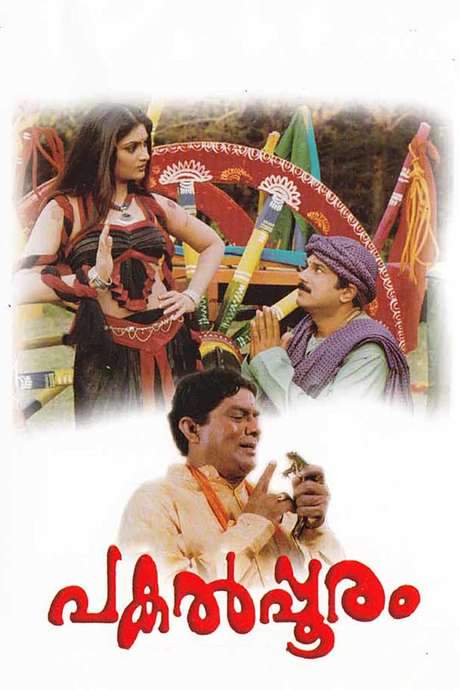
Pakalpooram (2002) Spoiler-Packed Plot Recap
Oru Naal Oru Kanavu (2005) Ending Explained & Film Insights
Amaram (1991) Full Summary & Key Details
Oridathoru Phayalvaan (1981) Spoiler-Packed Plot Recap
Aan Paavam (1985) Full Summary & Key Details
Pudhea Paadhai (1989) Spoiler-Packed Plot Recap
Paavam Paavam Rajakumaran (1990) Full Summary & Key Details
Naan Adimai Illai (1986) Ending Explained & Film Insights
Paavam Paavam Rajakumaran (1990) Complete Plot Breakdown
Pakshe (1994) Film Overview & Timeline
Padaharella Vayasu (1978) Full Summary & Key Details
Poomagal Oorvalam (1999) Ending Explained & Film Insights
Thappu Thalangal (1978) Spoiler-Packed Plot Recap
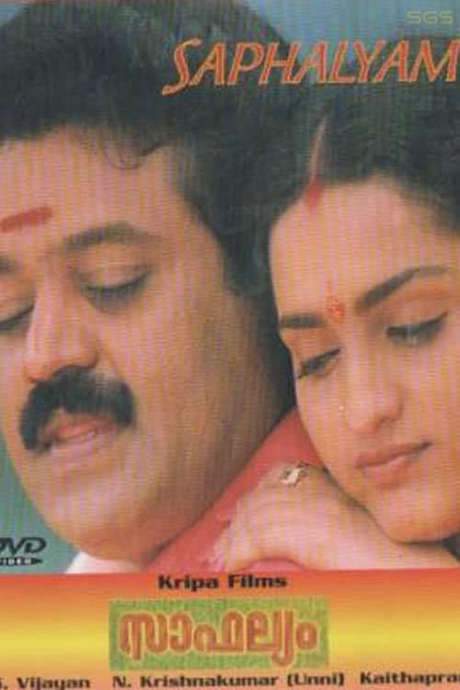
Saaphalyam (1999) Ending Explained & Film Insights
Padmini (2023) Movie Recap & Themes