Plot Explained Spoilers guaranteed!
Plot Explained

Browse by genre

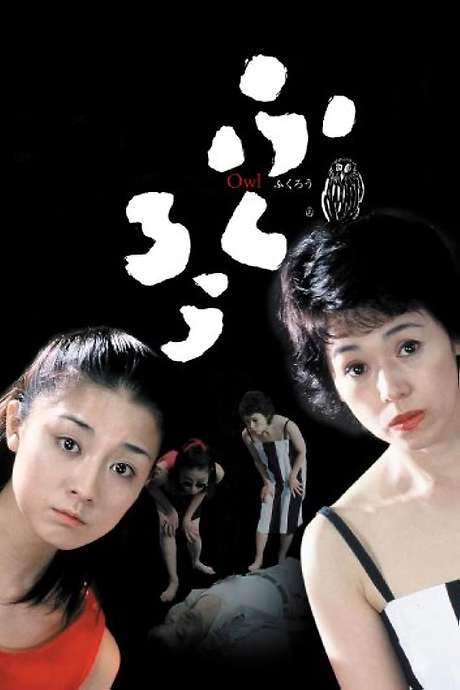
Owl (2003) movie poster

Timeline

Owl (2003) Timeline Explained – Every Event in Order

Release, runtime and language
2003 · 119 mins · Japanese
Directed by
Kaneto Shindô
Starring
Akira Emoto, Tomorowo Taguchi, Shinobu Ôtake, Katsumi Kiba, Naomasa Musaka, Daijirô Harada

A mother and her daughter find themselves trapped in a remote, snow‑bound cabin, rapidly succumbing to hunger. Desperate to survive, they begin luring any wandering men to the cabin with promises of sex, only to murder them. Their grim plan holds until a local police officer arrives, followed by the unexpected appearance of an elderly relative.

On this page (5)
  1. 1 Events in order (15)
  2. 2 Timeline questions answered
  3. 3 Movie threads
  4. 4 Movies like Owl
  5. 5 Every angle

15 events in order · contains spoilers

Owl Timeline: Events in Chronological Order

Every key event of Owl (2003) in order, scene by scene, with when and where it takes place. Use it to untangle flashbacks, time jumps and parallel storylines, to refresh your memory before the sequel or to find the exact scene you are thinking of.

  1. Desperation in Kibogaoka

    In Kibogaoka, around 1980, a 37-year-old mother and her 17-year-old daughter are the village's last occupants and are slowly starving. Facing extinction, they decide to survive by offering themselves as prostitutes to a dam construction site worker. The mother convinces the daughter to go along with the plan.

    When
    Circa 1980
    Where
    Kibogaoka village
  2. First victim and money

    A dam worker visits, has sex with the mother, and pays for the encounter. They drug him with a drink passed off as Shōchū, but it is made from a poisonous plant. He dies, and the women haul his body away, celebrating the money they have earned.

    When
    Later that night
    Where
    Kibogaoka house
  3. Renewed comforts

    The money from the first kill allows them to buy food and restore electricity and water to their home. The renewed comforts give them a temporary sense of normalcy as they plot their next steps.

    When
    Soon after the first murder
    Where
    Kibogaoka house
  4. Murder: the electrician

    They seduce the electrician at the dam site and poison him in the same manner as the first victim. The murder yields another significant payout, increasing their wealth and sense of invincibility.

    When
    Over the following days
    Where
    Dam construction site
  5. Murder: the plumber

    They repeat the pattern with the plumber, seducing him and poisoning him to extract more money. The killing is clinical and cold, underscoring the women’s growing ruthlessness.

    When
    Shortly after the previous murder
    Where
    Dam construction site
  6. Murder: another worker

    A third construction worker falls victim to their calculated ruse, adding to the pile of cash and food that sustains them. The body disappears as the disappearances draw attention from the authorities.

    When
    In the same period
    Where
    Dam construction site
  7. Murder: the boss

    The women kill the boss of the electrician, a figure of authority who had overseen the workers. The death brings in more money and cements their ability to control their fate in the wrecked village.

    When
    A few days later
    Where
    Dam site office / surrounding area
  8. Police investigation begins

    The local police inspector arrives to investigate the disappearances from the dam project. The mother and daughter prepare to entrap him as part of their survival strategy, while Mizuguchi arrives with his own surprising motives.

    When
    During the early investigation
    Where
    Kibogaoka house
  9. Daughter with Mizuguchi

    The daughter sleeps with Mizuguchi for the first time, in exchange for a payoff that includes 500,000 yen. He tells her he intends to commit suicide to atone for the village’s creation, and she manipulates the situation to protect herself; he asks for 20,000 yen back to cover his travel costs as he leaves.

    When
    Later during the investigation
    Where
    Kibogaoka house
  10. Mizuguchi’s return

    Mizuguchi returns, telling them that his planned suicide was a sin and that he now wants to marry the daughter. The dynamic shifts as the threat of exposure grows closer and the tension among the trio increases.

    When
    Days after the first encounter
    Where
    Kibogaoka house
  11. The inspector and Mizuguchi hidden

    The inspector reappears, and the women hide Mizuguchi from scrutiny. When a stranger arrives at the door, they hide the inspector in another room to keep the men from complicating their plans.

    When
    During the escalating confrontation
    Where
    Kibogaoka house
  12. Koji enters

    Koji, the mother's nephew, arrives and reveals his own hidden history of vengeance. He explains how he avenged his mother’s mistreatment and shows how deeply the family’s crimes are entangled with past grievances.

    When
    Peak confrontation moment
    Where
    Kibogaoka house
  13. The fatal confrontation

    Mizuguchi, the inspector, and Koji confront each other inside the house, and all three are killed in the ensuing struggle. The women attempt to control the aftermath as the bodies are dealt with.

    When
    Shortly after Koji’s arrival
    Where
    Kibogaoka house
  14. Disposal and celebration

    The women manage to dispose of the bodies and then sit down to drink beer, quietly singing the village anthem as if nothing is wrong. The victory is hollow, but it marks another step in their self-preservation despite escalating danger.

    When
    Evening after the killings
    Where
    Kibogaoka house
  15. One year later

    A group of men, including police, the mayor, and the dam-building company chief, enter the now-deserted house slated for demolition. They recount nine corpses found with traces of poison but do not suspect the mother and daughter, who remain unseen as culprits in their stories.

    When
    One year later
    Where
    Deserted Kibogaoka house

Last updated: October 09, 2025 at 15:09

Was this helpful?

Timeline questions answered

Owl Timeline Explained: Your Questions Answered

When does it happen, and why in that order? The questions people ask about the chronology of Owl (2003): time jumps, flashbacks, cause and effect between scenes and the correct order of events, each answered with spoilers.

Q1

Why do the mother and daughter resort to killing men?

They are the last two survivors in the dying village of Kibogaoka around 1980 and are slowly starving to death. With no food, electricity, or hope for survival, the mother proposes luring men from the dam construction site with promises of sex, then poisoning them to steal their money. This desperate plan becomes their only means of staying alive.

Foreshadowing: The film opens with the daughter contemplating eating a lizard, establishing their extreme desperation.

  • survival
  • desperation
  • starvation
  • murder
  • Kibogaoka
Q2

How does the poisonous drink work?

The women pass off a homemade Shōchū as alcohol, but it is actually brewed from a poisonous plant found in the area. The victims drink it after spending the night, and the poison causes them to foam at the mouth, make animal noises, and die. The women then dispose of the bodies and keep all the money the victims brought.

  • poison
  • Shōchū
  • plant poison
  • murder method
Q3

Why does the mother decide not to kill Mizuguchi?

Mizuguchi reveals he is an employee of the repatriation department whose father was responsible for creating Kibogaoka. He intends to commit suicide to atone for his father's role in destroying the village. The mother sees him as a sympathetic figure rather than a target and decides not to poison him, choosing instead to let him leave alive.

  • Mizuguchi
  • suicide
  • atonement
  • spared
Q4

Why does Mizuguchi return and ask to marry the daughter?

After surviving his suicide attempt, Mizuguchi returns believing his plan to die was a sin. He confesses his feelings for the daughter and asks to marry her, proposing they start a new life together. This转变 from wanting to die to wanting to live and build a future represents a major shift in his character and creates tension with the women's criminal operation.

Foreshadowing: Mizuguchi initially asked for 20,000 yen back for travel costs to his planned suicide site, showing his financial desperation.

  • Mizuguchi
  • marriage
  • suicide
  • daughter
Q5

Who is Koji and why does he arrive at the cabin?

Koji is the mother's nephew who arrives unexpectedly at the cabin during the climax. He reveals he avenged his mother after she was mistreated by her employers, and he himself was wounded by a servant's gun during his act of vengeance. His arrival brings the family's cycle of violence full circle, adding another layer to the story's themes of retribution and survival.

  • Koji
  • nephew
  • vengeance
  • family
Q6

How do all three men die in the confrontation?

During the confrontation, Mizuguchi, the police inspector, and Koji are all present in the house. When they confront each other, a struggle ensues and all three men kill one another in the chaos. The exact details of who kills whom remain somewhat ambiguous, but the result is that all three men die, leaving only the mother and daughter alive.

  • Koji
  • Mizuguchi
  • inspector
  • confrontation
  • deaths
Q7

Why aren't the mother and daughter caught for their crimes?

One year later, authorities discover nine corpses with traces of the poison at the deserted house, but they do not suspect the mother and daughter. The authorities believe the two women were incapable of such crimes and view them as victims rather than perpetrators. This allows the women to escape completely, though they have vanished from the village by the time of the investigation.

  • escape
  • not caught
  • police
  • investigation
  • corpses
Q8

Why do they kill the dam construction boss?

The boss had been investigating the disappearances of his missing workers from the dam project. To silence him and prevent him from uncovering their operation, the women lure and kill him using the same method they used on previous victims. His death brings them more money and eliminates the threat of a serious investigation.

  • dam boss
  • kill
  • silence
  • investigation
Q9

How many men do the mother and daughter kill in total?

By the end of the film, the women have killed at least seven men: the dam construction worker, the electrician, the plumber, another worker, the electrician's boss, the dam construction boss, and three additional men (Mizuguchi, the inspector, and Koji) during the final confrontation. The epilogue mentions nine corpses total discovered by authorities.

  • victims
  • murders
  • deaths
  • count
Q10

What happened to Kibogaoka village?

Kibogaoka was a farming village that progressively declined, likely due to the dam construction project that displaced its population. By the time of the story, only the mother and daughter remain as the last inhabitants. The village's destruction was orchestrated by Mizuguchi's father and the dam-building company, which provides motivation for Mizuguchi's guilt and desire for atonement.

  • Kibogaoka
  • village
  • dam
  • destruction
  • abandonment
Q11

Why do the women sing the village anthem after disposing the bodies?

After successfully disposing of the bodies from the final confrontation, the women sit down to drink beer and quietly sing Kibogaoka's anthem. This moment reflects their psychological disconnect and the normalization of their crimes. It also symbolizes their connection to the dying village and their hollow victory, they have survived but at the cost of their humanity.

  • village anthem
  • celebration
  • aftermath
  • psychology

Movie threads

More Movies Like Owl, by Mood & Story

Curated lists built around what makes Owl tick: the same mood, the same kind of story or the same emotional payoff. Each list explains why these movies belong together.

Stories of moral collapse like in Owl

Ordinary characters pushed to extreme acts by desperate circumstances. If you liked the desperate, survival-driven murders in Owl, you'll find similar themes in these movies. They feature characters pushed to their ethical limits, exploring dark comedies and intense dramas about moral decay and the price of survival.

  • desperate
  • grim
  • unsettling
  • psychological
  • dark
  • tense
  • Tone: dark, bleak, unsettling
  • Pacing: steady, deliberate
Why these movies?

The story pattern: The narrative often begins with a severe crisis that forces the protagonist(s) to abandon their normal moral code. Each subsequent act, while rationalized as necessary for survival, deepens their moral corruption. The story questions how far one can go before losing their humanity, often culminating in a hollow victory or tragic consequence.

Why they belong together: Movies in this thread are grouped by their central theme of ethical disintegration under pressure. They share a heavy emotional weight, a dark tone, and a focus on the psychological justification of violence, creating a consistent, unsettling experience for the viewer.


Claustrophobic cabin thrillers similar to Owl

Tense stories where an isolated setting becomes a pressure cooker for crime. For viewers who enjoyed the isolated, snow-bound tension of Owl, this list features movies with similar settings. Discover other thrillers and dark comedies where remote cabins or houses become the stage for crime, secrets, and desperate acts.

  • claustrophobic
  • isolated
  • tense
  • uneasy
  • suspenseful
  • grim
  • Tone: dark, tense, claustrophobic
  • Pacing: steady, building tension
Why these movies?

The story pattern: The plot is typically triggered by characters arriving at or being trapped in a secluded location. The confined space intensifies existing conflicts and secrets, leading to violence or psychological breakdown. The narrative thrives on the inability to escape, both physically and from the escalating situation, creating a sustained sense of dread.

Why they belong together: These films are united by their potent use of a limited, isolated setting to generate suspense and explore dark human behavior. They share a claustrophobic mood, steady pacing that builds unease, and often a grim or darkly satirical tone.

If you liked this

Movies Like Owl

Similar movies to Owl: the same genre, themes or kind of story. Each one comes with its own plot summary, timeline and ending explained.

Browse all movie summaries

Every angle

Owl (2003) Explained: Plot, Timeline & Characters

Everything about Owl in one place: what happens in the plot summary, the timeline in chronological order, the characters and meaning and a spoiler-free summary. What's After the Movie adds the cast, box office and post-credit scenes.

Coming soon on iOS and Android

The Plot Explained Movie Summary App

Plot summaries, endings explained and timelines on your phone. Catch up on any movie in minutes, save your favorites and never miss a twist again.

Be the first to know when we launch. Your email stays private, always.

Learn more about the app