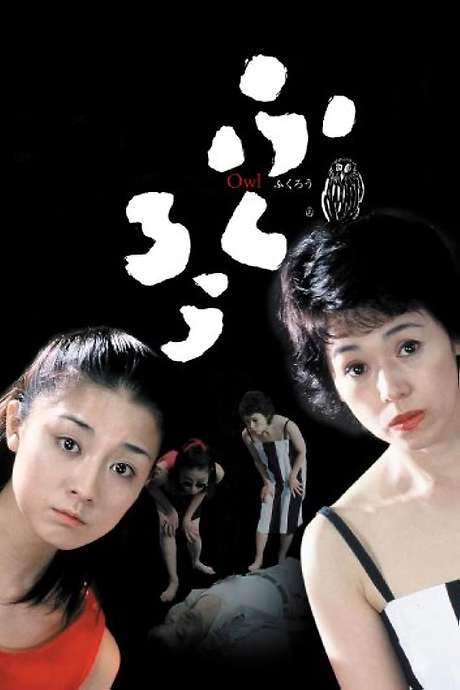
Around 1980, in a fading farming village named Kibogaoka, the last survivors are two women: a 37-year-old mother and her 17-year-old daughter. Faced with intensifying hunger, the daughter contemplates eating a lizard, but the mother proposes a harsher, more practical way to survive. They make a call to a dam construction site and offer themselves as prostitutes. A worker comes to visit and spends the night with the mother. Afterward, they offer him Shōchū, but the liquid is actually crafted from a poisonous plant. He dies, foaming at the mouth and making animal noises, and the two women haul his body away while celebrating the money they’ve earned.
With the money, they restore basic comforts: food, electricity, and water. They continue to lure and kill men—first the electrician and the plumber, then the boss of the electrician—using the same method to gain more money and access.
The local police inspector arrives to investigate the disappearances of the men. At the same time, Mizuguchi, an employee of the repatriation department (with his father responsible for the village’s creation), appears. The inspector leaves, pretending to have checked the house’s stability. For the first time, the daughter sleeps with Mizuguchi. He offers 500,000 yen and explains an intention to commit suicide in order to atone for his father’s mistakes. The mother decides not to kill him with the special drink. Mizuguchi asks for 20,000 yen back for travel costs to the site of his planned suicide and departs.
Next, the women kill the boss of the dam construction site, who has been seeking missing workers. They lay out a plan to travel the world once they have saved 1.5 million yen. Mizuguchi unexpectedly returns, confessing that after surviving his suicide attempt he now believes his plan was a sin and expresses a wish to marry the daughter. The inspector reappears as well, and the women hide Mizuguchi. A stranger arrives at the door—Koji, the mother’s nephew—who reveals that he avenged his mother after she was mistreated by her employers and that he himself was wounded by a servant’s gun. The three men confront one another, and all three die. After disposing of the bodies, the women drink beer and sing the village’s anthem.
A year later, a group of men—police, the village mayor, and the dam-building company’s chief—return to the deserted house, now slated for demolition. They recount the discovery of nine corpses, some with traces of the poisonous liquid, but they do not link the crimes to the mother and daughter, believing them incapable of such acts.