Plot Explained Spoilers guaranteed!
Plot Explained

Browse by genre

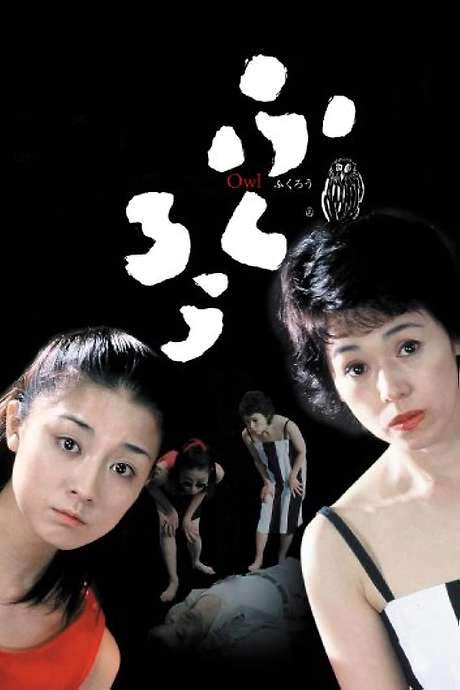
Owl (2003) movie poster

Characters & Themes

Owl (2003) Characters, Setting & Themes Explained

Release, runtime and language
2003 · 119 mins · Japanese
Loading streaming availability…
Directed by
Kaneto Shindô
Starring
Akira Emoto, Tomorowo Taguchi, Shinobu Ôtake, Katsumi Kiba, Naomasa Musaka, Daijirô Harada

A mother and her daughter find themselves trapped in a remote, snow‑bound cabin, rapidly succumbing to hunger. Desperate to survive, they begin luring any wandering men to the cabin with promises of sex, only to murder them. Their grim plan holds until a local police officer arrives, followed by the unexpected appearance of an elderly relative.

On this page (9)
  1. 1 Where to watch
  2. 2 Characters explained (6)
  3. 3 Character relationship map
  4. 4 Where & when it takes place
  5. 5 Themes & meaning (3)
  6. 6 Character & meaning questions
  7. 7 Movie threads
  8. 8 Movies like Owl
  9. 9 Every angle
Loading streaming availability…

6 main characters · contains spoilers

Owl Characters Explained: Who Is Who

The main characters of Owl (2003), heroes and villains: what drives them, how they change over the course of the story and what each of them reveals about the film's bigger ideas.

  • Mother

    played by Eimei Esumi

    A 37-year-old woman who will do anything to keep her daughter alive. She is calculating, fearless, and willing to weaponize sex and poison to secure resources. Her pragmatic ruthlessness drives the cycle of exploitation and murder that sustains their survival.

    • 🧭 Complex
    • 💰 Resourceful
    • 💔 Ruthless
  • Yumi

    played by Shinobu Ôtake

    The 17-year-old daughter who participates in the survival scheme yet shows signs of conflict between innocence and a harsh reality. She experiences moments of agency, including relationships that complicate their precarious situation. Her involvement deepens the moral ambiguity of the sisters’ actions.

    • 🎀 Youth
    • 🧠 Insight
    • 🌗 Ambiguity
  • Mizuguchi

    played by Tomorowo Taguchi

    A repatriation department employee who seeks atonement for his father’s failures. He becomes entangled with the women, offering money and proposing a future that clashes with his own sense of guilt. His arc moves from manipulation to attempted redemption and tragedy.

    • 🕯️ Redemption
    • 🎭 Moral conflict
    • 💸 Money-driven
  • Koji

    played by Akira Emoto

    The mother's nephew who embodies vengeance for his mother’s mistreatment. He speaks of avenging the past and carries the scars of prior violence, influencing the tense confrontation that ends in bloodshed. His presence intensifies the film’s themes of family duty and cyclical violence.

    • 🗡️ Revenge
    • 🧭 Family ties
    • 💥 Violence
  • Dam Boss

    played by Mansaku Ikeuchi

    Boss of the dam construction site who is actively searching for missing workers. His authority and pursuit of workers intersect with the women’s schemes, making him a target of their calculated killings.

    • 🏗️ Authority
    • 💀 Murder
    • 🪙 Power
  • Inspector

    played by Ippei Kanie

    Local police inspector investigating the disappearances. He becomes entangled in the escalating drama and the cover-ups that surround the women’s actions, representing the law’s attempt to impose order on a decaying system.

    • 🕵️‍♂️ Investigation
    • ⚖️ Authority

Last updated: October 30, 2026 at 11:39

Was this helpful?

3 characters · 2 connections · contains spoilers

Owl Character Relationship Map

Who is connected to whom in Owl: family, love, friendships, rivalries and hidden ties, colour-coded. Pick a character to see their side of the story, or a connection to see what brings two characters together.

How much of the story to show
MMotherEimei EsumiMMizuguchiTomorowo TaguchiKKojiAkira Emoto

Last updated: October 30, 2026 at 11:39

Was this helpful?

Setting

Where and When Does Owl Take Place?

The setting of Owl (2003): the year and time period, the places and locations, and how they shape the characters, the mood and the tension of the story.

Time period

Around 1980

The events take place in the late 1970s to around 1980, a period of postwar hardship in rural Japan and within repatriation communities. The setting reflects neglected infrastructure and scarce opportunities, shaping the characters' drastic measures for survival. These conditions frame the moral compromises and lethal choices that drive the plot.

Location

Kibogaoka, Dam construction site

Kibogaoka is a farming village created for Japanese repatriates from Manchuria. By the story's events it is sparsely inhabited and economically strained, a place where basic utilities and resources are fragile. The nearby dam construction site becomes a crucial, yet perilous, source of money and access to electricity and water for the women.

  • 🏡 Kibogaoka village
  • ⚒️ Dam construction site

Last updated: October 30, 2026 at 11:39

Was this helpful?

3 major themes

Owl Meaning: Themes & Message Explained

What is Owl (2003) really about? The emotional, social and philosophical themes the film keeps returning to, its symbolism and the message beneath the surface.

  • Survival

    Survival is pursued at any cost as the mother and daughter exploit men for money to secure food, electricity, and water. The film shows how poverty and isolation can push people to calculated crime, reducing relationships to transactional dynamics. Money becomes the central instrument that sustains life but also intensifies danger and exploitation.

  • Morality

    The lines between victim and predator blur as deception and murder become tools for survival. The women's actions reveal how societal failures and personal desperation corrode ethical boundaries. The narrative invites reflection on culpability, choice, and the costs of scheming for security.

  • Isolation

    Kibogaoka's barren setting amplifies isolation, turning the house into a secret-filled space where crimes accumulate unseen. The villagers' separation from broader society allows violence to go unchecked, culminating in a cascade of deaths. The haunting solitude of the environment underlines the tragedy and unfinished history of the village.

Last updated: October 30, 2026 at 11:39

Was this helpful?

Character & theme questions

Owl Characters & Meaning: Your Questions Answered

The questions people ask about Owl (2003): who the characters really are, their relationships, what the symbols mean, where it takes place and what the movie is really about. Each answer contains spoilers.

Q1

Where is the movie set?

The film takes place in Kibogaoka, a remote farming village created for Japanese repatriates from Manchuria. The story unfolds primarily in a snow-bound cabin where the mother and daughter are stranded, with the nearby dam construction site serving as a crucial source of money and resources.

  • kibogaoka village
  • cabin location
  • dam construction site
  • setting
Q2

What time period is the story set in?

The events take place in the late 1970s to around 1980, during a period of postwar hardship in rural Japan. This era was marked by economic struggle and scarce opportunities, particularly in repatriation communities like Kibogaoka.

  • 1970s
  • 1980
  • postwar japan
  • time period
  • era
Q3

What are the main themes explored in the film?

The movie explores three interconnected themes: survival at any cost, where poverty drives people to calculated crime and exploitation; morality, which blurs the lines between victim and predator as desperation corrodes ethical boundaries; and isolation, where the remote village setting allows violence to go unchecked.

  • themes
  • survival
  • morality
  • isolation
  • desperation
Q4

How does the setting contribute to the story?

Kibogaoka's barren, isolated environment amplifies the characters' desperation. The village's separation from broader society creates a secret-filled space where crimes accumulate unseen, allowing the women's lethal survival scheme to continue unchecked until external forces finally arrive.

  • kibogaoka
  • isolation
  • remote village
  • environment
Q5

Who is the mother character?

The mother, Eimei Esumi, is a 37-year-old woman determined to keep her daughter alive at any cost. She is portrayed as calculating and fearless, willing to weaponize sex and poison to secure food, electricity, and water. Her pragmatic ruthlessness drives the cycle of exploitation and murder that sustains their survival.

  • eimei esumi
  • mother
  • survival
  • character motivation
Q6

Who is Yumi and what role does she play?

Yumi is the 17-year-old daughter who participates in her mother's survival scheme despite showing signs of inner conflict. She experiences moments of agency and relationships that complicate their precarious situation, adding moral ambiguity to their actions.

  • yumi
  • shinobu ôtake
  • daughter
  • character role
Q7

What does the film say about survival?

The film presents survival as pursued at any cost, where the mother and daughter exploit men for money to secure basic necessities. It shows how poverty and isolation can reduce relationships to transactional dynamics, with money becoming both the instrument that sustains life and the catalyst for exploitation and danger.

  • survival
  • poverty
  • desperation
  • money
  • exploitation
Q8

What is the significance of the dam construction site?

The dam construction site represents a crucial yet perilous source of income and resources for the women. It provides access to electricity and water, making it a focal point of their survival strategy while also introducing dangerous variables through the missing workers and the dam boss searching for them.

  • dam construction site
  • resources
  • money
  • workers
Q9

What is the background of Kibogaoka village?

Kibogaoka was created for Japanese repatriates from Manchuria following World War II. By the time of the story, the village is sparsely inhabited and economically strained, with fragile basic utilities and limited opportunities, reflecting the broader struggles of postwar repatriation communities.

  • repatriates
  • manchuria
  • postwar
  • kibogaoka village
  • history
Q10

How does the film explore morality?

The narrative blurs the lines between victim and predator, presenting deception and murder as tools for survival. It explores how societal failures and personal desperation corrode ethical boundaries, inviting viewers to reflect on culpability, choice, and the costs of scheming for security in extreme circumstances.

  • morality
  • ethics
  • victim
  • predator
  • desperation
Q11

What genre and tone does the film have?

Owl is a Crime Drama with dark comedy elements. The tone is consistently dark, blending serious themes of desperation with a satirical edge. Despite the comedic label, the humor derives from the bleak situation rather than levity, creating a haunting exploration of survival and moral decay.

  • genre
  • crime
  • drama
  • dark comedy
  • tone

Movie threads

More Movies Like Owl, by Mood & Story

Curated lists built around what makes Owl tick: the same mood, the same kind of story or the same emotional payoff. Each list explains why these movies belong together.

Stories of moral collapse like in Owl

Ordinary characters pushed to extreme acts by desperate circumstances. If you liked the desperate, survival-driven murders in Owl, you'll find similar themes in these movies. They feature characters pushed to their ethical limits, exploring dark comedies and intense dramas about moral decay and the price of survival.

  • desperate
  • grim
  • unsettling
  • psychological
  • dark
  • tense
  • Tone: dark, bleak, unsettling
  • Pacing: steady, deliberate
Why these movies?

The story pattern: The narrative often begins with a severe crisis that forces the protagonist(s) to abandon their normal moral code. Each subsequent act, while rationalized as necessary for survival, deepens their moral corruption. The story questions how far one can go before losing their humanity, often culminating in a hollow victory or tragic consequence.

Why they belong together: Movies in this thread are grouped by their central theme of ethical disintegration under pressure. They share a heavy emotional weight, a dark tone, and a focus on the psychological justification of violence, creating a consistent, unsettling experience for the viewer.


Claustrophobic cabin thrillers similar to Owl

Tense stories where an isolated setting becomes a pressure cooker for crime. For viewers who enjoyed the isolated, snow-bound tension of Owl, this list features movies with similar settings. Discover other thrillers and dark comedies where remote cabins or houses become the stage for crime, secrets, and desperate acts.

  • claustrophobic
  • isolated
  • tense
  • uneasy
  • suspenseful
  • grim
  • Tone: dark, tense, claustrophobic
  • Pacing: steady, building tension
Why these movies?

The story pattern: The plot is typically triggered by characters arriving at or being trapped in a secluded location. The confined space intensifies existing conflicts and secrets, leading to violence or psychological breakdown. The narrative thrives on the inability to escape, both physically and from the escalating situation, creating a sustained sense of dread.

Why they belong together: These films are united by their potent use of a limited, isolated setting to generate suspense and explore dark human behavior. They share a claustrophobic mood, steady pacing that builds unease, and often a grim or darkly satirical tone.

If you liked this

Movies Like Owl

Similar movies to Owl: the same genre, themes or kind of story. Each one comes with its own plot summary, timeline and ending explained.

Browse all movie summaries

Every angle

Owl (2003) Explained: Plot, Timeline & Characters

Everything about Owl in one place: what happens in the plot summary, the timeline in chronological order, the characters and meaning and a spoiler-free summary. What's After the Movie adds the cast, box office and post-credit scenes.

Coming soon on iOS and Android

The Plot Explained Movie Summary App

Plot summaries, endings explained and timelines on your phone. Catch up on any movie in minutes, save your favorites and never miss a twist again.

Be the first to know when we launch. Your email stays private, always.

Learn more about the app