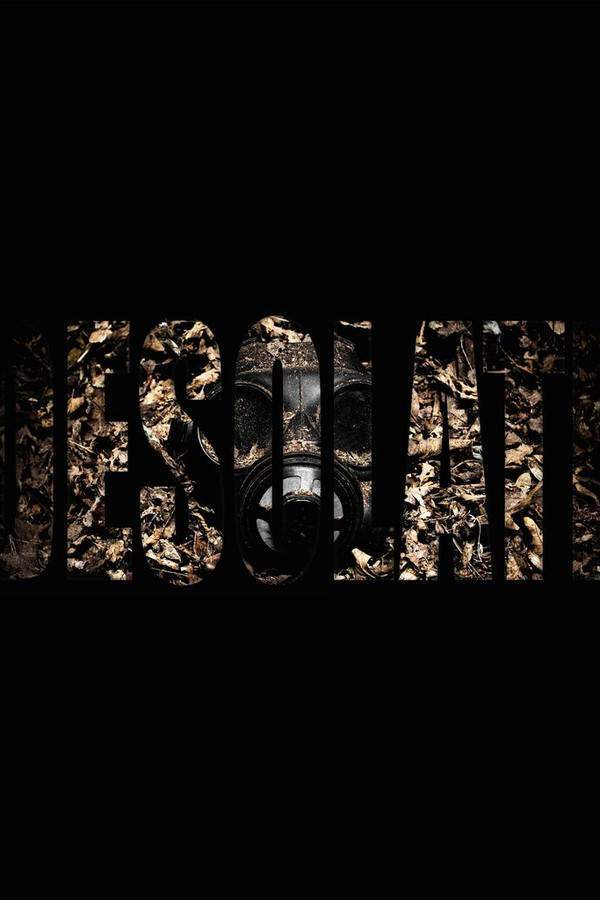
In a distant time when Europe was still blanketed by ice and unknown dangers, a small band of six humans travels across a rugged, unfamiliar landscape in search of a place to call home. The group is led by Adem, who is accompanied by his pregnant partner Ave, his younger brother Geirr, and Adem’s 11-year-old son Heron. They are joined by Beyah, a young woman, and Odal, an older man, as they push toward the mountains in hopes of finding a cave and a safer life.
Their journey grows perilous as a mysterious creature appears, and in the darkness of night, Heron is abruptly taken. The group, driven by fear and a stubborn resolve, follows Adem into the woods. In the chaotic scramble that follows, Adem sustains mortal injuries while Geirr carries him back to camp. Faced with the inevitability of starvation and the grim choice before them, Beyah suggests a brutal measure: Adem’s body is consumed to keep everyone alive, a decision that weighs heavily on the group and fractures their trust.
As Geirr strains to guide them through the forest, Odal grows increasingly paranoid, convinced that a demon stalks them. He contends with Beyah and Ave, attempting to force a brutal sacrifice to restore balance in his own mind. A struggle ensues, Geirr is knocked unconscious, and Beyah escapes into the uncertain wild. Odal’s violence continues when he wounds Ave, only for Ave to retaliate and break his ankle. Above them, the sky glows with aurora, a haunting light that deepens the sense of otherworldly peril. In the fog of fear, the creature reappears to claim Ave’s body, leaving the group to confront a painful reality.
By dawn Beyah and Geirr discover the truth behind the night's horror: the creature is not a demon but a female Neanderthal wearing a mask. They follow her to a mountainside cave, where Beyah hopes to find the Neanderthal before retreating into the unknown. Inside the cave, Beyah confronts a male Neanderthal who tries to strangle her. She feigns death, then fights back, using a wooden spear to mortally wound him and press forward to uncover the fate of Heron.
Inside, Beyah finds Heron alive but threatened by the masked Neanderthal. Geirr, drawn by Beyah’s screams, presses on, only to be slain by the female Neanderthal who wields a stone ax. The confrontation leaves Beyah cornered, but she ignites fur bedding to create a desperate escape and drags Heron out through a narrow vertical opening. The Neanderthal female attempts to flee but becomes stuck at the top; as Heron urges help, Beyah delivers a decisive blow with a rock and kills her.
In the aftermath, Beyah explains what happened to Heron and the others, insisting that the Neanderthals were monsters who killed the group. Heron challenges that view, saying, “They are like us,” hinting at a deeper kinship and the unsettling idea that the abducted boy may have been sheltered and fed by those they deemed enemies. The two make a fragile peace as they survey the cave where Ave’s body lay in the Neanderthals’ care, a funeral that Beyah and the Neanderthals had prepared.
With the cave claimed and the night’s horrors weighed upon them, Beyah and Heron bury the dead and reflect on the price of survival. Beyah recognizes that the Neanderthals were, in many ways, simply people—afraid of the unknown, driven by love and hunger, just as their own group is. The pair resolve to move forward, carrying the Neanderthals’ memory with them.
As Beyah recounts their story to Heron, she admits regret for the killing, yet she also accepts the hard-won lesson: the first of a new people has emerged from the blood and fear of the old. Heron presents Ave’s body, laid out with care, and the two lay her to rest as they prepare to leave the cave behind. Beyah’s final words signal a cautious optimism born of hardship: “She and the boy learned to survive, the first of a new people.” When Heron asks, “What do we do now?” the answer is simple, hopeful, and forward-looking: “We try again.”