

Plot Explained Spoilers guaranteed!
Plot Explained

Browse by genre

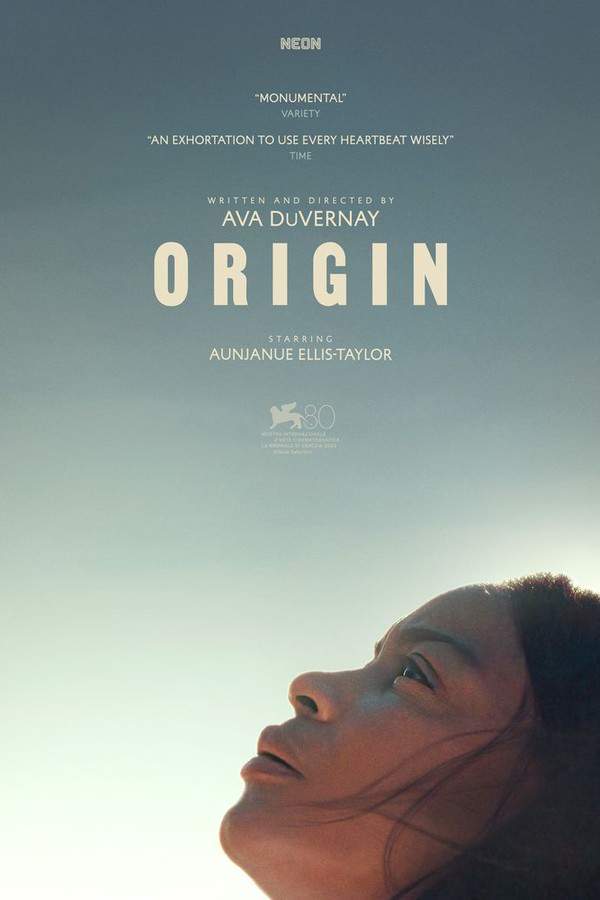
Origin (2023) movie poster

Characters & Themes

Origin (2023) Characters, Setting & Themes Explained

Release, runtime and language
2023 · 2 h 15 m · English
Echo score 80
Directed by
Ava DuVernay
Starring
Connie Nielsen, Nick Offerman, Vera Farmiga, Jasmine Cephas Jones, Jon Bernthal, Finn Wittrock
Budget
$38M

Following a profound personal loss, Isabel begins a journey to uncover the truth, researching historical events to create a significant work that challenges and redefines American identity. Through her dedication and passion, she produces a powerful masterpiece that expands the limits of human understanding.

On this page (9)
  1. 1 Where to watch
  2. 2 Characters explained (10)
  3. 3 Where & when it takes place
  4. 4 Themes & meaning (5)
  5. 5 Character & meaning questions
  6. 6 The book behind the movie
  7. 7 Movie threads
  8. 8 Movies like Origin
  9. 9 Every angle

Where to watch

Where to Watch Origin (2023)

Where can you watch Origin? Stream, rent or buy it in the US, including on Kanopy: current JustWatch availability with up-to-date prices.

Streaming availability powered by JustWatch

10 main characters · contains spoilers

Origin Characters Explained: Who Is Who

The main characters of Origin (2023), heroes and villains: what drives them, how they change over the course of the story and what each of them reveals about the film's bigger ideas.

  • Isabel Wilkerson

    played by Aunjanue Ellis-Taylor

    A renowned writer and researcher who undertakes a global investigation into caste and bigotry, using archives, interviews, and personal reflection. Her journey is marked by profound personal loss, fueling both professional ambition and ethical resolve. She confronts difficult questions about how systems of hierarchy shape lives across nations.

    • 🧠 Intellectual
    • 💔 Trauma
    • 🧭 Persistence
  • Brett Hamilton

    played by Jon Bernthal

    Isabel's husband, a white man whose presence anchors her personal life amid loss. His death or absence leaves a lasting void that informs her emotional and intellectual quest. He appears in memories and as a counterpoint to the social theories she pursues.

    • 💞 Family
    • 💔 Loss
    • 🧭 Memory
  • Ruby Wilkerson

    played by Emily Yancy

    Isabel's elderly mother, a figure whose life and passing evoke themes of family lineage and intergenerational memory. Her presence grounds the narrative in personal history even as the public work seeks universal explanations. Her story is a touchstone for resilience and gratitude.

    • 👵 Family
    • 🕯️ Memory
    • 💔 Grief
  • Marion Wilkerson

    played by Niecy Nash

    Isabel's cousin, part of a close-knit family whose experiences illuminate how communities hold both pain and humor. Marion's presence underscores kinship amid broader social analysis. She appears in moments that connect personal and historical narratives.

    • 👪 Family
    • 🗣️ Voice
    • 🧭 Connection
  • Allison Davis

    played by Isha Blaaker

    A Black researcher who collaborates on undercover work with Elizabeth Davis to study segregation, producing the 1941 Deep South project. Her partnership and expertise demonstrate how collaboration across race and class can uncover systemic patterns. Her work anchors the film's empirical backbone.

    • 🧬 Research
    • 🤝 Collaboration
    • 🌐 Cross-cultural
  • Elizabeth Davis

    played by Jasmine Cephas Jones

    Allison's partner in the study; a white researcher whose collaboration helps expose segregation and contributes to the Deep South project. Their joint work illustrates how shared inquiry can reveal structural inequalities. Her role highlights the importance of scholarly partnerships in social analysis.

    • 🧭 Partnership
    • 🧠 Academic
    • 🌐 Cross-cultural
  • August Landmesser

    played by Finn Wittrock

    A German man who bravely defies the Nazi regime by standing with a Jewish woman, a symbol of resistance in a time of oppression. His story underscores acts of individual courage within a brutal system. The sequence links personal defiance to broader questions of morality during the era.

    • 🧭 Defiance
    • 💪 Courage
  • Trayvon Martin

    played by Myles Frost

    Memory of a Black boy whose life embodies innocence challenged by racial prejudice. Recalled within personal recollections and social commentary, his story serves as a focal point for discussions of race and justice. The portrayal anchors the narrative's contemporary relevance.

    • 🕊️ Memory
    • ✊ Civil Rights
  • Irma Eckler

    played by Victoria Pedretti

    A participant at social gatherings whose interactions with Wilkerson reveal the complexities of expressing ideas about caste and prejudice. Irma embodies the everyday friction between individual belief and structural inequality. Her scenes highlight how conversations shape public understanding.

    • 🎭 Social Interaction
    • 🗣️ Debate
  • Sabine

    played by Connie Nielsen

    A character who participates in intellectual discussions and social settings where Wilkerson's ideas are explored and questioned. Sabine's presence helps illustrate the misinterpretations and challenges in discussing caste across cultures. She acts as a catalyst for dialogue within the narrative.

    • 🎭 Social Interaction
    • 🗣️ Dialogue

Last updated: October 03, 2025 at 19:59

Was this helpful?

Setting

Where and When Does Origin Take Place?

The setting of Origin (2023): the year and time period, the places and locations, and how they shape the characters, the mood and the tension of the story.

Time period

1930s–2020s

Spanning the 1930s–1940s Nazi Germany, mid-20th-century America, and contemporary present-day sequences, the film traces how caste and bigotry persist across eras. It also follows the rise of Isabel Wilkerson's book and the social discourse around its publication around the 2020 elections. The time frame thus encompasses both historical events and their modern resonance.

Location

Germany, United States, India

The film traverses three primary settings: Germany, the United States, and India. In Germany, it probes Nazi-era racial laws and archival records; in the United States, it navigates Jim Crow, segregated spaces, and civil rights histories; in India, it visits the home of Dr. Ambedkar and the Dalit rights movement. Together, these places illustrate how discrimination operates across borders and through history.

  • 🌍 Germany
  • 🗽 United States
  • 🇮🇳 India

Last updated: October 03, 2025 at 19:59

Was this helpful?

5 major themes

Origin Meaning: Themes & Message Explained

What is Origin (2023) really about? The emotional, social and philosophical themes the film keeps returning to, its symbolism and the message beneath the surface.

  • Caste & Race

    Isabel Wilkerson's exploration shows how caste operates beyond race alone, shaping who is treated as inferior and who advances. The film contrasts Jim Crow in America, Nazi racial policy, and Indian caste to reveal a shared logic of hierarchy. Through archival footage, interviews, and intimate memories, caste is presented as a structural system that governs access to dignity, safety, and opportunity.

  • Memory & Loss

    Personal grief anchors the narrative, with Wilkerson mourning her husband, mother, and cousin as she pursues a broader historical project. Memory acts as both fuel for scholarship and a haunting presence in the present. The film uses memory to connect intimate experiences with collective histories, showing how the past informs present understanding.

  • History & Truth

    Archival inquiry drives the storytelling, revealing how sources shape our understanding of discrimination. The film juxtaposes German archives, American records, and diaspora narratives to expose biases and omissions. It suggests that truth emerges when personal narratives intersect with documentary evidence.

  • Story & Change

    Wilkerson's choice to write and publish Caste is portrayed as a deliberate act to shape public discourse. The film argues that a well-crafted narrative can illuminate hidden patterns and mobilize action across communities. The power of storytelling becomes a tool for social transformation.

  • Global Solidarity

    By linking experiences across Germany, India, and the United States, the film emphasizes shared humanity beyond borders. It underscores how oppression operates in diverse contexts and why cross-cultural understanding is essential. The narratives reinforce a call for empathy and collective responsibility.

Last updated: October 03, 2025 at 19:59

Was this helpful?

Character & theme questions

Origin Characters & Meaning: Your Questions Answered

The questions people ask about Origin (2023): who the characters really are, their relationships, what the symbols mean, where it takes place and what the movie is really about. Each answer contains spoilers.

Q1

Where is the movie Origin set?

Origin takes place across three primary countries: Germany, the United States, and India. The German segments explore Nazi-era history and archival records, while the American sections examine Jim Crow segregation and civil rights history. The Indian portion focuses on Dr. Ambedkar and the Dalit rights movement. These diverse locations work together to illustrate how discrimination operates across borders and through history.

  • germany
  • united states
  • india
  • setting
  • locations
  • nazi
  • jim crow
  • dalit
Q2

What time period does Origin cover?

The film spans from the 1930s through the 2020s, encompassing multiple historical eras. It includes sequences from Nazi Germany during the 1930s-1940s, mid-20th-century America with its segregated society, and contemporary present-day segments that follow Isabel Wilkerson's book publication around the 2020 elections. This broad time frame allows the movie to show how caste and bigotry persist across different eras.

  • 1930s
  • 1940s
  • 2020s
  • time period
  • era
  • history
  • modern
Q3

What is Origin about thematically?

Origin is a drama exploring how caste systems operate beyond race alone, examining the shared logic of hierarchy present in Jim Crow America, Nazi Germany, and Indian caste. The film follows Isabel Wilkerson as she researches and writes her book 'Caste,' using her personal grief, losing her husband, mother, and cousin, as fuel for a broader historical investigation. It argues that understanding these interconnected systems can lead to social transformation and global solidarity.

  • caste
  • race
  • discrimination
  • theme
  • meaning
  • Isabel Wilkerson
  • Caste book
Q4

How does the film explore the concept of caste?

Origin presents caste as a structural system that governs access to dignity, safety, and opportunity across different societies. The film contrasts Jim Crow segregation in America, Nazi racial policy in Germany, and the Indian caste system to reveal their shared logic of hierarchy. Through archival footage, interviews, and personal memory, the movie shows how these systems shape lives similarly despite their different cultural contexts.

  • caste system
  • hierarchy
  • discrimination
  • jim crow
  • nazism
  • india
  • oppression
Q5

Who is Isabel Wilkerson in the movie?

Isabel Wilkerson, played by Aunjanue Ellis-Taylor, is a renowned writer and researcher who undertakes a global investigation into caste and bigotry. Her journey is marked by profound personal loss, the deaths of her husband Brett, mother Ruby, and cousin Marion, which fuels both her professional ambition and ethical resolve. Through archives, interviews, and personal reflection, she confronts difficult questions about how systems of hierarchy shape lives across nations.

  • Isabel Wilkerson
  • protagonist
  • author
  • researcher
  • Caste book
Q6

What is the connection between Nazi Germany, Jim Crow, and Indian caste in the film?

The film draws parallels between these three systems, arguing they share a common logic of hierarchy and oppression. Nazi Germany's racial laws, America's Jim Crow segregation, and India's caste system all create structures that determine who is treated as inferior and who advances. By linking these experiences across Germany, India, and the United States, the film emphasizes how oppression operates in diverse contexts and why cross-cultural understanding is essential.

  • nazi germany
  • jim crow
  • india
  • caste
  • comparison
  • hierarchy
  • discrimination
Q7

What are the main themes explored in Origin?

Origin explores several interconnected themes: Caste & Race examining how hierarchy operates beyond just racial lines; Memory & Loss connecting personal grief to collective history; History & Truth showing how archival inquiry reveals biases and omissions; Story & Change demonstrating how a well-crafted narrative can illuminate hidden patterns and mobilize action; and Global Solidarity emphasizing shared humanity beyond borders and the importance of cross-cultural empathy.

  • themes
  • memory
  • loss
  • history
  • truth
  • storytelling
  • solidarity
  • empathy
Q8

What does Origin say about racial discrimination?

The film argues that racial discrimination operates through structural systems of hierarchy, not just individual prejudice. By comparing Jim Crow America, Nazi Germany, and Indian caste, Origin demonstrates how similar logics of inferiority and subordination are enforced across different societies. The movie suggests that understanding these structural patterns is essential for addressing discrimination and creating meaningful social change.

  • racial discrimination
  • racism
  • segregation
  • prejudice
  • structure
  • system
Q9

Who are the key characters in Origin?

The key characters include Isabel Wilkerson (Aunjanue Ellis-Taylor), the protagonist researching caste systems; her husband Brett Hamilton (Jon Bernthal); her mother Ruby Wilkerson (Emily Yancy); and cousin Marion Wilkerson (Niecy Nash). Other important figures include researchers Allison Davis (Isha Blaaker) and Elizabeth Davis (Jasmine Cephas Jones), who studied segregation; August Landmesser (Finn Wittrock), a German who defied Nazis; and Trayvon Martin, whose memory anchors contemporary discussions of race and justice.

  • characters
  • cast
  • Isabel Wilkerson
  • Brett Hamilton
  • Ruby Wilkerson
  • Marion Wilkerson
Q10

Why is memory important in Origin?

Memory serves as both fuel for scholarship and a haunting presence throughout the film. Personal grief, the deaths of Wilkerson's husband, mother, and cousin, drives her scholarly pursuit while also connecting her intimate experiences with collective histories. The film uses memory to show how the past informs present understanding, weaving personal recollections with historical documentary evidence to create a comprehensive picture of how discrimination operates across time.

  • memory
  • grief
  • loss
  • personal history
  • past
  • trauma
Q11

What is the significance of India in Origin?

India represents one-third of the film's comparative analysis of caste systems. The movie visits the home of Dr. B.R. Ambedkar, the architect of India's constitution and a champion of Dalit rights. By including India alongside Nazi Germany and the United States, the film demonstrates that caste-based discrimination is not unique to any one culture or region, reinforcing the theme that hierarchical systems of oppression share common structures across different societies.

  • india
  • dalit
  • ambedkar
  • caste system
  • discrimination
Q12

Does Origin have a hopeful ending?

Yes, Origin concludes with a hopeful tone despite its heavy subject matter. The film ends with the successful publication and reception of Isabel Wilkerson's book 'Caste,' which garnered significant public engagement around the 2020 elections. This outcome transforms the protagonist's personal grief into a tool for social transformation, suggesting that knowledge and storytelling can illuminate hidden patterns and mobilize collective action.

  • ending
  • hope
  • publication
  • Caste book
  • impact
  • social change

Movie threads

More Movies Like Origin, by Mood & Story

Curated lists built around what makes Origin tick: the same mood, the same kind of story or the same emotional payoff. Each list explains why these movies belong together.

Movies where grief sparks a quest like Origin

Characters channel personal tragedy into profound intellectual or historical investigations. Find films similar to Origin, where a protagonist grapples with profound loss by immersing themselves in an academic or historical investigation. If you liked the blend of personal sorrow and intellectual urgency in Origin, you'll discover other thoughtful dramas centered on grief-fueled research.

  • grieving
  • academic
  • introspective
  • somber
  • thought-provoking
  • urgent
  • Tone: melancholic, thoughtful
  • Pacing: slow, contemplative
Why these movies?

The story pattern: Stories typically begin with a devastating personal tragedy that propels the protagonist into a methodical, research-heavy journey. The narrative structure often alternates between the character's emotional present and the historical or theoretical material they are exploring, leading to a synthesis that offers both personal healing and broader intellectual insight.

Why they belong together: These films are grouped together because they share a unique emotional mix: the weight of personal grief combined with the focused energy of an intellectual mission. They feature slow, deliberate pacing, complex narrative structures, and a tone that is melancholic yet purpose-driven, creating a deeply introspective viewing experience.
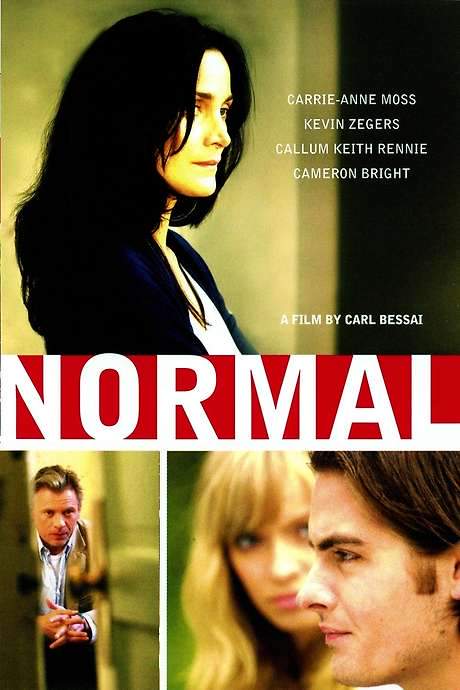
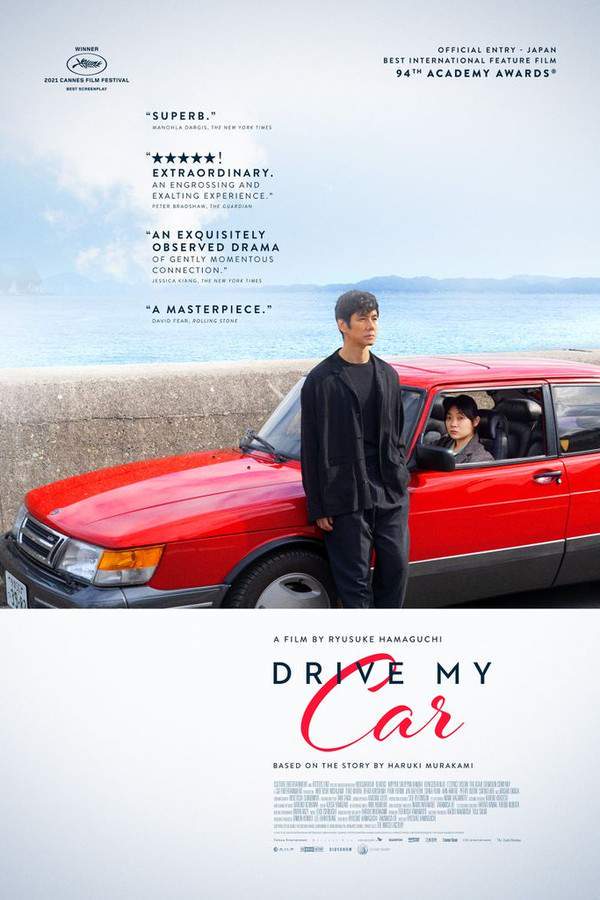
Epic historical investigations of injustice like Origin

Epic narratives that connect past and present to reveal the roots of social oppression. Discover movies like Origin that undertake a vast historical investigation into systemic oppression, connecting different eras and cultures. If you appreciated the complex, multi-layered approach to exposing social hierarchies in Origin, you'll find other heavy dramas with a similar scholarly and urgent vibe.

  • thought-provoking
  • oppressive
  • urgent
  • academic
  • somber
  • historical
  • Tone: somber, urgent
  • Pacing: slow, methodical
Why these movies?

The story pattern: The narrative pattern involves a central figure, often a writer or researcher, who draws parallels between distinct historical instances of oppression (e.g., caste system, racism, genocide). The plot jumps across time periods to build a comparative thesis, culminating in a work or revelation intended to challenge and redefine public understanding.

Why they belong together: These films are united by their complex, multi-stranded narratives that directly tackle large-scale social evils. They share a high intensity, a somber and thought-provoking tone, and a commitment to linking personal stories with wider historical forces. The experience is defined by its academic rigor and heavy emotional impact.

If you liked this

Movies Like Origin

Similar movies to Origin: the same genre, themes or kind of story. Each one comes with its own plot summary, timeline and ending explained.

Browse all movie summaries

Every angle

Origin (2023) Explained: Plot, Ending, Timeline & Characters

Everything about Origin in one place: what happens in the plot summary, the timeline in chronological order, the characters and meaning, the ending explained and a spoiler-free summary. What's After the Movie adds the cast, box office and post-credit scenes.

Coming soon on iOS and Android

The Plot Explained Movie Summary App

Plot summaries, endings explained and timelines on your phone. Catch up on any movie in minutes, save your favorites and never miss a twist again.

Be the first to know when we launch. Your email stays private, always.

Learn more about the app