

Plot Explained Spoilers guaranteed!
Plot Explained

Browse by genre

Ordinary People (1980) movie poster

Spoiler-Free Summary

Ordinary People (1980) Spoiler-Free Summary – What It's About

Release, runtime and language
1980 · 124 min · Korean
Starring
Donald Sutherland, Mary Tyler Moore

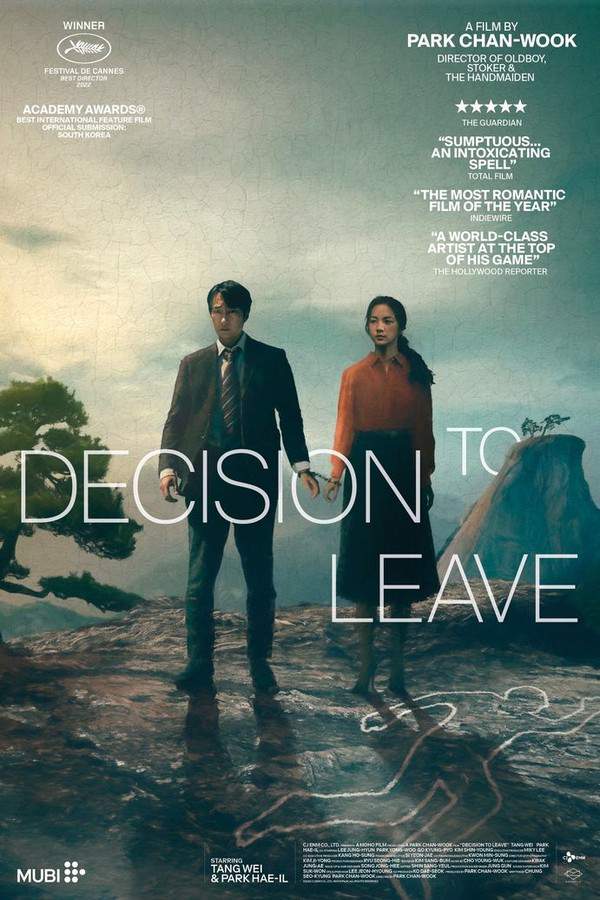
When Koo Jae-pil discovers his estranged wife covered in blood, he finds himself immediately suspected by the police. Determined to clear his name and uncover the truth behind the shocking scene, he navigates a complex web of suspicion and uncertainty. As he investigates, the boundaries of reality become increasingly blurred, forcing him to confront unsettling truths about his life and the people around him.

On this page (7)
  1. 1 Where to watch
  2. 2 What it is about
  3. 3 Is it worth watching?
  4. 4 After you watch
  5. 5 Movie threads
  6. 6 Movies like Ordinary People
  7. 7 Every angle

Where to watch

Where to Watch Ordinary People (1980)

Where can you watch Ordinary People? Stream, rent or buy it in the US, including on Hoopla, Kanopy and Amazon Video: current JustWatch availability with up-to-date prices.

Streaming availability powered by JustWatch

Spoiler-free summary · safe to read

What Is Ordinary People About? (No Spoilers)

The plot of Ordinary People (1980) without spoilers: what it is about, who it follows and where it takes place, told without the twists or the ending. Enough to decide whether it is your next watch, not enough to ruin it.

In the quiet, well‑to‑do enclave of Lake Forest, just outside Chicago, the Jarrett family moves through the lingering shadows of a tragedy that has reshaped their lives. The polished exterior of their suburban world masks a fragile emotional landscape, where the expectations of perfection clash with the raw need for connection. The film’s tone is quiet and contemplative, letting the subtle currents of grief and yearning surface through everyday moments rather than overt drama.

At the heart of the story is Conrad, the younger son who returns home after months of treatment for severe emotional distress. He carries the weight of loss and a sense of dislocation that makes the familiar household feel foreign. Trying to rebuild his sense of self, Conrad seeks guidance from Dr. Tyrone Berger, a thoughtful psychiatrist whose gentle probing offers a glimpse of possible healing while also illuminating the deeper fissures within the family.

Calvin, the father, strives to hold the pieces together, navigating his own uncertainty about how best to support his wife and son. His attempts at reconciliation are tempered by the pressure to maintain the family’s outward composure. Across the kitchen table, Beth clings to an image of normalcy, hoping that preserving appearances will ease the pain, even as her own unresolved grief creates an emotional distance that deepens the chasm between her and Conrad.

Amid this delicate tableau, a budding friendship with Jeannine offers Conrad a faint thread of hope, hinting at the possibility of connection beyond the walls of his family home. The film’s understated style invites the audience to sit with the characters’ quiet struggles, feeling the tension between what is said and what remains unsaid. In a world where love is both a balm and a burden, Ordinary People explores how ordinary moments can carry extraordinary weight, setting the stage for an intimate, emotionally resonant journey.

Last updated: August 10, 2025 at 14:12

Was this helpful?

What to expect

Is Ordinary People Worth Watching? What It Feels Like

Is it dark, sad, slow, intense or confusing? The mood of Ordinary People (1980) in a few tags, without a word about how it ends. Each tag opens a list of movies that feel the same.

After you watch

Seen Ordinary People? Now Read the Spoilers

Once you have watched Ordinary People (1980), come back for the full story: the plot summary with spoilers, the timeline in chronological order, the characters and meaning.

Movie threads

More Movies Like Ordinary People, by Mood & Story

Curated lists built around what makes Ordinary People tick: the same mood, the same kind of story or the same emotional payoff. Each list explains why these movies belong together.

Slow-burn family grief dramas like Ordinary People

Intimate portraits of families quietly shattered by profound loss. If you appreciated the heavy, melancholic exploration of grief in Ordinary People, this thread gathers similar movies about families coping with loss. These dramas share a slow, introspective pace and a focus on the complex, often painful, emotional dynamics within a household.

  • somber
  • painful
  • introspective
  • claustrophobic
  • cathartic
  • tender
  • Tone: melancholic, somber, painful
  • Pacing: slow, deliberate, character-driven
Why these movies?

The story pattern: Narratives in this thread typically center on a family unit in the aftermath of a traumatic event, often a death. The plot is secondary to the character study, unfolding through quiet moments, strained interactions, and painful confrontations that expose layers of guilt, blame, and unexpressed sorrow. The journey is internal, charting the slow, difficult path toward some form of acceptance or irrevocable change.

Why they belong together: These films are grouped together because they share a specific, demanding vibe: a high emotional weight, a melancholic tone, and a slow pacing that allows the viewer to sit with the characters' pain. They are united by their serious, unflinching look at how grief isolates and transforms people within the supposed safety of their own home.


Movies about psychological healing like Ordinary People

Stories where confronting deep trauma leads to a painful but hopeful new beginning. For viewers who connected with the therapeutic journey and bittersweet resolution of Ordinary People, this collection highlights films with similar arcs. These stories focus on characters grappling with mental health, survivor's guilt, or trauma, ending with a sense of cautious, earned hope.

  • cathartic
  • introspective
  • painful
  • hopeful
  • melancholic
  • emotional
  • Tone: melancholic, cathartic, bittersweet
  • Pacing: slow to steady, introspective
Why these movies?

The story pattern: The narrative pattern follows a central character's difficult path toward mental and emotional stability. A catalyst forces them to peel back layers of repression and denial, often with the help of a guide (like a therapist). The climax involves a painful but necessary emotional breakthrough. The ending acknowledges the scars that remain while offering a tentative, realistic hope for the future, rather than a tidy resolution.

Why they belong together: These movies are linked by their focus on the process of psychological recovery and their specific emotional conclusion. They share a heavy emotional weight, a tone that balances melancholy with glimmers of hope, and a bittersweet ending feel that resonates with the complexity of real healing.

If you liked this

Movies Like Ordinary People

Similar movies to Ordinary People: the same genre, themes or kind of story. Each one comes with its own plot summary, timeline and ending explained.

Browse all movie summaries

Every angle

Ordinary People (1980) Explained: Plot, Timeline & Characters

Everything about Ordinary People in one place: what happens in the plot summary, the timeline in chronological order, the characters and meaning and a spoiler-free summary. What's After the Movie adds the cast, box office and post-credit scenes.

Coming soon on iOS and Android

The Plot Explained Movie Summary App

Plot summaries, endings explained and timelines on your phone. Catch up on any movie in minutes, save your favorites and never miss a twist again.

Be the first to know when we launch. Your email stays private, always.

Learn more about the app