

Plot Explained Spoilers guaranteed!
Plot Explained

Browse by genre

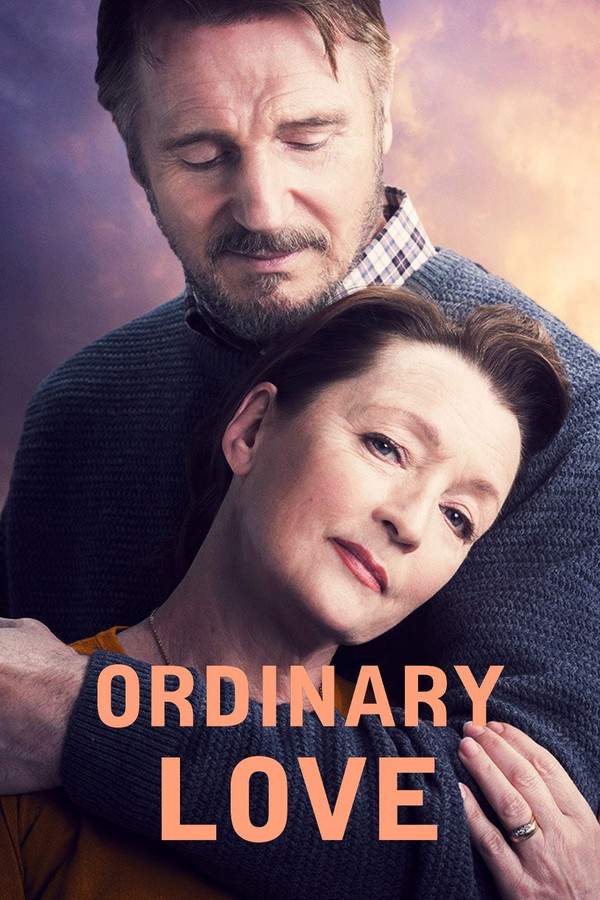
Ordinary People (1980) movie poster

Characters & Themes

Ordinary People (1980) Characters, Setting & Themes Explained

Release, runtime and language
1980 · 124 min · Korean
Starring
Donald Sutherland, Mary Tyler Moore

When Koo Jae-pil discovers his estranged wife covered in blood, he finds himself immediately suspected by the police. Determined to clear his name and uncover the truth behind the shocking scene, he navigates a complex web of suspicion and uncertainty. As he investigates, the boundaries of reality become increasingly blurred, forcing him to confront unsettling truths about his life and the people around him.

On this page (8)
  1. 1 Where to watch
  2. 2 Characters explained (3)
  3. 3 Where & when it takes place
  4. 4 Themes & meaning (3)
  5. 5 Character & meaning questions
  6. 6 Movie threads
  7. 7 Movies like Ordinary People
  8. 8 Every angle

Where to watch

Where to Watch Ordinary People (1980)

Where can you watch Ordinary People? Stream, rent or buy it in the US, including on Hoopla, Kanopy and Amazon Video: current JustWatch availability with up-to-date prices.

Streaming availability powered by JustWatch

3 main characters · contains spoilers

Ordinary People Characters Explained: Who Is Who

The main characters of Ordinary People (1980), heroes and villains: what drives them, how they change over the course of the story and what each of them reveals about the film's bigger ideas.

  • Conrad Jarrett

    Conrad is a deeply troubled young man grappling with the trauma stemming from his brother Buck's death. His character portrays the struggles of adolescence compounded by mental health issues, as he attempts to navigate his family dynamics and find his path to healing. Through therapy and connections with others, he learns to confront his pain and seek understanding.

    • 🧑‍⚕️ Mental Health
    • 💔 Trauma
  • Calvin Jarrett

    Calvin is the devoted father striving to bridge the emotional chasm that separates him from his wife, Beth, and their son, Conrad. He is portrayed as a compassionate and protective figure, attempting to maintain family unity while facing the harsh realities of their emotional turmoil. His character embodies the struggle for clarity and love amidst chaos.

    • 👨‍👦 Family
    • 💪 Strength
  • Beth Jarrett

    Beth is the emotionally distant mother whose attempts to uphold family appearances create further strain within the household. Her character reflects a deep-seated conflict between her desire for normalcy and her inability to confront her vulnerabilities. This leads to painful rifts, highlighting the challenges of expressing love and support in difficult times.

    • ⚖️ Conflict
    • ❗ Indifference

Last updated: October 22, 2024 at 22:06

Was this helpful?

Setting

Where and When Does Ordinary People Take Place?

The setting of Ordinary People (1980): the year and time period, the places and locations, and how they shape the characters, the mood and the tension of the story.

Time period

The story unfolds in contemporary times, capturing the complexities of family dynamics in the aftermath of trauma. Themes of grief, emotional disconnection, and the quest for healing resonate strongly in this period as characters grapple with their personal struggles amidst societal expectations.

Location

Lake Forest, Houston

Lake Forest is an affluent suburb located just outside of Chicago, characterized by its beautiful landscapes and an air of tranquility. It serves as the backdrop for the Jarrett family's emotional struggles following a tragedy. Houston, a vibrant and sprawling city in Texas, represents a pivotal escape for the family, where deeper issues are confronted and familial dynamics reach a breaking point.

  • 🏙️ City
  • 🌳 Nature

Last updated: October 22, 2024 at 22:06

Was this helpful?

3 major themes

Ordinary People Meaning: Themes & Message Explained

What is Ordinary People (1980) really about? The emotional, social and philosophical themes the film keeps returning to, its symbolism and the message beneath the surface.

  • Grief

    The theme of grief permeates throughout the film as the Jarrett family navigates the emotional aftermath of losing their eldest son, Buck. Each family member copes differently, reflecting the complexities of mourning and the pain of loss. The film poignantly explores how grief can isolate individuals within a family unit, emphasizing the importance of open communication in the healing process.

  • Isolation

    Isolation is a central theme in 'Ordinary People,' as Conrad feels increasingly disconnected from his family in the wake of tragedy. The emotional distance between him and his parents creates a barrier that exacerbates his struggles with PTSD. The film illustrates how lack of understanding and vulnerability can lead to feelings of profound loneliness, even in the company of loved ones.

  • Healing

    Healing is a crucial theme as Conrad seeks to confront his trauma and rebuild his relationships with his family. His sessions with Dr. Berger facilitate a journey towards understanding and acceptance. The film underscores the importance of confronting one's pain and the role of compassion in fostering healing within familial bonds.

Last updated: October 22, 2024 at 22:06

Was this helpful?

Character & theme questions

Ordinary People Characters & Meaning: Your Questions Answered

The questions people ask about Ordinary People (1980): who the characters really are, their relationships, what the symbols mean, where it takes place and what the movie is really about. Each answer contains spoilers.

Q1

Where is the movie set?

The film takes place primarily in Lake Forest, an affluent suburb just outside Chicago, Illinois. The family also travels to Houston, Texas at a pivotal moment in the story, where deeper family conflicts come to the surface.

  • lake forest
  • chicago
  • houston
  • setting
  • location
Q2

When does the story take place?

The story unfolds in contemporary times, set in the late 1970s or early 1980s based on the film's release era. This modern setting grounds the family's emotional struggles in a period where discussions of mental health were beginning to gain more cultural attention.

  • time period
  • contemporary
  • 1980s
  • era
Q3

What are the main themes explored in the film?

The film explores three interconnected themes: grief over the loss of the eldest son Buck, the isolation felt by Conrad as he struggles with PTSD and survivor's guilt, and the healing process through therapy and honest family communication. These themes intertwine to show how tragedy can fracture a family unit.

  • grief
  • isolation
  • healing
  • themes
  • loss
  • trauma
Q4

How does the film handle the theme of grief?

The film portrays grief as a deeply personal and isolating experience. Each family member copes differently with the loss of Buck, Conrad through survivor's guilt and PTSD, Beth through emotional repression and denial, and Calvin through desperate attempts to hold the family together. The movie shows how unprocessed grief can create emotional distance even between people living in the same house.

  • grief
  • mourning
  • loss
  • buck
  • death
Q5

What does isolation represent in the story?

Isolation in the film represents the emotional wall that builds between family members when they cannot openly express their pain. Conrad feels profoundly alone despite having a family, especially as his parents struggle to connect with his trauma. Beth's inability to be vulnerable creates the most significant barrier, as her emotional distance directly impacts her husband's and son's ability to heal.

  • isolation
  • emotional distance
  • loneliness
  • disconnection
  • family
Q6

How does Conrad's character arc represent healing?

Conrad's journey represents the painful but necessary process of confronting trauma rather than suppressing it. Through his sessions with Dr. Berger, he learns to articulate his survivor's guilt and anger about Buck's death. His willingness to face his pain directly contrasts with his mother's avoidance, and his breakthrough marks the film's central hope for healing.

  • conrad
  • healing
  • therapy
  • ptsd
  • recovery
  • dr. berger
Q7

Who is Beth Jarrett and what is her role?

Beth Jarrett is the mother of Conrad and the late Buck. She is portrayed as emotionally distant and preoccupied with maintaining the appearance of a normal family. Her inability to confront her grief and vulnerability ultimately drives a wedge between herself and her husband Calvin, as well as between herself and Conrad, leading to the family's fracture.

  • beth jarrett
  • mother
  • emotional distance
  • repression
Q8

Who is Calvin Jarrett and what motivates him?

Calvin Jarrett is the father of Conrad and the late Buck. He is motivated by a deep desire to keep his family together despite the devastating loss they have suffered. Unlike his wife, Calvin is willing to confront painful emotions and seek help, making him the parent who can ultimately connect with Conrad's struggles. His love for his family drives his efforts to bridge the emotional gap between all members.

  • calvin jarrett
  • father
  • love
  • family unity
  • protection
Q9

What is Conrad Jarrett's emotional state?

Conrad Jarrett is a deeply troubled young man dealing with complex trauma. He struggles with PTSD and survivor's guilt over his brother Buck's death, which manifests as emotional numbness, difficulty trusting others, and feelings of worthlessness. His character arc shows the difficulty of recovering from both loss and a personal suicide attempt while feeling emotionally abandoned by his parents.

  • conrad jarrett
  • ptsd
  • survivor's guilt
  • mental health
  • suicide attempt
Q10

What does the Lake Forest setting represent?

Lake Forest represents the façade of stability and normalcy that the Jarrett family desperately tries to maintain. As an affluent suburb, it symbolizes the privileged world Beth wants to preserve, the perfect house, the perfect appearance, despite the emotional devastation occurring within those walls. The stark contrast between the peaceful exterior and the family's internal turmoil highlights the film's exploration of how grief can hide behind privilege.

  • lake forest
  • suburb
  • affluence
  • appearance
  • facade
  • chicago
Q11

What does the film say about family dynamics after trauma?

The film illustrates how trauma can fundamentally alter family relationships, often pulling members apart rather than together. The Jarrett family becomes trapped in patterns of avoidance and miscommunication, Beth retreats into denial, Calvin struggles to reach either his wife or son, and Conrad feels abandoned by both. The film suggests that healing requires breaking these patterns through honest communication and vulnerability.

  • family dynamics
  • relationships
  • communication
  • trauma
  • parents
  • son
Q12

What is the overall tone of the film?

The film has a predominantly melancholic tone, defined by quiet sadness and deep reflection rather than overt drama or despair. There are moments of hope and healing, particularly in Conrad's therapy scenes and his eventual connection with his father, but the overall atmosphere carries a weight of grief and emotional restraint. The slow pacing reinforces this feeling of being trapped in the characters' emotional states.

  • tone
  • mood
  • melancholic
  • emotional
  • slow pacing
  • quiet

Movie threads

More Movies Like Ordinary People, by Mood & Story

Curated lists built around what makes Ordinary People tick: the same mood, the same kind of story or the same emotional payoff. Each list explains why these movies belong together.

Slow-burn family grief dramas like Ordinary People

Intimate portraits of families quietly shattered by profound loss. If you appreciated the heavy, melancholic exploration of grief in Ordinary People, this thread gathers similar movies about families coping with loss. These dramas share a slow, introspective pace and a focus on the complex, often painful, emotional dynamics within a household.

  • somber
  • painful
  • introspective
  • claustrophobic
  • cathartic
  • tender
  • Tone: melancholic, somber, painful
  • Pacing: slow, deliberate, character-driven
Why these movies?

The story pattern: Narratives in this thread typically center on a family unit in the aftermath of a traumatic event, often a death. The plot is secondary to the character study, unfolding through quiet moments, strained interactions, and painful confrontations that expose layers of guilt, blame, and unexpressed sorrow. The journey is internal, charting the slow, difficult path toward some form of acceptance or irrevocable change.

Why they belong together: These films are grouped together because they share a specific, demanding vibe: a high emotional weight, a melancholic tone, and a slow pacing that allows the viewer to sit with the characters' pain. They are united by their serious, unflinching look at how grief isolates and transforms people within the supposed safety of their own home.


Movies about psychological healing like Ordinary People

Stories where confronting deep trauma leads to a painful but hopeful new beginning. For viewers who connected with the therapeutic journey and bittersweet resolution of Ordinary People, this collection highlights films with similar arcs. These stories focus on characters grappling with mental health, survivor's guilt, or trauma, ending with a sense of cautious, earned hope.

  • cathartic
  • introspective
  • painful
  • hopeful
  • melancholic
  • emotional
  • Tone: melancholic, cathartic, bittersweet
  • Pacing: slow to steady, introspective
Why these movies?

The story pattern: The narrative pattern follows a central character's difficult path toward mental and emotional stability. A catalyst forces them to peel back layers of repression and denial, often with the help of a guide (like a therapist). The climax involves a painful but necessary emotional breakthrough. The ending acknowledges the scars that remain while offering a tentative, realistic hope for the future, rather than a tidy resolution.

Why they belong together: These movies are linked by their focus on the process of psychological recovery and their specific emotional conclusion. They share a heavy emotional weight, a tone that balances melancholy with glimmers of hope, and a bittersweet ending feel that resonates with the complexity of real healing.

If you liked this

Movies Like Ordinary People

Similar movies to Ordinary People: the same genre, themes or kind of story. Each one comes with its own plot summary, timeline and ending explained.

Browse all movie summaries

Every angle

Ordinary People (1980) Explained: Plot, Timeline & Characters

Everything about Ordinary People in one place: what happens in the plot summary, the timeline in chronological order, the characters and meaning and a spoiler-free summary. What's After the Movie adds the cast, box office and post-credit scenes.

Coming soon on iOS and Android

The Plot Explained Movie Summary App

Plot summaries, endings explained and timelines on your phone. Catch up on any movie in minutes, save your favorites and never miss a twist again.

Be the first to know when we launch. Your email stays private, always.

Learn more about the app