







Onibaba

Onibaba

Year: 1964

Runtime: 105 mins

Language: Japanese

Director: Kaneto Shindô

HorrorHorror

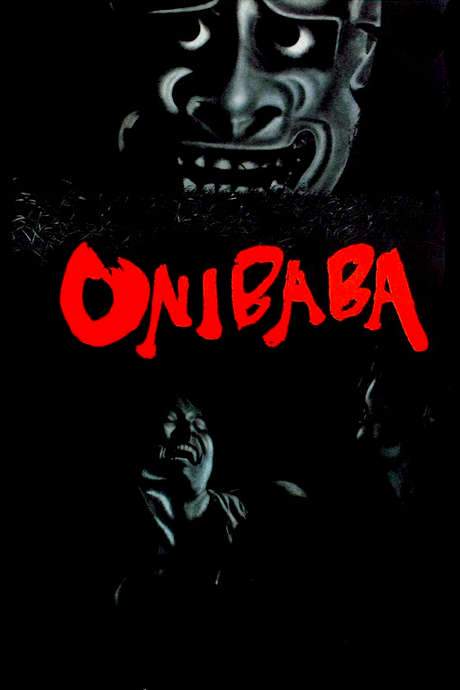
While her son Kichi fights abroad, a mother and her daughter‑in‑law survive in a swamp by ambushing stray samurai and selling the loot. The news of Kichi’s death devastates them, and the daughter‑in‑law begins an affair with the surviving neighbor Hachi. The mother, jealous and angry, tries to frighten her with a mask from a dead samurai.

Warning: spoilers below!

Haven’t seen Onibaba yet? This summary contains major spoilers. Bookmark the page, watch the movie, and come back for the full breakdown. If you're ready, scroll on and relive the story!

Timeline & Setting – Onibaba (1964)

Explore the full timeline and setting of Onibaba (1964). Follow every major event in chronological order and see how the environment shapes the story, characters, and dramatic tension.

Time period

Mid-14th century

Set at the dawn of the Nanboku-chō period, the story follows a country torn by ongoing warfare after the Battle of Minatogawa. Desperation drives people to raid fallen soldiers and barter loot for food. The era’s instability shapes every choice, from infidelity to survival schemes, and frames the looming sense of doom.

Location

Field of tall reeds near Kyoto, Japan

The film unfolds in a vast field of tall, thick reeds near Kyoto, creating a secluded, claustrophobic setting perfect for ambushes and whispered exchanges. The environment is a liminal space between the war outside and the two women’s perilous economy inside. The reeds provide concealment for the bodies and for the growing tension between characters.

❄️ Reeds 🗺️ Kyoto region 🏞️ Rural landscape

Last Updated: October 04, 2025 at 15:25

Main Characters – Onibaba (1964)

Meet the key characters of Onibaba (1964), with detailed profiles, motivations, and roles in the plot. Understand their emotional journeys and what they reveal about the film’s deeper themes.

Hachi (Kei Satô)

A weary veteran who returns from war and is drawn to the younger woman. His desire clashes with the older woman's warnings, driving a love triangle that exposes the fragility of loyalty in a war-torn landscape. He meets a violent end at the hands of a later deserter, highlighting the perilous randomness of this world.

⚔️ Soldier 💘 Desire 🗣️ Charismatic

Ushi (Taiji Tonoyama)

A shrewd merchant who buys loot from dead soldiers and trades it for food, becoming a conduit for news about the war’s brutality. His feasts on information and barter reflect a society driven to barter survival at the edge of civilization.

🧭 Merchant 🍲 Food source 🗒️ News conduit

Old Woman (Nobuko Otowa)

The older woman is protective of her daughter-in-law and is willing to manipulate others to keep her rival close. Her jealousy pushes her to scheme and even wear the samurai’s disguise to scare away the younger woman. The film hints at a monstrous power that resides in her determination.

👵 Matriarch 💢 Jealousy 🗡️ Ruthless

Young Woman (Jitsuko Yoshimura)

The younger wife who pursues a forbidden relationship with Hachi, sneaking to his hut at night. Her desire collides with her mother-in-law’s control, driving the central conflict. Her actions propel the plot toward the culmination of the tragedy.

💃 Young Woman ❤️ Forbidden Love 🕊️ Secretive

The Samurai (Jūkichi Uno)

A deserter wearing a Hannya mask who is guided by the older woman out of the field. His mask hints at a hidden, deformed face and precipitates a chain of deadly events as he meets his fate in the pit.

🗡️ Samurai 🎭 Masked 🕊️ Fate

Runaway Warrior (Someshō Matsumoto)

A deserter encountered in the war-torn landscape, adding danger to the field where the two women extract resources. His presence heightens the sense of precarious survival and violence.

⚔️ Deserter 🌾 Survivor 🪖 War-weariness

Runaway Warrior (Kentarô Kaji)

Another deserter who raids for food and contributes to the film’s tragic arc, including the assault that ends Hachi’s life. His presence underscores the indiscriminate brutality of war.

⚔️ Deserter 🗡️ Violence 🕳️ Consequences

Samurai with Blood (Michinori Yoshida)

A disfigured samurai whose blood-streaked presence and broken mask symbolize the physical and moral scars of battle. He embodies the theme of appearance versus reality and the consequences of violence.

🗡️ Samurai 🩸 Blood 💀 Fate

Last Updated: October 04, 2025 at 15:25

Major Themes – Onibaba (1964)

Explore the central themes of Onibaba (1964), from psychological, social, and emotional dimensions to philosophical messages. Understand what the film is really saying beneath the surface.

🔥 Desperation

War leaves people hungry and morally flexible, pushing characters to raid corpses and barter for sustenance. The two women exploit the chaos to survive, blurring lines between victim and culprit. The constant threat of violence underscores how survival overrides ethics.

💔 Forbidden Love

Hachi’s nocturnal visits to the younger woman ignite a romance that clashes with the older woman's control. Jealousy and fear fuel manipulation, turning affection into a weapon in a world where trust is scarce. The relationship becomes a catalyst for tragedy and betrayal.

🎭 Masks and Reality

A lost samurai wearing a hannya mask becomes a symbol of punishment and deception that haunts the characters. The mask’s grip on identity blurs lines between demon and man, especially as it inevitably binds itself to its wearer. The ending leaves the truth about the mask’s origin enigmatic.

Last Updated: October 04, 2025 at 15:25

Mobile App Preview

Coming soon on iOS and Android

The Plot Explained Mobile App

From blockbusters to hidden gems — dive into movie stories anytime, anywhere. Save your favorites, discover plots faster, and never miss a twist again.

Sign up to be the first to know when we launch. Your email stays private — always.

Explore Movie Threads

Discover curated groups of movies connected by mood, themes, and story style. Browse collections built around emotion, atmosphere, and narrative focus to easily find films that match what you feel like watching right now.

Folk Horror Descent Movies like Onibaba

Primordial landscapes and ancient superstitions corrode human morality.If you liked the folk horror elements of Onibaba, this thread features movies where ancient superstitions and harsh natural environments lead to moral decay and psychological collapse, exploring similar themes of punishment and dread rooted in folklore.

primordialsuperstitiousdecayinginevitablepunishingatavisticeerie

Narrative Summary

These stories typically begin with a fragile human order established in a wild or isolated setting. An intrusion—be it a person, a discovery, or a supernatural event—acts as a catalyst, unraveling the community or individual through fear, jealousy, or adherence to cruel traditions. The journey is a downward spiral into madness or violence, often framed as a dark fairy tale or cautionary legend.

Why These Movies?

They are grouped by their shared foundation in folklore and myth, using a timeless, often rural atmosphere to explore deep-seated human fears. The terror is environmental and psychological, creating a sense of inevitability and a connection to something ancient and punishing.


Claustrophobic Psychological Thrillers like Onibaba

Tensions rise in confined spaces, leading to moral and psychological collapse.For viewers who appreciated the suffocating tension of Onibaba, this list collects movies with a similarly claustrophobic feel, where characters are trapped by their circumstances and relationships, leading to intense psychological drama and bleak outcomes.

claustrophobicanxiousoppressivedesperategrimmanipulativepsychological

Narrative Summary

The narrative structure is often simple but intensely focused. Characters are bound together by a shared, desperate situation, such as survival or isolation. Their flaws and desires clash in a pressure-cooker environment, with the plot driven by escalating psychological manipulation, paranoia, and the breakdown of social norms, rather than external action.

Why These Movies?

They share a core experience of sustained, oppressive tension. The similarity comes from the feeling of being trapped—both in the setting and in the doomed relationships—and the focus on how human weakness leads to self-destruction under pressure, creating a heavy, anxious viewing experience.

Unlock the Full Story of Onibaba

Don't stop at just watching — explore Onibaba in full detail. From the complete plot summary and scene-by-scene timeline to character breakdowns, thematic analysis, and a deep dive into the ending — every page helps you truly understand what Onibaba is all about. Plus, discover what's next after the movie.

Onibaba Summary

Read a complete plot summary of Onibaba, including all key story points, character arcs, and turning points. This in-depth recap is ideal for understanding the narrative structure or reviewing what happened in the movie.

Onibaba Summary

Onibaba Timeline

Track the full timeline of Onibaba with every major event arranged chronologically. Perfect for decoding non-linear storytelling, flashbacks, or parallel narratives with a clear scene-by-scene breakdown.

Onibaba Timeline

Onibaba Spoiler-Free Summary

Get a quick, spoiler-free overview of Onibaba that covers the main plot points and key details without revealing any major twists or spoilers. Perfect for those who want to know what to expect before diving in.

Onibaba Spoiler-Free Summary

More About Onibaba

Visit What's After the Movie to explore more about Onibaba: box office results, cast and crew info, production details, post-credit scenes, and external links — all in one place for movie fans and researchers.

More About Onibaba

Similar Movies to Onibaba

Discover movies like Onibaba that share similar genres, themes, and storytelling elements. Whether you’re drawn to the atmosphere, character arcs, or plot structure, these curated recommendations will help you explore more films you’ll love.