







Plot Explained Spoilers guaranteed!
Plot Explained

Browse by genre

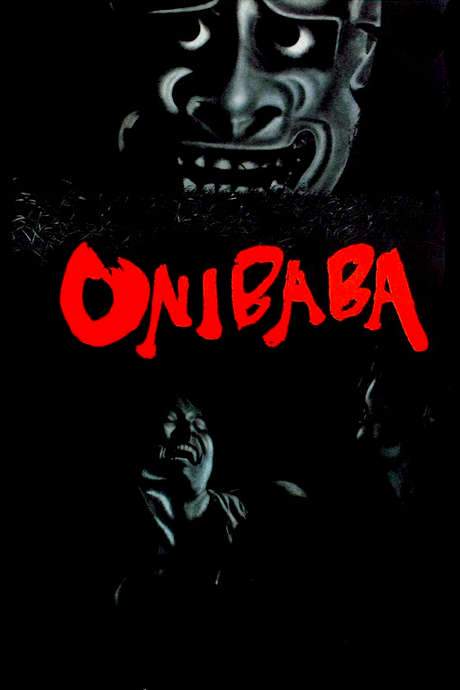
Onibaba (1964) movie poster

Timeline

Onibaba (1964) Timeline Explained – Every Event in Order

Release, runtime and language
1964 · 105 mins · Japanese
JustWatch #10,491 16
Directed by
Kaneto Shindô
Starring
Kei Satô, Taiji Tonoyama, Hiroshi Tanaka, Jitsuko Yoshimura, Kentarô Kaji, Nobuko Otowa

While her son Kichi fights abroad, a mother and her daughter‑in‑law survive in a swamp by ambushing stray samurai and selling the loot. The news of Kichi’s death devastates them, and the daughter‑in‑law begins an affair with the surviving neighbor Hachi. The mother, jealous and angry, tries to frighten her with a mask from a dead samurai.

On this page (6)
  1. 1 Where to watch
  2. 2 Events in order (14)
  3. 3 Timeline questions answered
  4. 4 Movie threads
  5. 5 Movies like Onibaba
  6. 6 Every angle

Where to watch

Where to Watch Onibaba (1964)

Where can you watch Onibaba? Stream, rent or buy it in the US, including on HBO Max, Amazon Video and Apple TV Store: current JustWatch availability with up-to-date prices.

Streaming availability powered by JustWatch

14 events in order · contains spoilers

Onibaba Timeline: Events in Chronological Order

Every key event of Onibaba (1964) in order, scene by scene, with when and where it takes place. Use it to untangle flashbacks, time jumps and parallel storylines, to refresh your memory before the sequel or to find the exact scene you are thinking of.

  1. Ambush in the reeds

    The two fleeing soldiers are ambushed in a tall reed field near Kyoto as the Nanboku-chō period begins. An older woman and her daughter-in-law murder them, stripping off armor and weapons before disposing of the corpses in a deep hidden pit. The brutal act sets the grim dynamic of theft and murder that fuels the rest of the film.

    When
    shortly after the Battle of Minatogawa (mid-14th century)
    Where
    field of tall reeds, near Kyoto
  2. Looting and burial

    The two women haul away the fallen soldiers’ armor and weapons, keeping what they salvage for themselves. They drop the bodies into the concealed pit, showing a pragmatic, merciless approach to danger and hunger. The act underscores how war’s chaos informs their daily choices.

    When
    same day as ambush
    Where
    field with hidden pit
  3. Trade with Ushi

    The next day they present the armor to a merchant named Ushi, trading it for food and supplies. Ushi warns of the war’s spreading desperation across the countryside and then makes a crude sexual proposition to the older woman, which she rebuffs. The encounter reveals the fragile moral boundaries they navigate in a war-torn landscape.

    When
    daytime, after the ambush
    Where
    Ushi's market stall
  4. Reappearance of Hachi and revelation about Kishi

    A neighbor named Hachi returns from the war and the women ask about Kishi, the older woman's son and the younger woman’s husband who was conscripted. Hachi reveals they deserted, and that Kishi was later killed after they were caught stealing food from farmers. The older woman blames Hachi for her son's death, deepening the tension between them.

    When
    the following day
    Where
    village outskirts/near field
  5. Nightly affair begins

    Despite warnings, the younger woman begins sneaking out at night to visit Hachi and becomes entangled in an affair. The older woman reacts with anger and jealousy, trying to maintain control over her daughter-in-law. Their tense dynamic deepens as desire clashes with fear and guilt.

    When
    night
    Where
    Hachi’s hut/outskirts
  6. The masked samurai appears

    A lost samurai arrives wearing a Hannya mask and forces the older woman to guide him out of the field. He claims the mask protects his handsome face from harm. She lures him toward danger, keeping him in the field and away from other travelers.

    When
    night
    Where
    field path
  7. The trap and the mask

    She tricks the samurai into falling into the pit and retrieves his possessions, including the mask, revealing his disfigured, weather-beaten face. The discovery of the mask underscores the superstition and danger surrounding the wearer. The forces of guilt and power shift as she gains a new, dangerous tool.

    When
    night
    Where
    pit in the field
  8. The mask as a weapon of fear

    At night the older woman dons the samurai’s robes and mask to block the younger woman’s path, frightening her into retreat. The younger woman is terrified, increasing the threat of the 'demon' she fears. The household atmosphere grows more claustrophobic as fear governs action.

    When
    night
    Where
    path by the field
  9. Daytime punishment and avoidance

    During the day the older woman reinforces the demon punishment narrative for the younger woman’s affair with Hachi. The younger woman avoids Hachi during daytime but continues to seek him at night, showing how the power imbalance persists. The tension escalates as manipulation replaces honest communication.

    When
    daytime and night cycles
    Where
    field and hut vicinity
  10. Stormy encounter and sexual rendezvous

    In a rainstorm, the older woman again terrifies the younger with the mask, but Hachi seeks out the younger woman anyway and they make love in the grass. The older woman watches, powerless to prevent their bond. The scene intensifies the younger woman’s attachment to Hachi and deepens the wedge with her mother-in-law.

    When
    during a storm
    Where
    outdoors by the field
  11. Hachi’s death

    Hachi returns to his hut only to be felled by a deserter who steals his food and stabs him. The murder highlights the brutal volatility of the war-torn environment and underscores how insecurity drives the characters’ actions. The older woman learns of his death and the fragile power the mask had granted her is threatened.

    When
    later the same day
    Where
    Hachi’s hut
  12. The mask’s curse revealed

    After getting wet in the rain, the mask cannot be removed, so the older woman reveals the plan she had hatched to the younger woman and pleads for help to remove it. The younger woman agrees to help only if the older promises not to interfere with her relationship with Hachi any longer. The exchange marks a turning point in their fragile alliance.

    When
    following days
    Where
    field and hut vicinity
  13. The removal attempt and consequences

    The younger woman helps attempt to remove the mask; when the older woman’s plan is executed, the mask is broken with a mallet, revealing the older woman’s disfigured face. The act implies that the mask’s curse is real, binding itself to its wearer through the rain’s metaphysical punishment. The two women confront the consequences of their actions.

    When
    immediately after removal attempt
    Where
    field/hut area
  14. The chase and the ending

    Believing the 'demon' remains real, the younger woman flees, while the older woman pursues in a desperate attempt to reclaim her legacy. The two leap toward the edge and tumble into the pit; the film ends with the fate of both women unclear as the scene fades. The ending emphasizes cycles of violence and the ambiguous humanity within them.

    When
    final chase
    Where
    pit edge near the field

Last updated: October 09, 2025 at 11:27

Was this helpful?

Timeline questions answered

Onibaba Timeline Explained: Your Questions Answered

When does it happen, and why in that order? The questions people ask about the chronology of Onibaba (1964): time jumps, flashbacks, cause and effect between scenes and the correct order of events, each answered with spoilers.

Q1

Why does the older woman use the demon mask to frighten her daughter-in-law?

The older woman uses the Hannya mask to disrupt her daughter-in-law's affair with Hachi. After her son Kichi died, she became intensely jealous and controlling, fearing losing her only companion. When her own attempt to seduce Hachi fails, she resorts to masquerading as a demon to convince the younger woman that her infidelity is being punished by supernatural forces.

Foreshadowing: Earlier, the older woman warns the younger woman to stay away from Hachi, blaming him for her son's death, establishing her possessive grip on the household.

  • demon mask
  • hanneya mask
  • jealousy
  • affair
  • mother in law
Q2

Why can't the mask be removed after it gets wet?

The mask becomes stuck when rain soaks it, suggesting a supernatural curse tied to the mask itself. Buddhist symbolism links rain to cleansing or spiritual consequence, implying the mask binds itself to the wearer as punishment for deception and violence. This transforms the mask from a mere tool into a living curse that consumes its user.

Foreshadowing: The samurai claimed the mask protected his handsome face, hinting the mask has protective or transformative powers beyond normal physical objects.

  • mask stuck
  • rain
  • curse
  • supernatural
  • hanneya mask
Q3

What happens to both women at the ending?

The younger woman flees believing her mother-in-law has become a demon, while the older woman chases her insisting she remains human. Both leap toward the pit's edge, tumbling into it together. The film ends ambiguously, the pit has hidden all their victims throughout the film, suggesting they may share the same fate as their victims: death and erasure.

Foreshadowing: The pit has been used throughout the film to dispose of murdered samurai, establishing it as a place of death and hidden secrets.

  • ending
  • pit
  • chase
  • death
  • fate
Q4

Why does the younger woman shatter the mask with a mallet?

The younger woman believes the mask is a real demon, not a disguise. When she cannot remove it and sees the disfigured face beneath, she panics and smashes the mask believing it will destroy the demon threatening her. This act reveals the older woman's deception but also suggests the supernatural curse may be real, as the mask's power responds to rain regardless of who wears it.

Foreshadowing: The older woman successfully used the mask to frighten the younger woman on multiple occasions, reinforcing her belief in the demon legend.

  • mask breaking
  • mallet
  • demon
  • fear
  • reveal
Q5

Why do the two women kill passing samurai?

They kill samurai for survival in the war-torn countryside. With their men conscripted and food scarce, they ambush stray soldiers, strip them of valuable armor and weapons, then trade these at merchant Ushi's stall for food. This brutal economy sustains them throughout the film, showing how war has stripped away normal morality.

Foreshadowing: The film opens with the first ambush, establishing immediately that murder has become their means of survival.

  • killing
  • samurai
  • survival
  • loot
  • hunger
Q6

How does Hachi die?

Hachi is murdered in his hut by another war deserter who steals his food. After being ignored by the younger woman during the day while she fears the demon, Hachi returns to his hut where the deserter stabs him and takes his provisions. His death underscores the brutal randomness of the era, having survived the war itself, he dies to another desperate soldier.

Foreshadowing: Earlier, Hachi reveals he and Kichi deserted after being caught stealing food from farmers, establishing that theft and violence are endemic.

  • hachi death
  • deserter
  • murder
  • stabbed
Q7

Why does the older woman blame Hachi for her son's death?

Hachi admits that he and Kichi deserted the war together, and Kichi was later killed after they were caught stealing food from farmers. The older woman holds Hachi responsible because he was the experienced older neighbor who guided her son into desertion, leading directly to his capture and death. This blame fuels her hostility toward Hachi and her fear of losing her daughter-in-law to him.

Foreshadowing: When Hachi first returns, the women immediately question him about Kichi, showing the weight this question carries.

  • kichi death
  • desertion
  • blame
  • hachi
  • war
Q8

What does the disfigured face under the mask represent?

When the mask breaks, the older woman's face is revealed as disfigured, not from the mask, but withered and aged from hardship. This mirrors the samurai in the pit who also had a disfigured face, suggesting the mask reveals the wearer's inner corruption or simply reflects the toll of their actions. The older woman who used the mask as a tool of deception finds her own humanity reflected back as grotesque.

Foreshadowing: The samurai in the pit had a grievously scarred face, establishing that the mask reveals something about the wearer's true nature.

  • disfigurement
  • face
  • aging
  • hardship
  • reveal
Q9

Why does the younger woman continue seeing Hachi despite the danger and her mother-in-law's warnings?

After her husband Kichi's death, the younger woman is trapped in a harsh, isolated life with only her mother-in-law, murdering and robbing to survive. Hachi represents human connection and desire she's been denied. Despite knowing he's partially responsible for her husband's death, her loneliness and primal needs override that grievance, especially as Hachi is the only other person available.

Foreshadowing: The younger woman secretly answers Hachi's attraction from the first night he returns, showing her desire precedes rational judgment.

  • affair
  • desire
  • lonesomeness
  • hachi
  • younger woman
Q10

What is the significance of the Hannya mask in the film?

The Hannya is a traditional Noh theater mask representing a jealous, angry female demon, a perfect symbol for the older woman's jealous rage against her daughter-in-law. The mask literally becomes the demon she pretends to be, then traps her in that identity. Its supernatural properties suggest that adopting the mask's persona invites genuine demonic transformation, blurring performance and reality.

Foreshadowing: The older woman deliberately chooses the mask to embody the demon legend she's been spreading about women who break marital bonds.

  • hanneya mask
  • noh
  • demon
  • symbolism
  • jealousy

Movie threads

More Movies Like Onibaba, by Mood & Story

Curated lists built around what makes Onibaba tick: the same mood, the same kind of story or the same emotional payoff. Each list explains why these movies belong together.

Folk Horror Descent Movies like Onibaba

Primordial landscapes and ancient superstitions corrode human morality. If you liked the folk horror elements of Onibaba, this thread features movies where ancient superstitions and harsh natural environments lead to moral decay and psychological collapse, exploring similar themes of punishment and dread rooted in folklore.

  • primordial
  • superstitious
  • decaying
  • inevitable
  • punishing
  • atavistic
  • Tone: dark, eerie, bleak
  • Pacing: slow, atmospheric
Why these movies?

The story pattern: These stories typically begin with a fragile human order established in a wild or isolated setting. An intrusion—be it a person, a discovery, or a supernatural event—acts as a catalyst, unraveling the community or individual through fear, jealousy, or adherence to cruel traditions. The journey is a downward spiral into madness or violence, often framed as a dark fairy tale or cautionary legend.

Why they belong together: They are grouped by their shared foundation in folklore and myth, using a timeless, often rural atmosphere to explore deep-seated human fears. The terror is environmental and psychological, creating a sense of inevitability and a connection to something ancient and punishing.


Claustrophobic Psychological Thrillers like Onibaba

Tensions rise in confined spaces, leading to moral and psychological collapse. For viewers who appreciated the suffocating tension of Onibaba, this list collects movies with a similarly claustrophobic feel, where characters are trapped by their circumstances and relationships, leading to intense psychological drama and bleak outcomes.

  • claustrophobic
  • anxious
  • oppressive
  • desperate
  • grim
  • manipulative
  • Tone: dark, oppressive, tense
  • Pacing: slow burn
Why these movies?

The story pattern: The narrative structure is often simple but intensely focused. Characters are bound together by a shared, desperate situation, such as survival or isolation. Their flaws and desires clash in a pressure-cooker environment, with the plot driven by escalating psychological manipulation, paranoia, and the breakdown of social norms, rather than external action.

Why they belong together: They share a core experience of sustained, oppressive tension. The similarity comes from the feeling of being trapped—both in the setting and in the doomed relationships—and the focus on how human weakness leads to self-destruction under pressure, creating a heavy, anxious viewing experience.

If you liked this

Movies Like Onibaba

Similar movies to Onibaba: the same genre, themes or kind of story. Each one comes with its own plot summary, timeline and ending explained.

Browse all movie summaries

Every angle

Onibaba (1964) Explained: Plot, Timeline & Characters

Everything about Onibaba in one place: what happens in the plot summary, the timeline in chronological order, the characters and meaning and a spoiler-free summary. What's After the Movie adds the cast, box office and post-credit scenes.

Coming soon on iOS and Android

The Plot Explained Movie Summary App

Plot summaries, endings explained and timelines on your phone. Catch up on any movie in minutes, save your favorites and never miss a twist again.

Be the first to know when we launch. Your email stays private, always.

Learn more about the app