






Plot Explained Spoilers guaranteed!
Plot Explained

Browse by genre

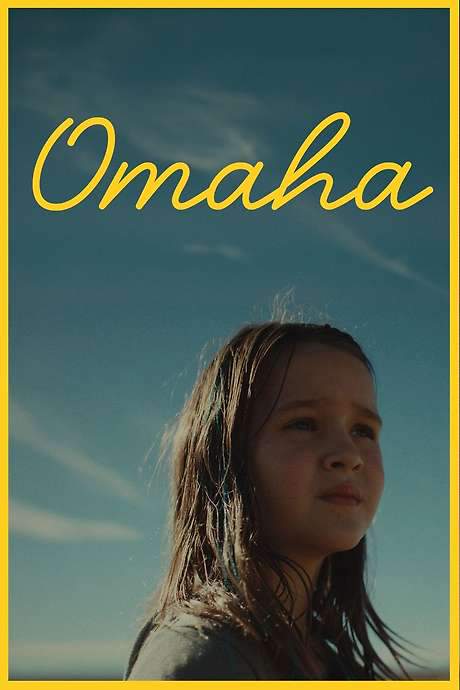
Omaha (2025) movie poster

Timeline

Omaha (2025) Timeline Explained – Every Event in Order

Release, runtime and language
2025 · 83 mins · English
Echo score 80
Directed by
Cole Webley
Starring
John Magaro, Talia Balsam, Ketrick "Jazz" Copeland, Alireza Mirmontazeri, Daniel Edward Mora, Rachel Alig

After a family tragedy, siblings Ella and Charlie are awakened by their father, who takes them on a road trip. They encounter new places and people, exposing them to a world they’ve never known. As the journey unfolds, Ella senses things are more complex than they appear, forcing her to question what she believed about her family and road ahead.

On this page (6)
  1. 1 Where to watch
  2. 2 Events in order (12)
  3. 3 Timeline questions answered
  4. 4 Movie threads
  5. 5 Movies like Omaha
  6. 6 Every angle

Where to watch

Where to Watch Omaha (2025)

Where can you watch Omaha? Stream, rent or buy it in the US, including on Amazon Video, Apple TV Store and Fandango At Home: current JustWatch availability with up-to-date prices.

Streaming availability powered by JustWatch

12 events in order · contains spoilers

Omaha Timeline: Events in Chronological Order

Every key event of Omaha (2025) in order, scene by scene, with when and where it takes place. Use it to untangle flashbacks, time jumps and parallel storylines, to refresh your memory before the sequel or to find the exact scene you are thinking of.

  1. Foreclosure and road trip setup

    Martin, a widowed father, wakes his two children after their home is foreclosed and tells them they are going on a road trip. He frames the moment as an adventure for the family, masking the fear and financial strain underlying the plan.

    Where
    Home
  2. Restaurant dog feeding

    At a restaurant, Martin deliberately feeds the dog human food, ignoring Ella's protests. The act foreshadows his willingness to disregard boundaries for his own needs.

    Where
    Restaurant
  3. Putting the dog down at the SPCA

    Later, Martin takes the dog to a SPCA shelter and has it put down. The decision underscores the unraveling moral line of their journey and the toll it takes on Ella.

    Where
    SPCA shelter
  4. Destination revealed: Nebraska

    He reveals that they are heading to Nebraska. The destination hints at a deeper, perhaps misguided, plan that shapes the rest of their trip.

    Where
    Car / On the road
  5. Gas station advice to visit the zoo

    A woman at a gas station recommends visiting the zoo in Omaha. Ella asks if they can go, but Martin hedges, saying he is unsure.

    Where
    Gas station
  6. Arrival in Omaha: motel stay

    The family arrives in Omaha and checks into a motel. The trip begins to feel more like a series of stops than a cohesive plan.

    Where
    Omaha, Nebraska (motel)
  7. Zoo visit despite thin funds

    Despite being almost out of money, Martin takes Ella and Charlie to the zoo. The outing underscores his stubborn desire to maintain a sense of normalcy for the children.

    Where
    Zoo (Omaha)
  8. Night at the hospital and abandonment

    That night, he takes the children to a hospital and abandons them there. The act abruptly reveals the fragility of his decisions.

    When
    Night
    Where
    Hospital
  9. Morning wake-up and return to the hospital

    The next morning Martin wakes up in his car and returns to the hospital, where a nurse explains that social workers had already taken the children.

    When
    Morning
    Where
    Hospital
  10. Nurse Edie and paperwork

    A nurse named Edie invites him to fill out the necessary paperwork and confirms the children are in the custody of social services. The encounter marks the practical collapse of his plan and the start of formal intervention.

    Where
    Hospital
  11. Epilogue: safe-haven law (July 2008)

    The epilogue explains that in July 2008 Nebraska passed a safe-haven law decriminalizing the act of abandoning children for the state to take in. This change created a loophole that encouraged parents to drop off older children.

    When
    July 2008
    Where
    Nebraska
  12. Impact of the law on older children

    The law's loophole led to 35 children being abandoned in the state before it was rewritten, none of them infants. The film notes this troubling consequence as part of the epilogue.

    Where
    Nebraska

Last updated: August 28, 2026 at 07:33

Was this helpful?

Timeline questions answered

Omaha Timeline Explained: Your Questions Answered

When does it happen, and why in that order? The questions people ask about the chronology of Omaha (2025): time jumps, flashbacks, cause and effect between scenes and the correct order of events, each answered with spoilers.

Q1

Why does Martin abandon his children at the hospital?

Martin abandons Ella and Charlie at a hospital because he is overwhelmed by grief, financial collapse, and the inability to care for them after their home was foreclosed and their mother died. The film grounds this act in Nebraska's 2008 safe-haven law, which decriminalized leaving children at a state-approved facility. Rather than continuing to struggle on the road with dwindling resources, Martin chooses a legally protected way to surrender custody, believing the system will provide what he no longer can.

Foreshadowing: Martin's earlier decision to have the family dog put down foreshadows his willingness to make irreversible choices when he feels cornered.

  • martin
  • abandonment
  • hospital
  • safe-haven law
  • foreclosure
Q2

What is the Nebraska safe-haven law referenced in the ending?

The safe-haven law passed in Nebraska in July 2008 allowed parents to legally abandon children at designated facilities without facing criminal charges. The law was originally intended to protect infants from being harmed, but because it did not specify an age limit, it inadvertently created a loophole that parents of older children could exploit. The film uses this real legislation to frame Martin's decision as both a personal failure and a symptom of a broken system.

  • nebraska
  • safe-haven law
  • 2008
  • legal loophole
  • child abandonment
Q3

Why were 35 children abandoned under the safe-haven law if none were infants?

The law's failure to include an age cap meant that parents across the country could legally drop off older children and teenagers, not just newborns. Between July and November 2008, 35 children were abandoned in Nebraska under this loophole, and none of them were infants. The film highlights this statistic to underscore how legal gaps can be exploited when families are pushed beyond their limits, turning a protective measure into a tool of mass relinquishment.

  • 35 children
  • safe-haven law
  • age limit
  • loophole
  • nebraska 2008
Q4

Why does Martin have the family dog put down at the SPCA?

Martin has the dog euthanized because he can no longer afford to care for it and views it as one more burden on a collapsing household. The decision also serves as an early signal of his willingness to make irreversible choices for the sake of practicality. For Ella, the dog's death marks the first clear moment where she realizes her father is capable of decisions that hurt the family in ways she cannot undo.

Foreshadowing: Martin's earlier decision to deliberately feed the dog human food over Ella's objections hints at the larger act of surrender that follows.

  • dog
  • SPCA
  • euthanasia
  • martin
  • financial strain
Q5

Why does Martin pretend the trip is a road trip after the foreclosure?

Martin frames the journey as a road trip because he cannot bring himself to tell his children that their home has been taken and that their lives are about to change permanently. By presenting it as an adventure, he buys time to figure out what to do next while shielding them from the immediate trauma of displacement. The lie also reflects his own denial and his desire to preserve some sense of normalcy for Ella and Charlie even as their world falls apart.

Foreshadowing: The way Martin wakes the children in the middle of the night to begin the trip sets a tone of urgency he cannot yet explain.

  • road trip
  • foreclosure
  • martin
  • denial
  • family displacement
Q6

Why does Martin take the kids to the zoo despite being almost out of money?

Martin takes them to the zoo because he wants to give them one last genuine happy memory before the trip ends in abandonment. Ella had been asking about the zoo since a woman at a gas station recommended it, and denying her request would have confirmed that something was deeply wrong. The zoo visit is Martin's attempt to hold onto his role as a caring father even as he has already decided to leave them.

Foreshadowing: Ella's hopeful question about the zoo at the gas station plants the seed for what becomes Martin's final gift to her.

  • zoo
  • omaha
  • ella
  • martin
  • last memory
Q7

What happened to the children's mother in Omaha?

The children's mother has died prior to the events of the film, leaving Martin as a widowed single parent. Her death is part of the backdrop of grief that makes Martin unable to cope with the foreclosure and the responsibility of raising his children alone. The film does not dwell on her loss explicitly, but her absence is felt throughout as one of the pressures that pushes Martin toward his final decision.

  • mother
  • death
  • widow
  • grief
  • backstory
Q8

Why does Martin choose Nebraska as their destination?

Martin chooses Nebraska because the state's 2008 safe-haven law offered him a legal way to surrender custody of his children without facing prosecution. Nebraska was one of the only states at the time with such permissive language, and traveling there gave Martin the cover of a family road trip while executing a plan he could not carry out at home. The destination is therefore not a hopeful one but a calculated endpoint.

Foreshadowing: Martin's evasiveness when Ella first asks where they are going signals that Nebraska is not a casual choice.

  • nebraska
  • destination
  • safe-haven law
  • martin
  • custody surrender
Q9

Who is the nurse Edie and what role does she play in the story?

Edie is the nurse at the hospital where Martin abandons Ella and Charlie, and she is the one who informs him the next morning that social workers have already taken the children. She represents the institutional response that takes over once Martin's parental role collapses, handling the paperwork and the formalities of custody transfer. Her calm, matter-of-fact manner contrasts with Martin's emotional breakdown, emphasizing how the system absorbs the consequences of his decision without judgment.

  • nurse edie
  • hospital
  • social workers
  • custody
  • paperwork
Q10

Why does Ella sense something is wrong during the trip?

Ella senses something is wrong because the small inconsistencies in Martin's behavior accumulate into a pattern she cannot ignore: the foreclosure disguised as a vacation, the deliberate killing of the dog, the evasive answers about where they are going, and his quiet crying at the motel. As the older child, she is observant enough to notice these cracks even when Charlie does not. Her growing unease drives the film's tension, as viewers experience the dread of abandonment through her perspective.

Foreshadowing: Ella's objection to Martin feeding the dog human food marks the first time she pushes back against his decisions.

  • ella
  • intuition
  • foreshadowing
  • dread
  • child perspective
Q11

Why does Martin deliberately feed the dog human food despite Ella's objections?

Martin feeds the dog human food because he is testing how far he can push boundaries, including his own, and because he no longer cares about maintaining the routines that once held the family together. The act is small but symbolic: it shows Martin disregarding his daughter's wishes in favor of his own impulse, foreshadowing the larger act of defiance against parental duty that comes later. For Ella, it is the first hint that her father is not the steady presence she believed him to be.

Foreshadowing: The deliberate disregard for Ella's protest at the restaurant foreshadows his willingness to override her feelings entirely at the hospital.

  • dog
  • martin
  • ella
  • boundaries
  • foreshadowing
Q12

Why does Martin cry in the motel in Omaha?

Martin cries in the motel because the weight of what he is about to do finally overwhelms him. He has spent the entire trip performing normalcy for his children, but in the privacy of the motel room, the grief over his wife's death, the shame of the foreclosure, and the gravity of abandoning Ella and Charlie break through his composure. The quiet tears are one of the film's most human moments, revealing that his decision is not made lightly but out of a pain he believes he can no longer carry.

  • martin
  • motel
  • crying
  • grief
  • emotional breakdown
Q13

How does Martin's plan to abandon his children fall apart?

Martin's plan begins to fall apart the moment he returns to the hospital the next morning expecting to find his children still waiting. Instead, social workers have already arrived and taken them into custody, meaning he never gets to explain, say goodbye, or control how the separation happens. Edie's calm explanation that the system has already intervened strips Martin of the last agency he thought he had, leaving him powerless even in the act he engineered.

  • martin
  • hospital
  • social workers
  • plan collapse
  • custody
Q14

What happens to Martin after social workers take the children?

After social workers take custody of Ella and Charlie, Martin is left alone at the hospital with nothing but his car and the paperwork Edie has given him. The film does not show his future, but it frames him as a man hollowed out by the decision he has made, standing in the gap between love and failure. The epilogue shifts focus from his personal fate to the broader systemic issue, suggesting that Martin's story is one of many shaped by the same broken law.

  • martin
  • aftermath
  • social workers
  • loneliness
  • ending

Movie threads

More Movies Like Omaha, by Mood & Story

Curated lists built around what makes Omaha tick: the same mood, the same kind of story or the same emotional payoff. Each list explains why these movies belong together.

Road trip movies with slow building dread like Omaha

Journeys where the open road slowly reveals a parent's darkest truth. Looking for movies like Omaha? These are road trip dramas and indie character studies where a family journey across quiet American landscapes slowly curdles into something deeply unsettling. Expect steady pacing, a BLEAK tone, and an ending that leaves a lasting emotional bruise. Perfect for fans of devastating, contemplative cinema.

  • slow burn
  • dread
  • somber
  • haunting
  • quiet devastation
  • unsettling
  • Tone: bleak, somber, quietly devastating
  • Pacing: steady, slow burn
Why these movies?

The story pattern: Stories in this thread usually begin with a seemingly simple premise: a parent takes children on a trip after a loss, a move, or a crisis. Early scenes feel almost gentle, full of small discoveries and fleeting moments of connection. As miles pass, small signals accumulate. A strange comment from the adult, an off route detour, a too casual remark. The child or younger character slowly notices the pattern. The climax is rarely explosive. Instead, the truth settles in like cold water, and the ending refuses to offer catharsis, leaving the audience holding the weight of what was revealed.

Why they belong together: These films share a rhythm of measured escalation: long stretches of calm observation interrupted by quiet but devastating turns. They rely on emotional restraint rather than action, and they use the road trip as a container for grief, social commentary, or moral failure. Tone is consistently bleak or melancholic, pacing is steady or slow, and the emotional weight stays heavy throughout.
Movies about children dealing with parental failure like Omaha

Stories where children must reckon with the adults who were supposed to protect them. If Omaha left you gutted, these movies like Omaha explore similar ground. They are devastating family dramas centered on child protagonists navigating grief, abandonment, poverty, or neglect. Expect HEAVY emotional weight, a BLEAK or melancholic tone, and performances that put young actors at the heart of every scene. Ideal for viewers seeking profound, heartbreaking indie cinema.

  • heartbreaking
  • child perspective
  • grief
  • neglect
  • devastating
  • social commentary
  • Tone: bleak, heartbreaking, melancholic
  • Pacing: steady, character driven
Why these movies?

The story pattern: These stories typically follow a child or teen protagonist who has lost something essential: a parent, a home, a sense of normalcy. The narrative watches them try to understand adult behavior that does not add up, while also clinging to small moments of tenderness. Conflicts are internal as much as external, and the resolution rarely offers rescue. When adults do appear, they are often the source of harm rather than comfort, turning the family drama into a quiet examination of systemic and personal failure.

Why they belong together: Movies in this thread share a commitment to child perspective and to the slow accumulation of emotional damage. They tend to be indie or festival style dramas with naturalistic performances, social commentary woven into personal story, and endings that feel honest rather than redemptive. Bleak or melancholic tone, heavy emotional weight, and moderate complexity are common markers.

If you liked this

Movies Like Omaha

Similar movies to Omaha: the same genre, themes or kind of story. Each one comes with its own plot summary, timeline and ending explained.

Browse all movie summaries

Every angle

Omaha (2025) Explained: Plot, Timeline & Characters

Everything about Omaha in one place: what happens in the plot summary, the timeline in chronological order, the characters and meaning and a spoiler-free summary. What's After the Movie adds the cast, box office and post-credit scenes.

Coming soon on iOS and Android

The Plot Explained Movie Summary App

Plot summaries, endings explained and timelines on your phone. Catch up on any movie in minutes, save your favorites and never miss a twist again.

Be the first to know when we launch. Your email stays private, always.

Learn more about the app