






Plot Explained Spoilers guaranteed!
Plot Explained

Browse by genre

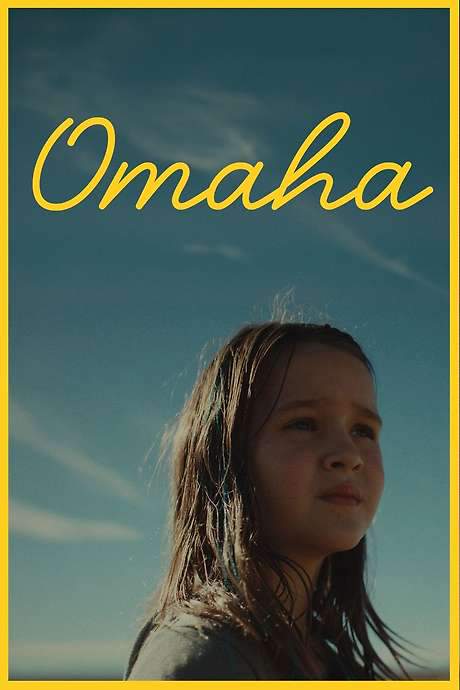
Omaha (2025) movie poster

Characters & Themes

Omaha (2025) Characters, Setting & Themes Explained

Release, runtime and language
2025 · 83 mins · English
Echo score 80
Directed by
Cole Webley
Starring
John Magaro, Talia Balsam, Ketrick "Jazz" Copeland, Alireza Mirmontazeri, Daniel Edward Mora, Rachel Alig

After a family tragedy, siblings Ella and Charlie are awakened by their father, who takes them on a road trip. They encounter new places and people, exposing them to a world they’ve never known. As the journey unfolds, Ella senses things are more complex than they appear, forcing her to question what she believed about her family and road ahead.

On this page (8)
  1. 1 Where to watch
  2. 2 Characters explained (5)
  3. 3 Where & when it takes place
  4. 4 Themes & meaning (3)
  5. 5 Character & meaning questions
  6. 6 Movie threads
  7. 7 Movies like Omaha
  8. 8 Every angle

Where to watch

Where to Watch Omaha (2025)

Where can you watch Omaha? Stream, rent or buy it in the US, including on Amazon Video, Apple TV Store and Fandango At Home: current JustWatch availability with up-to-date prices.

Streaming availability powered by JustWatch

5 main characters · contains spoilers

Omaha Characters Explained: Who Is Who

The main characters of Omaha (2025), heroes and villains: what drives them, how they change over the course of the story and what each of them reveals about the film's bigger ideas.

  • Martin (Dad) — John Magaro

    A widowed father who leads his kids on a road trip after losing their home. He is driven by a desperate wish to protect his family, but his decisions become increasingly reckless. His emotional volatility and resolve propel the plot as he moves between care and coercion.

    • 👨‍👧 Father
    • 💔 Desperate
    • 🧭 Protective
  • Ella — Molly Belle Wright

    The elder daughter who scrutinizes her father's plan and speaks up when she can. She cares deeply for her sister and for the family, showing resilience and a practical streak. Her awareness anchors the moral tension of the journey.

    • 👧 Daughter
    • 🌟 Observant
    • 💖 Caring
  • Charlie — Wyatt Solis

    The younger son who endures the upheaval with quiet presence. He follows his sister and absorbs the emotional stakes of the crisis. His vulnerability highlights the human cost of the family’s decisions.

    • 👦 Son
    • 🕊️ Curious
    • 🥾 Loyal
  • Edie — Talia Balsam

    A nurse who invites Martin into the hospital to fill out paperwork and informs him that social workers have taken custody of the children. She embodies calm concern and professional care during the crisis.

    • 🧑‍⚕️ Nurse
    • 🕊️ Kind
    • 🏥 Empathetic
  • Sheriff — Rachel Alig

    A law enforcement figure associated with the social services response in the town. The sheriff represents the official intervention surrounding the family’s crisis.

    • 👮 Sheriff
    • 🧭 Authority
    • 🕵️‍♂️ Duty

Last updated: August 28, 2026 at 07:33

Was this helpful?

Setting

Where and When Does Omaha Take Place?

The setting of Omaha (2025): the year and time period, the places and locations, and how they shape the characters, the mood and the tension of the story.

Time period

Late 2000s (2008)

The events take place in the late 2000s, culminating with the July 2008 passage of Nebraska's safe-haven law. The film ties personal desperation to a specific policy moment that shapes what can happen to families. This context helps explain the social and legal framework surrounding the characters' choices.

Location

Omaha, Nebraska

The story unfolds in Omaha, Nebraska, a midwestern city that frames the road-trip drama. Key locations include a motel, a zoo, a hospital, and an SPCA shelter encountered within or around the city. These urban and semi-urban spaces highlight the family's precarious situation and how everyday places become stages for crisis.

  • 🏙️ Midwestern city
  • 🐾 Zoo proximity
  • 🏨 Motel stays

Last updated: August 28, 2026 at 07:33

Was this helpful?

3 major themes

Omaha Meaning: Themes & Message Explained

What is Omaha (2025) really about? The emotional, social and philosophical themes the film keeps returning to, its symbolism and the message beneath the surface.

  • Family Struggle

    A widowed father’s desperation drives the family on a road trip after foreclosure. The journey tests loyalty, trust, and the boundaries of protection. The story centers on fragile family bonds and how love, guilt, and fear intersect under financial stress.

  • Poverty & Desperation

    Foreclosure and dwindling funds push Martin toward drastic decisions. Economic strain exposes the limits of parental control and the consequences of making fateful choices. The film uses financial hardship to heighten moral tension and human cost.

  • Safe-Haven Law & Policy

    The epilogue ties the narrative to Nebraska’s 2008 safe-haven law, noting that the law did not specify an age for abandonment. It reveals that dozens of children were dropped off under that loophole before policies were updated. The film invites reflection on how policy intersects with personal desperation and child welfare.

Last updated: August 28, 2026 at 07:33

Was this helpful?

Character & theme questions

Omaha Characters & Meaning: Your Questions Answered

The questions people ask about Omaha (2025): who the characters really are, their relationships, what the symbols mean, where it takes place and what the movie is really about. Each answer contains spoilers.

Q1

Where is the story set and how does the city shape the narrative?

Omaha is set in and around Omaha, Nebraska, a midwestern city that frames the family's journey through urban spaces like a motel, a zoo, a hospital, and an SPCA shelter. These everyday locations become stages for escalating crisis, emphasizing how ordinary settings can turn precarious for a family under financial strain. The midwestern backdrop also grounds the story in a specific American landscape shaped by economic and policy pressures.

  • nebraska
  • midwest
  • setting
  • motel
  • zoo
  • hospital
Q2

What time period does the movie take place in?

The events in Omaha unfold in the late 2000s and are anchored specifically to July 2008. This timing aligns with the passage of Nebraska's safe-haven law, a real policy moment that directly shapes the legal framework surrounding the family's choices. The era also situates the story within the broader economic pressures of the late-2000s housing crisis.

  • late 2000s
  • 2008
  • time period
  • era
  • housing crisis
Q3

What is the Nebraska safe-haven law referenced in the film?

Nebraska's safe-haven law, passed in July 2008, was originally designed to let parents legally relinquish custody of infants at hospitals. Because the statute did not specify an age limit, it was exploited as a loophole, leading to dozens of kids being dropped off before the policy was revised. Omaha ties its narrative directly to this policy failure, framing child welfare as a systemic issue rather than an isolated family tragedy.

  • safe-haven law
  • nebraska
  • child abandonment
  • loophole
  • custody
Q4

What are the central themes explored in the film?

Omaha centers on family struggle, the crushing weight of economic desperation, and the intersection of personal crisis with flawed public policy. It examines how a widowed father's love and fear collide with poverty after foreclosure, pushing him toward decisions that endanger his children. The film also uses a real legal loophole to frame child welfare as a systemic concern.

  • family struggle
  • themes
  • poverty
  • foreclosure
  • child welfare
Q5

Who is Martin and what drives his decisions?

Martin, played by John Magaro, is a widowed father who takes his children on the road after losing their home to foreclosure. His motivation stems from a desperate wish to protect his family, but grief, guilt, and financial panic push him toward increasingly reckless choices. He moves between genuine care and coercion throughout the journey, embodying the moral tension at the film's core.

  • martin
  • father
  • widower
  • john magaro
  • motivation
  • desperation
Q6

Who is Ella and what role does she play?

Ella, played by Molly Belle Wright, is the elder daughter and the voice of practical awareness in the family. She scrutinizes her father's plan and speaks up when she senses the journey is more complicated than it appears. Her loyalty to her younger brother Charlie anchors the moral tension that drives the story.

  • ella
  • daughter
  • molly belle wright
  • elder sibling
  • awareness
Q7

Who is Charlie in the family dynamic?

Charlie, played by Wyatt Solis, is the younger sibling who endures the upheaval of the trip with quiet presence. He follows his older sister Ella and absorbs the emotional stakes of the family's crisis without fully understanding them. His vulnerability underscores the human cost of the adults' decisions.

  • charlie
  • son
  • wyatt solis
  • younger child
  • vulnerability
Q8

Who is Edie and what role does she play?

Edie, played by Talia Balsam, is a nurse who encounters the family during a hospital visit in Omaha. She invites Martin inside to fill out paperwork and informs him that social workers have assumed custody of the children. Her calm, professional concern represents the institutional response that meets the crisis at its most vulnerable moment.

  • edie
  • nurse
  • talia balsam
  • hospital
  • social workers
  • custody
Q9

What does the road-trip structure represent in the film?

The road trip in Omaha functions as both an escape from foreclosure and a vehicle for escalating family tension. As the family moves through motels and roadside stops in and around the city, they encounter new places and people that expose them to a wider world. The steady movement mirrors the gradual building of unease, particularly from Ella's perspective, as she begins to sense the journey is more complicated than it appears.

  • road trip
  • journey
  • motel
  • family
  • dread
Q10

How does the film portray poverty and financial desperation?

Omaha frames foreclosure and dwindling funds as the catalyst for the family's unraveling. Economic strain exposes the limits of parental control and raises the moral cost of each decision Martin makes. The film uses these pressures to heighten tension and illuminate how systemic financial failure can ripple into personal tragedy.

  • poverty
  • foreclosure
  • financial desperation
  • economic hardship
Q11

What tone and emotional weight does the film carry?

Omaha carries a bleak and emotionally heavy tone, driven by themes of child abandonment, parental failure, and grief. The film avoids action-driven peaks, instead building dread steadily through Ella's growing unease as she senses something is wrong. Its pacing prioritizes psychological impact over overt suspense, leaving room for reflection on policy and family.

  • tone
  • bleak
  • emotional weight
  • dread
  • psychological
Q12

Who is the Sheriff and what role does she play?

The Sheriff, played by Rachel Alig, is the law enforcement figure associated with the social services response in the town where the family's crisis unfolds. She embodies the official institutional intervention that surrounds the children's fate. Her presence signals the moment the family's private desperation meets public systems of care and custody.

  • sheriff
  • rachel alig
  • law enforcement
  • social services
  • custody

Movie threads

More Movies Like Omaha, by Mood & Story

Curated lists built around what makes Omaha tick: the same mood, the same kind of story or the same emotional payoff. Each list explains why these movies belong together.

Road trip movies with slow building dread like Omaha

Journeys where the open road slowly reveals a parent's darkest truth. Looking for movies like Omaha? These are road trip dramas and indie character studies where a family journey across quiet American landscapes slowly curdles into something deeply unsettling. Expect steady pacing, a BLEAK tone, and an ending that leaves a lasting emotional bruise. Perfect for fans of devastating, contemplative cinema.

  • slow burn
  • dread
  • somber
  • haunting
  • quiet devastation
  • unsettling
  • Tone: bleak, somber, quietly devastating
  • Pacing: steady, slow burn
Why these movies?

The story pattern: Stories in this thread usually begin with a seemingly simple premise: a parent takes children on a trip after a loss, a move, or a crisis. Early scenes feel almost gentle, full of small discoveries and fleeting moments of connection. As miles pass, small signals accumulate. A strange comment from the adult, an off route detour, a too casual remark. The child or younger character slowly notices the pattern. The climax is rarely explosive. Instead, the truth settles in like cold water, and the ending refuses to offer catharsis, leaving the audience holding the weight of what was revealed.

Why they belong together: These films share a rhythm of measured escalation: long stretches of calm observation interrupted by quiet but devastating turns. They rely on emotional restraint rather than action, and they use the road trip as a container for grief, social commentary, or moral failure. Tone is consistently bleak or melancholic, pacing is steady or slow, and the emotional weight stays heavy throughout.
Movies about children dealing with parental failure like Omaha

Stories where children must reckon with the adults who were supposed to protect them. If Omaha left you gutted, these movies like Omaha explore similar ground. They are devastating family dramas centered on child protagonists navigating grief, abandonment, poverty, or neglect. Expect HEAVY emotional weight, a BLEAK or melancholic tone, and performances that put young actors at the heart of every scene. Ideal for viewers seeking profound, heartbreaking indie cinema.

  • heartbreaking
  • child perspective
  • grief
  • neglect
  • devastating
  • social commentary
  • Tone: bleak, heartbreaking, melancholic
  • Pacing: steady, character driven
Why these movies?

The story pattern: These stories typically follow a child or teen protagonist who has lost something essential: a parent, a home, a sense of normalcy. The narrative watches them try to understand adult behavior that does not add up, while also clinging to small moments of tenderness. Conflicts are internal as much as external, and the resolution rarely offers rescue. When adults do appear, they are often the source of harm rather than comfort, turning the family drama into a quiet examination of systemic and personal failure.

Why they belong together: Movies in this thread share a commitment to child perspective and to the slow accumulation of emotional damage. They tend to be indie or festival style dramas with naturalistic performances, social commentary woven into personal story, and endings that feel honest rather than redemptive. Bleak or melancholic tone, heavy emotional weight, and moderate complexity are common markers.

If you liked this

Movies Like Omaha

Similar movies to Omaha: the same genre, themes or kind of story. Each one comes with its own plot summary, timeline and ending explained.

Browse all movie summaries

Every angle

Omaha (2025) Explained: Plot, Timeline & Characters

Everything about Omaha in one place: what happens in the plot summary, the timeline in chronological order, the characters and meaning and a spoiler-free summary. What's After the Movie adds the cast, box office and post-credit scenes.

Coming soon on iOS and Android

The Plot Explained Movie Summary App

Plot summaries, endings explained and timelines on your phone. Catch up on any movie in minutes, save your favorites and never miss a twist again.

Be the first to know when we launch. Your email stays private, always.

Learn more about the app