







Plot Explained Spoilers guaranteed!
Plot Explained

Browse by genre

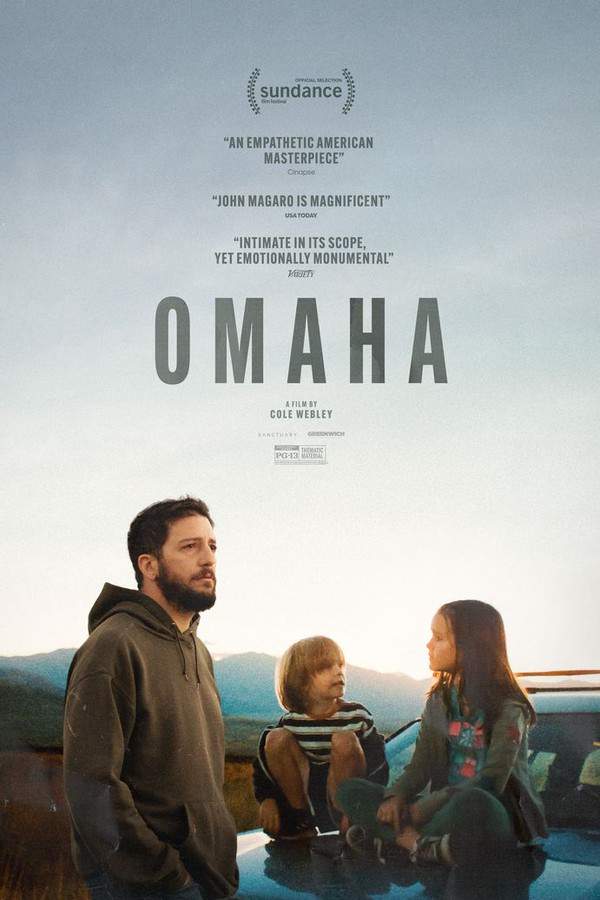
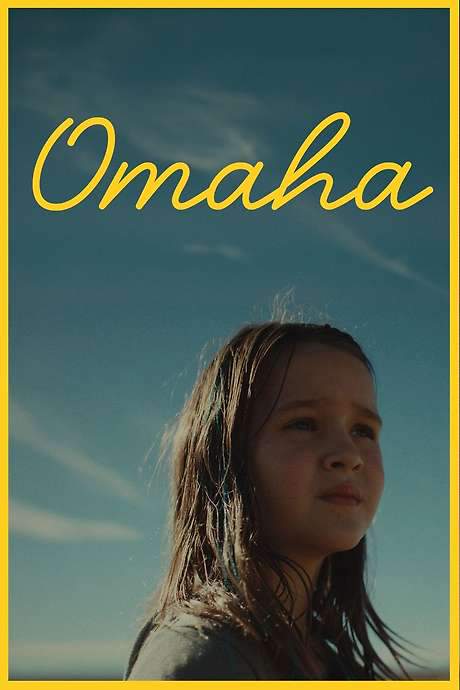
Omaha (2026) movie poster

Plot Summary

Omaha (2026) Plot Summary Explained

Release, runtime and language
2026 · 1 h 23 m · English
Echo score 83
Directed by
Stephen Cole Webley
Starring
John Magaro, Talia Balsam, Ketrick "Jazz" Copeland, Alireza Mirmontazeri, Daniel Edward Mora, Rachel Alig

After a tragic loss, siblings Ella and Charlie are abruptly awakened by their father, who whisks them away on a cross‑country road trip that exposes them to places and people they've never encountered. As the journey unfolds, Ella discovers hidden motives and the reality around them is far more complex than it first appears.

On this page (5)
  1. 1 Where to watch
  2. 2 What happens: full plot
  3. 3 Plot questions answered
  4. 4 Movie threads
  5. 5 Every angle

Where to watch

Where to Watch Omaha (2026)

Where can you watch Omaha? Stream, rent or buy it in the US, including on Kanopy, Amazon Video and Apple TV Store: current JustWatch availability with up-to-date prices.

Streaming availability powered by JustWatch

Full plot summary · contains spoilers

What Happens in Omaha: Full Plot Summary

The whole story of Omaha (2026) explained, from the opening scene to the final frame: every key event, every twist and what it all adds up to. Read it as a quick recap before the sequel, to check a scene you missed, or to finally understand what really happened.

Daniel Edward Mora as Martin, a widowed father, wakes up his two children, Molly Belle Wright as Ella and Wyatt Solis as Charlie, after their home is foreclosed, claiming that they are merely going on a road trip. At a restaurant, he deliberately gives their dog human food, much to Ella's objection, and later puts the dog down at a SPCA shelter. He eventually reveals that they are heading to Nebraska. Ella asks if they could visit the zoo when they get to Omaha after a woman at the gas station recommends so; Martin says he is unsure.

The family arrives at a motel in Omaha; Ella observes her father crying helplessly. Although he is almost out of money, Martin takes the children to the zoo anyway. That night, he takes the kids to a hospital and abandons them there. The next day, Martin wakes up in his car and returns to the hospital where a nurse, Talia Balsam as Edie, invites him in to fill out paperwork and informs him that social workers had picked up his children that night and are no longer at the hospital.

The film’s epilogue explains that in July 2008, Nebraska passed a safe-haven law which decriminalized the act of abandoning children for the state to take in. Since the law did not specify an age, this led to parents travelling to Nebraska to drop off older children. 35 children were abandoned in the state before the law was rewritten, none of them infants.

Last updated: August 28, 2026 at 07:33

Was this helpful?

Plot questions answered

Omaha Plot Explained: Your Questions Answered

The questions people ask most about Omaha (2026): what happens in the confusing scenes, why the characters do what they do, the twists, hidden details and what the ending means. Each answer contains spoilers.

Q1

Why did Martin have the family dog put down?

Martin deliberately had the dog euthanized at a SPCA shelter shortly after leaving home, even though he had no medical reason to do so. The act appears to be a deliberate escalation that mirrors his growing detachment from his responsibilities as a parent, foreshadowing his willingness to discard things he is supposed to care for. It also removes a dependent that could not be easily abandoned on the road trip.

Foreshadowing: Earlier at the restaurant, Martin deliberately feeds the dog human food against Ella's objection, hinting at his willingness to harm the pet as a first step.

  • dog euthanized
  • Martin abandons pet
  • SPCA shelter
  • Omaha dog scene
  • pet killed
Q2

Why did Martin take the children to Omaha specifically?

Martin chose Omaha because Nebraska had passed a safe-haven law in July 2008 that decriminalized the act of abandoning children and required the state to take them in. Because the law did not specify an age, parents could legally drop off older children at hospitals. The road trip was never a vacation; it was a calculated journey to a state where abandonment was legally protected.

  • Omaha destination
  • Nebraska safe haven law
  • why Omaha
  • cross country trip purpose
Q3

Why did Martin cry at the motel the night before abandoning his kids?

Martin's breakdown at the Omaha motel reveals that he was not indifferent to his children. The crying suggests he understood the gravity of what he was about to do and felt genuine grief even as he committed to it. It underscores that his decision came from emotional collapse rather than cruelty alone, showing a father who was overwhelmed by widowhood, foreclosure, and poverty before choosing abandonment.

  • Martin crying
  • motel scene
  • Omaha motel
  • father emotional breakdown
Q4

Why did Martin still take the children to the zoo if he planned to abandon them?

The zoo visit functions as Martin's final attempt to give Ella and Charlie one normal, happy memory before leaving them at the hospital. Even though he was nearly out of money, he spent what he had left on the outing, suggesting he wanted to create a last good moment for them. It is not a change of heart but rather a complicated, selfish gesture of closure before the abandonment.

  • Omaha zoo scene
  • zoo outing
  • last family moment
  • zoo visit meaning
Q5

How was Martin able to legally abandon his children at a hospital?

Martin exploited Nebraska's safe-haven law, which allowed parents to leave children at designated facilities without facing criminal charges. He drove the children to a hospital and simply left them in the care of staff, knowing the state was obligated to take custody. The law's lack of an age limit made it possible for him to use the system to hand over his school-aged children rather than infants.

  • hospital abandonment
  • safe haven law
  • legal abandonment
  • how abandoned kids
Q6

What happened to Ella and Charlie after Martin left them at the hospital?

Social workers arrived at the hospital that same night and took custody of Ella and Charlie before Martin could return. By the next morning, the children had already been transferred into the state foster care system. A nurse named Edie confirms to Martin that the children are no longer at the hospital and that the state has formally intervened.

  • Ella and Charlie after
  • foster care
  • social workers
  • children custody
Q7

Did Martin plan to abandon his children from the very beginning of the trip?

Yes, the entire road trip appears to have been engineered around the abandonment. Martin wakes the children abruptly after the foreclosure and frames the journey as a spontaneous vacation, but every choice, including killing the dog, driving cross-country, and going to Omaha, points to a preplanned destination. The zoo and motel moments are concessions to the journey rather than signs of hesitation about its real purpose.

Foreshadowing: Martin feeds the dog human food and later euthanizes it, showing a pattern of removing dependents before reaching Nebraska.

  • planned abandonment
  • road trip purpose
  • Martin intention
  • premeditated
Q8

What is the Nebraska safe-haven law mentioned in the ending?

The epilogue explains that in July 2008, Nebraska passed a safe-haven law decriminalizing the act of abandoning children so that the state would take responsibility for them. Because the law did not include an age limit, it was exploited by parents who used it to drop off older children, not just infants. Before the law was rewritten, 35 children were abandoned in Nebraska, none of them infants.

  • Nebraska safe haven law
  • 2008 law
  • 35 children abandoned
  • epilogue meaning
Q9

Why did Martin deliberately feed the dog human food?

Feeding the dog human food was Martin's first overt act of harm toward a dependent in the family, deliberately done against Ella's objection. It tests how easily he can override his children's concerns and signals the start of his emotional withdrawal from caregiving. The action foreshadows his willingness to escalate that indifference into the eventual abandonment of his children.

Foreshadowing: This scene precedes the dog being euthanized, which in turn precedes the children's abandonment.

  • dog human food
  • restaurant scene
  • Martin erratic
  • foreshadowing
Q10

Why couldn't Martin keep his children after losing his wife and home?

Martin was left a widowed father with no income after the death of his wife, and the family home was foreclosed on shortly after. With no housing, no money, and what appears to be no support system, he concluded he could not provide for Ella and Charlie. Rather than seek extended family help or state aid, he chose to use Nebraska's safe-haven law as a way out of his caregiving burden.

  • Martin widower
  • foreclosure
  • why abandon kids
  • financial collapse
Q11

What does Ella slowly realize about her father during the trip?

Ella begins to notice that Martin's behavior is not what a grieving but loving father would be. He kills the family dog, becomes erratic with money, weeps without explaining why, and grows distant as they near Omaha. By the time he leads them into the hospital, Ella understands that the trip was not about starting over but about getting rid of them.

Foreshadowing: Ella's objections to the dog being fed human food mark the first moment she questions her father's judgment.

  • Ella realization
  • Ella perspective
  • Ella notices father
  • sibling awareness
Q12

Why is the movie called Omaha?

The title refers to the city in Nebraska where Martin ultimately abandons his children. Omaha is the destination of the road trip and the geographic center of the real-world safe-haven law controversy the film dramatizes. The name anchors the story to a specific place where a father exploited a legal loophole to give up his kids.

  • Omaha title meaning
  • why called Omaha
  • movie name explained

Movie threads

More Movies Like Omaha, by Mood & Story

Curated lists built around what makes Omaha tick: the same mood, the same kind of story or the same emotional payoff. Each list explains why these movies belong together.

Bleak dramas about parental failure and child endangerment like in Omaha

Stories where a parent's choices put children directly in harm's way. If you were disturbed by the parental neglect and child abandonment in Omaha, these heavy dramas explore similar territory. Movies like Omaha in this thread follow families unraveling through grief, poverty, and deliberate harm, where children pay the price for adult choices. Expect deeply unsettling, emotionally draining stories with bleak endings and no easy comfort.

  • bleak
  • unsettling
  • grief-stricken
  • oppressive
  • child endangerment
  • grim
  • Tone: bleak, oppressive, grief-stricken
  • Pacing: steady, methodical build
Why these movies?

The story pattern: These stories typically begin with an outward appearance of love or duty, then slowly expose the parent's true motivations through small inconsistencies noticed by perceptive children. The journey or progression reveals manipulation, abandonment, or exploitation, often with an epilogue that recontextualizes everything in a larger social or historical frame. The children's perspective anchors the moral horror while the parents remain emotionally opaque.

Why they belong together: They share a deeply uncomfortable focus on children as casualties of adult decisions, with steady pacing that lets dread accumulate. Tone is consistently bleak and grim, emotional weight is heavy, and there is a deliberate absence of humor or romance. Many draw from real events or systemic failures, giving them a documentary-like weight that lingers after viewing.

Bleak road trip dramas with hidden motives like in Omaha

Cross-country journeys where the true purpose is far darker than expected. Movies like Omaha in this thread use the cross-country road trip as a slow, deliberate vehicle for dread. If you liked Omaha's gradual reveal of a father's true intentions during a family drive, these steady-paced dramas deliver similar unease. Expect somber journeys, hidden agendas, and bleak endings that recontextualize everything that came before.

  • road trip
  • somber
  • unsettling
  • hidden motives
  • haunting
  • grim
  • Tone: somber, unsettling, grim
  • Pacing: steady, journey-driven
Why these movies?

The story pattern: These films usually open with a seemingly simple reason for travel, often tied to grief, relocation, or family obligation. As the protagonists move through unfamiliar places and meet strangers, small details accumulate that contradict the stated purpose. By the time the destination arrives, the audience understands the journey was orchestrated toward a devastating outcome, sometimes explicitly tied to real-world systems or laws.

Why they belong together: They share a road trip structure with steady pacing and a slow drip of revelations that build dread without relying on jump scares or action. The tone is somber and oppressive, intensity stays high through psychological pressure rather than spectacle, and the bleak endings often carry a thematic or historical footnote that elevates the personal story into something larger and more troubling.

Every angle

Omaha (2026) Explained: Plot, Timeline & Characters

Everything about Omaha in one place: what happens in the plot summary, the timeline in chronological order, the characters and meaning and a spoiler-free summary. What's After the Movie adds the cast, box office and post-credit scenes.

Coming soon on iOS and Android

The Plot Explained Movie Summary App

Plot summaries, endings explained and timelines on your phone. Catch up on any movie in minutes, save your favorites and never miss a twist again.

Be the first to know when we launch. Your email stays private, always.

Learn more about the app