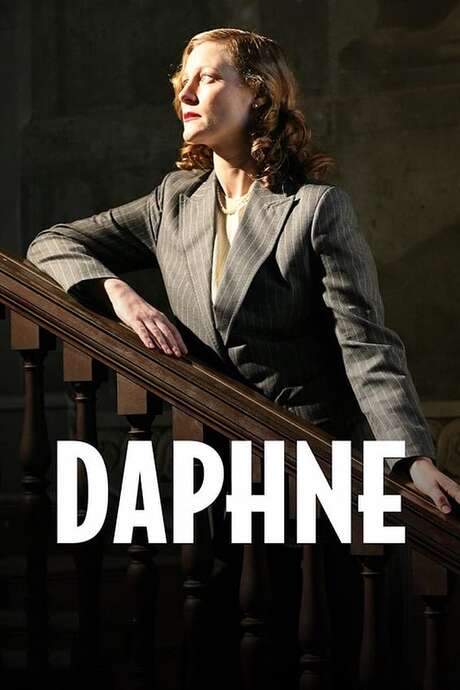
On a radiant morning in 1923, Clarissa Dalloway steps out from her grand Westminster home to choose the flowers for the party she will host that evening. Her teenage daughter, Elizabeth Dalloway, is distant, preferring the company of the evangelical Miss Kilman. A longtime admirer and former lover, Peter Walsh arrives, restless and unsettled, unable to disguise the inner turmoil his career and love life have stirred. For Clarissa, this encounter reinforces the quiet, affectionate life she has chosen with the steady, dependable Richard Dalloway. As the day unfolds, a figure from Clarissa’s past returns: Sally, once her lesbian partner, now a wife of a self-made millionaire and mother of five, bringing with her memories and the social complexity of the era.
Interwoven with Clarissa’s present is the parallel story of another couple. Septimus Warren Smith, a decorated World War I officer, is collapsing under the weight of delayed shell-shock, haunted by brutal flashbacks and guilt over a fallen comrade. His wife, Rezia Warren Smith, struggles to secure him proper psychiatric help, facing doctors who offer little relief. When Septimus is eventually isolated in a mental hospital, despair overwhelms him and he leaps to his death from a window. The medical world arrives late to the crisis at Clarissa’s party, as the attending doctor, Dr. Holmes, apologizes for the delay because another patient has taken their own life.
From the kitchen to the drawing room, the party becomes a mirror for larger questions about meaning, choice, and the boundaries between public propriety and private anguish. Clarissa stands at a window, weighing the pull of a sudden leap against the slow, stubborn endurance of daily life. In her reflective calm, she recognizes a shared thread with Septimus: both lives are touched by a rush of moments that can tilt a person toward surrender or survival.
Throughout the day, the social textures of Westminster—its parties, its alliances, its unspoken judgments—serve as a backdrop to inner storms. The narrative moves with quiet grace between Clarissa’s social rituals and Septimus’s increasingly perilous psyche, inviting viewers to consider how the world keeps turning even as personal truths and traumas unfold just beneath the surface. This delicate balance of outward civility and inward turbulence forms the emotional core of the story, prompting readers to reflect on happiness, duty, and the unseen costs of living after war.