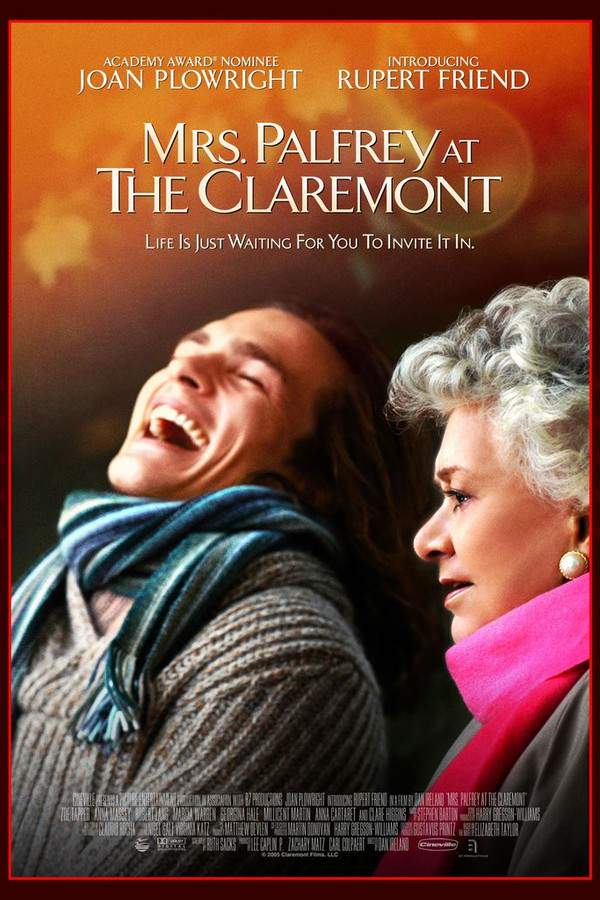
A sophisticated widow, Mrs. Palfrey, moves from Scotland to London to be closer to her grandson. Feeling lonely at The Claremont hotel, she finds an unexpected connection with struggling writer Ludovic Meyer after an accidental encounter. Their unlikely friendship blossoms, offering solace and a poignant exploration of aging, isolation, and the enduring need for human connection.
Find where to stream, rent, or buy Mrs Palfrey at The Claremont (2005) in the US with current JustWatch availability, up-to-date pricing, and platform listings for subscription, rental, and digital purchase options.
Warning: spoilers below!
Haven’t seen Mrs Palfrey at The Claremont yet? This summary contains major spoilers. Bookmark the page, watch the movie, and come back for the full breakdown. If you're ready, scroll on and relive the story!
Read the complete plot breakdown of Mrs Palfrey at The Claremont (2005), including all key story events, major twists, and the ending explained in detail. Discover what really happened, and what it all means.
The skilled indie filmmaker Dan Ireland (known for The Whole Wide World) brings a gentle and intimate touch to a charming story about family and the art of creating one. At the heart of the narrative is Joan Plowright, who portrays Mrs. Palfrey, a dignified widow seeking a fresh start in London, hoping to ease the burden she feels she imposes on her daughter. Upon her arrival at the rather shabby Claremont Hotel, not quite reflecting the idyllic vision presented in the brochure, Mrs. P’s immediate reaction conveys a mixture of disappointment and resilience:
“Oh, dear.”
As she navigates her new environment, characterized by an array of quirky hotel residents, it seems her life is facing a gradual decline. However, everything changes when she encounters young, aspiring writer Ludovic, played by the charming Rupert Friend. Through this unexpected friendship, Mrs. P discovers that genuine familial bonds can often be formed rather than strictly inherited. While the narrative may echo themes found in Tuesdays with Morrie, the deep and nuanced performances from the lead actors infuse the film with unexpected depth, enveloping the audience in a warm and comforting embrace reminiscent of a cozy shawl. In addition, the film offers valuable extras such as an insightful commentary featuring Ireland and producer Zachary Matz, alongside Plowright’s touching acceptance speech for an AARP award, and various photo galleries.
Last updated: November 03, 2024 at 21:37
Explore frequently asked questions about Mrs Palfrey at The Claremont (2005) with spoiler-rich answers covering the full plot summary, major story beats, character motivations, hidden details, and ending meaning. This movie summary FAQ helps explain confusing scenes, plot twists, and narrative decisions in clear, searchable detail.
Mrs. Palfrey moves from Scotland to London hoping to be closer to her grandson. She also wants to ease the burden she feels she has become to her daughter, believing her presence is an imposition on her daughter's life.
Mrs. Palfrey chooses to stay at The Claremont Hotel as a permanent residence in London. The hotel is described as shabby and not matching the idyllic vision from the brochure, but she settles there despite her initial disappointment.
Mrs. Palfrey meets Ludovic, a young aspiring writer, at The Claremont Hotel. Their encounter is described as accidental, and he is immediately captivated by her wisdom and life experiences.
Mrs. Palfrey feels lonely at The Claremont because she is surrounded by peculiar hotel residents but has no genuine connection. As a widow adjusting to a new city away from family, she struggles with isolation and searches for purpose and companionship.
Ludovic becomes a source of genuine companionship and support for Mrs. Palfrey, offering her the familial bond she lacks. Through their friendship, she discovers that meaningful family connections can be formed rather than strictly inherited through blood.
Their relationship is a platonic intergenerational friendship that transcends traditional family expectations. Ludovic helps Mrs. Palfrey redefine what family means to her, while she provides him with wisdom and life experience that inspires his writing.
Mrs. Palfrey comes to understand that familial bonds are not solely defined by blood but can be cultivated through love and friendship. This realization liberates her from the pressures she felt about being a burden to her biological family.
The ending is bittersweet because while Mrs. Palfrey finds genuine joy and connection through her friendship with Ludovic, the story concludes with her death. However, her relationship leaves a lasting legacy, and she finds solace in knowing she created a family of choice.
The film explores themes of aging, isolation, and the enduring need for human connection. It addresses how older adults can find new purpose through unexpected relationships and challenges the notion that family is only defined by blood.
Mrs. Palfrey transforms from a lonely, conflicted widow who feels like a burden to her daughter into a woman who embraces new experiences and open herself to forming meaningful connections. Her friendship with Ludovic helps her find joy and redefines her understanding of family.
Mrs. Palfrey struggles with letting go of her ingrained notions of family and identity. Societal expectations and personal fears about being a burden prevent her from fully embracing new connections until she meets Ludovic, who helps her overcome these barriers.
The film presents aging as a phase of life that can bring both loneliness and unexpected joy. It suggests that older people can still form meaningful relationships and find new purpose, challenging assumptions about isolation in later life.
Discover curated groups of movies connected by mood, themes, and story style. Browse collections built around emotion, atmosphere, and narrative focus to easily find films that match what you feel like watching right now.
Stories that explore the quiet dignity and poignant loneliness of growing older.If you were moved by the quiet dignity and emotional honesty of Mrs Palfrey at The Claremont, you'll appreciate these similar movies. This collection features gentle, character-driven stories that explore the bittersweet realities and small victories of later life, focusing on themes of loneliness, connection, and reflection.
The narrative typically follows an older protagonist as they confront isolation or a changed sense of purpose, often leading to an unexpected friendship or a re-examination of their past. The journey is less about high drama and more about subtle emotional shifts, culminating in endings that are poignant and realistic rather than neatly resolved.
Movies are grouped here for their shared focus on the emotional landscape of aging. They possess a similar low-intensity, bittersweet tone, a slow, contemplative pacing that allows for deep character study, and a thematic emphasis on human connection in the face of solitude.
Films about unexpected bonds that offer solace and change lives outside of romance.For viewers who loved the heartwarming dynamic between Mrs. Palfrey and Ludovic, this list finds more movies like Mrs Palfrey at The Claremont. These films focus on the beautiful, transformative power of unexpected, non-romantic friendships that bridge generational or social gaps, offering solace and companionship.
The plot hinges on the gradual, often hesitant, development of a friendship between individuals from disparate worlds. The narrative explores how this bond challenges their preconceptions and alleviates their loneliness. The conflict is typically internal or societal, focusing on the characters' emotional growth through their connection.
These films are united by their core theme of transformative platonic friendship. They share a gentle, bittersweet mood, a slow or steady pacing that allows the relationship to develop authentically, and a medium emotional weight that feels impactful without being overwhelming.
Don't stop at just watching - explore Mrs Palfrey at The Claremont in full detail. From the complete plot summary and scene-by-scene timeline to character breakdowns, thematic analysis, and a deep dive into the ending - every page helps you truly understand what Mrs Palfrey at The Claremont is all about. Plus, discover what's next after the movie.
Track the full timeline of Mrs Palfrey at The Claremont with every major event arranged chronologically. Perfect for decoding non-linear storytelling, flashbacks, or parallel narratives with a clear scene-by-scene breakdown.
Discover the characters, locations, and core themes that shape Mrs Palfrey at The Claremont. Get insights into symbolic elements, setting significance, and deeper narrative meaning - ideal for thematic analysis and movie breakdowns.
Discover movies like Mrs Palfrey at The Claremont that share similar genres, themes, and storytelling elements. Whether you’re drawn to the atmosphere, character arcs, or plot structure, these curated recommendations will help you explore more films you’ll love.
Mrs Palfrey at The Claremont (2005) Scene-by-Scene Movie Timeline
Mrs Palfrey at The Claremont (2005) Movie Characters, Themes & Settings
Mrs Palfrey at The Claremont (2005) Spoiler-Free Summary & Key Flow
Movies Like Mrs Palfrey at The Claremont – Similar Titles You’ll Enjoy
Cold Comfort Farm (1996) Full Summary & Key Details
The Bookshop (2018) Full Summary & Key Details
The Private Lives of Pippa Lee (2009) Plot Summary & Ending Explained
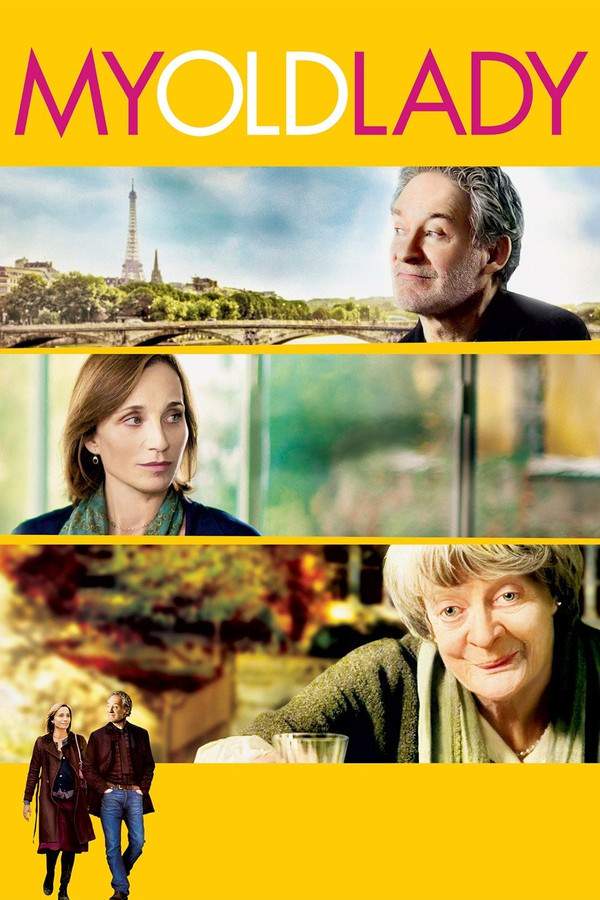
My Old Lady (2014) Detailed Story Recap
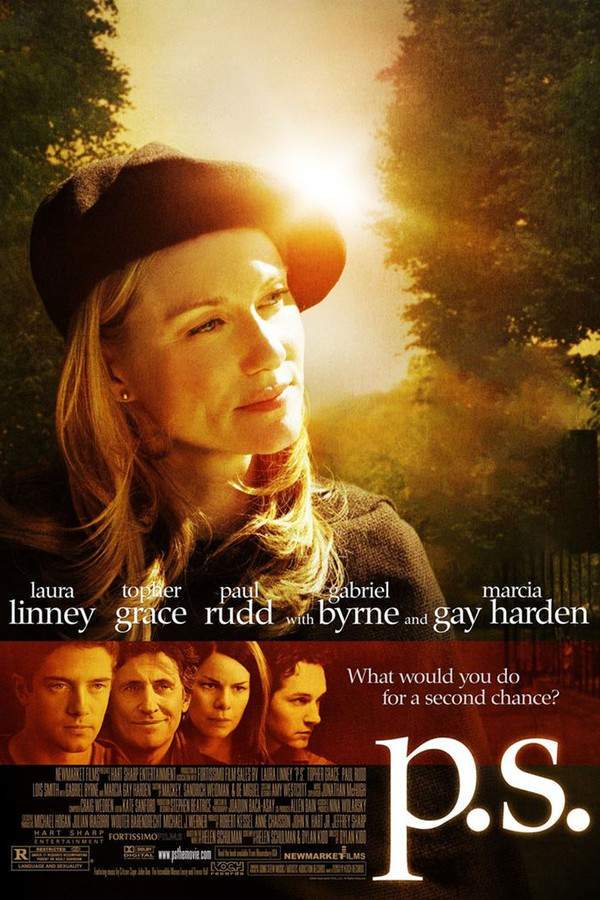
P.S. (2004) Detailed Story Recap
Apartment for Peggy (1948) Full Movie Breakdown
The Pleasure Garden (1925) Story Summary & Characters
Bedelia (1946) Full Summary & Key Details
Mrs. Dalloway (1997) Plot Summary & Ending Explained
Private Lives (1931) Story Summary & Characters
Lady Behave! (1937) Complete Plot Breakdown
The Old Maid (1972) Spoiler-Packed Plot Recap
Intimate Relations (1996) Film Overview & Timeline
Cluny Brown (1946) Spoiler-Packed Plot Recap
Lady Brentley’s End (2022) Detailed Story Recap