Plot Explained Spoilers guaranteed!
Plot Explained

Browse by genre

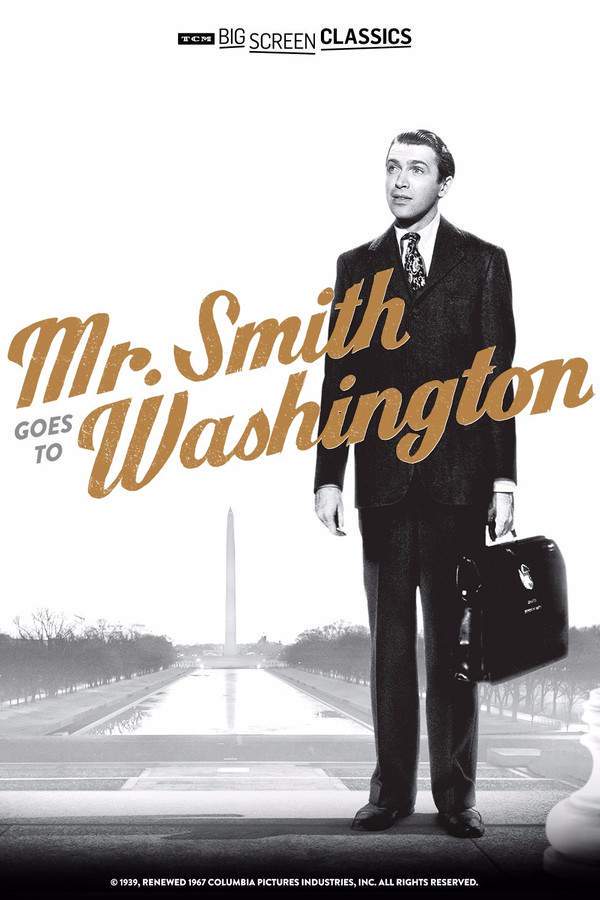
Mr. Smith Goes to Washington (1939) movie poster

Characters & Themes

Mr. Smith Goes to Washington (1939) Characters, Setting & Themes Explained

Release, runtime and language
1939 · 129 min
Loading streaming availability…
Directed by
Frank Capra
Starring
Thomas Mitchell, James Stewart, Harry Carey, Guy Kibbee, Claude Rains, Jean Arthur
Budget
$1.9M

A sincere and idealistic young man is appointed as a U.S. Senator, unexpectedly finding himself in the midst of political intrigue. He quickly discovers that Washington is rife with corruption and faces challenges to his principles. Despite the pressure and manipulation from powerful figures, he remains committed to fighting for what he believes is right, ultimately striving to reform the system and uphold justice.

On this page (8)
  1. 1 Where to watch
  2. 2 Characters explained (5)
  3. 3 Where & when it takes place
  4. 4 Themes & meaning (3)
  5. 5 Character & meaning questions
  6. 6 Movie threads
  7. 7 Movies like Mr. Smith Goes to Washington
  8. 8 Every angle
Loading streaming availability…

5 main characters · contains spoilers

Mr. Smith Goes to Washington Characters Explained: Who Is Who

The main characters of Mr. Smith Goes to Washington (1939), heroes and villains: what drives them, how they change over the course of the story and what each of them reveals about the film's bigger ideas.

  • Jefferson Smith (James Stewart)

    Jefferson Smith is portrayed as an earnest and idealistic young man whose vision for reform is challenged by the political establishment. His naivety often makes him a target, but his determination and moral compass shine through as he battles the corrupt system to champion his cause.

    • 👨‍⚖️ Reformist
    • 💖 Idealist
  • Governor Hubert 'Happy' Hopper (Guy Kibbee)

    Governor Hopper is caught between the wishes of his constituents and the corrupt demands of his political boss. His character reflects the challenges faced by leaders as they navigate the pressures of power, ultimately showcasing themes of leadership and moral decision-making.

    • 🏛️ Governor
    • ⚖️ Indecisive
  • Senator Joseph Paine (Claude Rains)

    Senator Paine is depicted as a once-honorable figure who succumbs to the corrupt influences around him. Torn between loyalty to Smith and his own ambitions, his eventual redemption arc adds complexity to the themes of betrayal and integrity.

    • 🏛️ Betrayer
    • 😔 Complex
  • Clarissa Saunders (Jean Arthur)

    Clarissa is Smith's loyal chief of staff and a strong advocate for his cause. Her belief in his integrity fuels the story’s momentum, and she embodies the theme of supportive friendship, illustrating how personal convictions can inspire leadership.

    • 💼 Supportive
    • 💪 Determined
  • Jim Taylor (Edward Arnold)

    Jim Taylor represents the corrupt political influence in the story, using his power to manipulate and control the situation to his advantage. His character is a personification of the darker side of politics, driving the narrative conflict against Smith's idealism.

    • 💰 Corruptor
    • ⚖️ Antagonist

Last updated: October 22, 2024 at 20:43

Was this helpful?

Setting

Where and When Does Mr. Smith Goes to Washington Take Place?

The setting of Mr. Smith Goes to Washington (1939): the year and time period, the places and locations, and how they shape the characters, the mood and the tension of the story.

Time period

The events of the movie occur during a time of political corruption and reform advocacy in the United States. This period reflects the struggle of an individual against a powerful political machine, highlighting the clash between integrity and systemic corruption.

Location

unnamed western state, Washington D.C.

The movie is set primarily in an unnamed western state, known for its natural beauty and raw wilderness. Washington D.C. serves as the political backdrop, portraying the heart of American democracy, filled with historic buildings and political intrigue.

  • 🏛️ Capitol
  • 🌄 Wilderness

Last updated: October 22, 2024 at 20:43

Was this helpful?

3 major themes

Mr. Smith Goes to Washington Meaning: Themes & Message Explained

What is Mr. Smith Goes to Washington (1939) really about? The emotional, social and philosophical themes the film keeps returning to, its symbolism and the message beneath the surface.

  • Political Integrity

    The theme of political integrity is central to the narrative, as Jefferson Smith stands against the corrupt practices of influential political figures. His journey embodies the struggle for honesty and transparency in governance, portraying the importance of ethical leadership in the face of adversity.

  • Betrayal

    Betrayal is a significant theme as Smith faces disloyalty from those he trusted, particularly Senator Paine. This emotional turmoil underscores the impact of personal relationships on political choices, emphasizing how betrayal can deeply affect one's mission for justice.

  • Courage

    Smith's unwavering courage to stand up for his beliefs, despite overwhelming odds and personal attacks, illustrates the theme of bravery. His filibuster serves as a powerful testament to the strength of the human spirit when fighting for justice and truth.

Last updated: October 22, 2024 at 20:43

Was this helpful?

Character & theme questions

Mr. Smith Goes to Washington Characters & Meaning: Your Questions Answered

The questions people ask about Mr. Smith Goes to Washington (1939): who the characters really are, their relationships, what the symbols mean, where it takes place and what the movie is really about. Each answer contains spoilers.

Q1

Where is the movie set?

The film takes place in two main locations: an unnamed western state known for its natural wilderness and beauty, and Washington D.C., where the political drama unfolds in the heart of American democracy.

  • setting
  • locations
  • washington dc
  • wilderness
  • capitol
Q2

What time period does the movie depict?

The movie is set during the Great Depression era, a period marked by widespread economic hardship and political corruption in the United States, when reform movements gained momentum against entrenched political machines.

  • time period
  • 1930s
  • great depression
  • era
Q3

What are the main themes in the film?

The film centers on three interconnected themes: political integrity, as Jefferson Smith fights against corruption; betrayal, when his mentor Senator Paine turns against him; and courage, demonstrated through his exhausting filibuster to defend his principles.

  • themes
  • political integrity
  • betrayal
  • courage
  • corruption
Q4

Who is Jefferson Smith?

Jefferson Smith is an idealistic young man appointed as a U.S. Senator representing an unnamed western state. He is portrayed as earnest and sincere, with a strong moral compass that leads him to challenge the corrupt political establishment in Washington.

  • jefferson smith
  • character
  • idealist
  • senator
Q5

Who is Senator Paine and what is his role?

Senator Joseph Paine is a once-honorable politician who has succumbed to corrupt influences in Washington. He serves as Jefferson Smith's mentor and mentor figure, but ultimately betrays Smith by supporting the political machine against his principles, though he later seeks redemption.

  • senator paine
  • character
  • mentor
  • betrayal
Q6

Who is Clarissa Saunders?

Clarissa Saunders is Jefferson Smith's chief of staff and a strong advocate for his reform cause. She serves as his loyal supporter and confidante, believing deeply in his integrity and helping him navigate the political landscape of Washington.

  • clarissa saunders
  • character
  • chief of staff
  • support
Q7

Who is Jim Taylor?

Jim Taylor is the main antagonist representing corrupt political influence in the story. He manipulates and controls the political machinery behind the scenes, using his power to undermine Smith's idealistic reform efforts and maintain the status quo.

  • jim taylor
  • character
  • villain
  • corruption
  • political machine
Q8

Who is Governor Hopper?

Governor Hubert 'Happy' Hopper is the governor of the unnamed western state who appointed Smith to the Senate. He is caught between the wishes of his constituents and the demands of his corrupt political boss, representing the challenges leaders face when navigating power and morality.

  • governor hopper
  • character
  • leader
  • political pressure
Q9

What does the film say about political corruption?

The movie portrays Washington as a hub of political corruption where powerful figures manipulate the system for personal gain. It shows how the political machine uses slander, manipulation, and pressure to crush idealistic newcomers who threaten the established order.

  • corruption
  • political machine
  • washington
  • manipulation
Q10

What does the filibuster represent thematically?

The climactic filibuster symbolizes the power of one person standing against overwhelming odds to fight for truth and justice. It represents courage in the face of personal attack and the strength of the human spirit when defending principles against systemic corruption.

  • filibuster
  • courage
  • stand
  • justice
  • principles
Q11

What is the movie's message about integrity?

The film delivers a hopeful message that one person's integrity and courage can ultimately prevail against a corrupt system. It suggests that ethical leadership matters and that standing up for one's principles, even when facing overwhelming opposition, can lead to victory and redemption.

  • message
  • integrity
  • hopeful
  • redemption
  • victory

Movie threads

More Movies Like Mr. Smith Goes to Washington, by Mood & Story

Curated lists built around what makes Mr. Smith Goes to Washington tick: the same mood, the same kind of story or the same emotional payoff. Each list explains why these movies belong together.

Underdog vs Corruption Movies like Mr. Smith Goes to Washington

One principled individual takes on a powerful, corrupt system for justice. This collection features movies like 'Mr. Smith Goes to Washington' where a sincere idealist challenges a corrupt system. If you enjoyed the inspiring fight for justice against political machinery, you'll find similar stories about moral courage and determined underdogs fighting for what's right.

  • idealistic
  • tense
  • inspiring
  • corrupt
  • uphill battle
  • determined
  • Tone: hopeful, tense, inspiring
  • Pacing: steady, building
Why these movies?

The story pattern: The narrative pattern follows an optimistic individual discovering the dark reality behind an institution they admired. They face intense pressure, disillusionment, and manipulation but refuse to compromise their morals. The climax is a final, exhausting stand—often a public or legal battle—that tests their resolve and ultimately leads to a redemption of their ideals.

Why they belong together: Movies in this thread share a core theme of moral integrity versus institutional decay. They blend tense procedural drama with an uplifting, hopeful tone, creating a specific emotional mix of righteous anger and inspirational triumph. The pacing is steady, building methodically towards a decisive, satisfying conclusion.
Political Integrity Dramas Similar to Mr. Smith Goes to Washington

Character-driven stories about moral courage within complex institutions. Find movies with a similar feel to 'Mr. Smith Goes to Washington' that explore themes of honesty and ethics within powerful systems. These character-driven dramas feature steady pacing, medium emotional intensity, and focus on the procedural and personal challenges of standing up for one's beliefs.

  • procedural
  • tense
  • earnest
  • ethical dilemma
  • institutional
  • dialogue-driven
  • Tone: hopeful, tense, earnest
  • Pacing: steady, procedural
Why these movies?

The story pattern: These narratives often follow a linear, straightforward path as a protagonist navigates the rules and unspoken codes of a complex institution. The conflict arises from a clash between personal morality and institutional expediency. The story builds tension through verbal sparring, strategic maneuvering, and moments of high-stakes decision-making, leading to a clear ethical resolution.

Why they belong together: These films are grouped by their shared focus on institutional settings, a steady procedural pace, and a central theme of ethical choice. They deliver a medium-intensity experience that is intellectually engaging and emotionally satisfying, appealing to viewers who enjoy stories about process, rhetoric, and moral fortitude.

If you liked this

Movies Like Mr. Smith Goes to Washington

Similar movies to Mr. Smith Goes to Washington: the same genre, themes or kind of story. Each one comes with its own plot summary, timeline and ending explained.

Browse all movie summaries

Every angle

Mr. Smith Goes to Washington (1939) Explained: Plot, Timeline & Characters

Everything about Mr. Smith Goes to Washington in one place: what happens in the plot summary, the timeline in chronological order, the characters and meaning and a spoiler-free summary. What's After the Movie adds the cast, box office and post-credit scenes.

Coming soon on iOS and Android

The Plot Explained Movie Summary App

Plot summaries, endings explained and timelines on your phone. Catch up on any movie in minutes, save your favorites and never miss a twist again.

Be the first to know when we launch. Your email stays private, always.

Learn more about the app