Plot Explained Spoilers guaranteed!
Plot Explained

Browse by genre

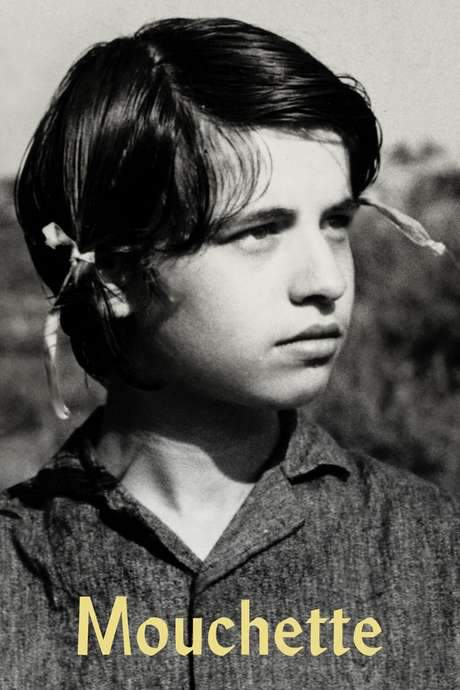
Mouchette (1967) movie poster

Characters & Themes

Mouchette (1967) Characters, Setting & Themes Explained

Release, runtime and language
1967 · 81 mins · French
Loading streaming availability…
Directed by
Robert Bresson
Starring
Paul Hébert, Jean Vimenet, Jean-Claude Guilbert, Nadine Nortier, Marie Cardinal, Marine Trichet

A young girl living in the French countryside suffers constant indignities at the hand of alcoholism and her fellow man.

On this page (9)
  1. 1 Where to watch
  2. 2 Characters explained (3)
  3. 3 Where & when it takes place
  4. 4 Themes & meaning (2)
  5. 5 Character & meaning questions
  6. 6 The book behind the movie
  7. 7 Movie threads
  8. 8 Movies like Mouchette
  9. 9 Every angle
Loading streaming availability…

3 main characters · contains spoilers

Mouchette Characters Explained: Who Is Who

The main characters of Mouchette (1967), heroes and villains: what drives them, how they change over the course of the story and what each of them reveals about the film's bigger ideas.

  • Mouchette (Nadine Nortier)

    A gentle and sensitive girl living in a harsh environment, Mouchette is burdened by her family's neglect and societal judgment. Her quiet resilience is contrasted with her internal suffering and tragic fate, making her a symbol of innocence lost.

    • 🌸 Vulnerable
    • 🌿 Innocent
    • 😢 Tragic
  • Arsène (Jean-Claude Guilbert)

    An alcoholic epileptic poacher, Arsène is a tragic figure embodying despair and violence. His encounter with Mouchette exposes his inner turmoil and contributes to her traumatic experience, highlighting themes of decay and rejection.

    • 🍃 Outcast
    • 🍂 Violent
    • 🍷 Troubled
  • Mathieu (unknown actor, referred to as Mathieu)

    The gamekeeper, Mathieu is a character who discusses the previous night's events with others, representing societal authority and the passing of judgment. His role underscores themes of societal indifference and moral ambiguity.

    • 🏞️ Authority
    • 🕵️‍♂️ Judgment
    • 🌾 Rural life

Last updated: August 19, 2025 at 04:52

Was this helpful?

Setting

Where and When Does Mouchette Take Place?

The setting of Mouchette (1967): the year and time period, the places and locations, and how they shape the characters, the mood and the tension of the story.

Time period

Mid-20th century

The story is set in a period that appears to be post-World War II France, characterized by traditional rural life and limited technological development. This time period emphasizes the social and economic hardships faced by the characters, especially in isolated village communities.

Location

French village, woods, river

The movie takes place in a remote French village surrounded by dense woods and a river, representing isolation and the natural environment. These locations reflect the solitude and harsh realities of the protagonist's life and serve as symbolic backdrops for her emotional journey.

  • 🇫🇷 Rural
  • 🌳 Wilderness
  • 💧 River

Last updated: August 19, 2025 at 04:52

Was this helpful?

2 major themes

Mouchette Meaning: Themes & Message Explained

What is Mouchette (1967) really about? The emotional, social and philosophical themes the film keeps returning to, its symbolism and the message beneath the surface.

  • Innocence

    The theme of innocence permeates the film, highlighted by Mouchette's pure and vulnerable nature amidst a hostile environment. Her innocence is contrasted with the violence and cruelty she encounters, symbolizing the loss and fragility of childhood innocence.

  • Despair

    Despair is a central theme, illustrated by Mouchette's life of hardship, familial neglect, and societal rejection. The film explores how despair can lead to tragic outcomes, emphasizing the harsh realities faced by marginalized individuals.

Last updated: August 19, 2025 at 04:52

Was this helpful?

Character & theme questions

Mouchette Characters & Meaning: Your Questions Answered

The questions people ask about Mouchette (1967): who the characters really are, their relationships, what the symbols mean, where it takes place and what the movie is really about. Each answer contains spoilers.

Q1

Where is Mouchette set?

The film takes place in a remote French village surrounded by dense woods and a river. This isolated rural setting serves as both a literal location and a symbolic backdrop, emphasizing Mouchette's seclusion and the harsh realities of her daily life.

  • french countryside
  • village setting
  • woods
  • river
  • isolation
Q2

When does Mouchette take place?

The story is set in post-World War II France, specifically during the mid-20th century. This era is characterized by traditional rural life with limited technological development, emphasizing the social and economic hardships faced by characters in isolated village communities.

  • post-war france
  • mid-20th century
  • rural france
  • 1940s 1950s
Q3

What is the main theme of Mouchette?

Innocence is a central theme, with Mouchette representing pure and vulnerable childhood. Her gentle nature is constantly contrasted against the violence and cruelty she encounters, making the loss and fragility of innocence a powerful element of the film's emotional impact.

  • innocence
  • childhood
  • loss of innocence
  • vulnerability
Q4

How does Mouchette explore despair?

Despair permeates the entire film through Mouchette's life of hardship, familial neglect, and societal rejection. The movie illustrates how relentless suffering can lead to tragic outcomes, emphasizing the harsh realities faced by marginalized individuals in impoverished rural communities.

  • despair
  • hardship
  • poverty
  • neglect
  • tragedy
Q5

Who is Mouchette in the film?

Mouchette is a gentle and sensitive girl portrayed by Nadine Nortier (playing herself). She lives in a harsh rural environment burdened by family neglect and societal judgment. Her quiet resilience contrasts sharply with her internal suffering, making her a tragic symbol of innocence lost.

  • mouchette
  • nadine nortier
  • protagonist
  • girl
Q6

Who is Arsène in Mouchette?

Arsène is an alcoholic epileptic poacher who encounters Mouchette in the woods. He embodies the themes of despair and violence within the village. His tragic figure represents the decay and rejection present in the community, and his interactions with Mouchette contribute to her traumatic experience.

  • arsène
  • poacher
  • alcoholic
  • epileptic
Q7

What is Mathieu's role in Mouchette?

Mathieu is the village gamekeeper who discusses the previous night's events with other characters. He represents societal authority and the passing of judgment within the isolated community. His role underscores themes of moral ambiguity and societal indifference toward Mouchette's suffering.

  • mathieu
  • gamekeeper
  • village authority
  • judgment
Q8

What is the tone of Mouchette?

The film has a distinctly bleak tone with no redemption or hope offered to the protagonist. The narrative provides no moments of relief from its heavy emotional burden, creating an unflinching portrayal of poverty, abuse, and societal cruelty that ultimately leads to a tragic conclusion.

  • bleak tone
  • emotional weight
  • tragedy
  • suffering
Q9

Why is the rural setting important to the story?

The remote village setting emphasizes the isolation that traps Mouchette. With no escape routes or alternative communities nearby, the dense woods and river create a prison-like environment where societal cruelty and neglect can occur unchecked, reinforcing the film's themes of abandonment and desperation.

  • rural isolation
  • woods
  • trapped
  • no escape
  • environment
Q10

How does Mouchette portray society?

The film portrays society as cruel and indifferent, particularly toward a vulnerable child. The villagers' treatment of Mouchette, through constant humiliation, neglect, and violence, highlights the systematic rejection she faces, with no authority figure offering protection or compassion.

  • society
  • villagers
  • cruelty
  • neglect
  • rejection
  • marginalization
Q11

Is Mouchette a coming-of-age story?

While Mouchette is a teenage girl navigating adolescence, it is not a hopeful coming-of-age story. Instead, it depicts the destruction of childhood innocence through relentless trauma and suffering, presenting a devastating portrait of how poverty and cruelty can shatter a young person's future.

  • coming of age
  • teen
  • girl
  • innocence destroyed
  • growth

Movie threads

More Movies Like Mouchette, by Mood & Story

Curated lists built around what makes Mouchette tick: the same mood, the same kind of story or the same emotional payoff. Each list explains why these movies belong together.

Movies about Bleak Childhood Stories like Mouchette

Stories of innocence shattered by the harsh realities of life. Explore films similar to Mouchette that depict the harsh realities of youth. If you were moved by its unflinching portrayal of a child's suffering, you'll find other powerful and emotionally heavy movies about innocence lost to poverty, neglect, and societal cruelty.

  • despairing
  • harsh
  • somber
  • brutal
  • oppressive
  • tragic
  • Tone: bleak, despairing, harsh
  • Pacing: slow, deliberate, oppressive
Why these movies?

The story pattern: These narratives typically follow a straightforward, linear path of accumulation, where a series of traumatic events—from parental neglect to social rejection—steadily erode a young protagonist's spirit. There is rarely a redemptive arc; instead, the journey culminates in a tragic or deeply bleak conclusion that underscores the inescapable nature of their circumstances.

Why they belong together: They are grouped by their shared commitment to depicting childhood suffering without sentimentality. The similarity lies in a consistently bleak tone, slow pacing that mirrors the oppressive weight of the protagonist's life, and a thematic focus on the destruction of innocence.


Slow Paced Tragic Dramas like Mouchette

Deliberate, oppressive narratives leading to inevitable, quiet ruin. Find movies with a similar slow, oppressive pace and tragic conclusion as Mouchette. If you appreciated its methodical build-up of despair leading to a silent, devastating ending, this collection features other emotionally heavy dramas where pacing amplifies the sense of inevitable downfall.

  • oppressive
  • melancholic
  • slow burn
  • despairing
  • somber
  • tragic
  • Tone: oppressive, melancholic, bleak
  • Pacing: very slow, deliberate, accumulative
Why these movies?

The story pattern: The narrative pattern is one of accumulation rather than complex plotting. Small, indignities and major traumas pile up in a steady, unhurried rhythm, denying the character—and the viewer—any significant respite. The structure avoids twists, instead focusing on the grim certainty of the outcome, which is typically a quiet, understated act of finality.

Why they belong together: These films share a specific combination of extremely slow pacing, a bleak and oppressive tone, and a narrative drive toward a tragic, often silent, conclusion. The similarity is in the overall viewing experience: a heavy, contemplative, and emotionally draining journey that feels predetermined and inescapable.

If you liked this

Movies Like Mouchette

Similar movies to Mouchette: the same genre, themes or kind of story. Each one comes with its own plot summary, timeline and ending explained.

Browse all movie summaries

Every angle

Mouchette (1967) Explained: Plot, Timeline & Characters

Everything about Mouchette in one place: what happens in the plot summary, the timeline in chronological order, the characters and meaning and a spoiler-free summary. What's After the Movie adds the cast, box office and post-credit scenes.

Coming soon on iOS and Android

The Plot Explained Movie Summary App

Plot summaries, endings explained and timelines on your phone. Catch up on any movie in minutes, save your favorites and never miss a twist again.

Be the first to know when we launch. Your email stays private, always.

Learn more about the app