Plot Explained Spoilers guaranteed!
Plot Explained

Browse by genre

Mickey One (1965) movie poster

Timeline

Mickey One (1965) Timeline Explained – Every Event in Order

Release, runtime and language
1965 · 93 mins · English
Directed by
Arthur Penn
Starring
Jeff Corey, Warren Beatty, Dennis Franz, Kamatari Fujiwara, Hurd Hatfield, Irene Michaels

…and the name of the game is Mickey! A former comic is on the run from the mob.

On this page (5)
  1. 1 Events in order (12)
  2. 2 Timeline questions answered
  3. 3 Movie threads
  4. 4 Movies like Mickey One
  5. 5 Every angle

12 events in order · contains spoilers

Mickey One Timeline: Events in Chronological Order

Every key event of Mickey One (1965) in order, scene by scene, with when and where it takes place. Use it to untangle flashbacks, time jumps and parallel storylines, to refresh your memory before the sequel or to find the exact scene you are thinking of.

  1. Mob wrath forces Mickey to flee Detroit

    Following the Mafia's wrath, Mickey flees Detroit for Chicago to escape being silenced. The move marks the end of his old life and the fragile start of a new, precarious existence. He leaves behind familiarity in a desperate bid for safety.

    Where
    Detroit
  2. Steals a Social Security card

    In a moment of desperation, he steals a Social Security card from Miklos Wunejeva, a homeless man. The card becomes his passport to a new life as he lands a job using the name Mickey One.

    Where
    Chicago
  3. Gets a low-paying job hauling garbage

    Under the stolen identity, he lands a low-paying job hauling garbage for a seedy diner. The grind of the work forces him to stretch every dime and save what he can. The routine lays the groundwork for his fragile reinvention.

    Where
    Chicago
  4. Rents a flop house room and buys new clothes

    With the meager wages, he rents a room in a rundown flop house and buys a few new clothes to look the part of a performer. The modest comforts offer a short-lived shield against the fear that follows him. He clings to this fragile makeover as a sign that a normal life might still be possible.

    Where
    Chicago
  5. Returns to the stand-up stage

    He makes a tentative return to the microphone, stepping back on stage as a stand-up comic. He remains wary of sudden success, fearing the attention it could draw. The act is haunted by the undercurrent that the mob is listening.

    Where
    Chicago club
  6. Xanadu booking becomes an eerie audition

    When he earns a booking at the upscale Xanadu club, the rehearsal feels more like an audition for an unseen, gruff-voiced man. The tense atmosphere, bright lights, and watching eyes heighten his anxiety. He senses a hidden threat looming over his performance.

    Where
    Xanadu club, Chicago
  7. Paranoia drives him to flee the club

    Paranoid that the mob has found him, he bolts from the club and runs through the streets. He searches for signs of enforcement or debt, but finds only fear and a trace of isolation. The pursuit underscores how safe he can never truly be.

    Where
    Chicago streets
  8. Decides to confront the mystery debt

    Determined to understand what he owes, he resolves to find the mobster who 'owns' him and demand answers. He searches for someone who will talk, yet confrontations with gangsters prove hostile and evasive. The failed conversations harden his resolve to face whatever comes.

    Where
    Chicago streets
  9. Beaten by nightclub doormen

    In the rough pursuit, Mickey is beaten by nightclub doormen who treat him as trouble rather than a victim. The beating reinforces the sense that escape is nearly impossible. Yet the incident steels him to persevere with his act.

    Where
    Chicago nightclub area
  10. Realizes escape is impossible and performs anyway

    The realization that escaping the mob is futile finally dawns on him, and he chooses to perform anyway. He uses the act to reclaim his voice and dignity, even as fear hovers nearby. The show becomes a defiant stand against control and danger.

    Where
    Xanadu club
  11. The Artist appears in the city

    While wandering the city, Mickey continually notices a mute mime-like figure known as The Artist. The sightings grow more surreal, hinting at a larger, mythic undertone to his plight. The presence of The Artist unsettles him and deepens the film's dreamlike atmosphere.

    Where
    City streets
  12. The Yes machine is unleashed

    The Artist finally unleashes a self-destructive machine named Yes, a Rube Goldberg-like creation that erupts in chaos. The device feels like an homage to Jean Tinguely and signals a chaotic turn in Mickey's odyssey. The moment blurs the line between performance, fear, and real danger.

    Where
    City streets

Last updated: March 05, 2026 at 18:40

Was this helpful?

Timeline questions answered

Mickey One Timeline Explained: Your Questions Answered

When does it happen, and why in that order? The questions people ask about the chronology of Mickey One (1965): time jumps, flashbacks, cause and effect between scenes and the correct order of events, each answered with spoilers.

Q1

Why does Mickey steal a Social Security card from a homeless man?

Mickey steals the Social Security card from Miklos Wunejeva because he needs a legal identity to get work in Chicago. As a man on the run from the Mafia, he cannot use his real name or have any official records that could trace him. The stolen card becomes his passport to survival, allowing him to land the garbage-hauling job at the diner under the name Mickey One.

Foreshadowing: Earlier in Detroit, Mickey had drawn the Mafia's wrath, forcing him to flee without documentation.

  • social security card
  • identity
  • survival
  • Chicago
  • job
Q2

What debt does Mickey owe the mob?

The movie never explicitly reveals what specific debt Mickey owes or why the Mafia wants him silenced. The mystery of the debt is central to the film's paranoid atmosphere. Mickey himself searches for someone who can tell him who 'owns' him and what he supposedly owes, but he never gets a clear answer. The debt seems to represent the inescapable nature of his past choices and the impossible position of being hunted without knowing why.

Foreshadowing: The opening establishes that Mickey drew the Mafia's wrath, but the reason remains obscured.

  • mob
  • debt
  • mystery
  • mafia
  • owned
Q3

Why does Mickey run from the Xanadu club during rehearsal?

Mickey runs from Xanadu because he becomes convinced that the rehearsal is actually an audition for the mob, that someone dangerous is watching him. The presence of a gruff, unseen voice and the intense atmosphere trigger his deep paranoia about being tracked down. His fear that the mob has found him overrides his opportunity for a big break, sending him fleeing into the streets.

Foreshadowing: His earlier paranoia about attention putting him back in danger is confirmed when the Xanadu rehearsal feels threatening.

  • xanadu club
  • paranoia
  • rehearsal
  • mob
  • flee
Q4

Who is The Artist that Mickey keeps seeing?

The Artist is a mute, mime-like figure who appears repeatedly throughout the city as Mickey wanders. The character has no dialogue and functions as a surreal, symbolic presence rather than a plot-driven character. He represents the themes of performance, illusion, and the boundary between art and reality that the film explores. His eventual unveiling of the self-destructive 'Yes' machine connects directly to Mickey's own fragile relationship with his act and identity.

Foreshadowing: The Artist appears first as a minor figure early in Mickey's Chicago wanderings, building to the climactic machine scene.

  • the artist
  • mime
  • surreal
  • symbol
  • performance
Q5

What is the 'Yes' machine that The Artist creates?

The 'Yes' machine is a Rube Goldberg-style contraption that The Artist unveils in a surreal climactic moment. The self-destructive device is an homage to Jean Tinguely's kinetic art. Symbolically, the machine represents the chaotic, self-defeating nature of performance itself, creating something spectacular that ultimately destroys itself. This mirrors Mickey's own situation: his act draws attention that could destroy him, yet he cannot stop performing.

Foreshadowing: The Artist's appearances throughout the film build toward this moment of chaotic artistic expression.

  • yes machine
  • rube goldberg
  • jean tinguely
  • self-destructive
  • art
Q6

Why does Mickey keep performing stand-up despite the danger?

Mickey continues performing because being on stage is integral to his identity, he cannot truly exist without performing. Even when he runs from opportunities like Xanadu out of fear, he eventually returns to the microphone. The film portrays performing as both his greatest vulnerability (drawing attention from the mob) and his only path to reclaiming dignity. When he realizes escape is impossible, he chooses to perform anyway, using the act as a defiant statement against the forces hunting him.

Foreshadowing: His early return to stand-up in Chicago establishes that performance is his natural state, even under threat.

  • performing
  • stand-up
  • stage
  • identity
  • defiance
Q7

Why does Mickey get beaten by nightclub doormen?

Mickey gets beaten because he approaches gangsters directly, demanding to know who owns him and what debt he owes. His confrontational approach to finding answers makes him appear as trouble rather than a victim seeking help. The doormen treat him as a threat, and the beating reinforces the film's message that escape from the mob is nearly impossible, every path Mickey takes leads to more violence.

Foreshadowing: His decision to confront the mystery debt directly sets this violent encounter in motion.

  • beaten
  • doormen
  • nightclub
  • confrontation
  • gangsters
Q8

What does the ending mean, does Mickey escape?

The ending is deliberately ambiguous. Mickey takes the stage at Xanadu and delivers his act with resolve, reclaiming his voice despite the ever-present threat. However, the film never clarifies whether this resolves his debt to the mob or if he survives the performance. The ambiguity suggests that for someone like Mickey, the act of performing itself may be the only victory available, whether or not he escapes physically, he has chosen to own his identity rather than keep running.

Foreshadowing: His earlier realization that escape is impossible sets up this choice between continued flight and artistic acceptance.

  • ending
  • ambiguous
  • escape
  • performance
  • resolution
Q9

Why does Mickey flee Detroit for Chicago?

Mickey flees Detroit because he has drawn the wrath of the Mafia, and staying would mean being silenced, likely killed. The move represents the end of his old life and the beginning of a fragile, paranoid existence in a new city. Chicago offers temporary anonymity but never true safety, as the mob's reach follows him.

Foreshadowing: The opening establishes that Mickey's career and life in Detroit have been destroyed by this mob threat.

  • detroit
  • chicago
  • flee
  • mafia
  • escape
Q10

Why does Mickey live in a flop house instead of hiding completely?

Mickey chooses the flop house because he needs to maintain some semblance of normal life while rebuilding his career. The cheap room represents his fragile reinvention, he can afford basics, save money for clothes, and still be close enough to the comedy scene. Living in hiding would mean abandoning his identity as a performer entirely, which the film suggests is something he cannot do.

Foreshadowing: His decision to rent a room and buy new clothes early in Chicago shows his intention to return to performing.

  • flop house
  • living
  • money
  • rebuilding
  • normal life
Q11

What is the film saying about performance and survival?

The film explores the tension between a performer's need to be seen and the danger that visibility brings. Mickey cannot exist without performing, yet every time he steps on stage, he risks drawing the mob's attention. The surreal elements, particularly The Artist and the 'Yes' machine, symbolize how performance itself is a self-destructive act. The city becomes both stage and labyrinth, and Mickey must ultimately choose between hiding and being destroyed, or performing and possibly being destroyed anyway.

Foreshadowing: The recurring motif of performance runs from his first return to the mic through his final Xanadu act.

  • performance
  • survival
  • visibility
  • risk
  • art

Movie threads

More Movies Like Mickey One, by Mood & Story

Curated lists built around what makes Mickey One tick: the same mood, the same kind of story or the same emotional payoff. Each list explains why these movies belong together.

Surreal paranoia thrillers like Mickey One

Stories where unseen threats unravel reality and identity. If you enjoyed Mickey One's tense exploration of psychological fear, this thread gathers movies featuring protagonists unraveling under surreal threats. These stories blend crime narratives with dreamlike psychological tension.

  • paranoid
  • surreal
  • anxious
  • oppressive
  • psychological threat
  • dreamlike
  • Tone: tense, paranoid, surreal
  • Pacing: steady, methodical
Why these movies?

The story pattern: Stories typically follow a character who becomes convinced of an ambiguous but overwhelming threat, leading them into a paranoid state where reality becomes distorted. The narrative structure often mimics the protagonist's deteriorating mental state through surreal elements and ambiguous dialogue.

Why they belong together: These films share a focus on internal psychological tension rather than external action, using surreal elements to create an atmosphere of persistent unease. They explore themes of identity crisis and existential fear through ambiguous threats.

Fugitive identity crisis stories like Mickey One

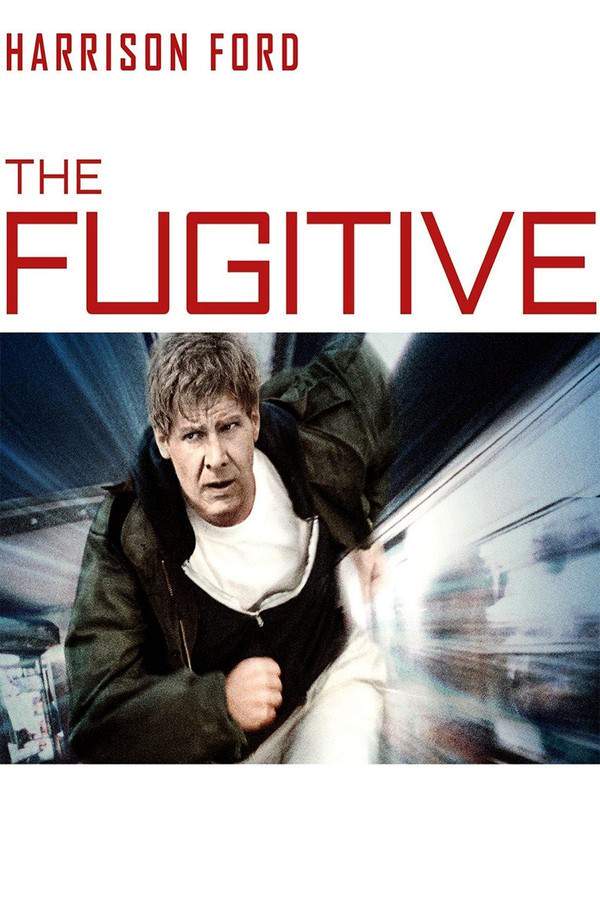
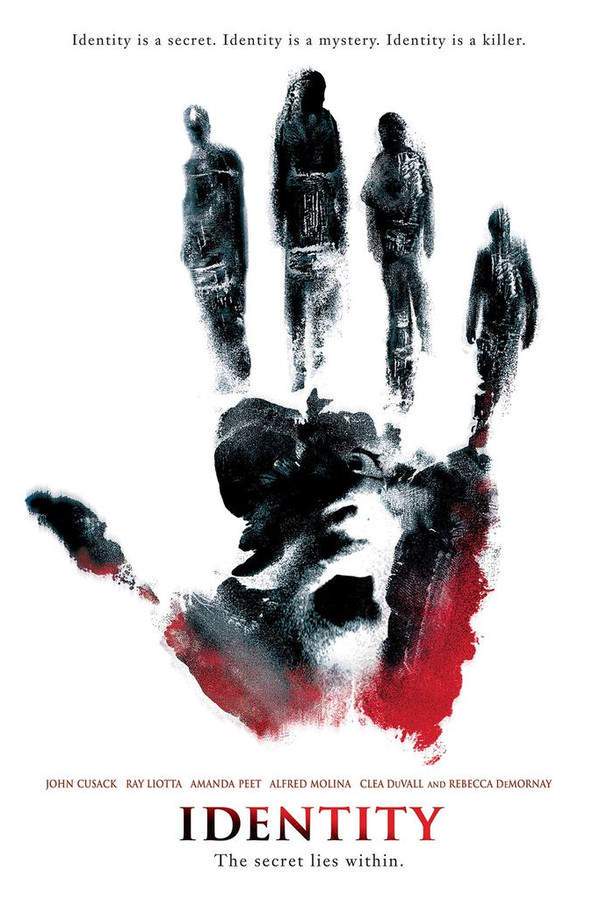
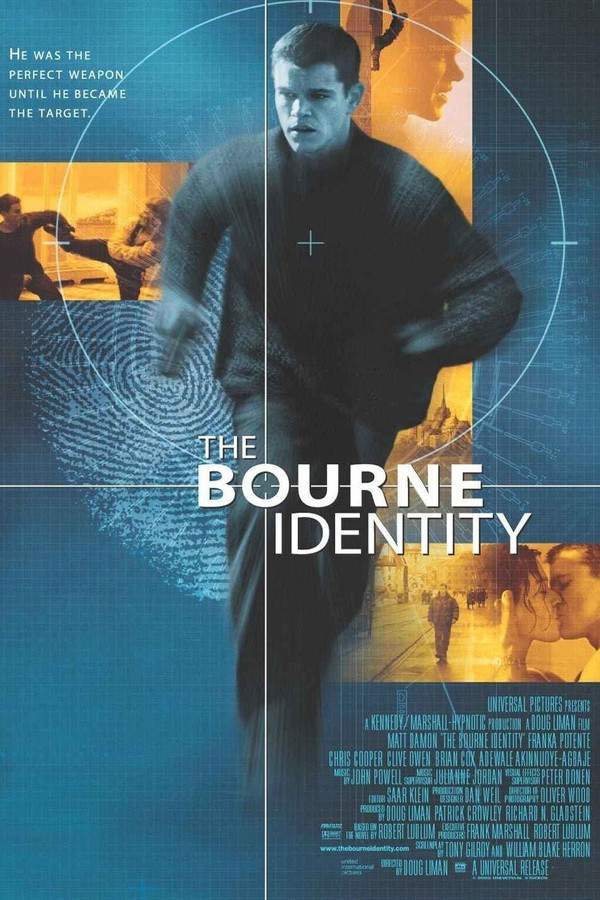
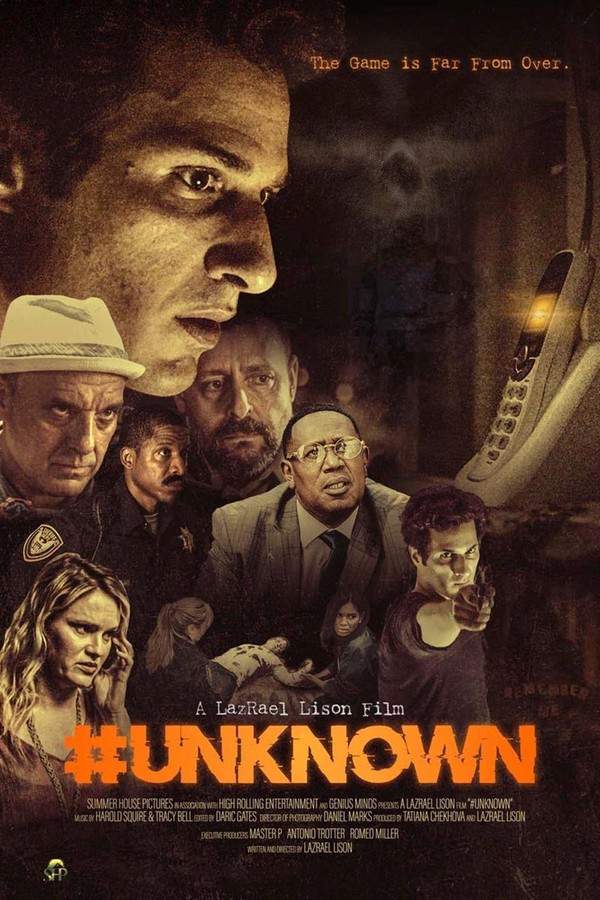
Protagonists forced into hiding while questioning their very identity. If you liked Mickey One's premise of a man recreating himself to escape unseen dangers, this thread collects movies about characters forced to shed their identities. These stories explore the psychological toll of living under constant threat.

  • on the run
  • identity crisis
  • paranoid
  • suspenseful
  • reinvention
  • intimidation
  • Tone: tense, existential, anxious
  • Pacing: steady, character-driven
Why these movies?

The story pattern: Narratives typically center on a protagonist who must abandon their established identity and create a new one to evade an ambiguous threat. The journey involves paranoia, suspicion of new acquaintances, and confronting whether one's past can truly be escaped.

Why they belong together: These stories share the core theme of identity transformation under duress. The protagonists are ordinary people suddenly thrust into extraordinary circumstances, forced to question everything they knew about themselves and the world.

If you liked this

Movies Like Mickey One

Similar movies to Mickey One: the same genre, themes or kind of story. Each one comes with its own plot summary, timeline and ending explained.

Browse all movie summaries

Every angle

Mickey One (1965) Explained: Plot, Timeline & Characters

Everything about Mickey One in one place: what happens in the plot summary, the timeline in chronological order, the characters and meaning and a spoiler-free summary. What's After the Movie adds the cast, box office and post-credit scenes.

Coming soon on iOS and Android

The Plot Explained Movie Summary App

Plot summaries, endings explained and timelines on your phone. Catch up on any movie in minutes, save your favorites and never miss a twist again.

Be the first to know when we launch. Your email stays private, always.

Learn more about the app