Year: 2003
Runtime: 90 min
Language: English
Director: James Mangold
Budget: $28M
A high school senior's life is thrown into turmoil when a cryptic online discovery challenges everything he thought he knew. He’s forced to question his identity and the nature of reality itself, struggling to discern truth from elaborate deception. Amidst this personal crisis, he also grapples with the complexities of friendships, strained family relationships, and the uncertainties of first love, making him question who he can trust.
Find where to stream, rent, or buy Identity (2003) in the US with current JustWatch availability, up-to-date pricing, and platform listings for subscription, rental, and digital purchase options.
Warning: spoilers below!
Haven’t seen Identity yet? This summary contains major spoilers. Bookmark the page, watch the movie, and come back for the full breakdown. If you're ready, scroll on and relive the story!
Read the complete plot breakdown of Identity (2003), including all key story events, major twists, and the ending explained in detail. Discover what really happened, and what it all means.
Malcolm Rivers, portrayed as a psychotic killer awaiting execution, has been convicted for a series of brutal murders. His psychiatrist, Doctor Malick, stumbles upon a crucial journal belonging to Malcolm (played by Pruitt Taylor Vince) that could shed light on the true motives behind his actions. With this newly discovered evidence, a hearing is set for a stormy night where Malick aims to convince the judge to spare Malcolm's life.
Simultaneously, ten strangers find themselves caught in a fierce storm, taking refuge in a desolate motel nestled in the Nevada desert. The raging weather has severed their phone lines, forcing them to determine how to spend the unsettling night while tending to those injured in the chaos of their arrival. However, an unknown killer lurks among them, systematically eliminating guests and leaving behind ominous clues in the form of motel room keys, starting with the ominous key to Room 10 and counting down.
During the hearing, the content of Malcolm's journal is unveiled, revealing that he suffers from extreme Dissociative Identity Disorder, with ten distinct personalities residing within him. In a pivotal moment, Malick brings forth one of these identities, Ed, who uncovers that the grisly events unfolding in the motel are manifestations of Malcolm's fractured psyche. With urgency, Malick informs Ed of the necessity to locate and neutralize the hostile personality to save Malcolm from execution, recognizing that if the dangerous identities perish, it could lead to Malcolm's ultimate demise.
As events escalate in the motel and the group diminishes in number, Ed declares that the traitorous personality, Rhodes, is the murderer. In a selfless act, he sacrifices himself to eliminate Rhodes, leaving only Paris standing.
When Malick proves to the judge that the violent identity has been subdued, a new direction is taken as the judge decides to commit Malcolm to a mental institution under Malick’s supervision. However, as they drive towards the institution, Malcolm's consciousness reveals Paris returning to her hometown in Florida, tending to her orange grove. In a twist of fate, she unearths the Room 1 key and turns to find the haunting figure of a young boy named Timmy. Timmy, the actual sinister identity, orchestrated the motel's deaths and deceitfully faked his own demise. He fulfills his dark mission by taking Paris' life, reciting the chilling lines from Hughes Mearns’s Antigonish.
As a culmination of chaos, Malcolm, driven by the last of his personalities, Timmy, turns on Malick, ultimately leading their transport van to veer off the road into uncertainty.

Last updated: October 27, 2024 at 21:19
Explore frequently asked questions about Identity (2003) with spoiler-rich answers covering the full plot summary, major story beats, character motivations, hidden details, and ending meaning. This movie summary FAQ helps explain confusing scenes, plot twists, and narrative decisions in clear, searchable detail.
The motel killings are not happening in real life, they are manifestations of Malcolm Rivers' fractured psyche. Each of the ten strangers trapped in the motel represents a different personality within Malcolm's mind. The violence unfoldng at the motel is occurring within his consciousness while his body lies in a coma-like state during the court hearing.
Earlier in the film, Dr. Malick discovers Malcolm's journal that reveals his severe Dissociative Identity Disorder.
Rhodes is initially identified as the murderer, another hostile personality within Malcolm who is killing the other personalities. However, the true sinister identity is Timmy, a young boy who fakes his own death early in the film. Timmy is the one who orchestrates the entire tragedy and ultimately kills Paris in Florida.
The motel guests find a key to Room 10, then Room 9, counting down, a pattern that suggests someone is systematically eliminating personalities.
Ed, one of Malcolm's protective personalities, realizes that Rhodes is the violent identity murdering the others. To save Malcolm from execution (which would occur if all personalities die), Ed deliberately provokes Rhodes into a confrontation and kills them both, eliminating the dangerous personality while sacrificing himself in the process.
Ed is shown as one of Malcolm's calmer, more rational identities who works with Dr. Malick to help his host.
After surviving the motel massacre, Paris returns to her orange grove in Florida. She discovers the Room 1 key, the final key from the countdown, and is confronted by Timmy, who has faked his death. Timmy kills Paris, reciting the poem 'Antigonish' before she dies, completing his dark mission.
The room keys counted down from 10 to 1, with Paris holding the final key, hinting her fate was sealed from the beginning.
No, Timmy faked his death. He is revealed to be the true sinister identity within Malcolm, the mastermind behind the motel killings. When Paris encounters him in Florida, it becomes clear that he orchestrated the entire events and deliberately faked his demise to escape suspicion.
Timmy's death occurs off-screen and is never explicitly confirmed by the other characters.
Dr. Malick presents evidence from Malcolm's journal showing he has ten distinct personalities due to severe Dissociative Identity Disorder. By demonstrating that the violent personality (Rhodes) has been eliminated through Ed's sacrifice, Malick convinces the judge that Malcolm is not criminally insane but mentally ill and treatable. The judge commutes the sentence to institutionalization.
Dr. Malick's entire argument centers on proving that Malcolm's violent actions stem from his mental condition, not conscious choice.
The room keys serve as ominous clues left by the killer, counting down from Room 10 to Room 1. This countdown represents the systematic elimination of Malcolm's different personalities. Each key found marks another personality being killed off within his mind, with the final key (Room 1) leading to Paris's death in Florida.
The first key found is to Room 10, establishing the countdown pattern that continues throughout the night.
Malcolm Rivers has ten distinct personalities living within him due to extreme Dissociative Identity Disorder. The ten strangers trapped in the motel each represent one of these identities. Among them are Ed (the helpful identity), Rhodes (the violent murderer), Paris (the vulnerable but surviving identity), and Timmy (the sinister young boy).
Dr. Malick's journal reveals the extent of Malcolm's condition, stating he has ten separate identities.
After Timmy kills Paris in Florida, his consciousness returns to Malcolm's body, which is being transported to the mental institution with Dr. Malick. Timmy, the final remaining hostile personality, turns on Malick and causes the transport van to veer off the road. The film ends ambiguously with the van crashing, leaving their fate unknown.
The judge's decision to commit Malcolm rather than execute him sets up the transport scene where Timmy's true nature ultimately emerges.
Timmy recites Hughes Mearns' poem 'Antigonish' just before killing Paris: 'As I was going up the stair, I met a man who wasn't there. He wasn't there again today.' The poem reflects Timmy's nature as a manipulative, elusive presence who exists in the shadows of Malcolm's mind, an invisible threat that was always there but never recognized until the devastating end.
The poem is referenced multiple times throughout the film, building anticipation for its full reveal.
The court hearing and motel storyline occur simultaneously and are causally connected. The hearing takes place in reality while Malcolm's mind creates the motel scenario as a battleground between his personalities. When Dr. Malick presents evidence of Malcolm's DID, the corresponding personalities at the motel fight and eliminate each other. The outcomes mirror each other, when Rhodes is defeated in the motel, the judge decides Malcolm should live.
The film deliberately cuts between the courtroom and motel to show parallel action that eventually reveals their connection.
Timmy, the young boy personality representing pure malevolence, is the final personality standing. Although Ed sacrificed himself to kill Rhodes, and Paris survived the motel only to be killed in Florida, Timmy was never truly eliminated, he faked his death. His survival means the most dangerous aspect of Malcolm's psyche has won, leading to the final attack on Dr. Malick.
Timmy is established early as unsettling and different from the other personalities, with an intensity that hints at his true nature.
Discover curated groups of movies connected by mood, themes, and story style. Browse collections built around emotion, atmosphere, and narrative focus to easily find films that match what you feel like watching right now.
Characters trapped in confined spaces while their sanity unravels under pressure.If you liked the claustrophobic tension of Identity, explore more movies where characters are trapped in isolated locations. These films master the art of confined thrillers and paranoid horror, creating a sense of inescapable dread similar to the storm-battered motel scenario.
Stories in this thread typically strand a group of characters in a remote, inescapable location like a motel, cabin, or spaceship. A external threat emerges, but the true horror often comes from within, as isolation fractures group dynamics and individual psyches, making trust impossible and reality questionable.
They are grouped by their shared core premise: using a confined setting to generate intense psychological pressure. This creates a consistent vibe of claustrophobia, paranoia, and a desperate fight for survival where the enemy may be external, internal, or both.
Narratives where perception is shattered by a shocking psychological reveal.Fans of Identity's major psychological twist will enjoy these mind-bending movies. Discover similar thrillers and horror films with shocking endings that redefine the narrative, playing with themes of dissociative identity and reality vs illusion just like Identity.
The narrative pattern involves building a seemingly straightforward story, only to introduce a twist that reveals the events were an illusion, a psychological fabrication, or happening in a different context entirely. The journey is about the collapse of a perceived reality, leading to a bleak or ambiguous new understanding.
They are united by a specific narrative structure that employs a major, perspective-shifting twist. This creates a shared viewing experience of suspense, mystery, and a final, often unsettling, re-framing of the plot's reality, leaving a lasting psychological impact.
Don't stop at just watching - explore Identity in full detail. From the complete plot summary and scene-by-scene timeline to character breakdowns, thematic analysis, and a deep dive into the ending - every page helps you truly understand what Identity is all about. Plus, discover what's next after the movie.
Track the full timeline of Identity with every major event arranged chronologically. Perfect for decoding non-linear storytelling, flashbacks, or parallel narratives with a clear scene-by-scene breakdown.
Discover the characters, locations, and core themes that shape Identity. Get insights into symbolic elements, setting significance, and deeper narrative meaning - ideal for thematic analysis and movie breakdowns.
Discover movies like Identity that share similar genres, themes, and storytelling elements. Whether you’re drawn to the atmosphere, character arcs, or plot structure, these curated recommendations will help you explore more films you’ll love.
Identity (2003) Scene-by-Scene Movie Timeline
Identity (2003) Movie Characters, Themes & Settings
Identity (2003) Spoiler-Free Summary & Key Flow
Movies Like Identity – Similar Titles You’ll Enjoy
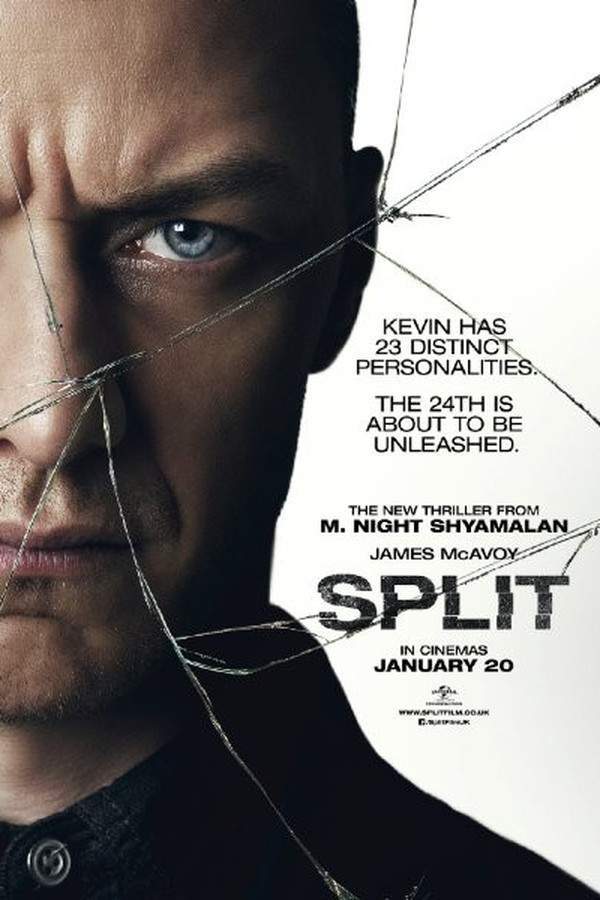
Split (2017) Complete Plot Breakdown
Fear (1996) Plot Summary & Ending Explained
They (2002) Spoiler-Packed Plot Recap
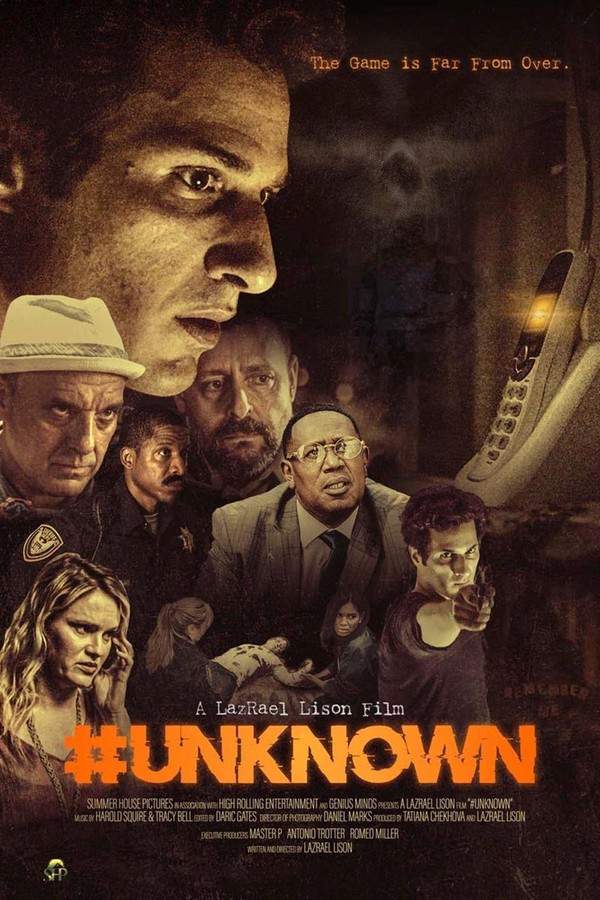
Unknown (2011) Plot Summary & Ending Explained
I Am Not a Serial Killer (2016) Ending Explained & Film Insights
Distorted (2018) Full Movie Breakdown
Psycho (1960) Plot Summary & Ending Explained
Reclaim (2014) Spoiler-Packed Plot Recap
Thr3e (2007) Full Summary & Key Details
Abomination (2018) Full Movie Breakdown
Deceived (1991) Film Overview & Timeline
Retribution (2006) Plot Summary & Ending Explained
Isolated (2022) Complete Plot Breakdown
Identikit (1974) Detailed Story Recap
Maniac (1963) Complete Plot Breakdown