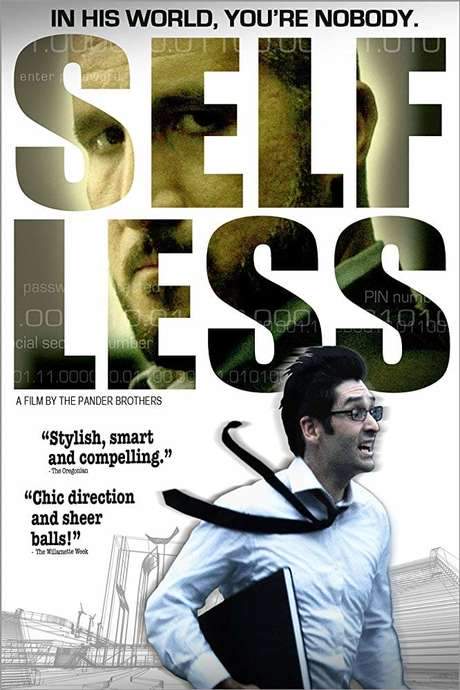
After drawing the wrath of the Mafia, a stand-up comic named Mickey flees Detroit for Chicago. He steals a Social Security card from Miklos Wunejeva, a homeless man, and uses it to land a job hauling garbage for a seedy diner. With the small wages he earns, he toils away enough to rent a room at a local flop house and buy himself some fresh clothes, gradually reappearing on the comedy stage. Yet he is never quite at ease with success—he fears that attention could put him back in danger and pull the mob’s strings from the shadows.
When a booking lands him at the upscale club Xanadu, his first rehearsal feels more like a private audition for an unseen, frightening voice, a voice that makes him tremble with dread. Paranoid that the mob has tracked him down, Mickey bolts, determined to learn who “owns” him and what debt he supposedly owes. He sets out to track down a mobster who might talk to him, but the pursuit ends in a brutal beating by nightclub doormen. Faced with the grim realization that escape might be impossible, he still chooses to take the stage, delivering his act with a stubborn resolve.
As he drifts through the city, he repeatedly encounters a mute, mime-like figure known only as The Artist. This enigmatic presence gradually becomes part of the story’s strange current, culminating in a surreal moment where The Artist unveils a Rube Goldberg–style machine, a deliberately self-destructive contraption called “Yes,” an homage to the kinetic work of Jean Tinguely. The image of this odd creation complements Mickey’s own fragile grip on reality, underscoring the film’s themes of performance, risk, and the uncontrollable forces that orbit those who step into the light.
Throughout the narrative, the tension between a performer’s need to be seen and the dangerous secrecy surrounding him threads its way from club to sidewalk, from fear to resolve. The city becomes both a stage and a labyrinth, where the line between showmanship and survival blurs, and every new encounter—whether with the harsh world offstage or the bizarre, almost dreamlike visions of The Artist and his machine—pushes Mickey toward a choice: keep running, or own his act no matter the cost.