Plot Explained Spoilers guaranteed!
Plot Explained

Browse by genre

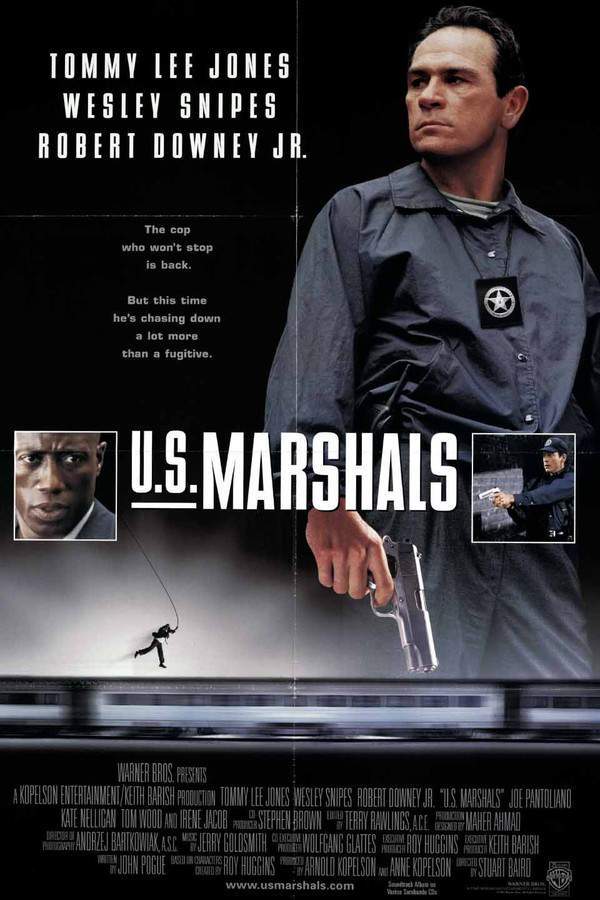
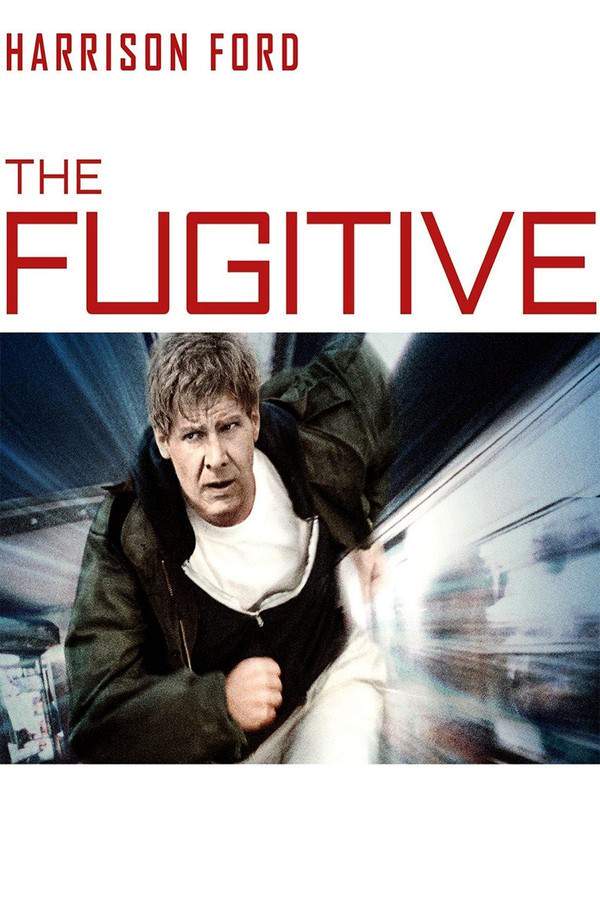
The Fugitive (1993) movie poster

Plot Summary

The Fugitive (1993) Plot Summary Explained

Release, runtime and language
1993 · 130 min · Italian
Loading streaming availability…
Directed by
Andrew Davis
Starring
Tommy Lee Jones, Harrison Ford

In 1970s Padua, Italy, the life of teenager Massimo Carlotto takes a dark turn when he stumbles upon a disturbing murder. Believing himself to be in danger, he goes on the run and is wrongly accused of the crime. For years, Massimo evades the authorities, struggling to prove his innocence and longing to reunite with his family, who work tirelessly to clear his name and restore his freedom.

On this page (6)
  1. 1 Where to watch
  2. 2 What happens: full plot
  3. 3 Plot questions answered
  4. 4 Movie threads
  5. 5 Movies like The Fugitive
  6. 6 Every angle
Loading streaming availability…

Full plot summary · contains spoilers

What Happens in The Fugitive: Full Plot Summary

The whole story of The Fugitive (1993) explained, from the opening scene to the final frame: every key event, every twist and what it all adds up to. Read it as a quick recap before the sequel, to check a scene you missed, or to finally understand what really happened.

The film begins with a dramatic sequence of the Chicago skyline, unveiling a chaotic confrontation between an enigmatic attacker and Helen Kimble (portrayed by Sela Ward). The tension escalates as Helen tragically loses her life, shot by her assailant with a gun that she and her husband, Dr. Richard Kimble (Harrison Ford), a notable vascular surgeon, keep stored in their home. The grim scene unfolds further as the attacker mercilessly crushes part of her skull with a hefty decorative stone. The police soon arrive, discovering Helen's lifeless body sprawled across the floor while forensic teams meticulously document the horrific scene. Richard, appearing disheveled with notable scratches on his neck, finds himself escorted out, as reporters outside broadcast the grim news.

The narrative shifts as we see flashbacks unraveling just hours before that tragic night. Richard and Helen, at a Children's Research Aid Foundation fundraiser, share a warm moment together, interrupted only when Richard's career demands pull him away for an urgent surgical procedure, leaving Helen reluctantly waiting for his return. This backstory provides crucial context during an interrogation by Detective Kelly (Ron Dean), where detectives tirelessly question him about the night’s events, suspicious of a fight with a one-armed man and inquiries about his connections to Helen's significant wealth, ultimately leading to Richard's wrongful accusation of murder. Despite protests of his innocence, the mounting evidence—including his fingerprints on the murder weapon—renders Richard as the prime suspect.

Following a harrowing trial, Richard finds himself condemned to Illinois State Penitentiary, awaiting execution. As he is transported with other convicts on a prison bus, a riot erupts. One prisoner fakes a medical emergency, ultimately stabbing a guard, which causes chaos. Amid this tumult, the bus veers off the road and crashes onto a set of railroad tracks. A harrowing scene ensues as a freight train approaches, but Richard manages to rescue the remaining survivors before the bus is obliterated. With various law enforcement agencies, including Deputy U.S. Marshal Samuel Gerard (Tommy Lee Jones), now hot on his trail, Richard's desperate flight to prove his innocence truly begins.

Richard’s journey takes him through treacherous terrain as he navigates hospital corridors seeking medical assistance and stealthily evades capture. Disguised in a workman’s clothing, he grapples with his identity while strategizing his next steps. As Gerard’s team tightens the net, Richard stealthily explores hospital records to identify the elusive one-armed assailant who murdered his wife. As days advance, Richard's increasing resolve aligns with the hints of conspiracy entwined with his tragic circumstances—evidence suggesting that Dr. Charles Nichols (Jeroen Krabbé) might be implicated in a more sinister scheme related to a drug trial.

In a series of nail-biting encounters, Richard’s cat-and-mouse game with Gerard deepens, intertwining their destinies. While Detective Kelly and the local police express their doubts about Richard’s guilt, the plot thickens with untold truths about a pharmaceutical conspiracy that could have directly led to Helen's death. Relying on his medical expertise, Richard works tirelessly—hiding among colleagues, leveraging hospital resources, and piecing together fragments of evidence leading him closer to the truth.

As Gerard persists with relentless tracking and questioning, hunting for answers, Richard's journey of proving his innocence culminates in an explosive confrontation on the roof of a Chicago hotel where twisted loyalties come to light. With action-packed sequences and emotional stakes, Richard’s quest for justice reaches a compelling conclusion when he faces Nichols directly, culminating in a fight that exposes the horrific reality around Helen's murder.

Ultimately, the movie crescendos into a cathartic finale, showcasing the resilience of the human spirit amidst daunting odds. Richard finally gets to clear his name, aided by the pain of his past, the determination to seek justice, and the revelation of a deep-rooted conspiracy that sought to thwart his life for corporate gain. As Gerard discovers the truth and recognizes Richard's innocence, he assures him that justice will prevail, bringing a sense of closure—a powerful reminder of the fight for truth, even when it seems all is lost.
Last updated: January 14, 2025 at 19:25

Was this helpful?

Plot questions answered

The Fugitive Plot Explained: Your Questions Answered

The questions people ask most about The Fugitive (1993): what happens in the confusing scenes, why the characters do what they do, the twists, hidden details and what the ending means. Each answer contains spoilers.

Q1

Why was Richard Kimble wrongfully convicted of his wife's murder?

Richard Kimble was convicted because his fingerprints were found on the murder weapon, a gun kept in his home. Police also noted scratches on his neck from a fight with a one-armed man and suspected his financial motive since Helen was wealthy. Despite his claims of innocence and mention of the one-armed man, the circumstantial evidence convinced the jury.

Foreshadowing: Earlier scenes at the fundraiser establish Richard as a dedicated surgeon with no apparent reason to harm his wife.

  • wrongful conviction
  • fingerprints
  • murder trial
  • one-armed man
  • evidence
Q2

Who was the one-armed man that killed Helen Kimble?

The one-armed man was a hitman named Sykes, who was actually working for Dr. Charles Nichols. Sykes was hired to kill Helen because her husband Richard had discovered a pharmaceutical conspiracy involving a dangerous drug trial. Sykes murdered Helen to silence her and frame Richard for the crime.

Foreshadowing: Detective Kelly questions Richard about a fight with a one-armed man during the interrogation, hinting at this character's existence.

  • sykes
  • one-armed man
  • hitman
  • conspiracy
  • henelson
Q3

What was the pharmaceutical conspiracy involving Dr. Charles Nichols?

Dr. Charles Nichols was involved in a dangerous drug trial that resulted in patient deaths. When Richard discovered the corruption and planned to expose it, Nichols ordered Helen's murder to silence him and prevent the truth from coming out. The pharmaceutical company wanted to hide the illegal human trials that had caused serious harm to patients.

Foreshadowing: Richard's investigation at the hospital reveals clues about the drug trial and Nichols's involvement.

  • pharmaceutical conspiracy
  • drug trial
  • nichols
  • corruption
  • human trials
Q4

How did Richard Kimble escape from the prison transport?

During the transport to Illinois State Penitentiary, a prisoner faked a medical emergency and stabbed a guard, causing chaos. The bus crashed onto railroad tracks as a freight train approached. Richard convinced a guard to release him from shackles so he could help rescue survivors. After the rescue, he escaped in the confusion while authorities dealt with the wreckage.

Foreshadowing: The prison transport sequence follows Richard's conviction, setting up the escape opportunity.

  • prison escape
  • train crash
  • bus accident
  • prisoner transport
  • fugitive
Q5

When did U.S. Marshal Gerard realize Richard Kimble was innocent?

Gerard began doubting Richard's guilt after noticing inconsistencies in the case, particularly when Richard actively pursued the real killer instead of hiding. The turning point came when Richard uncovered the pharmaceutical conspiracy and presented evidence proving Nichols ordered Helen's murder. Gerard then joined forces with Richard to bring the real culprits to justice.

Foreshadowing: Gerard's persistent questioning and refusal to accept Richard's death signal his growing suspicion.

  • u.s. marshal gerard
  • innocence
  • proof
  • conspiracy expose
  • nichols arrest
Q6

Why did Dr. Nichols want Helen Kimble killed?

Nichols needed Helen dead because Richard had discovered his illegal pharmaceutical drug trial and was planning to report it. Killing Helen and framing Richard for the murder would eliminate the whistleblower and prevent the corruption from being exposed. It was a calculated move to protect both Nichols's career and the pharmaceutical company's interests.

Foreshadowing: Richard's medical expertise and access to hospital records enable him to piece together the conspiracy.

  • nichols motive
  • murder cover-up
  • whistleblower
  • pharmaceutical corruption
Q7

How did Richard Kimble evade capture at the hospital?

After escaping from the prison transport, Richard was injured and needed medical attention. He stole workman's coveralls to disguise himself and infiltrated a Chicago hospital. Using his medical knowledge, he treated his own injuries while searching for evidence about the one-armed man. He evaded capture by blending in with staff and accessing hospital records to identify Sykes.

Foreshadowing: Richard's background as a vascular surgeon becomes crucial for his survival and investigation.

  • hospital disguise
  • medical treatment
  • stealth escape
  • hospital records
  • evading police
Q8

How was the connection between Sykes and Dr. Nichols revealed?

Richard discovered the connection through his investigation at the hospital, piecing together evidence that linked the one-armed man to Nichols. He confronted Nichols directly on the hotel rooftop, accusing him of orchestrating Helen's murder. During the final showdown, Sykes and Nichols were exposed as collaborators in the pharmaceutical conspiracy.

Foreshadowing: Richard's discovery of leads at the hospital gradually reveals the conspiracy's key players.

  • sykes nichols connection
  • conspiracy reveal
  • hotel rooftop confrontation
  • final showdown
Q9

Why did U.S. Marshal Gerard eventually help Richard Kimble?

Gerard helped Richard because the evidence clearly proved Richard's innocence and exposed a much larger criminal conspiracy. After Richard proved the pharmaceutical cover-up and showed that Nichols had ordered Helen's murder, Gerard chose to pursue justice rather than continue pursuing an innocent man. His sense of duty outweighed his original orders.

Foreshadowing: Gerard's persistent questioning throughout the film shows his commitment to finding truth over blind obedience.

  • gerard alliance
  • justice
  • truth over orders
  • moral choice
  • fugitive cleared
Q10

How did Richard Kimble survive the final confrontation at the hotel?

Richard survived the hotel confrontation through a combination of his medical skills and determination. During the climactic showdown in the laundry room, Richard fought Sykes and Nichols while Gerard assisted. Though the situation was life-threatening, Richard's resourcefulness and fighting skills allowed him to survive until the truth was exposed and the real killers were brought down.

Foreshadowing: Richard's survival throughout the film is attributed to his intelligence and medical expertise.

  • hotel fight
  • laundry room confrontation
  • survival
  • sykes death
  • nichols defeat

Movie threads

More Movies Like The Fugitive, by Mood & Story

Curated lists built around what makes The Fugitive tick: the same mood, the same kind of story or the same emotional payoff. Each list explains why these movies belong together.

Wrongly Accused Movies like The Fugitive

High-stakes chases where an innocent person fights to clear their name. If you enjoyed the frantic, high-stakes pursuit in The Fugitive, you'll find similar stories here. These movies feature innocent protagonists on the run, battling powerful conspiracies in a desperate quest for justice and vindication, perfect for fans of tense, fast-paced thrillers.

  • suspenseful
  • desperate
  • anxious
  • urgent
  • cathartic
  • determined
  • Tone: tense, desperate, urgent
  • Pacing: fast, relentless
Why these movies?

The story pattern: The narrative follows a clear pattern: an inciting incident falsely implicates the protagonist, forcing them to become a fugitive. The story then becomes a dual-track chase—the physical evasion of authorities and the intellectual pursuit of the real culprit—culminating in a climactic confrontation that exposes the conspiracy and clears their name.

Why they belong together: Movies are grouped here because they share a core premise of a wrongful accusation, creating immediate empathy for the protagonist. They deliver a consistent mix of high-tension action, procedural investigation, and a powerful emotional throughline of injustice and determination, resulting in a cathartic and satisfying resolution.

Relentless Manhunt Movies like The Fugitive

Gripping stories of pursuit, where hunter and hunted are equally compelling. For viewers who loved the non-stop chase dynamic of The Fugitive, this collection features movies built around a central, high-stakes pursuit. These stories excel at creating suspense through a fast pace, close calls, and the dual perspectives of the hunter and the hunted, delivering pure, edge-of-your-seat tension.

  • suspenseful
  • urgent
  • relentless
  • anxious
  • action-packed
  • driven
  • Tone: tense, urgent, suspenseful
  • Pacing: fast, driven by action
Why these movies?

The story pattern: The narrative structure is often linear and propulsive, built around a series of escalating chase sequences, investigative breakthroughs, and confrontations. The conflict is external and immediate, pitting a determined fugitive against a persistent pursuer, with the pacing rarely letting up, maintaining a high level of suspense throughout.

Why they belong together: These movies are united by their core focus on the mechanics and emotions of a pursuit. They share a fast-paced, high-intensity rhythm, a tense tone, and a structure that prioritizes action and momentum over deep philosophical exploration, offering a consistently thrilling and anxiety-driven experience.

If you liked this

Movies Like The Fugitive

Similar movies to The Fugitive: the same genre, themes or kind of story. Each one comes with its own plot summary, timeline and ending explained.

Browse all movie summaries

Every angle

The Fugitive (1993) Explained: Plot, Timeline & Characters

Everything about The Fugitive in one place: what happens in the plot summary, the timeline in chronological order, the characters and meaning and a spoiler-free summary. What's After the Movie adds the cast, box office and post-credit scenes.

Coming soon on iOS and Android

The Plot Explained Movie Summary App

Plot summaries, endings explained and timelines on your phone. Catch up on any movie in minutes, save your favorites and never miss a twist again.

Be the first to know when we launch. Your email stays private, always.

Learn more about the app