Plot Explained Spoilers guaranteed!
Plot Explained

Browse by genre

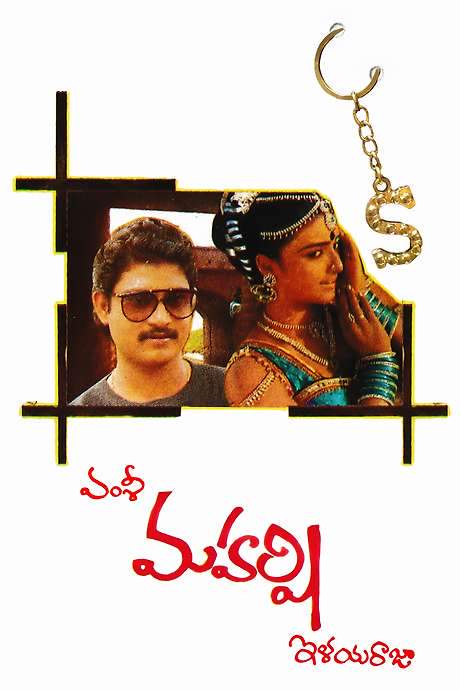
Maro Charitra (1978) movie poster

Plot Summary

Maro Charitra (1978) Plot Summary Explained

Release, runtime and language
1978 · 169 mins · Telugu
Loading streaming availability…
Directed by
K. Balachander
Starring
Kamal Haasan, Sarath Babu, Madhavi, Saritha, J.V. Ramana Murthi, S. K. Misro

A young man and a woman fall in love with each other. However, their parents decide to test their relationship by separating the couple for a year.

On this page (6)
  1. 1 Where to watch
  2. 2 What happens: full plot
  3. 3 Plot questions answered
  4. 4 Movie threads
  5. 5 Movies like Maro Charitra
  6. 6 Every angle
Loading streaming availability…

Full plot summary · contains spoilers

What Happens in Maro Charitra: Full Plot Summary

The whole story of Maro Charitra (1978) explained, from the opening scene to the final frame: every key event, every twist and what it all adds up to. Read it as a quick recap before the sequel, to check a scene you missed, or to finally understand what really happened.

Baloo is a happy, carefree young man from a Tamil family who shares a close upbringing with his neighbors in Visakhapatnam, where a cross-cultural romance begins to bloom with Swapna, a Telugu-speaking college student from a neighboring family. The streets of Vizag frame their story: an old, ruined building by a beautiful beach that bears two names on its crumbling walls—Baloo and Swapna—signaling the quiet persistence of their connection despite walls of language and tradition between their families.

From the moment Swapna thanks Baloo for striking up a friendship (even though he can’t yet speak her language), the film traces how two people from vastly different backgrounds navigate a growing affection. Baloo’s impulsive, lighthearted nature contrasts with the more orthodox expectations of his Tamil family, especially his father, whose friction with Swapna’s Telugu-speaking clan creates tension right at the doorstep of their budding romance. A playful misstep, a misinterpreted kiss, and a shift from friendship to love push the couple into a world where every encounter—with friends, with relatives, with curious onlookers—feels like a test.

The lovers steal moments at beaches, forts, waterfalls, and other scenic corners they explore together, each outing deepening their bond even as their families’ disapproval thickens. When a hotel lift becomes their stage for a public, if imperfect, declaration of love—Baloo sings a tender, broken Telugu ballad that draws amused stares from a crowded elevator—greatly personal moments collide with social scrutiny. The pressure from Swapna’s protective mother and Baloo’s stern father grows until it crystallizes into a stark ultimatum: the couple may marry only if they agree to live apart for one year, severing all contact.

With heavy hearts, Baloo leads Swapna into the year of separation. He moves to Hyderabad for work and, increasingly, a personal reinvention: under the guidance of a compassionate young widow, Sandhya, he learns Telugu more fluently and even takes up classical dance to cope with the distance from the woman he loves. Meanwhile, Swapna remains in Vizag, revisiting the places they cherished and confronting the memories with a fierce devotion. She retraces their painted names on the rocky coastline and grows more resolute, even as her mother tampers with the mementos that bind them—destroying a cassette and burning her only photograph of Baloo.

The year brings a painful echo of doubt. Swapna travels to Mangalore on a college trip, where a spy in the form of a cousin, Chakram, surfaces and sows confusion about Swapna’s future. Baloo, heartbreakingly misled, believes Swapna has moved on and, in a moment of hurt, accepts Sandhya as a prospective bride. It is only when Sandhya uncovers Baloo’s letters and learns the truth about Swapna’s fidelity that she makes a selfless choice: she travels to Vizag, meets Swapna, and sacrifices her own happiness to reunite the lovers. Her gesture shifts the arc from misfortune to a pathway back to each other and to the original vow—that the two must ultimately be allowed to unite after the separation period has run its course.

Despite this renewed sense of possibility, tragedy compounds the drama. Sandhya’s elder brother, furious and jealous, enlists a criminal associate to “make Baloo go away.” On the same fateful night, as Swapna heads to the beach to meet Baloo, a lecherous bookstore clerk—someone who had stalked Swapna earlier—becomes a direct threat. He tries to harm Swapna, then rapes her after she falls amid the chaos of his pursuit. The assault shatters the fragile equilibrium that had formed around their plans to finally be together.

The final scenes fuse heartbreak and resolve. Baloo and Swapna, battered yet undaunted, come to the same conclusion: they cannot imagine a life apart from one another. They join hands in shared pain and, in a moment of doomed romantic defiance, leap from a cliff together. The film closes on the image of two lovers choosing each other even as the world around them seems to pull them apart, a testament to a love that endures through language barriers, family pressures, and the darkest moments of circumstance.

In this sweeping emotional journey, the story remains grounded in the tangible details of everyday life—the laughter that accompanies first love, the practical hurdles of cross-cultural families, the ache of separation, the solace found in new loyalties, and the ultimate, tragic conviction that some bonds are too strong to break, even when fate seems to demand it. The film’s rhythm—alternating between intimate, quietly observed scenes and broader, more visceral confrontations—keeps the emotional core front and center, inviting viewers to feel the weight of the lovers’ choices and the consequences that follow, while never losing sight of the beauty of their connection.

Last updated: December 04, 2025 at 15:33

Was this helpful?

Plot questions answered

Maro Charitra Plot Explained: Your Questions Answered

The questions people ask most about Maro Charitra (1978): what happens in the confusing scenes, why the characters do what they do, the twists, hidden details and what the ending means. Each answer contains spoilers.

Q1

Why do the families separate Baloo and Swapna for one year?

The families agree to let Baloo and Swapna marry only on the condition that they live apart for one year without any contact. This test is meant to determine if their love is genuine and strong enough to withstand separation, or if it's merely a passing infatuation. The year-long separation is imposed as a trial period to prove their commitment before granting permission for their marriage.

Foreshadowing: Earlier in the film, both families express strong disapproval of the relationship due to the Tamil-Telugu cultural divide, setting up the ultimatum as a way to control their children's choices.

  • family opposition
  • cultural barrier
  • marriage test
  • one year separation
Q2

Why does Baloo learn Telugu and classical dance from Sandhya?

During his year in Hyderabad, Baloo befriends Sandhya, a young widow who becomes his teacher. He learns Telugu more fluently and takes up classical dance as a way to cope with the pain of being separated from Swapna. These activities serve as both a distraction and a form of self-improvement, allowing him to channel his longing into something productive while he waits for the separation period to end.

Foreshadowing: The film establishes early on that Baloo cannot speak Telugu, making his effort to learn the language a meaningful gesture that connects him more deeply to Swapna's heritage.

  • sandhya
  • learning telugu
  • classical dance
  • hyderabad
  • coping mechanism
Q3

Why does Baloo propose to Sandhya after the Mangalore incident?

While on a college trip to Mangalore, Swapna is followed by her cousin Chakram, who tries to arrange a marriage with her. When Baloo arrives in Mangalore for a job, Chakram lies to him about Swapna's marital status, falsely claiming she is already married. Believing Swapna has moved on and been unfaithful, a heartbroken Baloo proposes to Sandhya, who has shown him genuine kindness and companionship.

Foreshadowing: The film establishes Chakram as a spying figure who sows confusion, and his malicious intent becomes clear when he deliberately misrepresents Swapna's situation to Baloo.

  • mangalore
  • chakram
  • misunderstanding
  • proposal
  • sandhya
  • love triangle
Q4

Why does Sandhya sacrifice her own happiness to reunite Baloo and Swapna?

After Baloo proposes to her, Sandhya discovers the truth about his feelings by reading the unsent letters he wrote to Swapna every day during their separation. These letters reveal that Baloo's heart still belongs to Swapna, and his proposal to Sandhya was only a reaction to the false information about Swapna's supposed marriage. Touched by their genuine love, Sandhya travels to Vizag, cancels the wedding, and urges Baloo to reunite with Swapna after the one-year contract ends.

Foreshadowing: Sandhya is established as a compassionate widow who understands true love, making her sacrifice a natural extension of her character.

  • sandhya
  • sacrifice
  • reunion
  • unsent letters
  • cancellation
  • forgiveness
Q5

Who attacks Baloo when he returns to Visakhapatnam?

When Baloo returns to Vizag, he is attacked by criminal associates hired by Sandhya's elder brother. Sandhya's brother is furious and jealous that she cancelled her wedding to Baloo, so he enlists these criminals to harm Baloo and make him "go away." The attack leaves Baloo badly injured on the same night that Swapna heads to the beach to meet him.

Foreshadowing: The tension between Sandhya's family and Baloo builds when she chooses to help the lovers reunite, setting up the violent retaliation.

  • attack
  • criminals
  • sandhya brother
  • vizag
  • revenge
  • violence
Q6

Who attacks Swapna at the beach and what happens to her?

As Swapna heads to the beach to meet Baloo, she is pursued by a lecherous bookstore clerk who had previously stalked her and showed inappropriate photos of her to her mother. During the chase, Swapna falls from a balcony, and the clerk seizes the opportunity to assault her. The sexual attack shatters the fragile hope the couple had for reuniting after the year of separation.

Foreshadowing: The bookstore clerk's earlier inappropriate behavior and his interaction with Swapna's mother establish him as a persistent threat to her safety.

  • bookstore clerk
  • assault
  • beach
  • attack
  • sexual violence
  • cliff
Q7

Why do Baloo and Swapna jump off the cliff together?

After Baloo is left badly injured and Swapna has been assaulted, both lovers are emotionally shattered and see no way forward. The relentless obstacles, family opposition, the year of painful separation, the misunderstanding, the violence, and the assault, have broken them. In a final act of defiance and love, they join hands and leap from a cliff, choosing death over a life lived apart from each other.

Foreshadowing: The film foreshadows this tragic ending through the repeated imagery of the carved names on the wall and the theme of love that transcends all boundaries, even death.

  • cliff
  • jump
  • suicide
  • tragic ending
  • defiance
  • death
  • doomed romance
Q8

What is the significance of Baloo and Swapna's names carved on the wall?

The ruined building near Vizag beach where both their names are carved on the crumbling walls serves as a powerful symbol of their secret but enduring connection. This visible marker of their love appears in the opening of the film and reappears when Swapna retraces these memories during the year of separation, painting Baloo's name on her bedroom wall. The names represent the persistence of their love despite the walls of language, tradition, and family opposition that separate them.

Foreshadowing: The film opens with this image, establishing it as a central motif that recurs throughout the narrative, building toward the tragic conclusion.

  • names carved
  • wall
  • vizag beach
  • symbolism
  • memories
  • love symbol
Q9

Why does Swapna's mother destroy the cassette and burn Baloo's photo?

During the year of separation, Swapna's mother actively tries to erase Baloo from her daughter's memory and life. She destroys the cassette that Baloo gave Swapna (containing his love song) and burns the only photograph Swapna has of him. These acts represent the mother's desperate attempt to force Swapna to move on and accept the family's wishes, viewing these mementos as obstacles to her daughter's obedience.

Foreshadowing: The mother's destructive actions occur after the families impose the one-year separation test, showing her commitment to preventing the relationship.

  • mother
  • cassette
  • photo
  • destruction
  • mementos
  • family opposition
Q10

What is the purpose of the Mangalore trip in the story?

The Mangalore college trip serves as the catalyst for the crucial misunderstanding that nearly destroys Baloo and Swapna's relationship. During this trip, Swapna is followed by her cousin Chakram, who attempts to arrange a marriage with her. When Baloo arrives in Mangalore for a job opportunity, Chakram deliberately lies about Swapna's marital status. This misinformation leads Baloo to believe Swapna has been unfaithful, causing him to propose to Sandhya out of heartbreak.

Foreshadowing: Chakram is introduced earlier as a spying figure who creates confusion, making his role in Mangalore a continuation of his disruptive influence.

  • mangalore
  • college trip
  • chakram
  • misunderstanding
  • lie
  • confusion

Movie threads

More Movies Like Maro Charitra, by Mood & Story

Curated lists built around what makes Maro Charitra tick: the same mood, the same kind of story or the same emotional payoff. Each list explains why these movies belong together.

Tragic Love Stories Like Maro Charitra

Passionate love stories destined for a heartbreaking, bleak ending. If the heartbreaking, doomed romance of Maro Charitra resonated with you, explore these movies with similar tales of passionate love thwarted by fate and opposition. These films share a melancholic tone, heavy emotional weight, and devastatingly bleak conclusions for their star-crossed lovers.

  • tragic romance
  • heartbreaking
  • doomed love
  • melancholic
  • oppressive
  • poignant
  • Tone: melancholic, bleak, tragic
  • Pacing: steady, building to climax
Why these movies?

The story pattern: The narrative pattern follows a couple's deep, often instant, connection that is immediately challenged by immense obstacles. The story steadily escalates the conflict, pitting pure love against insurmountable external pressures, culminating in a tragic ending—often involving sacrifice, separation, or death—that solidifies the feeling of doomed fate.

Why they belong together: Movies in this thread are united by their core focus on a romantic relationship that is beautiful yet fated to fail. They share a melancholic and oppressive mood, a steady pacing that builds dread, and an emotional journey that prioritizes the tragedy of love lost over a hopeful resolution.

Emotionally Heavy Dramas Similar to Maro Charitra

Character-driven stories saturated with sadness and a sense of inevitable tragedy. For viewers who appreciated the profound sadness and melancholic mood of Maro Charitra, this collection features dramas with similar emotional intensity. These movies explore themes of sacrifice, despair, and tragic fate, delivering a powerful, somber experience with a steady, character-centric pacing.

  • melancholic
  • heartbreaking
  • poignant
  • tragic
  • somber
  • heavy
  • Tone: melancholic, poignant, bleak
  • Pacing: steady, deliberate
Why these movies?

The story pattern: These stories typically follow a linear but emotionally complex path, where characters face escalating hardships with little reprieve. The pacing is steady, allowing the weight of the circumstances to settle on both the characters and the audience. The journey is less about plot twists and more about the inevitable emotional collapse, often ending on a note of profound sadness.

Why they belong together: This thread groups films based on their dominant melancholic tone and the heavy emotional impact they produce. They share a lack of humor, a focus on human suffering, and a pacing that lets the tragedy unfold with grim inevitability, creating a cohesive vibe of solemn, heartfelt drama.

If you liked this

Movies Like Maro Charitra

Similar movies to Maro Charitra: the same genre, themes or kind of story. Each one comes with its own plot summary, timeline and ending explained.

Browse all movie summaries

Every angle

Maro Charitra (1978) Explained: Plot, Timeline & Characters

Everything about Maro Charitra in one place: what happens in the plot summary, the timeline in chronological order, the characters and meaning and a spoiler-free summary. What's After the Movie adds the cast, box office and post-credit scenes.

Coming soon on iOS and Android

The Plot Explained Movie Summary App

Plot summaries, endings explained and timelines on your phone. Catch up on any movie in minutes, save your favorites and never miss a twist again.

Be the first to know when we launch. Your email stays private, always.

Learn more about the app