Plot Explained Spoilers guaranteed!
Plot Explained

Browse by genre

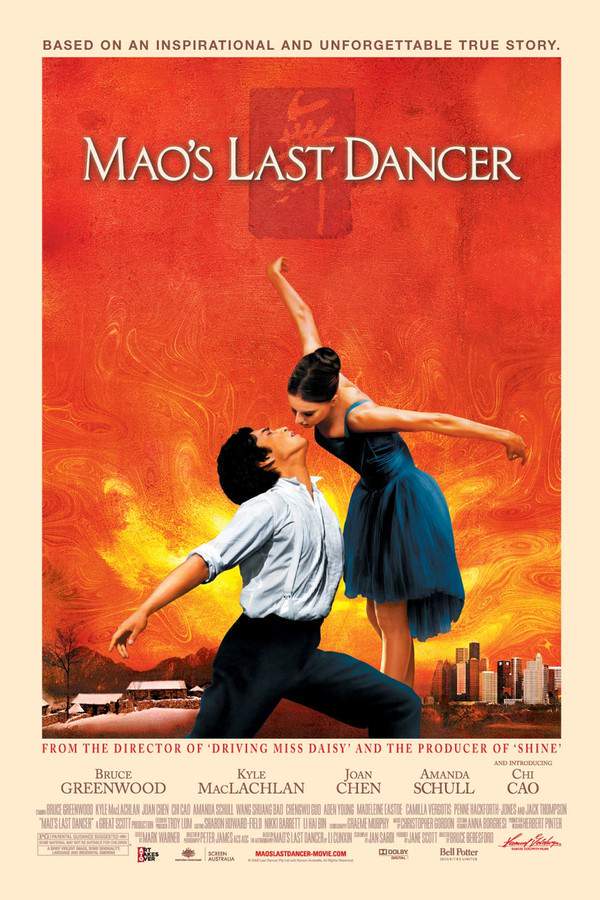
Mao’s Last Dancer (2009) movie poster

Characters & Themes

Mao’s Last Dancer (2009) Characters, Setting & Themes Explained

Release, runtime and language
2009 · 117 mins · English
Loading streaming availability…
Directed by
Bruce Beresford
Starring
Joan Chen, Kyle MacLachlan, Bruce Greenwood, Jack Thompson, Barbara Bush, Aden Young

At 11, Li, a boy from a poor Chinese village, is selected by Madame Mao’s cultural program and taken to Beijing to train as a ballet dancer. After years of rigorous study, he joins a 1979 cultural exchange in Texas, where he falls for an American woman. Two years later he defects, eventually becoming a principal dancer with the Houston Ballet and later a principal artist with the Australian Ballet, fulfilling his dream of artistic freedom.

On this page (8)
  1. 1 Where to watch
  2. 2 Characters explained (10)
  3. 3 Where & when it takes place
  4. 4 Themes & meaning (3)
  5. 5 Character & meaning questions
  6. 6 Movie threads
  7. 7 Movies like Mao’s Last Dancer
  8. 8 Every angle
Loading streaming availability…

10 main characters · contains spoilers

Mao’s Last Dancer Characters Explained: Who Is Who

The main characters of Mao’s Last Dancer (2009), heroes and villains: what drives them, how they change over the course of the story and what each of them reveals about the film's bigger ideas.

  • Li Cunxin (Chi Cao)

    A Chinese ballet prodigy whose extraordinary talent propels him from a rural village to the Madame Mao Dance Academy and eventually to the Houston Ballet. His drive to pursue dance is tempered by political constraints and personal longing for family. He embodies resilience, discipline, and a willingness to defy expectations for his art.

    • 🎭 Prodigy
    • 🧭 Identity
    • 🌐 Transcultural journey
  • Li Cunxin - teen (Chengwu Guo)

    The teenage Li Cunxin begins to show exceptional potential under challenging training conditions. His evolving passion for ballet clashes with the political environment, foreshadowing the international path his life will take. The character captures the early struggle between duty and dream.

    • 🧒 Young talent
    • 🎯 Focus
    • 🌏 Global ambitions
  • Elizabeth Mackey

    played by Amanda Schull

    An aspiring American dancer who forms a deep bond with Li. Their romance becomes a focal point of Li’s conflict between staying in the United States to pursue dance and honoring his obligations to family and country. Elizabeth’s influence represents personal freedom and the costs of pursuing love across borders.

    • 💑 Love
    • 🎭 Ballet
    • 🌍 Cross-cultural bond
  • Ben Stevenson

    played by Bruce Greenwood

    The English ballet director who recognizes Li’s star power and sponsors his US training. He acts as mentor and advocate, pushing Li toward opportunities he might not have earned within China alone. His mentorship catalyzes Li’s international career.

    • 🎓 Mentor
    • 🧭 Opportunity
    • 🩰 Ballet leadership
  • Mary McKendry

    played by Camilla Vergotis

    An Australian ballerina who becomes Li’s partner. Her presence anchors Li’s life in Australia and adds personal balance to his professional ascent. Their collaboration on stage and in life highlights a global ballet community.

    • 💍 Partner
    • 🩰 Ballet
    • 🌏 International life
  • Charles Foster

    played by Kyle MacLachlan

    A Houston-based immigration attorney who guides Li through residency and citizenship questions. He provides crucial legal support in Li’s decision to build a life abroad while maintaining ties to his homeland. His involvement underscores the real-world stakes behind Li’s artistic dream.

    • ⚖️ Legal ally
    • 🧭 Immigration
    • 🏛️ Houston
  • US Federal Judge

    played by Jack Thompson

    A legal authority involved in the consulate incident that tests Li’s ability to stay in the United States. The character represents the governmental power shaping Li’s fate during the crisis. The scenes emphasize the intersection of law, politics, and personal rights.

    • ⚖️ Judicial figure
    • 🕊️ Rights
    • 🗺️ US-China relations
  • Mao Zedong

    Archive footage of the Chinese leader anchors the film in its historical backdrop. His presence signals the Cultural Revolution’s reach and the ideological climate that drives the characters' choices. The archival portrayal frames the political pressures Li faces.

    • 🧭 Historical figure
    • 🏛️ Ideology
    • 📽️ Archival
  • Barbara Bush

    Archive footage of the First Lady appears in the narrative, reinforcing the film’s international, political landscape. Her inclusion situates Li’s story within a broader social context. The footage provides a sense of continuity with global events of the era.

    • 🎥 Archive
    • 🗺️ Global context
    • 🕊️ Diplomacy
  • George H. W. Bush

    Archive footage of the future US President appears, underscoring the US-China diplomatic environment surrounding Li’s life. His presence signals how political figures intersect with personal stories in the era. It anchors the time-specific world Li navigates.

    • 🎬 Archive
    • 🗺️ Diplomatic context
    • 🕊️ Global politics

Last updated: October 04, 2025 at 19:45

Was this helpful?

Setting

Where and When Does Mao’s Last Dancer Take Place?

The setting of Mao’s Last Dancer (2009): the year and time period, the places and locations, and how they shape the characters, the mood and the tension of the story.

Time period

Late 1960s – early 1970s

Set during China's Cultural Revolution, the film shows a society where art and ideology intertwine and personal choices are constrained by political mandates. The timeline follows Li from rigid early training to international exchange, and then to a period of reflection and return. The latter portion covers Li’s life years after the initial upheaval, culminating in reconciliation with his roots.

Location

Shandong Province (rural village), Qingdao, Beijing, Houston, Florida, Australia

The story begins in a rural Shandong Province village, where Li Cunxin is destined for field labor before talent opens a path to elite dance training. The journey takes him from Qingdao to Beijing for Madame Mao's Dance Academy, then across the Pacific to Houston, Texas. Later, the narrative moves to Florida and finally Australia, highlighting Li’s global ballet career and family life.

  • 🏞️ Rural China
  • 🏙️ Urban centers
  • 🌍 International ballet scene

Last updated: October 04, 2025 at 19:45

Was this helpful?

3 major themes

Mao’s Last Dancer Meaning: Themes & Message Explained

What is Mao’s Last Dancer (2009) really about? The emotional, social and philosophical themes the film keeps returning to, its symbolism and the message beneath the surface.

  • Art vs Politics

    The film explores how artistic pursuit challenges state-imposed norms. Li’s dedication to ballet clashes with the political requirements of Madame Mao’s era, highlighting the tension between personal expression and collective ideology. The narrative treats art as a form of resilience in restricted times.

  • Cross-Cultural Exchange

    Li’s move from China to the United States exposes him to different cultures and training methods. The story examines how exposure to Western ballet broadens his worldview and influences his sense of identity. It also shows how foreign opportunities reshape national and personal loyalties.

  • Love and Sacrifice

    Romantic and familial ties are tested by political and professional pressures. Li’s relationship with Elizabeth Mackey and his separation from his family illustrate the costs of following a dream abroad. The narrative centers on sacrifice for art, duty, and loved ones.

Last updated: October 04, 2025 at 19:45

Was this helpful?

Character & theme questions

Mao’s Last Dancer Characters & Meaning: Your Questions Answered

The questions people ask about Mao’s Last Dancer (2009): who the characters really are, their relationships, what the symbols mean, where it takes place and what the movie is really about. Each answer contains spoilers.

Q1

Where does the movie take place?

The story begins in a rural Shandong Province village, then moves to Beijing for elite dance training at Madame Mao's Dance Academy. Li's journey then takes him internationally to Houston, Texas, and later to Florida and Australia, where he builds his professional ballet career.

  • shandong
  • beijing
  • houston
  • texas
  • australia
  • locations
  • setting
Q2

When is the movie set?

The film is set during the late 1960s through the early 1970s, spanning China's Cultural Revolution period. This era shapes the political constraints and ideological pressures that Li Cunxin faces as he pursues ballet.

  • cultural revolution
  • 1960s
  • 1970s
  • time period
  • historical context
  • china
Q3

What are the main themes?

The film explores three major themes: Art vs Politics, examining how artistic expression clashes with state-imposed ideology; Cross-Cultural Exchange, showing how exposure to Western culture reshapes identity and loyalty; and Love and Sacrifice, depicting the personal costs of pursuing artistic dreams abroad.

  • themes
  • art vs politics
  • cultural exchange
  • love and sacrifice
  • meaning
Q4

How does the film portray art versus politics?

Li's dedication to ballet directly challenges the political requirements of Madame Mao's Cultural Revolution. The narrative shows art as a form of resilience and personal expression in a time when creative pursuits were tightly controlled by ideological mandates.

  • madame mao
  • ballet
  • art
  • politics
  • cultural revolution
  • artistic freedom
Q5

What does cross-cultural exchange represent in the story?

Li's move from China to the United States exposes him to different training methods and broader perspectives. This exposure fundamentally transforms his worldview, challenging his previous understanding of national identity and personal loyalty while opening new artistic possibilities.

  • cross-cultural
  • identity
  • china
  • united states
  • western culture
  • transformation
Q6

Who is Li Cunxin?

Li Cunxin is a Chinese ballet prodigy from a poor rural Shandong village whose exceptional talent propels him from field labor to the Madame Mao Dance Academy and eventually to the Houston Ballet. His journey embodies resilience, discipline, and the pursuit of artistic freedom against political constraints.

  • li cunxin
  • protagonist
  • ballet dancer
  • main character
  • background
Q7

Who is Elizabeth Mackey?

Elizabeth Mackey is an American dancer who becomes romantically involved with Li during his cultural exchange in Texas. Her relationship with Li represents the tension between personal freedom and family obligations, as their romance complicates Li's decision to stay in the United States or return to China.

  • elizabeth mackey
  • romance
  • love interest
  • american dancer
  • relationship
Q8

Who is Ben Stevenson?

Ben Stevenson is an English ballet director who recognizes Li's extraordinary talent and sponsors his training in the United States. As a mentor, he advocates for Li's potential and catalyzes the dancer's international career trajectory.

  • ben stevenson
  • mentor
  • ballet director
  • houston ballet
  • sponsorship
Q9

What historical context does the movie depict?

The film is anchored in China's Cultural Revolution, a period when art and ideology were tightly intertwined. Personal choices were constrained by political mandates, and artistic expression served state propaganda purposes, creating the tension that drives Li's internal conflict.

  • cultural revolution
  • mao
  • historical
  • china
  • political context
  • ideology
Q10

What is Li Cunxin's background before becoming a dancer?

Li Cunxin begins as a boy from a poor rural village in Shandong Province, destined for field labor before his exceptional talent is discovered. He is selected by Madame Mao's cultural program and taken to Beijing for rigorous elite dance training, fundamentally changing his life's trajectory.

  • shandong village
  • rural china
  • childhood
  • dance academy
  • origins
Q11

What does the film say about ballet as a career?

The narrative presents ballet as both a path to personal freedom and a demanding discipline requiring years of sacrifice. Li's journey shows how ballet becomes his means of escaping political constraints while also demanding tremendous personal cost in terms of family separation and cultural displacement.

  • ballet
  • dance career
  • artistic freedom
  • discipline
  • professional dancer

Movie threads

More Movies Like Mao’s Last Dancer, by Mood & Story

Curated lists built around what makes Mao’s Last Dancer tick: the same mood, the same kind of story or the same emotional payoff. Each list explains why these movies belong together.

Against-the-Odds Triumphs like in Mao’s Last Dancer

Inspiring true stories of individuals overcoming immense obstacles to achieve their dreams. Discover movies like Mao’s Last Dancer that feature true stories of incredible personal triumph. If you enjoyed Li Cunxin's journey from oppression to artistic freedom, you'll appreciate these inspiring dramas about individuals overcoming enormous odds to achieve their dreams.

  • inspiring
  • triumphant
  • emotional
  • hopeful
  • dramatic
  • uplifting
  • Tone: hopeful, inspiring, triumphant
  • Pacing: steady, chronological
Why these movies?

The story pattern: Stories in this thread typically follow a linear biographical path, beginning with a protagonist facing significant limitation or oppression. Through a combination of unique talent, unexpected opportunity, and sheer willpower, they embark on a difficult journey that culminates in a public or personal victory, affirming the power of the human spirit.

Why they belong together: These movies are grouped by their shared core of inspiration derived from true events. They balance serious themes of struggle with an ultimately hopeful and triumphant tone, creating a powerful and emotionally satisfying viewing experience centered on real-world achievement.
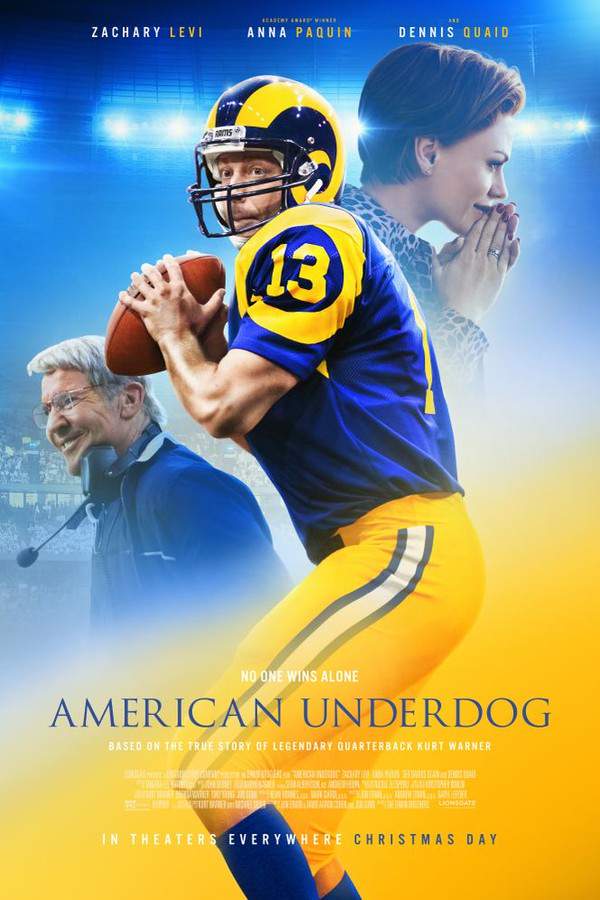
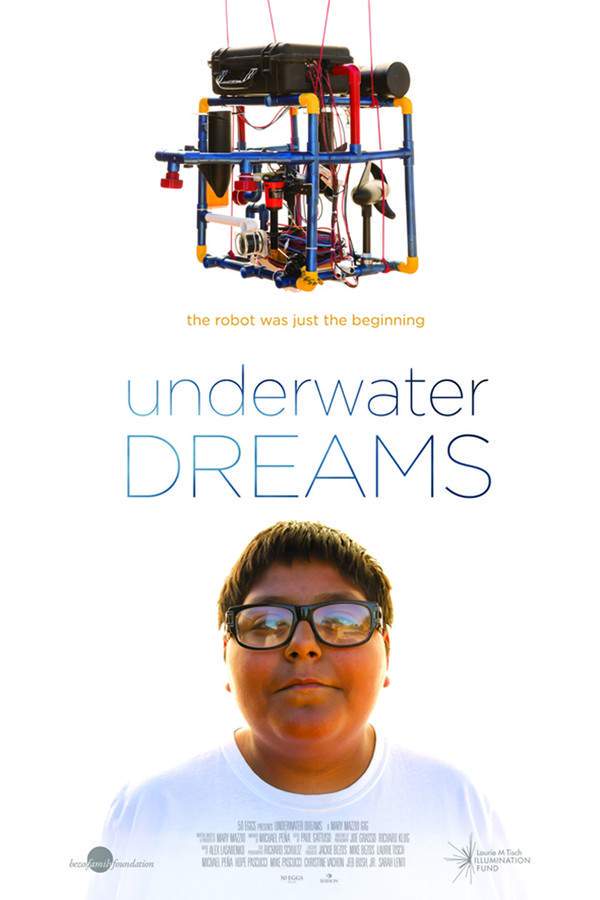
Artistic Defection Dramas similar to Mao’s Last Dancer

Intense personal dramas where artists risk everything for creative and political liberty. Find films similar to Mao’s Last Dancer that explore the theme of artistic defection. These dramas focus on performers and creators who make the heart-wrenching choice to leave their homeland for artistic freedom, blending political tension with powerful personal stories.

  • tense
  • liberating
  • melancholic
  • emotional
  • political
  • artistic
  • Tone: tense, hopeful, melancholic
  • Pacing: steady, character-driven
Why these movies?

The story pattern: The narrative pattern involves an artist mastering their craft within a system that both trains and controls them. A pivotal moment abroad exposes them to artistic and personal freedom, creating an intense internal and external conflict. The story builds towards a high-stakes defection or escape, exploring the complex aftermath of choosing art over country and family.

Why they belong together: Movies are grouped here for their specific focus on the artist's dilemma under oppression. They share a mix of stunning artistic performance, tense political thriller elements, and deep emotional weight stemming from the sacrifices made for creative expression.

If you liked this

Movies Like Mao’s Last Dancer

Similar movies to Mao’s Last Dancer: the same genre, themes or kind of story. Each one comes with its own plot summary, timeline and ending explained.

Browse all movie summaries

Every angle

Mao’s Last Dancer (2009) Explained: Plot, Timeline & Characters

Everything about Mao’s Last Dancer in one place: what happens in the plot summary, the timeline in chronological order, the characters and meaning and a spoiler-free summary. What's After the Movie adds the cast, box office and post-credit scenes.

Coming soon on iOS and Android

The Plot Explained Movie Summary App

Plot summaries, endings explained and timelines on your phone. Catch up on any movie in minutes, save your favorites and never miss a twist again.

Be the first to know when we launch. Your email stays private, always.

Learn more about the app