Year: 1952
Runtime: 98 mins
Language: English
Director: Lewis Seiler
For anyone who plays for the love of the game and for anyone who has ever felt the thrill of love, this film offers heart‑warming warmth and excitement. Poor health and alcoholism drive Hall of Fame pitcher Grover Cleveland Alexander out of baseball, yet his devoted wife’s support gives him a chance at a comeback and redemption.
Warning: spoilers below!
Haven’t seen The Winning Team yet? This summary contains major spoilers. Bookmark the page, watch the movie, and come back for the full breakdown. If you're ready, scroll on and relive the story!
Read the complete plot breakdown of The Winning Team (1952), including all key story events, major twists, and the ending explained in detail. Discover what really happened—and what it all means.
Grover Cleveland Alexander, portrayed by Ronald Reagan, starts his journey as a humble telephone lineman in Elba, Nebraska. His life takes a dramatic turn when he becomes involved in a local exhibition baseball game, where his exceptional pitching skills shine. Despite being initially reluctant, Grover impresses everyone by striking out all opponents in the game, leading to whispers about his natural talent on the mound. His talent catches the eye of a team manager, setting him on a path to professional baseball.
Meanwhile, his fiancée, Doris Day, who plays Aimee Alexander, is concerned about their future. Her father, who favors farming over baseball, doubts Grover’s priorities and is wary of their relationship. He even offers to help buy her a farm, fueling some disagreements between Aimee and her father. Despite these obstacles, Aimee remains supportive of Grover, and the couple attends a church meeting where Grover’s pitching skills unexpectedly come back into focus.
While at the church, Grover is approached by a man who turns out to be his opponent’s team manager. The manager challenges Grover’s abilities, prompting him to demonstrate his pitching talent again. Recognizing Grover’s potential, the manager offers him a modest contract, which he accepts. Grover begins playing for the Galesburg Boosters, and his dedication is evident as he regularly sends home a baseball card with his picture and money, with hopes of purchasing a farm for himself and Aimee.
His career faces a significant setback when, during a game, Grover is hit in the head by a thrown ball, leading to a serious injury that ends his 1909 season prematurely. During the off-season, with enough savings, Grover plans to buy the farm and marry Aimee. Upon returning to farm life, he injures his eyes while practicing, causing him to see double and affecting his ability to play. Despite this, he eventually regains perfect eyesight, allowing him to return to baseball in 1910 with remarkable success, going 29-11 for the Syracuse Stars.
His impressive performance attracts the attention of Major League teams, and he is sold to the Philadelphia Phillies. Grover makes an outstanding debut on April 15, 1911, pitching five innings of no-hit, no-run baseball. His skill on the mound makes him a rising star, especially after a notable encounter with Rogers Hornsby, where Grover’s strategic pitching outshines even seasoned players.
World War I interrupts Grover’s career when he serves as a sergeant in France, exposed to mustard gas and a shell explosion that causes partial hearing loss and epileptic seizures. Despite these health challenges, he returns to baseball in 1919, but his career increasingly struggles with health issues. In 1920, while playing for the Cubs, he wins the prestigious pitching Triple Crown but then faces setbacks, including a return of his hearing problems and seizure episodes during games, which lead to visits to the sidelines and hospital stays.
Grover’s personal life is troubled by his drinking problem, which becomes public after he is seen inebriated at a bar. This, coupled with his declining performance, results in his transfer to less prominent teams, including the House of David. Throughout this tumultuous period, his wife Aimee strives to support him, ultimately discovering where he has been performing as a “question-answering” baseball entertainer at circuses.
With her encouragement, and through the efforts of his friend Rogers Hornsby, Grover receives an opportunity to pitch again with the St. Louis Cardinals. His return to baseball is marked by success, notably during the 1926 World Series when he pitches crucial games that lead the Cardinals to victory. During this series, a poignant moment unfolds when Aimee, unaware that Grover is called to pitch, races against time to reach the stadium. Her arrival just before the final innings underscores her role as his source of strength.
In the decisive seventh game, Grover faces intense pressure when brought in to pitched with the bases loaded. His resilience, reinforced by Aimee’s presence in the stands, culminates in a victorious run for the Cardinals, securing their championship win. Throughout the film, Grover Cleveland Alexander’s journey is portrayed as one of incredible talent, resilience in the face of health and personal struggles, and enduring love with Aimee, all woven into a compelling story of baseball greatness and personal perseverance.
Last Updated: August 19, 2025 at 05:16
Discover curated groups of movies connected by mood, themes, and story style. Browse collections built around emotion, atmosphere, and narrative focus to easily find films that match what you feel like watching right now.
Inspiring true stories of famous figures overcoming personal and professional struggles.Discover movies like The Winning Team that dramatize the true stories of famous athletes, artists, and innovators. If you enjoyed this story of Grover Cleveland Alexander's comeback, you'll find similar uplifting narratives about overcoming adversity and achieving greatness against the odds.
These narratives typically follow a linear, chronological rise-fall-redemption arc. The protagonist achieves early success, faces a devastating crisis that threatens their career or well-being, and through perseverance and support, achieves a comeback that solidifies their legacy.
Movies in this thread are grouped by their shared focus on real-life inspiration, a steady biographical pacing, and a core theme of overcoming adversity. They deliver a consistently hopeful tone and culminate in a satisfying, triumphant conclusion that celebrates human resilience.
Stories where a devoted partner's support helps a character overcome their darkest hour.Find movies similar to The Winning Team where a central, supportive relationship is the key to a character's redemption. If you liked the story of Aimee Alexander's unwavering support for Grover, explore other films about marriage and devotion helping characters overcome addiction, illness, or failure.
The plot revolves around a character brought low by personal demons or circumstances. The conflict is internal as much as external. The turning point comes not from a solitary effort, but from the intervention and enduring support of a loved one, leading to a recovery that reaffirms the power of connection.
These films share a specific emotional dynamic: a medium emotional weight balanced by a strong, hopeful romance. They explore serious themes like addiction or illness but frame them through the lens of supportive partnership, resulting in a feel-good, uplifting experience rather than a heavy drama.
Don't stop at just watching — explore The Winning Team in full detail. From the complete plot summary and scene-by-scene timeline to character breakdowns, thematic analysis, and a deep dive into the ending — every page helps you truly understand what The Winning Team is all about. Plus, discover what's next after the movie.
Track the full timeline of The Winning Team with every major event arranged chronologically. Perfect for decoding non-linear storytelling, flashbacks, or parallel narratives with a clear scene-by-scene breakdown.
Discover the characters, locations, and core themes that shape The Winning Team. Get insights into symbolic elements, setting significance, and deeper narrative meaning — ideal for thematic analysis and movie breakdowns.
Get a quick, spoiler-free overview of The Winning Team that covers the main plot points and key details without revealing any major twists or spoilers. Perfect for those who want to know what to expect before diving in.
Visit What's After the Movie to explore more about The Winning Team: box office results, cast and crew info, production details, post-credit scenes, and external links — all in one place for movie fans and researchers.
Discover movies like The Winning Team that share similar genres, themes, and storytelling elements. Whether you’re drawn to the atmosphere, character arcs, or plot structure, these curated recommendations will help you explore more films you’ll love.
The Winning Team (1952) Scene-by-Scene Movie Timeline
The Winning Team (1952) Movie Characters, Themes & Settings
The Winning Team (1952) Spoiler-Free Summary & Key Flow
Movies Like The Winning Team – Similar Titles You’ll Enjoy
For Love of the Game (1999) Story Summary & Characters
The Winning Season (2010) Complete Plot Breakdown
The Natural (1984) Full Summary & Key Details
Winning (1969) Ending Explained & Film Insights
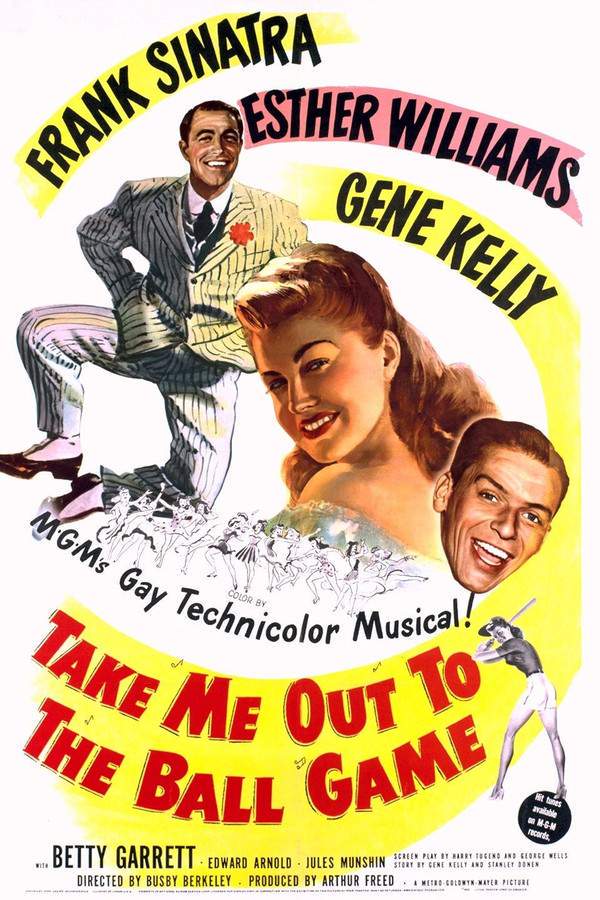
Take Me Out to the Ball Game (1949) Full Summary & Key Details
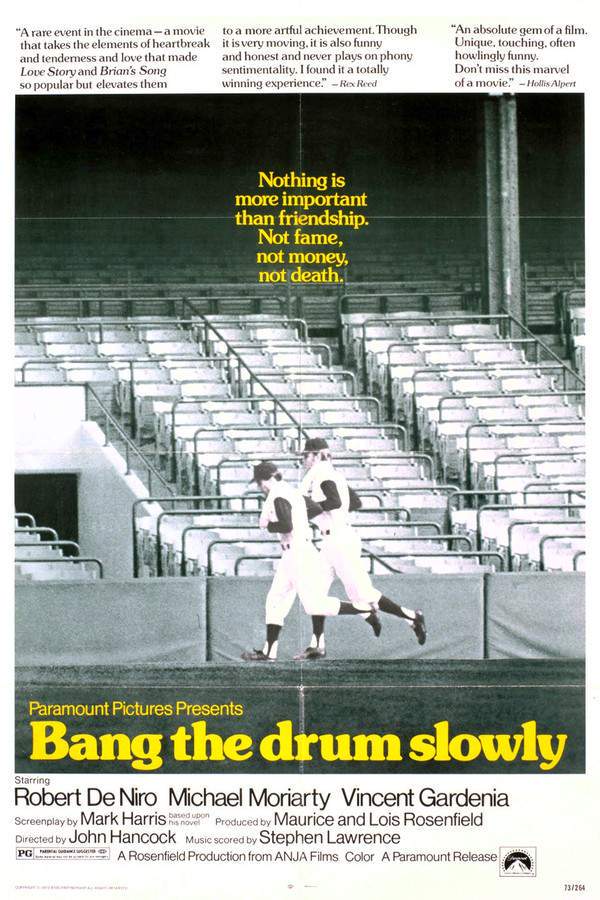
Bang the Drum Slowly (1973) Ending Explained & Film Insights
Home Run (2013) Full Summary & Key Details
The Winning Season (2004) Complete Plot Breakdown
A Winner Never Quits (1986) Full Movie Breakdown
Worth Winning (1989) Plot Summary & Ending Explained
Quiet Victory: The Charlie Wedemeyer Story (1988) Complete Plot Breakdown
The Guy Who Came Back (1951) Full Summary & Key Details
The Pride of the Yankees (1942) Ending Explained & Film Insights
Winner Take All (1932) Movie Recap & Themes
Our Winning Season (1978) Plot Summary & Ending Explained