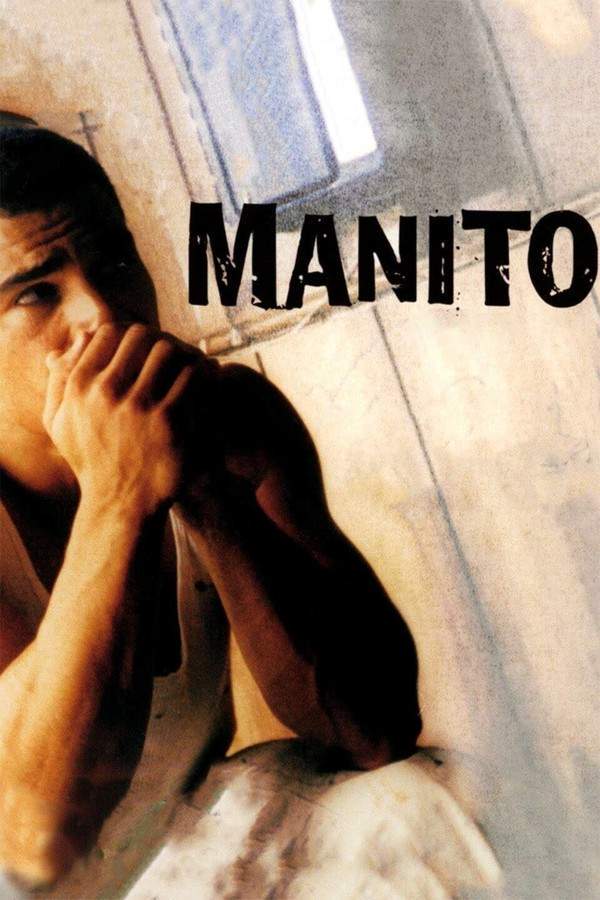
Manito is set against the backdrop of a changing inner city that was once a neighborhood filled with thugs, drugs, poverty, and violence and dubbed the cocaine capital of the United States. It follows two brothers Junior Moreno, Franky G, an ex-convict trying to rebuild his life, and Manny Moreno, Leo Minaya, the salutatorian of his high school class. Even as dealers fade away, a brutal shadow lingers over the block, shaping choices and testing loyalties.
The day opens with Manny’s graduation morning, a whirlwind of overlapping conversations and tangled plans that pull in many directions. Senior energy and protectiveness tether Junior to his long-suffering wife Miriam and to the Mexican foreman who keeps his half-legal home-plastering gig going. Manny’s world shines with promise: he’s the beloved younger brother, the grandson who looks up to a future bright with a full scholarship to Syracuse University, and the pride of a family that has endured more than its share of hardship. The narrative makes clear that the father Oscar—absent for most of their lives after a history of crime—has become a volatile memory, ostracized by the community and the family alike.
As Manny’s celebration unfolds, a moment of romance breaks through the noise. Manny escorts home his date, Marisol, Jessica Morales, a gorgeous single-mom who embodies both warmth and strength. Their budding courtship is briefly undeniable until danger intrudes on the train platform and the street outside. On the subway, two punch-drunk thugs derail the party’s happy pace, turning a night of celebration into a high-stakes chase. When fear spikes, Marisol reaches for a weapon—a mace—and the two teenagers sprint for safety, their nerves frayed but their bond strengthened by shared peril.
The morning after brings a harsher reality: Manny is in jail for shooting an attacker who lies in a coma, while the second assailant remains at large. Junior, who has faced his own dangerous crossroads, understands that Manny’s chance to survive behind bars is slim, particularly as he’s swiftly transferred to the brutal confines of Rikers Island. The family’s plan to secure bail money and a competent lawyer falters, and a sense of creeping despair settles in as the clock ticks and options narrow.
In a bid to salvage something from the wreckage, Junior reaches out to Oscar, their father, hoping for a rescue that never truly comes. The reunion is tense and haunting, a painful confrontation that exposes old wounds and pushes the family toward a critical impasse. The encounter leaves them staring at a future that feels darker and more fragile, underscoring how a neighborhood’s violent past can still dictate the terms of today and threaten the possibility of a different, better life.
The film remains steadfast in presenting a portrait of resilience amid danger, loyalty amid betrayal, and hope fighting a long battle against the gravity of systemic poverty and crime. It is a story about brothers who love each other, about a community trying to reinvent itself, and about how quickly a moment of celebration can tilt toward crisis when past sins and present pressures collide. Through its tense sequences, intimate character moments, and a stark depiction of urban life, the movie invites viewers to weigh the costs of choices made in the heat of circumstance and to consider what it takes to break free from a history that refuses to stay underground.
> "for protection."