Plot Explained Spoilers guaranteed!
Plot Explained

Browse by genre

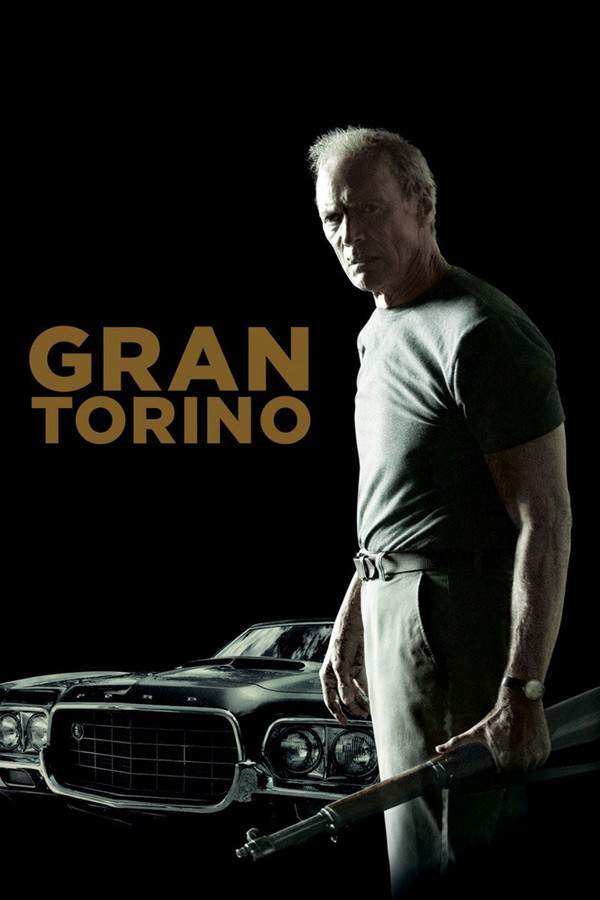
Gran Torino (2008) movie poster

Plot Summary

Gran Torino (2008) Plot Summary Explained

Release, runtime and language
2008 · 116 min · English
Starring
Clint Eastwood, Bee Vang
Budget
$33M

Following his wife's death, grumpy Korean War veteran Walt Kowalski finds his peaceful existence disturbed when young Hmong men attempt to steal his beloved 1972 Gran Torino. Determined to protect his prized possession, Walt confronts the gang, unexpectedly forging a connection with one of the boys, Dao. This unlikely friendship blossoms into a transformative experience for both Walt and Dao’s family, challenging his prejudices and leading to a profound sense of belonging.

On this page (6)
  1. 1 Where to watch
  2. 2 What happens: full plot
  3. 3 Plot questions answered
  4. 4 Movie threads
  5. 5 Movies like Gran Torino
  6. 6 Every angle

Where to watch

Where to Watch Gran Torino (2008)

Where can you watch Gran Torino? Stream, rent or buy it in the US, including on Amazon Video, Apple TV Store and Fandango At Home: current JustWatch availability with up-to-date prices.

Streaming availability powered by JustWatch

Full plot summary · contains spoilers

What Happens in Gran Torino: Full Plot Summary

The whole story of Gran Torino (2008) explained, from the opening scene to the final frame: every key event, every twist and what it all adds up to. Read it as a quick recap before the sequel, to check a scene you missed, or to finally understand what really happened.

Walt Kowalski, portrayed by Clint Eastwood, is a gruff and cantankerous retired factory worker and war veteran, who recently lost his beloved wife Dorothy after a 50-year marriage. Struggling with grief, he lives alone in his once-thriving Highland Park neighborhood in Detroit, now overrun by poor Asian immigrants and rampant gang violence. Despite the deteriorating surroundings, Walt's home remains meticulously maintained, a stark contrast to the rest of the area.

His emotional detachment extends to his family, which includes two sons, Mitch and Steve. Both men, burdened with the belief that they can never impress their father, lead relatively normal lives while feeling the weight of Walt's disappointment. Tensions flare when Walt criticizes his grandchildren, Ashley and Josh, for their disrespectful behavior at Dorothy's funeral. When Mitch suggests that Walt moves to a retirement community, he outright refuses, sensing their ulterior motives for his possessions, including his prized Gran Torino and treasured jewelry.

Adding to Walt's struggles is his declining health; he suffers from severe coughing fits while refusing to admit his condition to anyone, even as his cough worsens and blood appears. Though a young priest, Father Janovic attempts to offer comfort, Walt calls him a “27-year-old over-educated virgin” and dismisses the notion of confessing, proclaiming he only attended church to please Dorothy.

Things take a turn when Walt encounters his new Hmong neighbors, particularly when he catches Thao Vang Lor, played by Bee Vang, trying to steal his Gran Torino as part of a gang initiation. Ready to take matters into his own hands, Walt brandishes his rifle but ultimately decides to spare Thao. This act of unexpected leniency earns him respect from the Hmong community when he later defends Thao from gang members with his rifle, prompting the neighbors to thank him with gifts.

Backed by his family, Thao's mother insists he work for Walt to repay his wrongdoing, allowing the two to forge a relationship built on respect. Sue, Thao's sister, introduces Walt to her culture, shedding light on the Hmong's traditions and values. Grudgingly, Walt begins to mentor Thao, setting him up with a job while earning Sue's gratitude when he protects her from menacing gangsters. At a family gathering, Walt learns about the Hmong belief regarding the soul and realizes the warmth missing in his own family relationships.

However, Walt's health continues to decline, and he's soon confronted with a grim diagnosis. Tensions escalate when gang members retaliate against Thao, launching an attack on the Vang Lor household, resulting in severe injuries and a horrifying ordeal for Sue. With no law enforcement assistance, they turn to Walt for help.

Taking steps towards personal closure, Walt prepares for what he knows must be a final confrontation. He buys a suit, gets a fresh haircut, and confesses to Father Janovic. When Thao returns, Walt imparts his Silver Star, urging Thao not to bear the burden of killing someone as he has.

During his ultimate stand-off with the gang, Walt deliberately puts himself in harm's way, drawing their fire as he wields nothing but an army lighter, a move designed to end his suffering and reclaim his lost honor. After a tense exchange, his sacrifice leads to Thao and Sue's safety. Walt's funeral, celebrated by Father Janovic, sees an unexpected turnout from both his family and the Hmong community, signaling the profound impact he had on those around him. In a final twist upon reading his will, Walt leaves his estate to the church while gifting Thao his cherished Gran Torino, instructing him to keep it unchanged. The film closes with Thao driving along Lakeshore Drive, accompanied by Walt's dog, Daisy, embodying the meaningful legacy left behind.

Last updated: November 04, 2024 at 01:09

Was this helpful?

Plot questions answered

Gran Torino Plot Explained: Your Questions Answered

The questions people ask most about Gran Torino (2008): what happens in the confusing scenes, why the characters do what they do, the twists, hidden details and what the ending means. Each answer contains spoilers.

Q1

Why does Walt spare Thao after catching him trying to steal his Gran Torino?

Walt initially confronts Thao with his rifle, ready to kill him for the theft. However, he chooses to spare Thao at the last moment. This decision stems from Walt seeing the fear in Thao's eyes, recognizing the boy was acting under pressure from the gang rather than being a true criminal. It marks the first crack in Walt's hardened exterior and sets the foundation for his transformation throughout the film.

  • walt spares thao
  • gran theft auto
  • gang initiation
  • mercy
Q2

Why does Walt agree to mentor Thao after the attempted theft?

Walt agrees to mentor Thao primarily because Thao's mother insists he work for Walt to repay his wrongdoing. This arrangement gives Walt an opportunity to channel his frustration into teaching the young man discipline and responsibility. Over time, this mentorship becomes genuine as Walt sees potential in Thao and begins forming a meaningful connection that heals his own loneliness.

  • mentor
  • thao
  • work repayment
  • responsibility
Q3

Why does Walt decide to protect Sue from the gangsters?

Walt decides to protect Sue after she is harassed by gang members who attempt to assault her. When Sue runs to Walt for help, he confronts the gang members with his rifle, driving them away. This act demonstrates Walt's shift from isolated curmudgeon to protector of the Hmong family, cementing his role in their lives and earning their gratitude and trust.

  • sue protection
  • gang assault
  • defend
  • family
Q4

Why does Walt sacrifice himself against the gang?

Walt deliberately puts himself in harm's way during the final confrontation, using nothing but an army lighter as a decoy to draw the gang's fire. Knowing his health is terminal and having lived with guilt from his past wartime actions, Walt uses his death to eliminate the gang threat permanently while ensuring Thao and Sue's safety. His sacrifice represents the culmination of his redemption arc, he finally has something worth dying for and dies with honor rather than alone from illness.

  • sacrifice
  • death
  • redemption
  • gang confrontation
  • terminal illness
Q5

Why does Walt leave his Gran Torino to Thao in his will?

Walt leaves the Gran Torino to Thao as a final gesture of his transformation and legacy. The car, which he previously guarded obsessively and almost killed to protect, becomes his greatest gift to the young man he mentored. Walt specifically instructs Thao to keep it unchanged, symbolizing his hope that Thao will preserve the integrity and values Walt came to respect. This act passes on Walt's pride and creates a lasting connection between them.

  • will
  • inheritance
  • gran torino
  • legacy
  • thao
Q6

Why does Walt criticize his grandchildren at Dorothy's funeral?

Walt criticizes his grandchildren Ashley and Josh for their disrespectful behavior during Dorothy's funeral, which highlights the strained state of his family relationships. His harsh reaction reveals his inability to express grief healthily and his disappointment in what he perceives as moral decay in his own family. This moment also establishes Walt's rigid, unforgiving nature that must soften throughout the film.

  • funeral
  • grandchildren
  • disrespect
  • family tension
Q7

Why does Walt refuse his son's suggestion to move to a retirement community?

Walt refuses to move to a retirement community because he suspects his sons Mitch and Steve are motivated by greed, they want his possessions, especially his valuable Gran Torino and jewelry. Walt's refusal demonstrates his stubborn independence and distrust of his own family, contrasting sharply with the eventual family he finds in the Hmong community.

  • retirement home
  • sons
  • inheritance
  • possessions
Q8

What causes Walt's severe coughing fits throughout the movie?

Walt suffers from severe coughing fits that progressively worsen, eventually revealing blood. While the specific illness is never named in the film, it is implied to be terminal lung cancer, possibly related to his wartime exposure to chemicals. Walt refuses to acknowledge or seek treatment for his condition, maintaining his stubborn refusal to show weakness until his final confrontation.

  • coughing
  • illness
  • terminal
  • blood
  • lung cancer
Q9

Why do the gang members attack Thao and his family?

The gang members attack Thao and his family as retaliation for Thao's initial attempt to steal the Gran Torino, which was meant as a gang initiation. When Thao failed to complete the theft and instead became aligned with Walt, the gang viewed this as a betrayal. Their attack severely injures Thao and subjects Sue to a horrifying ordeal, demonstrating the dangerous consequences of defying the gang.

  • gang attack
  • retaliation
  • thao injury
  • sue assault
Q10

Why does Walt finally confess to Father Janovic before his death?

Walt confesses to Father Janovic before his final confrontation as a way to achieve spiritual closure. Throughout the film, Walt has dismissed the young priest, calling him inexperienced. However, facing death, Walt seeks to unburden himself of guilt from both his wartime experiences and his cold-hearted treatment of others. This confession represents his readiness to face death with a clear conscience.

  • confession
  • father janovic
  • priest
  • last rites
  • guilt
Q11

Why does Walt give his Silver Star to Thao before the confrontation?

Walt gives his Silver Star to Thao as a symbolic passing of his military legacy and a warning. The medal represents Walt's own wartime actions and the burden of having killed someone. By giving it to Thao, Walt imparts his wisdom that Thao should never bear such a burden himself, urging the young man to avoid the path of violence that defined much of Walt's life.

  • silver star
  • military
  • legacy
  • passing down
  • warning
Q12

Why does Walt buy a new suit and get a haircut before facing the gang?

Walt buys a new suit and gets a fresh haircut as preparation for his final act. These actions symbolize his readiness to meet death with dignity and purpose. Rather than dying from illness in his rundown house, Walt chooses to control his fate and die on his own terms, presenting himself cleanly and properly dressed for the confrontation he knows will end his life.

  • suit
  • haircut
  • preparation
  • dignity
  • final act
Q13

Why does Walt's funeral draw both his family and the Hmong community?

Walt's funeral draws an unexpectedly large turnout from both his biological family and the Hmong community because of the profound impact he had on each group. His own family, who he had been estranged from, came to pay respects. However, the Hmong neighbors, particularly Thao, Sue, and their mother, attended in force, demonstrating the deep bonds Walt formed with them. This gathering symbolizes how Walt found true family in the community he once despised.

  • funeral
  • community
  • family
  • hmong
  • tribute
Q14

Why does Walt leave his estate to the church in his will?

Walt leaves his estate to the church as part of his spiritual reconciliation and final redemption. After a lifetime of rejecting faith, attending church only to please Dorothy, Walt's confession to Father Janovic represents his return to spiritual consideration. By leaving his possessions to the church, he ensures his remaining wealth serves a purpose greater than his estranged family, completing his transformation from selfish curmudgeon to selfless benefactor.

  • church
  • will
  • estate
  • redemption
  • Father Janovic
Q15

Why does Sue play a key role in Walt's transformation?

Sue serves as the bridge between Walt and Hmong culture, helping him understand traditions and values he initially dismissed. She introduces him to the warmth of family connections that he lost with his own relatives. Her openness and kindness gradually melt Walt's prejudice, making him see the Hmong people as worthy of respect and protection. When she is attacked, Walt's protective response solidifies his transformation from a racist recluse to a caring protector.

  • sue
  • culture
  • hmong
  • bridge
  • understanding

Movie threads

More Movies Like Gran Torino, by Mood & Story

Curated lists built around what makes Gran Torino tick: the same mood, the same kind of story or the same emotional payoff. Each list explains why these movies belong together.

Movies about gritty redemption like Gran Torino

Crusty, prejudiced individuals find unexpected purpose and connection through a transformative friendship. If you were moved by Walt's journey in Gran Torino, explore more movies about isolated, prejudiced characters who find redemption through unexpected friendships. These dramas feature heavy emotional weight, steady pacing, and bittersweet endings that focus on personal sacrifice and legacy.

  • redemptive
  • gritty
  • melancholic
  • hopeful
  • tense
  • character-driven
  • Tone: bittersweet, grim, hopeful
  • Pacing: steady, character-driven
Why these movies?

The story pattern: The narrative typically begins with a protagonist entrenched in their ways, often prejudiced and isolated. An external event or an unexpected person disrupts their world, forcing an interaction that grows into a meaningful relationship. This connection challenges their core beliefs, leading to a pivotal moment of sacrifice or profound change that redefines their life's purpose.

Why they belong together: These films are grouped by their shared focus on a powerful character arc from bitterness to grace. They blend high emotional weight with a steady, character-driven pace, creating a deeply satisfying yet bittersweet emotional journey centered on the theme of late-life redemption.

Movies with a bleak to hopeful arc like Gran Torino

Stories that start in a grim reality but build towards a tense, hopeful sacrifice. For viewers who appreciated the shift from grim prejudice to hopeful sacrifice in Gran Torino. These movies share a similar emotional arc, starting bleak and building tension towards a redemptive, bittersweet conclusion in gritty, realistic settings dealing with heavy themes.

  • grim
  • tense
  • hopeful
  • gritty
  • melancholic
  • redemptive
  • Tone: grim, tense, bittersweet
  • Pacing: steady build, methodical
Why these movies?

The story pattern: These narratives unfold in a gritty, often decaying environment. The initial mood is bleak, established through themes like prejudice, violence, or loss. A central conflict introduces a sustained threat, creating high tension. The story's heart is the gradual, steady development of found family or community bonds, which leads to a climax where a character's sacrifice ensures a hopeful future for others.

Why they belong together: They are connected by a specific emotional and structural pattern: a high-intensity journey from a grim starting point to a tense, redemptive climax. The pacing is steady, allowing the relationship dynamics and external threat to build methodically towards a profoundly bittersweet and heavy conclusion.

If you liked this

Movies Like Gran Torino

Similar movies to Gran Torino: the same genre, themes or kind of story. Each one comes with its own plot summary, timeline and ending explained.

Browse all movie summaries

Every angle

Gran Torino (2008) Explained: Plot, Timeline & Characters

Everything about Gran Torino in one place: what happens in the plot summary, the timeline in chronological order, the characters and meaning and a spoiler-free summary. What's After the Movie adds the cast, box office and post-credit scenes.

Coming soon on iOS and Android

The Plot Explained Movie Summary App

Plot summaries, endings explained and timelines on your phone. Catch up on any movie in minutes, save your favorites and never miss a twist again.

Be the first to know when we launch. Your email stays private, always.

Learn more about the app