Plot Explained Spoilers guaranteed!
Plot Explained

Browse by genre

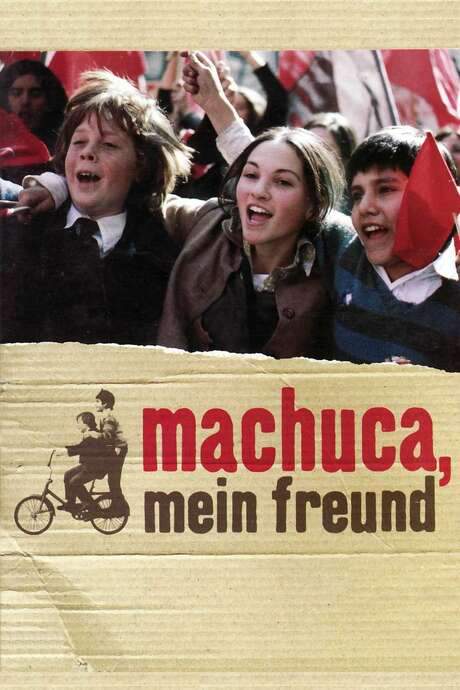
Machuca (2004) movie poster

Spoiler-Free Summary

Machuca (2004) Spoiler-Free Summary – What It's About

Release, runtime and language
2004 · 116 mins · Spanish
Loading streaming availability…
Directed by
Andrés Wood
Starring
Alejandro Goic, Aline Küppenheim, Francisco Reyes, Manuela Martelli, Federico Luppi, Ariel Mateluna

In 1970s Santiago, during Salvador Allende’s socialist presidency, Father McEnroe opens St. Patrick’s Catholic prep school to admit a handful of working‑class children. Pedro Machuca, the son of a cleaning lady, befriends Gonzalo Infante, a wealthy liberal’s son. Their friendship endures the 1973 Pinochet coup, which topples Allende, ousts supporters like McEnroe, and shatters the fragile bridge between their disparate worlds.

On this page (7)
  1. 1 Where to watch
  2. 2 What it is about
  3. 3 Is it worth watching?
  4. 4 After you watch
  5. 5 Movie threads
  6. 6 Movies like Machuca
  7. 7 Every angle
Loading streaming availability…

Spoiler-free summary · safe to read

What Is Machuca About? (No Spoilers)

The plot of Machuca (2004) without spoilers: what it is about, who it follows and where it takes place, told without the twists or the ending. Enough to decide whether it is your next watch, not enough to ruin it.

In the bustling streets of 1970s Santiago, the nation teeters between the hopeful promises of Salvador Allende’s socialist agenda and the undercurrent of unease among its more affluent citizens. Against this charged backdrop, a modest Catholic prep school becomes an unlikely laboratory for social experiment, its classrooms humming with the ordinary sounds of childhood while the city outside murmurs with political debate.

Father McEnroe, the school’s determined principal, envisions a bridge across the stark divide of wealth and poverty by welcoming a handful of working‑class children into his previously insulated world. Among the established pupils is Gonzalo Infante, a twelve‑year‑old raised in comfort whose curiosity leads him to the new arrivals, especially the bright‑eyed Pedro Machuca, whose family scrapes by in a nearby shantytown. Their tentative friendship blossoms amid shared comic books and whispered conversations, offering a glimpse of common ground that feels both fragile and extraordinary.

The trio’s world expands when Silvana—a spirited girl from the neighborhood—joins their street‑level explorations, turning idle games into subtle acts of rebellion against the unspoken rules that separate their families. Within the school’s walls, a modest vegetable garden symbolizes the hope placed in this social experiment, while the adults—Patricio Infante and his wife María Luisa—navigate their own uneasy positions, balancing sympathy for change with the desire to protect their way of life. The atmosphere is measured and observant, never sensationalizing the turbulence that looms beyond the classroom doors.

As whispers of unrest grow louder, the children’s tentative bonds become a quiet testament to the possibility of connection across entrenched class lines. The film’s tone remains contemplative, allowing the audience to feel the weight of the era’s political tension while focusing on the tender, uncertain dynamics among the young protagonists—an intimate portrait of friendship attempting to endure in a world on the brink of transformation.

Last updated: October 14, 2025 at 03:56

Was this helpful?

What to expect

Is Machuca Worth Watching? What It Feels Like

Is it dark, sad, slow, intense or confusing? The mood of Machuca (2004) in a few tags, without a word about how it ends. Each tag opens a list of movies that feel the same.

After you watch

Seen Machuca? Now Read the Spoilers

Once you have watched Machuca (2004), come back for the full story: the plot summary with spoilers, the timeline in chronological order, the characters and meaning.

Movie threads

More Movies Like Machuca, by Mood & Story

Curated lists built around what makes Machuca tick: the same mood, the same kind of story or the same emotional payoff. Each list explains why these movies belong together.

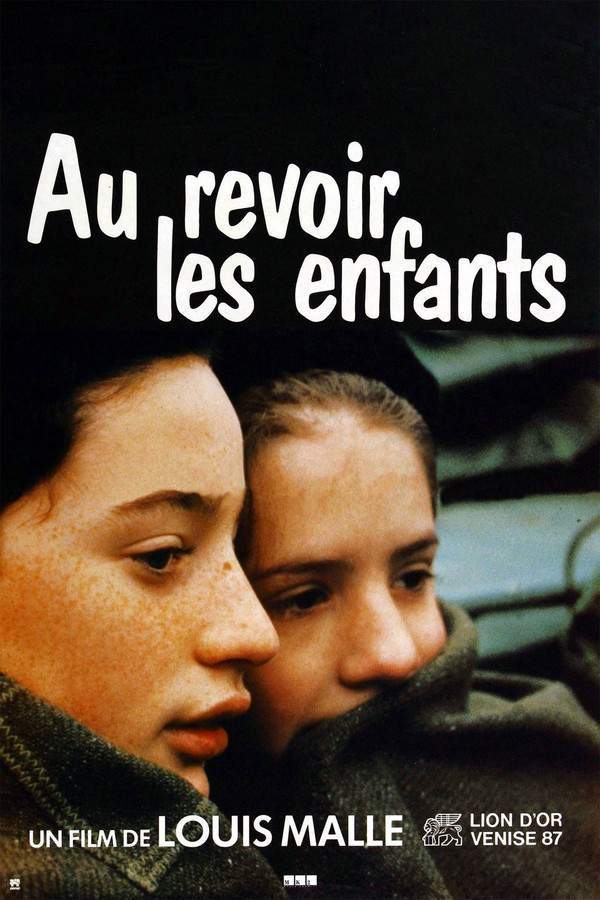
Childhood innocence shattered by political upheaval like in Machuca

Stories where a child's world is fractured by overwhelming historical forces. If you liked the way Machuca uses a child's friendship to tell a story of political collapse, you'll appreciate these movies. This thread collects similar films where youthful innocence is a lens for exploring historical trauma, featuring stories with a heavy emotional weight and melancholic tone.

  • nostalgic
  • oppressive
  • tender
  • sad
  • thoughtful
  • historical
  • Tone: melancholic, observant, tragic
  • Pacing: steady, character-driven
Why these movies?

The story pattern: Films in this thread typically follow a linear, character-focused narrative seen through a child's eyes. The journey begins in a state of relative normalcy or budding friendship, which is then violently interrupted by external political events. The climax is often the irreversible shattering of the child's world, resulting in an ending defined by grief and historical trauma.

Why they belong together: These movies are grouped together because they share a specific narrative device: using childhood as a microcosm for larger societal conflicts. They blend the personal with the political, creating a uniquely powerful and melancholic viewing experience defined by a steady, observant pace that builds to a high-intensity, emotionally devastating climax.

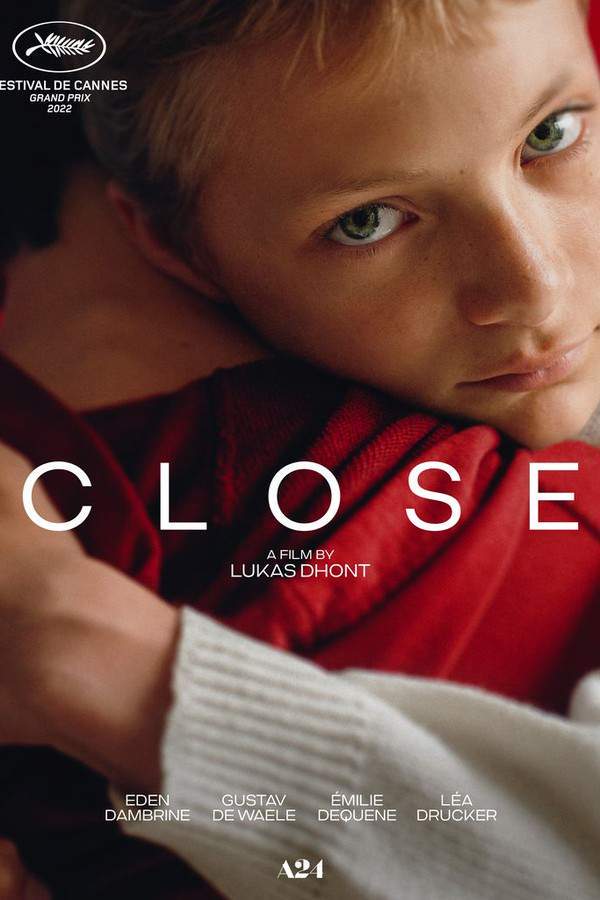
Fragile friendships across class divides like in Machuca

Intimate bonds formed across social lines, tested by an unforgiving world. For viewers who were moved by the central friendship in Machuca, this thread finds other movies about tender bonds formed across social classes. These films explore how such connections are tested by a harsh world, often leading to moving, melancholic stories with a heavy emotional weight.

  • tender
  • sad
  • thoughtful
  • melancholic
  • moving
  • observant
  • Tone: melancholic, tender, thoughtful
  • Pacing: steady, relationship-focused
Why these movies?

The story pattern: The narrative follows the formation and deepening of a friendship between characters from different worlds. The middle act explores the joy and challenge of this connection. The conflict arises not from within the friendship itself, but from the overwhelming external forces of class conflict or societal unrest, which ultimately sever the bond and leave characters grieving a lost possibility.

Why they belong together: These films are united by their core focus on a specific type of relationship dynamic. They share a melancholic, observant tone and a steady pacing that allows the friendship to feel authentic. The emotional journey is consistently heavy, culminating in a sense of loss that comments on broader social injustices.

If you liked this

Movies Like Machuca

Similar movies to Machuca: the same genre, themes or kind of story. Each one comes with its own plot summary, timeline and ending explained.

Browse all movie summaries

Every angle

Machuca (2004) Explained: Plot, Timeline & Characters

Everything about Machuca in one place: what happens in the plot summary, the timeline in chronological order, the characters and meaning and a spoiler-free summary. What's After the Movie adds the cast, box office and post-credit scenes.

Coming soon on iOS and Android

The Plot Explained Movie Summary App

Plot summaries, endings explained and timelines on your phone. Catch up on any movie in minutes, save your favorites and never miss a twist again.

Be the first to know when we launch. Your email stays private, always.

Learn more about the app