Plot Explained Spoilers guaranteed!
Plot Explained

Browse by genre

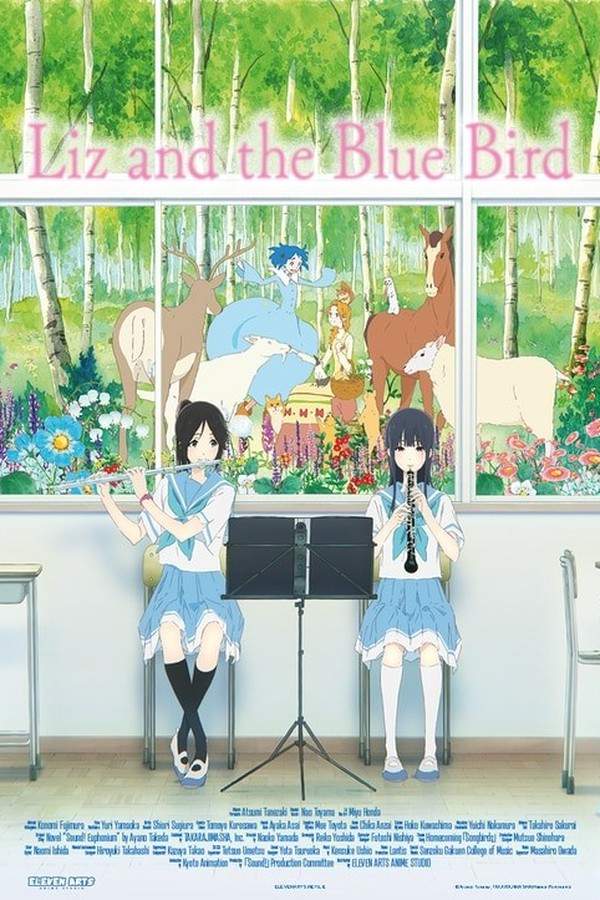
Liz and the Blue Bird (2018) movie poster

Characters & Themes

Liz and the Blue Bird (2018) Characters, Setting & Themes Explained

Release, runtime and language
2018 · 90 min · Japanese
Echo score 80
Loading streaming availability…
Directed by
Naoko Yamada
Starring
Ayaka Asai, Yuri Yamaoka, Atsumi Tanezaki, Chika Anzai, Konomi Fujimura, Miyu Honda

Mizore and Nozomi have been close friends since high school, their bond strengthened by a shared love of music. As they prepare for graduation, their final concert becomes a poignant moment, featuring a duet that reflects the sadness of their approaching separation. The prospect of attending different colleges creates a subtle tension, threatening to fracture their long-standing friendship. This heartwarming story explores the complexities of growing up and the challenges of maintaining relationships through significant life changes, ultimately leading to an emotional and resonant conclusion.

On this page (7)
  1. 1 Where to watch
  2. 2 Characters explained (3)
  3. 3 Where & when it takes place
  4. 4 Themes & meaning (3)
  5. 5 Character & meaning questions
  6. 6 Movie threads
  7. 7 Every angle
Loading streaming availability…

3 main characters · contains spoilers

Liz and the Blue Bird Characters Explained: Who Is Who

The main characters of Liz and the Blue Bird (2018), heroes and villains: what drives them, how they change over the course of the story and what each of them reveals about the film's bigger ideas.

  • Mizore Yoroizuka

    played by Atsumi Tanezaki

    Mizore is a reserved and introverted senior student who plays the oboe. She grapples with feelings of inadequacy and dependency on her friend Nozomi, which leads to isolation from her peers. Throughout the film, she learns to navigate her emotions and pursue personal growth, ultimately revealing her compassionate and caring nature.

    • 🎶 Musician
    • 💗 Caring
    • 😔 Insecure
  • Nozomi Kasaki

    played by Nao Tôyama

    Nozomi is the charismatic flutist whose outgoing personality contrasts with Mizore's introversion. She struggles with feelings of jealousy regarding Mizore's talent and her own ambitions, leading to a complex dynamic between them. Despite her challenges, she is ultimately supportive and aware of the emotional weight of their friendship.

    • 🎶 Musician
    • 💖 Supportive
    • 😟 Jealous
  • Niiyama

    played by Miyu Honda

    Niiyama is the dedicated woodwind instructor who plays a pivotal role in guiding Mizore and Nozomi through their musical and emotional challenges. His encouragement helps Mizore explore her potential and confront her feelings, highlighting his role as a mentor and advocate for their growth.

    • 👨‍🏫 Mentor
    • 🎼 Supportive
    • 🌟 Inspirational

Last updated: October 22, 2024 at 21:55

Was this helpful?

Setting

Where and When Does Liz and the Blue Bird Take Place?

The setting of Liz and the Blue Bird (2018): the year and time period, the places and locations, and how they shape the characters, the mood and the tension of the story.

Time period

Modern Day

The film unfolds in contemporary times, capturing the experiences of high school seniors on the brink of graduation. This time period is pivotal for young adults as they reflect on their relationships and future aspirations, layered with the emotional turbulence of impending separation.

Location

High School, Concert Hall, Café, Library

The movie primarily takes place in a high school setting, where the students are preparing for a concert. The concert hall serves as a critical venue for showcasing their talent and emotional journey. The café and library scenes represent the subtler spaces where personal connections deepen and characters confront their feelings.

  • 🏫 School
  • 🎶 Concert
  • ☕ Café
  • 📚 Library

Last updated: October 22, 2024 at 21:55

Was this helpful?

3 major themes

Liz and the Blue Bird Meaning: Themes & Message Explained

What is Liz and the Blue Bird (2018) really about? The emotional, social and philosophical themes the film keeps returning to, its symbolism and the message beneath the surface.

  • Friendship

    At the heart of the story is the profound friendship between Mizore and Nozomi. While they share a deep bond, their relationship undergoes strain as they navigate their individual aspirations and emotions, leading to jealousy and misunderstandings. The film explores the challenges of balancing personal growth while cherishing a close friendship.

  • Music

    Music acts as a central vehicle for self-expression and connection throughout the film. The duet from *Liz and the Blue Bird* serves as both a metaphor for their friendship and a reflection of their personal struggles. The characters' interactions with music highlight its power to evoke emotions and convey complex feelings.

  • Freedom

    The theme of freedom resonates deeply with the characters' journeys. Mizore must learn to release her dependencies, not just on Nozomi but on her own fears. This theme is symbolically tied to the character dynamics as Mizore learns to embrace her potential while allowing Nozomi to pursue her true desires.

Last updated: October 22, 2024 at 21:55

Was this helpful?

Character & theme questions

Liz and the Blue Bird Characters & Meaning: Your Questions Answered

The questions people ask about Liz and the Blue Bird (2018): who the characters really are, their relationships, what the symbols mean, where it takes place and what the movie is really about. Each answer contains spoilers.

Q1

Where does Liz and the Blue Bird take place?

The movie is set primarily in a high school, with the concert hall serving as the critical venue for the characters' musical performance. Additional scenes take place in more intimate locations like a café and library, where personal connections deepen and characters confront their feelings.

  • setting
  • locations
  • high school
  • concert hall
  • japan
Q2

What time period is the film set in?

The film takes place in contemporary modern times, following high school seniors on the brink of graduation. This period represents a pivotal moment for young adults as they reflect on their relationships and future aspirations.

  • time period
  • modern day
  • graduation
  • high school
Q3

What are the main themes in Liz and the Blue Bird?

The film explores three interconnected themes: the profound yet complex friendship between the two main characters, music as a vehicle for self-expression and emotional connection, and the theme of freedom involving personal liberation from dependencies and fears.

  • themes
  • friendship
  • music
  • freedom
  • coming of age
Q4

How does the film portray friendship and its challenges?

The story centers on the deep bond between Mizore and Nozomi, which undergoes strain as they navigate individual aspirations and emotions. Their relationship explores jealousy, misunderstandings, and the challenge of balancing personal growth while cherishing a close friendship.

  • friendship
  • jealousy
  • relationship
  • Mizore
  • Nozomi
Q5

What role does music play in the story?

Music serves as the central vehicle for self-expression and connection. The duet from 'Liz and the Blue Bird' functions as both a metaphor for the characters' friendship and a reflection of their personal struggles, with the power to evoke emotions and convey complex feelings.

  • music
  • duet
  • oboe
  • flute
  • concert
  • performance
Q6

What does the freedom theme represent in the movie?

The theme of freedom centers on Mizore learning to release her dependencies, both on her friend Nozomi and on her own fears. This is symbolically tied to the character dynamics as Mizore learns to embrace her potential while allowing Nozomi to pursue her true desires.

  • freedom
  • liberation
  • dependency
  • personal growth
Q7

What does the blue bird symbolize in the film?

The blue bird from the embedded fairytale 'Liz and the Blue Bird' serves as an allegory for freedom and liberation. It mirrors the characters' emotional journeys, particularly Mizore's path toward letting go and embracing independence.

  • blue bird
  • allegory
  • fairytale
  • symbolism
  • metaphor
Q8

Who is Mizore Yoroizuka and what defines her?

Mizore is a reserved and introverted senior who plays the oboe. She grapples with feelings of inadequacy and dependency on her friend Nozomi, which leads to isolation from peers. Throughout the film, she learns to navigate her emotions and pursue personal growth, revealing her compassionate nature.

  • Mizore
  • character
  • oboe
  • introverted
  • dependent
Q9

Who is Nozomi Kasaki and what defines her?

Nozomi is the charismatic flutist whose outgoing personality contrasts with Mizore's introversion. She struggles with feelings of jealousy regarding Mizore's talent and her own ambitions, yet remains supportive and aware of the emotional weight of their friendship.

  • Nozomi
  • character
  • flute
  • charismatic
  • jealousy
Q10

Who is Niiyama and what is his role?

Niiyama is the dedicated woodwind instructor who guides Mizore and Nozomi through their musical and emotional challenges. His encouragement helps Mizore explore her potential and confront her feelings, serving as a mentor and advocate for their growth.

  • Niiyama
  • teacher
  • mentor
  • woodwind instructor
Q11

How does the fairytale within the film relate to the main story?

The embedded fairytale 'Liz and the Blue Bird' functions as a layered allegory that mirrors and informs the main characters' relationship. The audience must draw parallels between the fairy tale's themes of freedom, love, and sacrifice and the real-world dynamics between Mizore and Nozomi.

  • fairytale
  • allegory
  • parallel
  • story within story
Q12

What is the overall tone and emotional feel of the movie?

The film has a melancholic tone dominated by quiet sadness and nostalgia for a friendship that must change. Despite the bittersweet nature, it is not hopeless, the ending preserves their friendship but transforms it into a more mature understanding.

  • tone
  • melancholy
  • bittersweet
  • emotional
  • nostalgia
Q13

What type of viewer is this movie suited for?

The film is ideal for viewers who appreciate slow-paced, contemplative stories focused on subtle emotional shifts and internal character struggles. It appeals to those who enjoy animated dramas with allegorical elements and themes of personal growth and friendship.

  • audience
  • viewer
  • animation
  • drama
  • slow paced

Movie threads

More Movies Like Liz and the Blue Bird, by Mood & Story

Curated lists built around what makes Liz and the Blue Bird tick: the same mood, the same kind of story or the same emotional payoff. Each list explains why these movies belong together.

Quietly Melancholic Coming-of-Age Stories like Liz and the Blue Bird

Intimate tales of friendship and the bittersweet ache of changing relationships. If you liked the gentle, bittersweet emotions of Liz and the Blue Bird, explore more movies like it. This collection features intimate stories about friendship, separation, and the quiet pangs of growing up, all sharing a similar melancholic but tender tone.

  • melancholic
  • contemplative
  • tender
  • nostalgic
  • intimate
  • yearning
  • Tone: melancholic, tender, bittersweet
  • Pacing: slow, contemplative
Why these movies?

The story pattern: Narratives in this thread often follow characters on the cusp of a major life change, typically graduation or leaving home. The central conflict is emotional and internal, revolving around the preservation or transformation of a deep friendship or bond. The journey is less about external events and more about the characters coming to a new, more mature understanding of themselves and each other.

Why they belong together: These films are grouped together because they share a specific mood: a soft, contemplative sadness mixed with warmth. They prioritize atmosphere, subtle character expression, and a slow, deliberate pace to explore themes of separation, nostalgia, and emotional growth, resulting in a deeply personal and poignant viewing experience.

Movies Where Art Reflects Life like Liz and the Blue Bird

Stories where a creative process mirrors the inner world of the characters. For viewers who appreciated how the 'Liz and the Blue Bird' fairytale paralleled the main relationship in Liz and the Blue Bird, this section finds similar movies. Discover films where music, performance, or art becomes a powerful allegory for the characters' unspoken emotions and personal growth.

  • contemplative
  • expressive
  • emotional
  • cathartic
  • symbolic
  • introspective
  • Tone: contemplative, emotional, resonant
  • Pacing: steady, character-driven
Why these movies?

The story pattern: These narratives often feature a dual structure: the primary story of the characters' relationships and a secondary, allegorical story from their art. The climax frequently involves a performance or completion of the artwork, which forces the characters to confront the truth about their feelings, leading to a moment of catharsis and emotional resolution.

Why they belong together: Movies are grouped here based on their shared narrative device of using art as a thematic mirror. This technique adds a layer of complexity and depth to character-driven dramas, creating a rich, interpretive experience where the audience is invited to draw parallels between the art being created and the lives of the creators.

Every angle

Liz and the Blue Bird (2018) Explained: Plot, Timeline & Characters

Everything about Liz and the Blue Bird in one place: what happens in the plot summary, the timeline in chronological order, the characters and meaning and a spoiler-free summary. What's After the Movie adds the cast, box office and post-credit scenes.

Coming soon on iOS and Android

The Plot Explained Movie Summary App

Plot summaries, endings explained and timelines on your phone. Catch up on any movie in minutes, save your favorites and never miss a twist again.

Be the first to know when we launch. Your email stays private, always.

Learn more about the app