








Plot Explained Spoilers guaranteed!
Plot Explained

Browse by genre

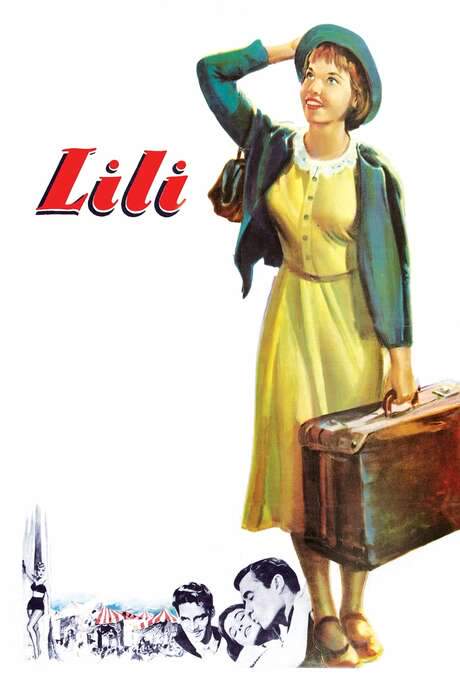
Lili (1953) movie poster

Characters & Themes

Lili (1953) Characters, Setting & Themes Explained

Release, runtime and language
1953 · 82 mins · English
JustWatch #27,704 9
Starring
George Davis, Amanda Blake, Mel Ferrer, Ralph Dumke, Leslie Caron, Eda Reiss Merin

Stranded in a town, Lili Daurier is taken in by a traveling circus troupe. The magician who rescues her is entangled and sees her as a child. Lili confides her worries to the puppets, unaware of the puppeteers. As she sings, a crowd gathers and the circus makes her a new act, giving her a job. She wonders if this life can fulfill her heart’s desire.

On this page (8)
  1. 1 Where to watch
  2. 2 Characters explained (9)
  3. 3 Where & when it takes place
  4. 4 Themes & meaning (3)
  5. 5 Character & meaning questions
  6. 6 Movie threads
  7. 7 Movies like Lili
  8. 8 Every angle

Where to watch

Where to Watch Lili (1953)

Where can you watch Lili? Stream, rent or buy it in the US, including on HBO Max, TCM and Amazon Video: current JustWatch availability with up-to-date prices.

Streaming availability powered by JustWatch

9 main characters · contains spoilers

Lili Characters Explained: Who Is Who

The main characters of Lili (1953), heroes and villains: what drives them, how they change over the course of the story and what each of them reveals about the film's bigger ideas.

  • Lili Daurier (Leslie Caron)

    A naive country girl drawn to the carnival world, Lili quickly learns that life with the puppets can be more honest than the men who court her. She grows from starry-eyed dreamer into a perceptive participant in the act, whose natural warmth makes the puppets come alive. Her journey is a mix of vulnerability, resilience, and a restless desire for belonging.

    • 🎭 Young heroine
    • 🪞 Self-discovery
    • 💃 Transformation
  • Paul Berthalet (Mel Ferrer)

    A former dancer whose career was cut short by a WWII injury, Paul channels his talent into puppetry and keeps his true feelings buried behind a harsh exterior. He is complicated, emotionally guarded, and driven by a stubborn pride that masks fear of rejection. Through the puppets, he communicates what he cannot say aloud and gradually shows a capacity for love.

    • 🎭 Puppeteer
    • 🧠 Complexity
    • 💔 Guarded
  • Marc (Marcus the Magnificent) (Jean-Pierre Aumont)

    The carnival’s handsome, smooth-talking magician who pursues opportunities beyond the carnival circuit. His flirtatious charm and ambition make him a catalyst for Lili’s heartbreak and for the troupe’s shifting dynamics. He embodies the lure of bigger stages, often at the expense of genuine connections.

    • 🎩 Magician
    • 💫 Charmer
    • 💔 Unfaithful
  • Jacquot (Kurt Kasznar)

    Paul’s partner and manager-like figure in the puppet act, pragmatic and business-minded. He weighs loyalty to the troupe against the temptations of bigger venues presented by Paris impresarios. He functions as a foil to Paul’s volatile temperament.

    • 🤝 Manager
    • 🧭 Pragmatic
    • 🪄 Puppetry
  • Rosalie (Zsa Zsa Gabor)

    Marc’s wife and a figure around whom jealousy and ambition swirl. She represents the seductive lure of status and the fragile line between personal desire and professional alliances. Her presence intensifies the love triangle at the heart of the carnival world.

    • 💃 Dancer
    • 💖 Ambition
  • Carrot Top (Puppet)

    A brash red-haired puppet who interacts with Lili and the crowd, serving as a vehicle for misdirection and comic relief. The puppet’s banter helps reveal underlying tensions between characters, especially Paul. Carrot Top exemplifies how the act blends humor with emotional stakes.

    • 🎭 Puppet
    • 🧸 Toy
  • Reynardo (Puppet)

    A sly fox puppet embodying cunning and swagger, one of the puppet cast that keeps Lili engaged and curious about the act’s inner life. Reynardo participates in the dialogue that shifts Lili’s understanding of art and affection.

    • 🦊 Puppet
    • 🎭 Symbol
  • Marguerite (Puppet)

    A vain ballerina puppet who personifies performance vanity and theatrical vanity. Through her, the story questions what it means to be seen and to perform for others. Marguerite is a vocal element in the puppets’ ensemble.

    • 👯‍♀️ Puppet
    • 💃 Stage
  • Golo (Puppet)

    A cowardly giant puppet that adds physical humor and dramatic contrast within the act. Golo’s presence allows the troupe to explore fear, bravado, and the vulnerability behind a larger-than-life performance.

    • 🧸 Puppet
    • 🗡️ Vignette

Last updated: October 04, 2025 at 15:39

Was this helpful?

Setting

Where and When Does Lili Take Place?

The setting of Lili (1953): the year and time period, the places and locations, and how they shape the characters, the mood and the tension of the story.

Time period

1950s

The narrative sits in the post-World War II era, a time when European touring shows sought fresh talent after the war's upheaval. Glamour and dreams mix with disillusionment as performers chase fame on a shifting entertainment circuit. Paul carries the scars of his WWII injury into his puppetry, turning personal vulnerability into art. The setting reflects a transitional moment when traditional vaudeville meets mid-century showbiz.

Location

Provincial town, Carnival, Paris, Local casino

The story unfolds across a dusty provincial town dominated by a traveling carnival, with bright tents and a bustling midway that hides backstage tensions. The carnival grounds serve as the heart of Lili's interactions, while the nearby casino offers a glimpse of a more glamorous, high-stakes world. Paris appears as the dream destination, where impresarios scout acts, signaling a shift from roadside entertainment to bigger stages. Behind the scenes, a puppet workshop where Paul guides the act anchors the show's more intimate drama.

  • 🎪 Carnival
  • 🏘️ Provincial town
  • 🗺️ European setting

Last updated: October 04, 2025 at 15:39

Was this helpful?

3 major themes

Lili Meaning: Themes & Message Explained

What is Lili (1953) really about? The emotional, social and philosophical themes the film keeps returning to, its symbolism and the message beneath the surface.

  • Love Puppets

    The relationship between Lili and Paul is mediated by puppets, turning romance into a performance that reveals more about both of them than spoken words. Paul uses his puppets to express feelings he cannot summon in real life, trapping his love in the theatrical world. Lili's evolving bond with the puppets mirrors a growing awareness of art's power to shape perception and emotion. The grand finale returns their love to reality, as they choose to step off the stage together.

  • Art vs Commerce

    The act transitions from a handmade carnival spectacle to a commercial product under the Paris impresarios' gaze. The tension between artistic integrity and market demands threads through the puppetry act, with Paul’s bitterness about his former career coloring his decisions. Marc's departure to the casino exposes the fickle lure of bigger stages and the fragility of trust within the troupe. Lili's presence reveals whether art can survive as true expression or must bow to business.

  • Self-Discovery

    Lili begins as a naïve girl who seeks only a friend but discovers her own agency through performance and heart. The puppets function as a mirror for Paul’s inner life, forcing her to confront the difference between illusion and real feeling. Her choice at the end—to walk back into Paul’s arms—signifies a turn toward self-definition rather than naïve romance. The film frames love as a collaborative art that requires mutual courage and openness.

Last updated: October 04, 2025 at 15:39

Was this helpful?

Character & theme questions

Lili Characters & Meaning: Your Questions Answered

The questions people ask about Lili (1953): who the characters really are, their relationships, what the symbols mean, where it takes place and what the movie is really about. Each answer contains spoilers.

Q1

Where is the movie Lili set?

Lili is set in a provincial French town where a traveling carnival serves as the story's central location. The carnival grounds, with its bright tents and bustling midway, form the heart of Lili's interactions, while a nearby casino represents a more glamorous world beyond the carnival circuit. Paris appears as the ultimate destination, symbolizing bigger dreams and opportunities for the performers.

  • carnival setting
  • provincial town
  • french setting
  • traveling circus
Q2

What time period does Lili take place in?

Lili is set in the 1950s, specifically in the post-World War II era when European touring shows were seeking fresh talent after the war's upheaval. This transitional period reflects a entertainment circuit caught between traditional vaudeville and mid-century showbiz, with performers chasing fame amid a landscape of both glamour and disillusionment.

  • 1950s
  • post-war europe
  • time period
  • 1950s entertainment
Q3

What is the Love Puppets theme in Lili about?

The Love Puppets theme explores how Lili and Paul's relationship develops through the puppetry act, turning romance into a theatrical performance that reveals more about both characters than spoken words. Paul uses his puppets to express feelings he cannot articulate in real life, trapping his love within the theatrical world. Their eventual grand finale returns their love to reality when they choose to step off the stage together.

  • love
  • puppets
  • romance
  • emotional expression
  • performance
Q4

What does Art vs Commerce mean in Lili?

The Art vs Commerce theme examines the tension between artistic integrity and market demands within the traveling circus. Paul harbors bitterness about his former dance career and resents having to transform his handmade carnival spectacle into a commercial product for Paris impresarios. Marc's departure to the casino represents the lure of bigger stages, while Lili's presence tests whether true art can survive or must bow to business pressures.

  • art
  • commerce
  • integrity
  • paris impresarios
  • career
Q5

What is the Self-Discovery theme in Lili about?

The Self-Discovery theme follows Lili's transformation from a naïve country girl seeking only a friend into a perceptive participant who discovers her own agency through performance. The puppets serve as a mirror for Paul's inner life, forcing Lili to confront the difference between illusion and genuine feeling. Her choice to walk back into Paul's arms signifies a turn toward self-definition rather than naïve romance.

  • self-discovery
  • growth
  • agency
  • identity
  • lili journey
Q6

Who is Lili in the movie?

Lili Daurier is a naive country girl drawn to the carnival world who learns that life with the puppets can be more honest than the men who court her. She grows from a starry-eyed dreamer into a perceptive participant in the puppet act, whose natural warmth makes the puppets come alive. Her journey involves vulnerability, resilience, and a restless desire for belonging.

  • lili
  • character
  • naive girl
  • carnival
  • dreamer
Q7

Who is Paul Berthalet in Lili?

Paul Berthalet is a former dancer whose career was cut short by a World War II injury, channeling his talent into puppetry while keeping his true feelings buried behind a harsh exterior. He is emotionally guarded and driven by stubborn pride that masks his fear of rejection. Through his puppets, Paul communicates what he cannot say aloud, gradually revealing his capacity for love.

  • paul
  • puppeteer
  • wwii injury
  • former dancer
  • emotional guard
Q8

Who is Marc in Lili?

Marc, also known as Marcus the Magnificent, is the carnival's handsome magician who pursues opportunities beyond the traveling circuit. His flirtatious charm and ambition make him a catalyst for Lili's heartbreak and for the shifting dynamics within the troupe. He embodies the lure of bigger stages, often at the expense of genuine connections.

  • marc
  • magician
  • ambition
  • opportunity
  • bigger stages
Q9

What role do the puppets play in Lili?

The puppets in Lili function as more than entertainment, they serve as vehicles for emotional expression and character revelation. Characters like Carrot Top, Reynardo, Marguerite, and Golo each embody different personality traits that help reveal underlying tensions between the human characters. The puppetry act becomes a medium through which Paul communicates feelings he cannot express directly, and through which Lili discovers genuine connection.

  • puppets
  • puppetry
  • carrot top
  • reynardo
  • marguerite
  • golo
  • act
Q10

What does Paris represent in Lili?

Paris in Lili represents the ultimate dream destination where impresarios scout acts, signaling a shift from roadside entertainment to bigger stages. The promise of Paris creates tension within the troupe, exposing conflicts between artistic integrity and commercial success. It symbolizes both the heights of ambition and the potential loss of authenticity in pursuit of fame.

  • paris
  • dream
  • destination
  • impresario
  • ambition
  • fame
Q11

How does the post-WWII setting affect Lili's story?

The post-WWII setting shapes Lili's narrative by reflecting a transitional moment in entertainment when traditional vaudeville meets mid-century showbiz. Paul's carries scars from his WWII injury, turning personal vulnerability into artistic expression through puppetry. The era's sense of upheaval and renewal mirrors Lili's own journey of dislocation and discovery, as performers seek fresh starts after the war's disruption.

  • post-war
  • wwii
  • vaudeville
  • transitional era
  • entertainment circuit

Movie threads

More Movies Like Lili, by Mood & Story

Curated lists built around what makes Lili tick: the same mood, the same kind of story or the same emotional payoff. Each list explains why these movies belong together.

Movies with whimsical melancholy like Lili

Stories that blend sad undertones with a whimsical setting and a hopeful resolution. If you enjoyed the bittersweet but hopeful mood of Lili, you'll find similar stories here. These movies often feature dreamlike or unusual settings where characters process sadness or loss, but the tone remains gentle and ultimately optimistic, leading to a satisfying and heartwarming ending.

  • melancholic
  • whimsical
  • hopeful
  • dreamlike
  • nostalgic
  • bittersweet
  • Tone: melancholic, whimsical, hopeful
  • Pacing: steady, character-driven
Why these movies?

The story pattern: Characters often enter a world removed from everyday reality, such as a circus, theater, or a quaint town, where they confront personal sadness or disillusionment. Through this unique environment and its inhabitants, they experience a gentle awakening, learning to see the truth behind illusions and finding genuine connection, which leads to a hopeful personal transformation.

Why they belong together: These films are grouped together because they share a very specific emotional recipe: a base of melancholic longing, sweetened by whimsy and charm, and finished with a genuinely hopeful resolution. The pacing is usually steady, allowing the emotional arc to develop naturally without high-intensity drama.

Movies about found family and healing like Lili

Lonely characters find belonging and heal old wounds within a community of performers. Fans of Lili's story about finding a place to belong will enjoy these movies. They focus on characters who are lost or hurting and discover a new family among performers, artists, or other outsiders, using creativity and camaraderie to overcome trauma and find happiness.

  • found family
  • healing
  • performance
  • romantic
  • heartfelt
  • hopeful
  • Tone: hopeful, romantic, heartfelt
  • Pacing: steady
Why these movies?

The story pattern: The narrative follows a protagonist who feels alienated or is recovering from a trauma. They are drawn into a tight-knit, often eccentric group defined by a shared talent or passion, such as a theater troupe, band, or dance company. Initial illusions or misunderstandings give way to deeper, authentic relationships that facilitate healing and self-discovery.

Why they belong together: These movies are connected by the powerful themes of finding belonging and the transformative power of art and community. They explore how performance—whether acting, singing, or puppetry—can be a medium for expressing unspoken emotions and forging bonds that help characters overcome personal struggles.

If you liked this

Movies Like Lili

Similar movies to Lili: the same genre, themes or kind of story. Each one comes with its own plot summary, timeline and ending explained.

Browse all movie summaries

Every angle

Lili (1953) Explained: Plot, Timeline & Characters

Everything about Lili in one place: what happens in the plot summary, the timeline in chronological order, the characters and meaning and a spoiler-free summary. What's After the Movie adds the cast, box office and post-credit scenes.

Coming soon on iOS and Android

The Plot Explained Movie Summary App

Plot summaries, endings explained and timelines on your phone. Catch up on any movie in minutes, save your favorites and never miss a twist again.

Be the first to know when we launch. Your email stays private, always.

Learn more about the app