Plot Explained Spoilers guaranteed!
Plot Explained

Browse by genre

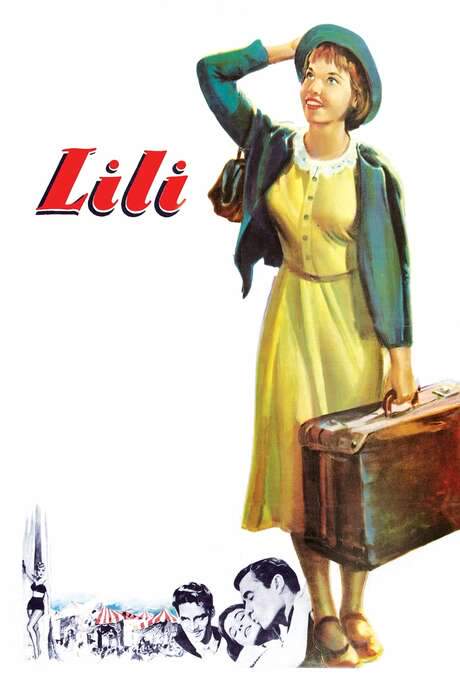
Lili (1953) movie poster

Plot Summary

Lili (1953) Plot Summary Explained

Release, runtime and language
1953 · 82 mins · English
JustWatch #27,731 2
Starring
George Davis, Amanda Blake, Mel Ferrer, Ralph Dumke, Leslie Caron, Eda Reiss Merin

Stranded in a town, Lili Daurier is taken in by a traveling circus troupe. The magician who rescues her is entangled and sees her as a child. Lili confides her worries to the puppets, unaware of the puppeteers. As she sings, a crowd gathers and the circus makes her a new act, giving her a job. She wonders if this life can fulfill her heart’s desire.

On this page (6)
  1. 1 Where to watch
  2. 2 What happens: full plot
  3. 3 Plot questions answered
  4. 4 Movie threads
  5. 5 Movies like Lili
  6. 6 Every angle

Where to watch

Where to Watch Lili (1953)

Where can you watch Lili? Stream, rent or buy it in the US, including on HBO Max, TCM and Amazon Video: current JustWatch availability with up-to-date prices.

Streaming availability powered by JustWatch

Full plot summary · contains spoilers

What Happens in Lili: Full Plot Summary

The whole story of Lili (1953) explained, from the opening scene to the final frame: every key event, every twist and what it all adds up to. Read it as a quick recap before the sequel, to check a scene you missed, or to finally understand what really happened.

Naive country girl Lili Daurier arrives in a provincial town hoping to locate an old friend of her late father, only to discover that he has died. A local shopkeeper offers her employment, then tries to take advantage of her. She is rescued by a handsome, smooth-talking carnival magician, Marc, whose stage name is Marcus the Magnificent. Lili is infatuated with him and follows him to the carnival, where on learning that she is 16, he helps her get a job as a waitress. Lili is fired on her first night when she spends her time watching the magic act instead of waiting tables. When Lili consults the magician for advice, he tells her to go back to where she came from. Homeless and heartbroken, she contemplates suicide, unaware that she is being watched by the carnival's puppeteer Paul Berthalet. He strikes up a conversation with her through his puppets—a brash red-haired boy named Carrot Top, a sly fox, Reynardo, a vain ballerina, Marguerite, and a cowardly giant, Golo. Soon, a large group of carnival workers is enthralled watching Lili's interaction with the puppets, as she is seemingly unaware that there is a puppeteer behind the curtain. Afterwards, Paul and his partner Jacquot offer Lili a job in the act, talking with the puppets. She accepts, and her natural manner of interacting with the puppets becomes the most valuable part of the act.

Paul was once a well-known dancer, but suffered a leg injury in World War II. He regards the puppet show as far inferior to his old career, which embittered him. Lili refers to him as the Angry Man. Although he falls in love with Lili, he can only express his feelings through the puppets. Fearing rejection due to his physical impairment, he keeps his distance by being unpleasant to her. Lili continues to dream about the handsome magician, wishing to replace his assistant Rosalie.

Soon, Marc receives an offer to perform at the local casino and decides to leave the carnival, to the joy of Rosalie, who announces to everyone that she is his wife. Lili is heartbroken and innocently invites Marc to her trailer. His lecherous plans are interrupted by Paul, and he leaves. When Lili finds Marc's wedding ring in the seat cushions and tries to chase him, Paul stops her, calls her a fool, and slaps her.

Two impresarios from Paris who have been scouting the show come to see Paul and Jacquot. They recognize Paul as the former dancer and tell him that his act with Lili and the puppets is ingenious. Paul is ecstatic about this and the offer, but Jacquot tells the agents that they will have to let them know. He then tells Paul that Lili is leaving.

Lili takes the wedding ring to Marc and tells him that every little girl has to wake up from her girlish dreams. She has decided to leave the carnival. On her way out, she is stopped by the voices of Carrot Top and Reynardo, who ask her to take them with her. As they embrace her, she finds they are shaking. She remembers somebody is behind the curtain and pulls it away to see Paul. Instead of telling her how he feels, he tells her of the agents' offer. She confronts him about the difference between his real self, seemingly incapable of love, and his puppets. Paul tells her he is the puppets, a creature of many facets and many flaws. He concludes by telling her, "This is business."

Not any more, retorts Lili, who walks away.

Walking out of town, she imagines that the puppets, now life-sized, have joined her. As she dances with each puppet in turn, they all turn into Paul. Coming back to reality, Lili runs back to the carnival and into Paul's arms. They kiss passionately as the puppets applaud.
Last updated: October 09, 2025 at 11:22

Was this helpful?

Plot questions answered

Lili Plot Explained: Your Questions Answered

The questions people ask most about Lili (1953): what happens in the confusing scenes, why the characters do what they do, the twists, hidden details and what the ending means. Each answer contains spoilers.

Q1

Why does Paul only express his feelings through puppets?

Paul uses puppets because he is a former dancer whose career was ended by a leg injury in World War II. The puppet show feels inferior to his lost dancing career, leaving him bitter and emotionally withdrawn. He falls in love with Lili but fears rejection due to his physical impairment, so he conveys his feelings through the puppets instead of facing her directly. His puppets, Carrot Top, Reynardo, Marguerite, and Golo, become his only way to express vulnerability without risking personal rejection.

Foreshadowing: Early on, Lili notices he is called 'the Angry Man' and shows coldness toward her, hinting at deeper emotions he cannot openly express.

  • paul berthalet
  • puppets
  • leg injury
  • dancer
  • unexpressed love
  • emotional withdrawal
Q2

Why does Paul slap Lili after she finds Marcus's wedding ring?

Paul slaps Lili because he is frustrated and heartbroken watching her pursue Marcus, a man who is already married and has lecherous intentions. When Lili finds Marcus's wedding ring and tries to chase after him, Paul intervene to stop her from making a mistake. His slap is a harsh attempt to wake her up to reality, a moment of bitter protectiveness mixed with his own jealousy and pain at watching her chase someone unworthy of her.

Foreshadowing: Earlier, Paul has been watching Lili from the wings, clearly invested in her wellbeing despite his cold exterior.

  • paul slaps lili
  • marcus wedding ring
  • jealousy
  • protection
Q3

Why does Lili decide to leave the carnival after Marcus leaves?

Lili decides to leave because Marcus's departure shatters her romantic illusions. When Rosalie announces she is Marcus's wife, Lili realizes the handsome magician she idolized was never available to her. She also finds his wedding ring in her trailer, confirming his dishonesty. After overhearing about the Paris impresarios' offer to Paul, she understands the puppet act will succeed without her, making her feel unnecessary. Her decision represents her maturation, she gives up the girlish dream of Marcus to find her own path.

Foreshadowing: Earlier, Lili was fired for watching the magic act instead of working, showing her distraction by Marcus.

  • lili leaves carnival
  • marcus departure
  • rosalie wife
  • maturity
  • disillusionment
Q4

What does Lili's vision of life-sized puppets mean?

Lili's vision represents her subconscious realization of where she truly belongs. Walking away from the carnival, she imagines the puppets joining her as life-sized companions, each one dancing with her before transforming into Paul. This vision reveals that she has already formed a deeper connection with Paul than she consciously realized, the puppets have been his proxy for love and companionship. The transformation from puppets to Paul shows that her heart belongs to him, not to the fantasy of Marcus.

Foreshadowing: Throughout the film, Lili confides in the puppets and shares tender moments with them, unaware they reflect Paul's feelings.

  • lili vision
  • puppets transform
  • realization
  • subconscious love
  • paul
Q5

Why does Marcus tell Lili to go back where she came from?

Marcus tells Lili to leave because he views her as a child and is not genuinely interested in her beyond momentary charm. After she is fired from her waitress job for watching his magic act instead of working, she seeks his advice. He dismisses her with cold practicality, telling her to return to her hometown. His smooth-talking nature is superficial, he helps her get the job initially only because she is 16 and harmless to him. He shows his true character later when he tries to take advantage of her in her trailer.

Foreshadowing: When Lili first meets Marcus, he rescues her from the shopkeeper with charm but without deeper commitment.

  • marcus the magnificent
  • lili fired
  • dismissal
  • superficial charm
Q6

Why does Lili return to Paul at the end?

Lili returns to Paul because her vision made her understand that her true connection was with him all along. The puppets turning into Paul during her walk away from the carnival forced her to confront what she had been avoiding: she had fallen in love with the man behind the puppets, not the magician she had been chasing. When she pulls back the curtain and sees Paul, she recognizes his vulnerability and courage despite his flaws. She chooses genuine, if imperfect, love over fantasy, running back to the carnival to embrace him.

Foreshadowing: Lili's repeated conversations with the puppets, where she shared her hopes and heartaches, created an invisible bond with Paul.

  • lili returns
  • paul
  • reconciliation
  • real love vs fantasy
  • puppet connection
Q7

What happened to Paul's dancing career?

Paul was once a famous dancer before World War II, but he suffered a leg injury during the war that ended his career permanently. Forced to abandondance, he turned to puppetry as a inferior alternative, which filled him with bitterness and resentment. This injury and the loss of his identity as a dancer explain why he is called 'the Angry Man' and why he struggles to express his feelings directly. His puppet act became both his livelihood and his prison, a constant reminder of what he lost.

Foreshadowing: The Paris impresarios recognize him as 'the former dancer,' confirming his prestigious past.

  • paul dancer
  • wwii injury
  • leg injury
  • lost career
  • bitterness
Q8

Why does Rosalie announce she is Marcus's wife?

Rosalie announces she is Marcus's wife to assert her claim over him publicly, especially as he prepares to leave for a higher-paying casino engagement. Her announcement comes as a shock to Lili, who had been dreaming of replacing Rosalie as Marcus's assistant and romantic interest. The revelation exposes that Marcus has been deceptive, both about his marital status and his intentions toward Lili. Rosalie's declaration also marks the beginning of Lili's heartbreak and eventual awakening to reality.

Foreshadowing: Earlier, Rosalie is introduced as Marcus's assistant, and the dynamic between them suggests familiarity.

  • rosalie wife
  • marcus married
  • betrayal
  • lili heartbreak
Q9

How does Lili discover Paul is behind the puppets?

Lili discovers Paul is behind the puppets when she is leaving the carnival and hears Carrot Top and Reynardo's voices asking her to take them with her. She notices their bodies are shaking, which makes her realize someone is manipulating them from behind. She pulls back the curtain and finds Paul sitting there, controlling the puppets. This moment forces the first direct confrontation between them without the puppet facade, leading to their emotional exchange about who he really is.

Foreshadowing: Throughout the film, Lili never looks behind the curtain, fully absorbed in her conversations with the puppets.

  • lili discovers paul
  • curtain
  • puppet reveal
  • behind the scenes
Q10

Why are the Paris impresarios important to the story?

The Paris impresarios represent a turning point because they recognize Paul's former dancing fame and see genuine potential in the puppet act with Lili. Their offer of a high-profile Paris engagement raises the stakes dramatically, it suggests Paul could finally escape the carnival and return to the spotlight, albeit through puppetry rather than dancing. This offer also creates tension because Jacquot warns Paul that they'll need to decide whether to pursue it, adding uncertainty about their future and making Lili's departure feel even more significant.

Foreshadowing: The impresarios' recognition of 'the former dancer' validates Paul's hidden worth.

  • paris impresarios
  • paul former dancer
  • career opportunity
  • turning point
Q11

Why does Lili consider suicide at the carnival?

Lili considers suicide after being fired from her waitress job and being dismissed by Marcus, leaving her homeless and heartbroken in an unfamiliar carnival world. At just 16 years old, she has lost her father's friend, been targeted by a predatory shopkeeper, been rejected by the man she idolized, and now finds herself alone without means of support. Her suicidal thoughts reflect her extreme vulnerability and desperation at that moment, before Paul notices her and offers another path through the puppet act.

Foreshadowing: This low point occurs right after Marcus tells her to go back where she came from.

  • lili suicide
  • desperation
  • homelessness
  • heartbreak
  • vulnerability

Movie threads

More Movies Like Lili, by Mood & Story

Curated lists built around what makes Lili tick: the same mood, the same kind of story or the same emotional payoff. Each list explains why these movies belong together.

Movies with whimsical melancholy like Lili

Stories that blend sad undertones with a whimsical setting and a hopeful resolution. If you enjoyed the bittersweet but hopeful mood of Lili, you'll find similar stories here. These movies often feature dreamlike or unusual settings where characters process sadness or loss, but the tone remains gentle and ultimately optimistic, leading to a satisfying and heartwarming ending.

  • melancholic
  • whimsical
  • hopeful
  • dreamlike
  • nostalgic
  • bittersweet
  • Tone: melancholic, whimsical, hopeful
  • Pacing: steady, character-driven
Why these movies?

The story pattern: Characters often enter a world removed from everyday reality, such as a circus, theater, or a quaint town, where they confront personal sadness or disillusionment. Through this unique environment and its inhabitants, they experience a gentle awakening, learning to see the truth behind illusions and finding genuine connection, which leads to a hopeful personal transformation.

Why they belong together: These films are grouped together because they share a very specific emotional recipe: a base of melancholic longing, sweetened by whimsy and charm, and finished with a genuinely hopeful resolution. The pacing is usually steady, allowing the emotional arc to develop naturally without high-intensity drama.

Movies about found family and healing like Lili

Lonely characters find belonging and heal old wounds within a community of performers. Fans of Lili's story about finding a place to belong will enjoy these movies. They focus on characters who are lost or hurting and discover a new family among performers, artists, or other outsiders, using creativity and camaraderie to overcome trauma and find happiness.

  • found family
  • healing
  • performance
  • romantic
  • heartfelt
  • hopeful
  • Tone: hopeful, romantic, heartfelt
  • Pacing: steady
Why these movies?

The story pattern: The narrative follows a protagonist who feels alienated or is recovering from a trauma. They are drawn into a tight-knit, often eccentric group defined by a shared talent or passion, such as a theater troupe, band, or dance company. Initial illusions or misunderstandings give way to deeper, authentic relationships that facilitate healing and self-discovery.

Why they belong together: These movies are connected by the powerful themes of finding belonging and the transformative power of art and community. They explore how performance—whether acting, singing, or puppetry—can be a medium for expressing unspoken emotions and forging bonds that help characters overcome personal struggles.

If you liked this

Movies Like Lili

Similar movies to Lili: the same genre, themes or kind of story. Each one comes with its own plot summary, timeline and ending explained.

Browse all movie summaries

Every angle

Lili (1953) Explained: Plot, Timeline & Characters

Everything about Lili in one place: what happens in the plot summary, the timeline in chronological order, the characters and meaning and a spoiler-free summary. What's After the Movie adds the cast, box office and post-credit scenes.

Coming soon on iOS and Android

The Plot Explained Movie Summary App

Plot summaries, endings explained and timelines on your phone. Catch up on any movie in minutes, save your favorites and never miss a twist again.

Be the first to know when we launch. Your email stays private, always.

Learn more about the app