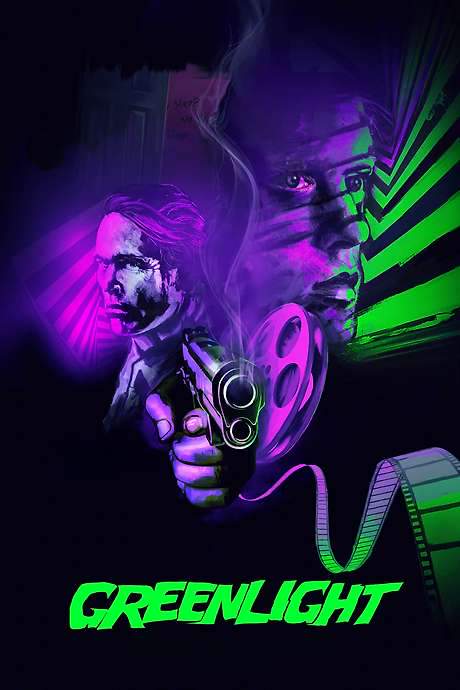
Single mother Jenny Graves Ashley Laurence decides to restart her life by moving out of Detroit with her two sons, Green Bret Harrison and Jay Lucas Till, to a small rural town in Alabama. The change is meant to be a fresh start, a chance to build stability and a normal routine, but the move also ushers in new pressures and unexpected connections that will pull the family into a world where fear and aspiration coexist.
Green is a devoted fan of horror films, especially the practical makeup that turns on-screen creatures into believable nightmares. His passion leads him to new friendships in the community, including two affable locals, Tony Bennett Jonathan Spencer and Billy Martin, who welcome him into a circle that already seems tuned to the darker side of entertainment. It’s through this circle that Green begins to sense a window of opportunity—one that might let him pursue a larger dream beyond the confines of the town. Yet the very flavor of his love for horror draws him into a troubling orbit when his mother’s past choices bring a dangerous presence into their lives: Earl Knight Kevin Gage, a figure whose shadowy history casts a chilling influence over the family’s precarious sense of safety.
Among the new faces in the town, Green meets Angevin Duvet Laura Prepon, a sharp, funny Goth girl who shares his interest in the horror genre and feels equally out of place in the small community. Their connection is immediate and electric, with Green instantly smitten by her wit and independence. Angevin’s allure is clear, but there are subtle hints about a past that isn’t fully revealed, leaving Green to navigate a relationship that feels thrilling yet potentially risky.
As Green’s talent for scaring up excitement in the town grows, he takes on a local project connected to the haunted-house tradition that anchors the community’s calendar. He approaches Tightwiler, a local businessman who runs the annual haunted house, and, by showcasing one of his own creations, secures a pivotal role in this year’s event. The project promises enough ticket sales to fund a bold path forward—one that would allow Green and Angevin to chase their dream of moving to Hollywood to build a future together. The plan carries a glow of possibility, but it also wires Green’s ambitions into a tense crossfire with the town’s moral center.
That moral center is embodied by Angevin’s mother, Ms. Duvet Shannon Eubanks, a deeply religious woman tied to the Holy Calling of the Southern Saints church. Her steadfast beliefs collide with Green and Angevin’s shared ambitions, creating a fraught power dynamic where personal dreams threaten to clash with community codes and a conservative social order. The story then unfolds at the intersection of desire, fear, and the heavy burden of legacy—the kind of dynamics that can elevate a humble haunted-house plan into a larger reckoning about who gets to define a life in a small town.
Throughout the narrative, the tension between pursuing artistic dreams and staying within the expectations of family and faith punctuates the characters’ choices. Green’s creativity and drive to push past the boundaries of their quiet town collide with Earl Knight’s ominous influence, and Angevin’s past hints complicate an already delicate balance. The film builds its atmosphere through small-town detail, the tug between independence and protection, and the lure of a bigger stage that promises both escape and peril. In the end, the story remains focused on how a single decision—whether to chase a dream or protect a fragile sense of home—reverberates through each character’s life, challenging them to weigh loyalty, risk, and the possibility of a brighter future against the comfort and constraints of the world they know.