Year: 1980
Runtime: 126 mins
Language: Chinese
Director: Xie Jin
After Party official Wu Yao brands Luo Qun, Song Wei’s fiancé, a right‑wing traitor, Luo is condemned to ten years of hard labor. Disillusioned, Song Wei ends the engagement and later weds Wu. In the post‑Cultural Revolution era, she urges her powerful husband to secure Luo’s rehabilitation, but Wu refuses to reopen political and personal wounds.
Warning: spoilers below!
Haven’t seen Legend of Tianyun Mountain yet? This summary contains major spoilers. Bookmark the page, watch the movie, and come back for the full breakdown. If you're ready, scroll on and relive the story!
Trace every key event in Legend of Tianyun Mountain (1980) with our detailed, chronological timeline. Perfect for unpacking nonlinear stories, spotting hidden connections, and understanding how each scene builds toward the film’s climax. Whether you're revisiting or decoding for the first time, this timeline gives you the full picture.
Last updated: February 18, 2026 at 23:45
Find frequently asked questions about the Legend of Tianyun Mountain (1980) timeline, including chronological order, nonlinear jumps, cause-and-effect links, and scene sequence clarifications. This timeline FAQ helps explain when key events happen, how moments connect, and why the story unfolds in that specific order.
Song Wei was pressured by Wu Yao, who led the Anti-Rightist campaign at Tianyun Mountain. Under intense political pressure and coercion, she wrote a farewell letter to Luo Qun and ultimately married Wu Yao, choosing political survival over her personal feelings. This decision allowed her to continue ascending within the party apparatus while suppressing her emotional connection to Luo.
Earlier scenes establish Song Wei's growing commitment to her party career, which makes her eventual choice more understandable but tragic.
Feng Qinglan, who had secretly loved Luo, left the exploration team to join him in a rural village where he was sent for hard labor. They married and lived an impoverished butcontent existence together. However, her long years of hardship eventually culminated in her death, leaving Luo alive at the story's end.
Feng's hidden love for Luo is established early in the film, making her decision to follow him feel earned.
Wu Yao refused to reopen what he called "political and personal wounds." Despite his position as vice Party chief, he resisted rehabilitating Luo even when Song Wei pushed for it, seemingly to protect his own political standing and avoid revisiting the controversial decisions of the Anti-Rightist era.
Wu Yao's earlier coercion of Song Wei to abandon Luo establishes his willingness to prioritize political self-interest.
After learning from Zhou Yuzhen that Luo remained a non-rehabilitated rightist, Song Wei felt guilty and determined to rectify the injustice. She appealed to higher-ranking officers over her husband Wu Yao's fierce objections. Her persistent efforts eventually succeeded in clearing Luo's name, though this victory came at a steep personal cost.
Song Wei's guilt stems from her earlier abandonment of Luo under pressure, which the narrative returns to when she learns of his continued plight.
Feng Qinglan had harbored secret feelings for Luo Qun throughout her time on the exploration team. When Luo was branded a rightist and sent to rural labor, she chose to leave her position and join him, prioritizing love and loyalty over her own career and comfort.
Early scenes hint at Feng's hidden emotions whenever Luo is present, making her departure feel like a natural culmination of her unspoken devotion.
After Feng dies from years of hardship, Luo stands in silent tribute before her grave. This final image represents his gratitude and respect for Feng's unwavering devotion, she left everything to be with him and endured great suffering. Song Wei watches from a distance, witnessing this moment of reconciliation and loss.
The narrative builds toward Feng's sacrifice as the emotional core of the story, making her death and Luo's tribute the tragic culmination.
Song Wei carried guilt because she had abandoned Luo Qun under political pressure, choosing to marry Wu Yao instead of standing by him during his persecution. When she learned he remained unrehabilitated decades later, her dormant conscience resurfaced, driving her to finally take action to correct the past injustice.
The earlier scenes of Song's internal conflict when writing the farewell letter establish the emotional burden she carries.
The Anti-Rightist Movement was a political campaign in late 1950s China targeting perceived dissenters. Luo Qun was branded a "rightist" and stripped of his position as political commissar, then sent to do menial labor in a rural village. This label effectively destroyed his career and marked him as politically tainted for decades.
The film establishes the mounting political pressure surrounding the team before Luo is formally labeled.
Wu Yao led the Anti-Rightist campaign at Tianyun Mountain and used his authority to pressure Song Wei to sever ties with the branded rightist Luo Qun. His motivation was partly ideological obedience and partly personal, he wanted Song Wei for himself, ultimately marrying her after her breakup with Luo.
Wu Yao's interest in Song Wei is apparent even before the political crisis intensifies.
Twenty years later, after the fall of the Gang of Four, Wu Yao rose to become vice Party chief and head of the region's organization department. Song Wei also attained a vice director position in the same department, though she wielded little real power. Their marriage remained intact but was marked by political tension over Luo's fate.
The 1976-77 political reshuffle sets the stage for the story's later conflict when past injustices resurface.
Zhou Yuzhen, a young girl, had a chance encounter with Luo Qun on Tianyun Mountain and learned that he remained a non-rehabilitated rightist. When she recounted this to Song Wei, it sparked Song's guilt and determination to finally rectify the decades-old injustice.
The chance meeting serves as the catalyst that reignites Song Wei's conscience after years of inaction.
Discover curated groups of movies connected by mood, themes, and story style. Browse collections built around emotion, atmosphere, and narrative focus to easily find films that match what you feel like watching right now.
Love stories torn apart by historical events and societal pressure.Discover movies like Legend of Tianyun Mountain that explore intense love stories shattered by political oppression. If you were captivated by the blend of romance and historical tragedy, you'll find similar emotionally heavy dramas here.
The narrative typically follows a central romantic relationship that is severed or severely tested by external political events, such as a revolution, war, or oppressive regime. The story unfolds over a significant period, showing the long-term consequences of these choices, often culminating in a bittersweet or tragic resolution where personal sacrifice overshadows any political victory.
These films are grouped together because they share a core focus on the intersection of epic romance and political history. They deliver a heavy emotional weight through themes of forced separation, loyalty, betrayal, and the high personal cost of ideological conflicts, all paced with a steady, character-driven rhythm.
Characters haunted by past decisions, seeking redemption in a somber world.Explore movies similar to Legend of Tianyun Mountain that delve into themes of guilt, betrayal, and redemption. If you appreciated the film's heavy emotional weight and reflective tone, this collection of moral dramas is for you.
Stories in this thread follow protagonists grappling with the consequences of a pivotal, morally ambiguous decision from their past. The narrative is often structured as a slow unveiling of guilt and a search for atonement, set against a backdrop that emphasizes the toll of their actions on themselves and others. The ending often provides a partial resolution but is tinged with the lasting pain of the original transgression.
These films are united by their exploration of heavy themes like guilt, betrayal, and the quest for redemption. They share a melancholic, reflective mood, a steady pacing that allows for deep character study, and a consistent tone of bittersweet realism regarding the possibility of truly undoing past wrongs.
Don't stop at just watching - explore Legend of Tianyun Mountain in full detail. From the complete plot summary and scene-by-scene timeline to character breakdowns, thematic analysis, and a deep dive into the ending - every page helps you truly understand what Legend of Tianyun Mountain is all about. Plus, discover what's next after the movie.
Read a complete plot summary of Legend of Tianyun Mountain, including all key story points, character arcs, and turning points. This in-depth recap is ideal for understanding the narrative structure or reviewing what happened in the movie.
Discover the characters, locations, and core themes that shape Legend of Tianyun Mountain. Get insights into symbolic elements, setting significance, and deeper narrative meaning - ideal for thematic analysis and movie breakdowns.
Discover movies like Legend of Tianyun Mountain that share similar genres, themes, and storytelling elements. Whether you’re drawn to the atmosphere, character arcs, or plot structure, these curated recommendations will help you explore more films you’ll love.
Legend of Tianyun Mountain (1980) Plot Summary & Movie Recap
Legend of Tianyun Mountain (1980) Scene-by-Scene Movie Timeline
Legend of Tianyun Mountain (1980) Spoiler-Free Summary & Key Flow
Movies Like Legend of Tianyun Mountain – Similar Titles You’ll Enjoy
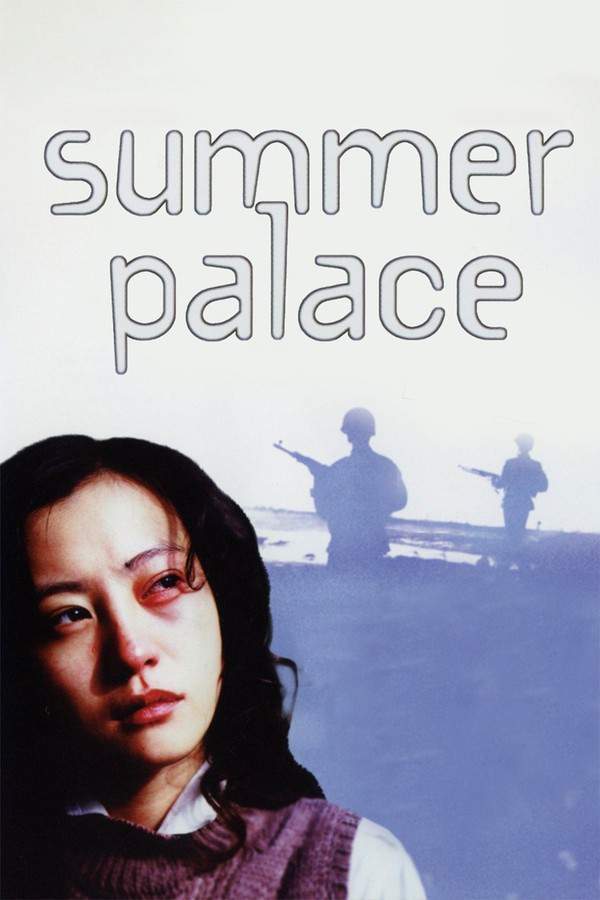
Summer Palace (2008) Full Summary & Key Details
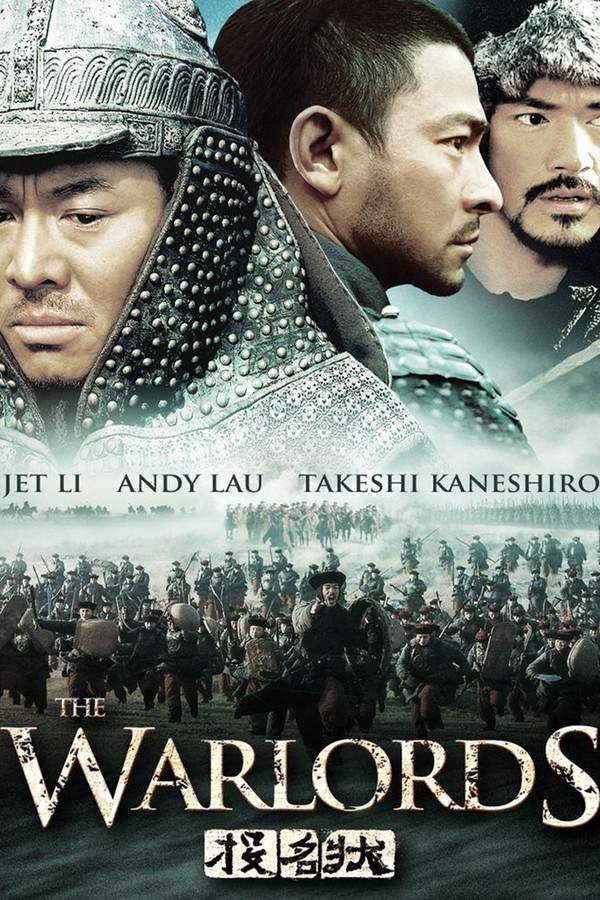
Warlords (2010) Plot Summary & Ending Explained
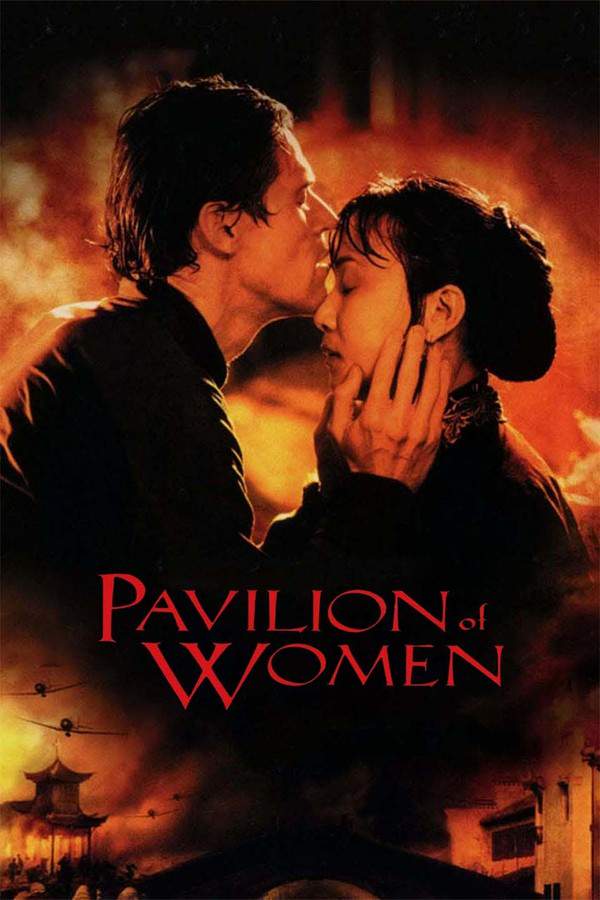
Pavilion of Women (2001) Detailed Story Recap
Dwelling in the Fuchun Mountains (2019) Spoiler-Packed Plot Recap
The Knot (2006) Full Movie Breakdown
China Cry (1990) Movie Recap & Themes
Song of Tibet (2000) Spoiler-Packed Plot Recap
Romance on Lushan Mountain (1980) Plot Summary & Ending Explained
Legend of Fei (1000) Detailed Story Recap
The Romance of Book and Sword (1987) Spoiler-Packed Plot Recap
Legend of Fei (1000) Spoiler-Packed Plot Recap
Mr. Wu (1927) Film Overview & Timeline
The Black Enforcer (1972) Full Movie Breakdown
Plunder of Peach and Plum (1934) Plot Summary & Ending Explained
Tai-Chi Master (1993) Full Movie Breakdown